
We support the agri-food sector in its meaningful digital transformation



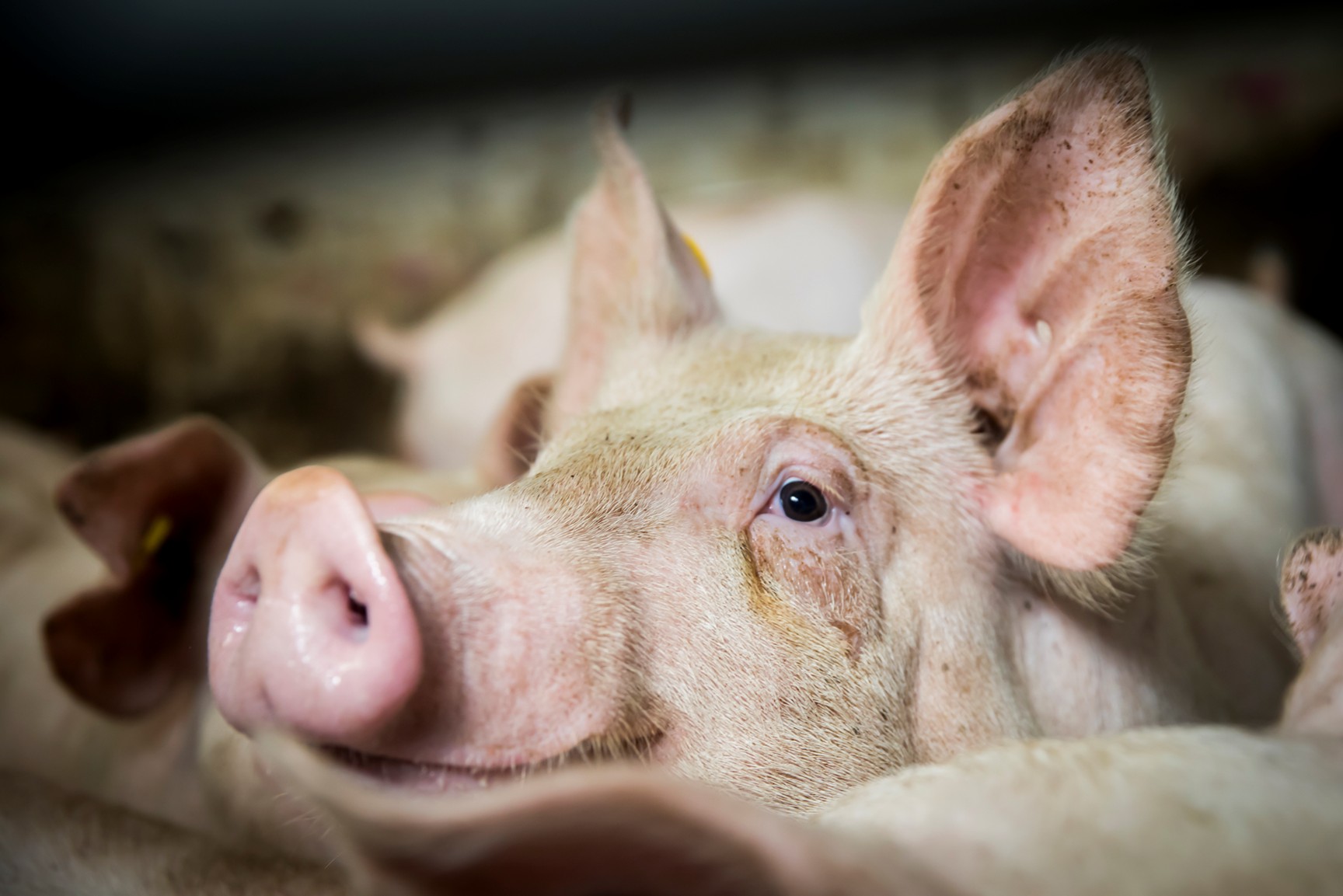
How can we improve the health and immunity of farm animals so that they do not need to be treated with antibiotics?
If they become infected with bacteria, what are the fastest diagnostic techniques?
What alternative drugs to antibiotics will allow us to treat infected animals individually?
We want the livestock sector to use antibiotics only in exceptional cases, without compromising animal welfare nor economic sustainability.

Almost a century after the discovery of penicillin, antibiotics are losing their effectiveness and it is predicted that bacterial infections could once again become our leading cause of death.
This has happened because we have made extensive and often inappropriate use of these medicines, in both animals and humans, which has allowed bacteria to become resistant.

In a world where human health, animal health and the health of ecosystems are completely intertwined (as summarised by the One Health concept), the only solution is to minimise the use of these medicines and find new drugs to tackle bacterial infections.
World leaders are making commitments to reduce antimicrobial resistance, largely through an international platform of which IRTA is a member.
For over a decade, Spain has had a specific plan with this mission, and Europe has also set reduction targets for 2030.

In the livestock field, one of the main objectives is to stop administering antibiotics to animals as a preventive measure. It also involves avoiding their metaphylactic use, which refers to medicating all animals on a farm because one of them has been found to be infected.
At IRTA, we support the agri-food sector, and specifically livestock farmers, to help them minimise the use of antibiotics in animals whilst promoting their welfare, without this resulting in financial losses.
We want to improve animal health so that they do not fall ill and can fight off diseases naturally.
Dozens of professionals across our centres and programmes are conducting research and developing innovations in four key areas:
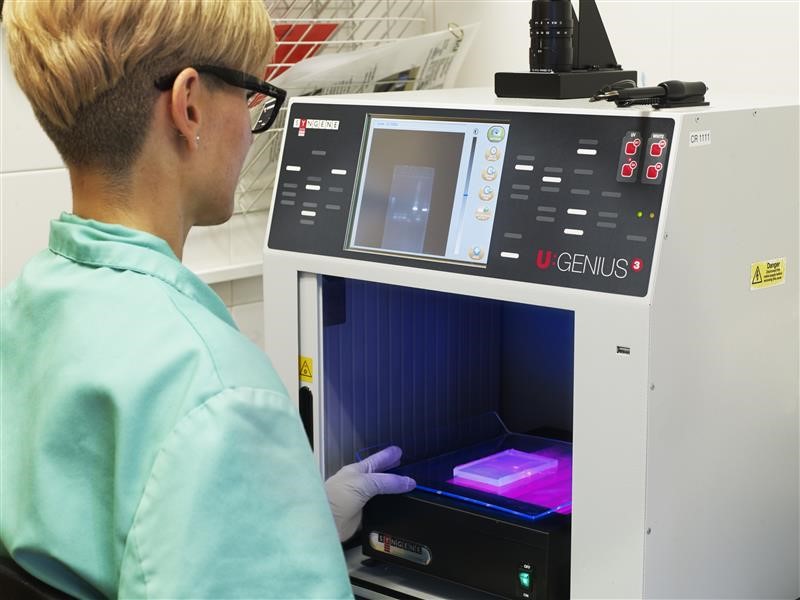
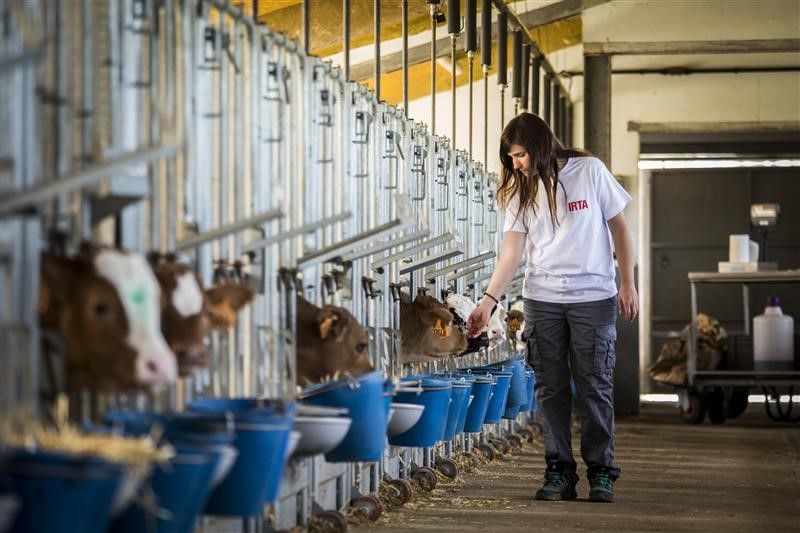
We study which animals are healthiest and what strategies enhance their health.
We investigate animal genetics to identify which animals have a stronger immune system.
We also explore how we can help strengthen their immunity through nutrition, the environment, immunomodulatory substances or vaccines.
Our work focuses on all types of farm animals, from fish to pigs, including chickens, rabbits and ruminants.
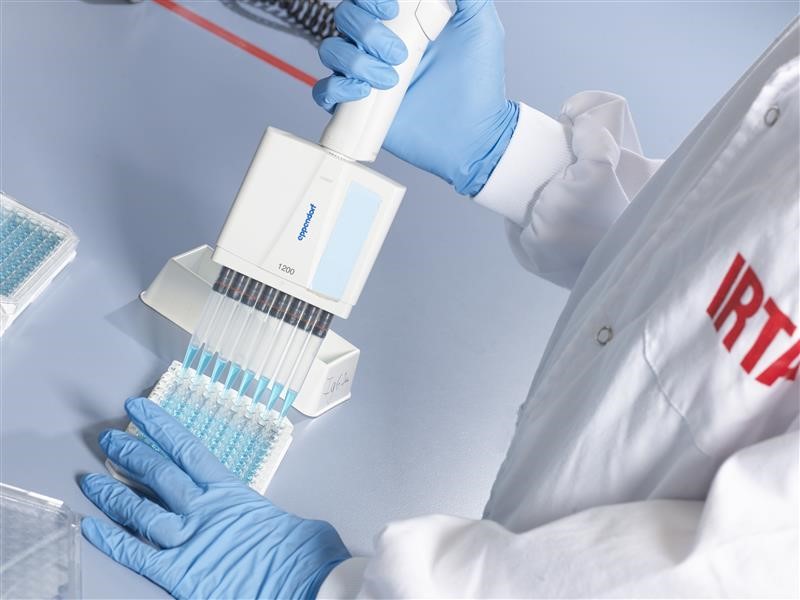
We have several diagnostic projects in the pig and cattle sectors that can be extended to other species.
We conduct research to better understand the pathogens that cause diseases and to detect them using rapid diagnostic kits, preventing them from spreading.
We also develop disease prediction and decision-making models to assist livestock farmers.
Furthermore, we are working on the development of a chip to rapidly detect, on-farm, pathogens and antibiotic-resistant bacteria in the microbiota, to help determine the appropriate treatment.
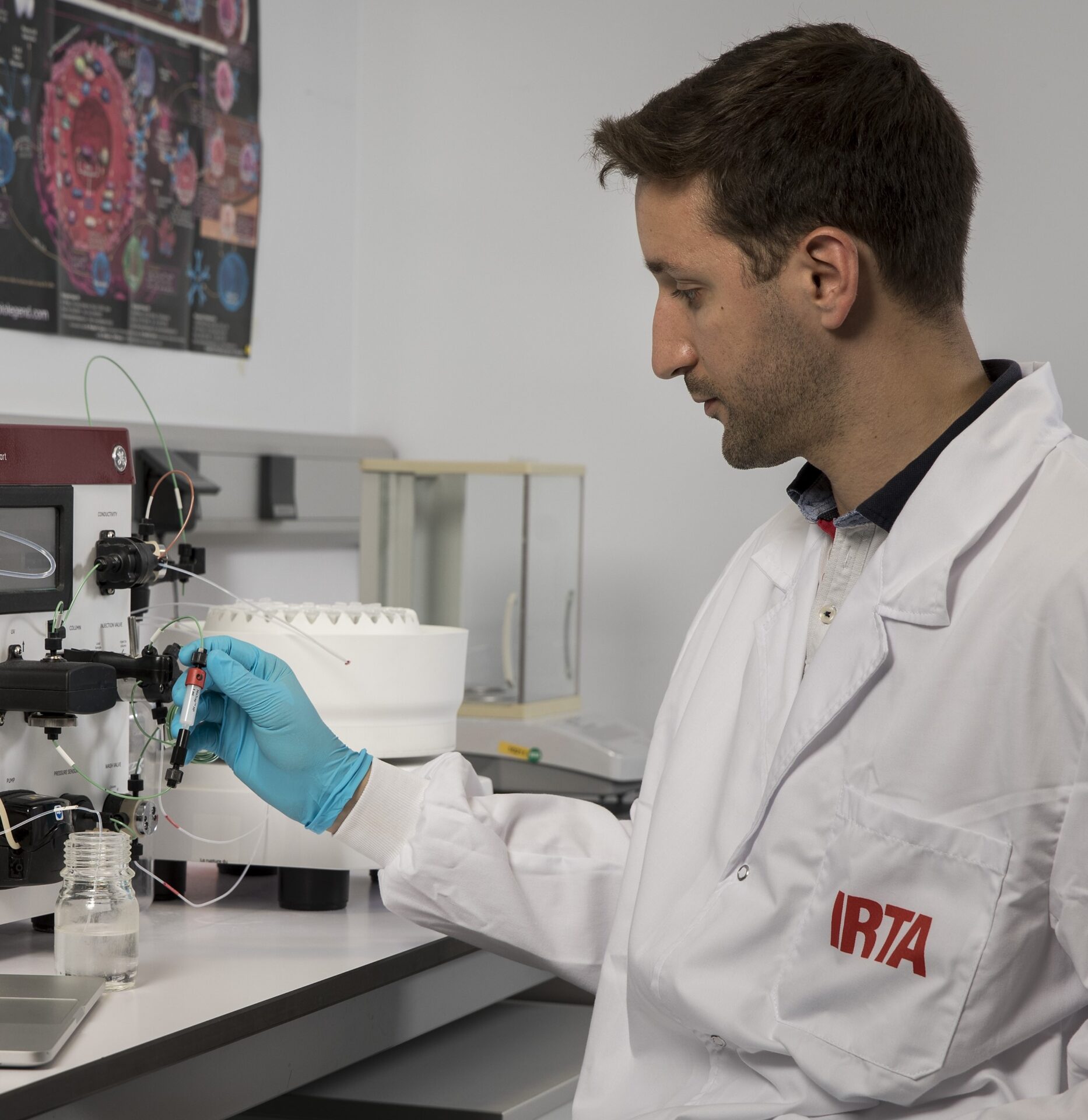
We are helping to discover new medicines.
This is the case with so-called antimicrobial peptides, which quickly and effectively control infections caused by a wide variety of microorganisms.
In the future, it will be crucial to find drugs with multiple targets—that is, drugs that attack bacteria in various ways, forcing them to undergo several changes in order to develop resistance.
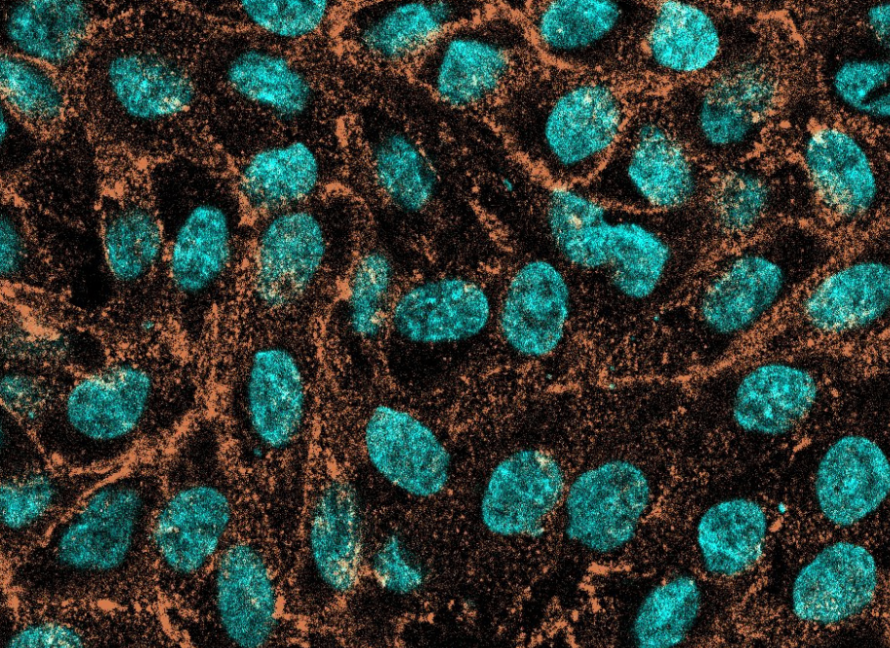
To carry out this research, we promote the use of organoids, which recreate miniature tissues and organs without the need for live animals.
To check whether they are having the expected effect.
For example, we analyse whether policies restricting the use of antibiotics are succeeding in reducing the emergence of resistance in pathogenic bacteria.
We do not carry out all this work alone: we do it in partnership with organisations, companies and public authorities, because we are convinced that working together and with generosity is the only way to respond to the great challenges of our times.
Start date: 01/09/2023
End date: 31/05/2027
Project Code: A4309_14230
Acronym: CoRes

Start date: 01/09/2023
End date: 31/08/2026
Project Code: A5146_14242
Acronym: BINARYDRUG
Start date: 06/02/2024
End date: 22/09/2026
Project Code: A5156_15531
Acronym: DIAGNOSTIQUEM
Start date: 01/01/2024
End date: 31/12/2027
Project Code: A4344_14277
Acronym: EU-JAMRAI 2
Start date: 01/01/2024
End date: 31/12/2026
Project Code: A4340_14739
Acronym: SOA8 OO1-Action 4 Pathog. surveill. & AM profile
Start date: 01/09/2022
End date: 31/08/2026
Project Code: A4283_12799
Acronym: FAECAL-PHAGE
Start date: 01/01/2024
End date: 31/12/2026
Project Code: A4341_14748
Acronym: SOA19 OO7-Action2 New Antimicrobial Compounds
Start date: 01/09/2024
End date: 31/12/2027
Project Code: A1099_15417
Acronym: METAPIGSEL
Start date: 01/01/2024
End date: 30/09/2027
Project Code: A1095_14740
Acronym: SOA16 OO5-Action 4. Animal resilience
Start date: 01/09/2024
End date: 31/12/2027
Project Code: A4349_15414
Acronym: MapEx
Start date: 01/01/2024
End date: 30/09/2027
Project Code: A4339_14737
Acronym: SOA18 OO7-Action1 Interact. pathog-host microbiome
Start date: 01/07/2019
End date: 30/06/2024
Project Code: V4205_8147
Acronym: LIFE SPOT
Start date: 01/09/2024
End date: 31/12/2027
Project Code: A2626_15428
Acronym: LonGilt
Start date: 01/09/2024
End date: 30/04/2026
Project Code: A2631
Acronym: ALTEMO
Start date: 01/09/2024
End date: 31/12/2027
Project Code: A2627_15429
Acronym: ThriveUpPigs
Start date: 01/09/2022
End date: 30/06/2026
Project Code: A6030_12810
Acronym: PIGHAVIOUR
Start date: 01/07/2021
End date: 30/06/2026
Project Code: A4262_10107
Acronym: DECIDE_Fase2
Start date: 01/01/2025
End date: 31/12/2026
Project Code: A4360_17619
Acronym: Diagn_poliserositis
We support the agri-food sector in its meaningful digital transformation
We work with the territory to improve water management
We study how to improve the health of Catalan agricultural soils
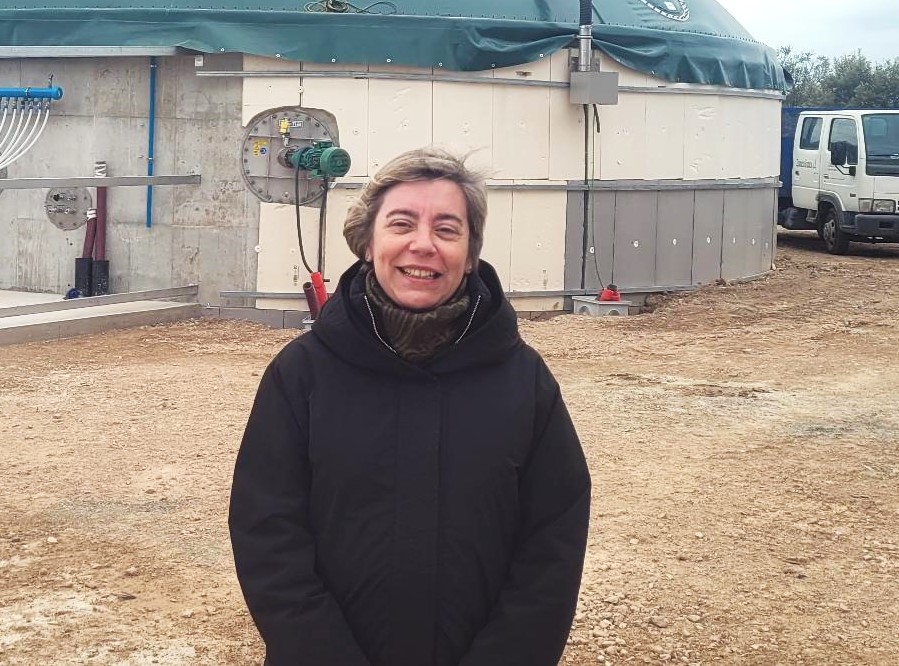
We promote the bioeconomy to reduce the sector’s environmental impact
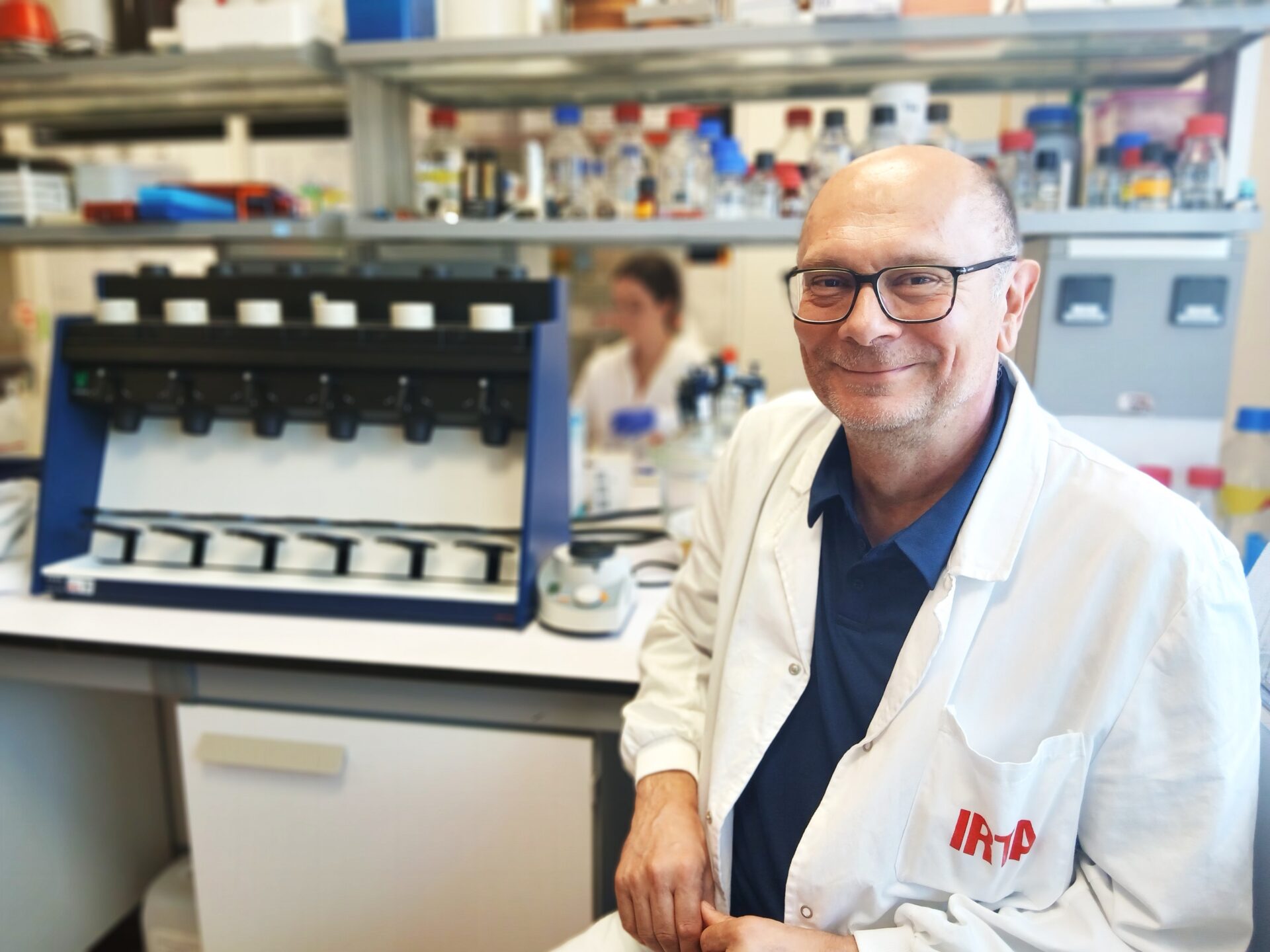
We explore how to boost protein alternative sources in Catalonia
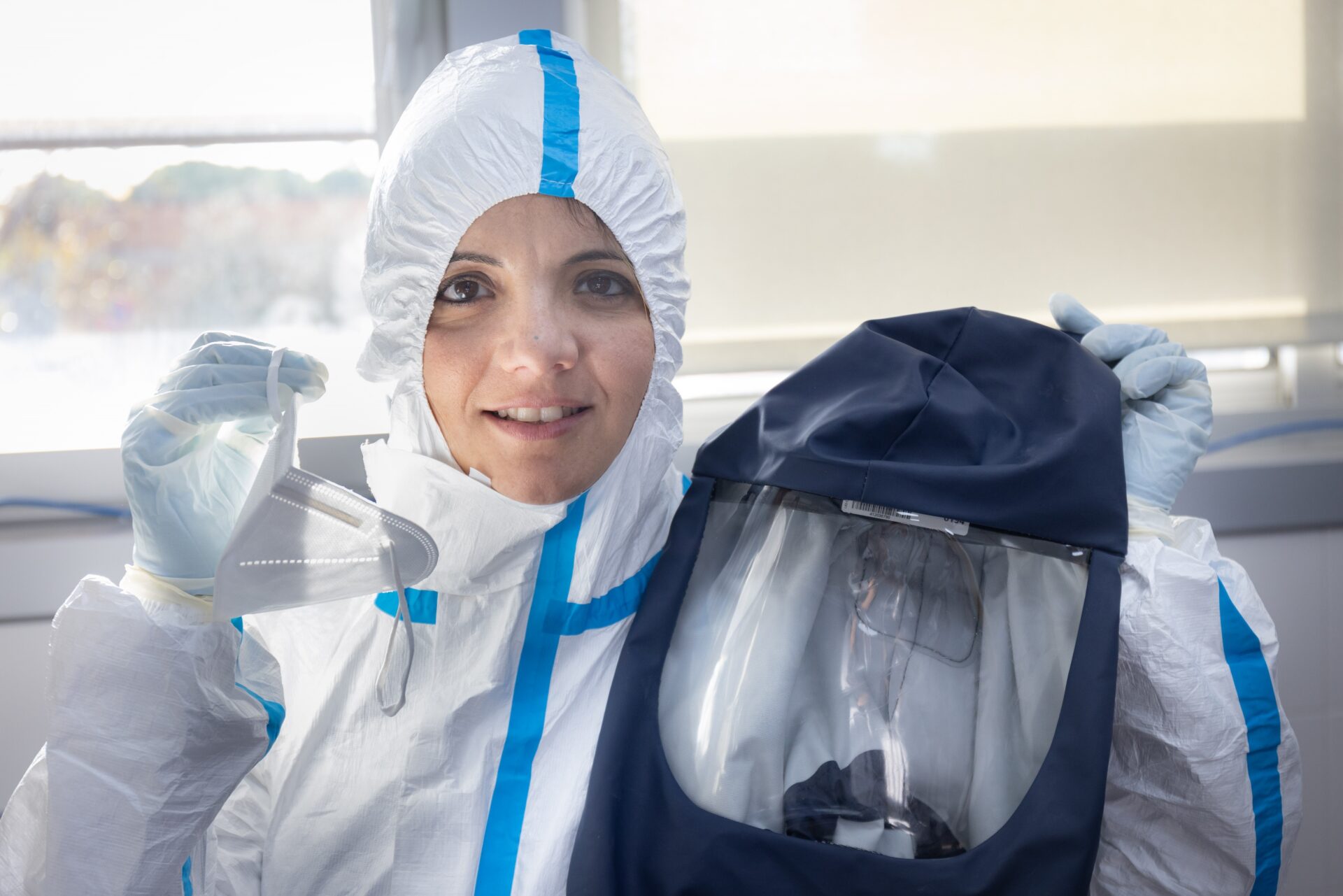
We are preparing to tackle new pests and diseases
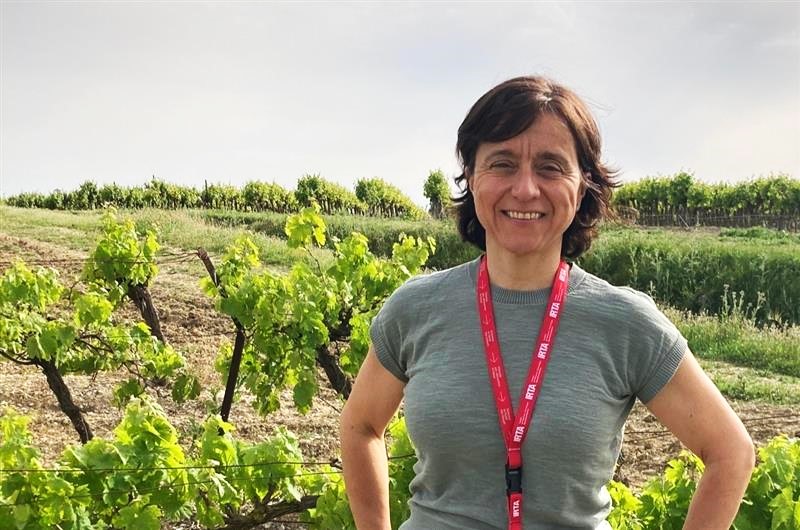
We work to strengthen the resilience of the Catalan wine sector

