
We work with the territory to improve water management



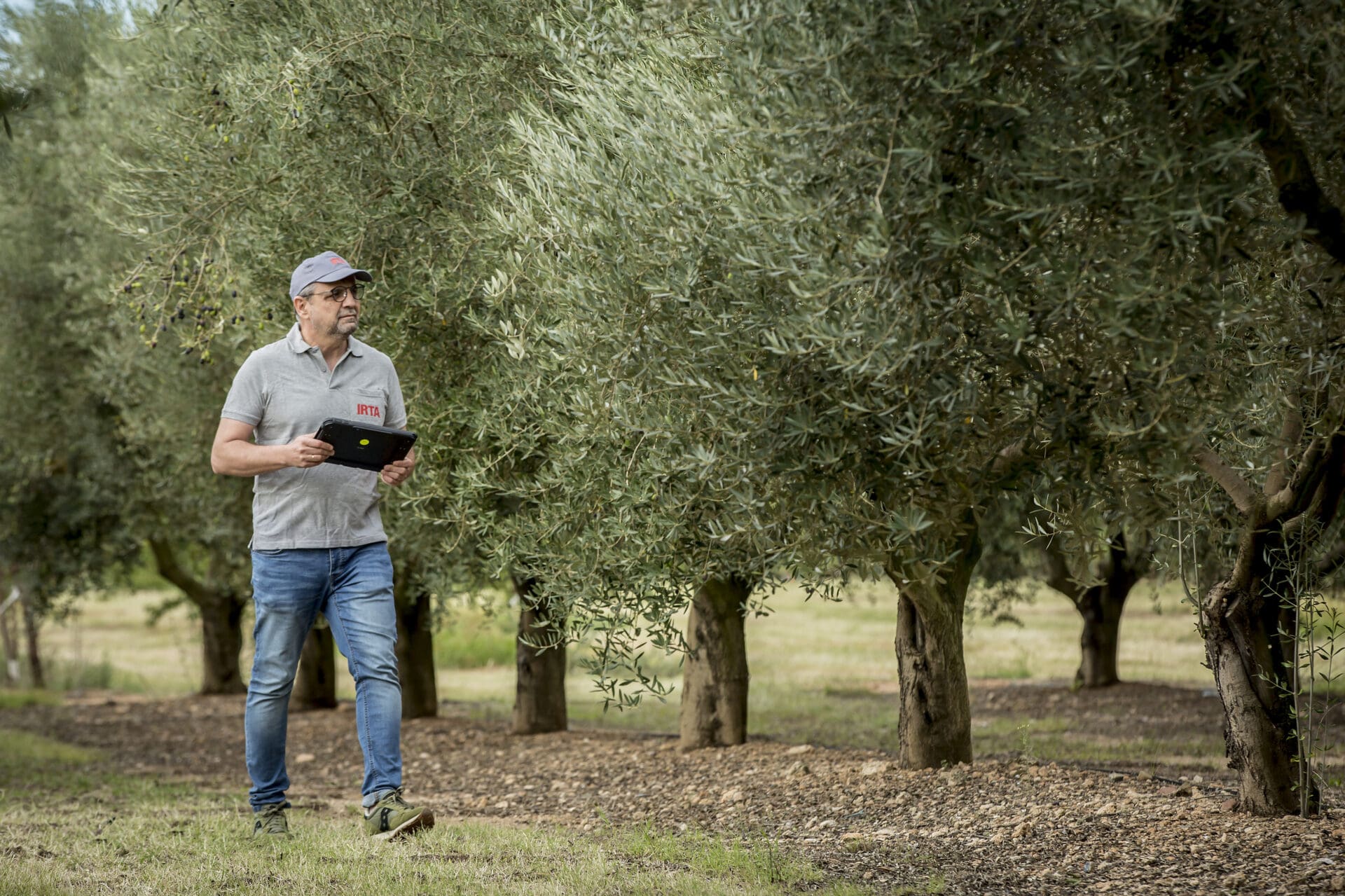
How can new digital technologies help the agri-food sector?
How can we use them to contribute to sustainability and resilience?
Can they provide an opportunity to facilitate generational renewal?
The Catalan agri-food sector must undergo digitalisation with the aim of becoming more environmentally, socially and economically sustainable. We can be agents of change, not mere spectators.
Artificial intelligence, sensor technology, robotics and Industry 5.0 are rapidly changing our lives.
In the case of agriculture, livestock farming, aquaculture and the agri-food industry, digitalisation represents a revolution on a par with mechanisation or the introduction of plant protection products and fertilisers.
At IRTA, we want the Catalan agri-food sector to be a leading player in this digital revolution. We want new technologies to help it transform itself to become more sustainable:
Economically: We want digitalisation to contribute to the prosperity of producers and the industry in the face of major global challenges, such as climate change or geopolitical tensions.

Environmentally: We want new technologies to be an ally in mitigating or reversing the environmental impact of the agri-food sector.

Socially: We want all of this to encourage new generations to join this sector, which is essential for the preservation of the rural world as the foundation of food self-sufficiency.
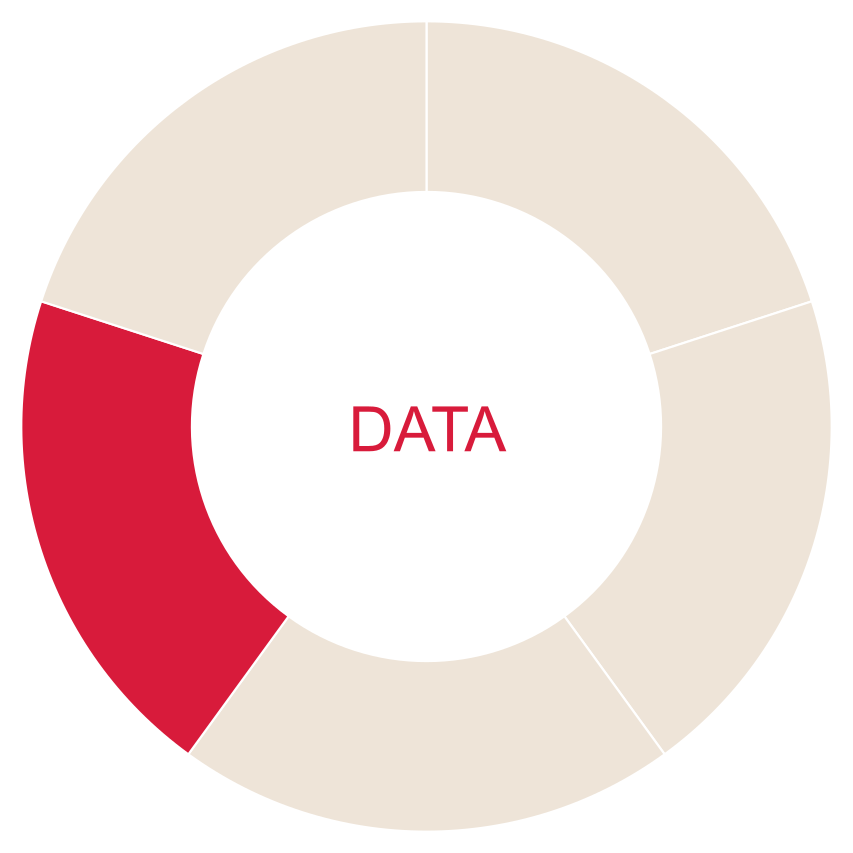
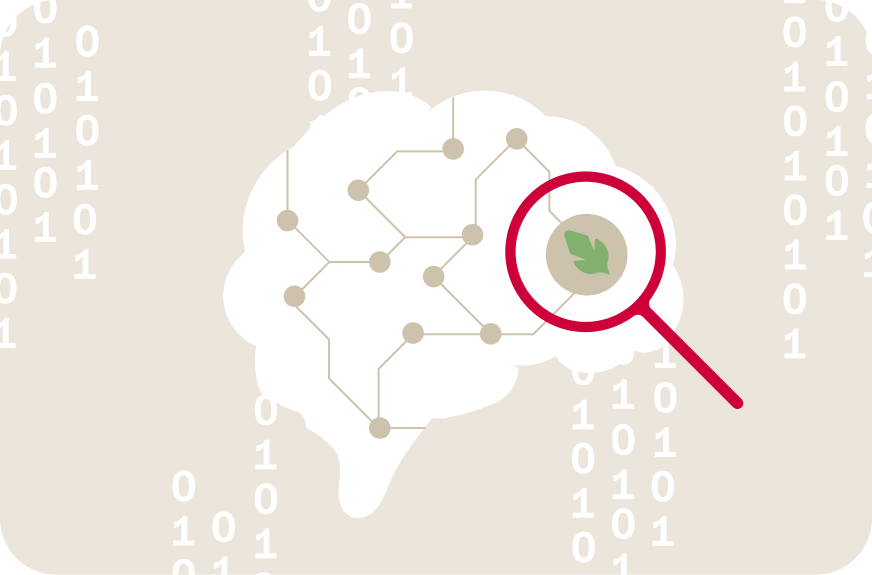
We structure our work around the so-called data cycle:
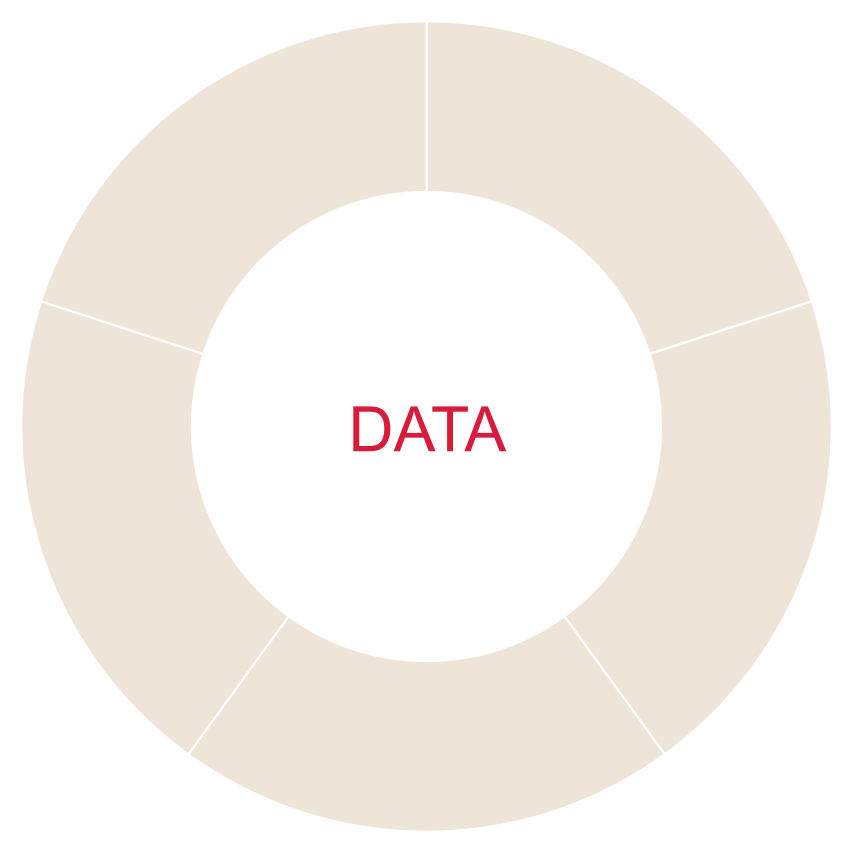
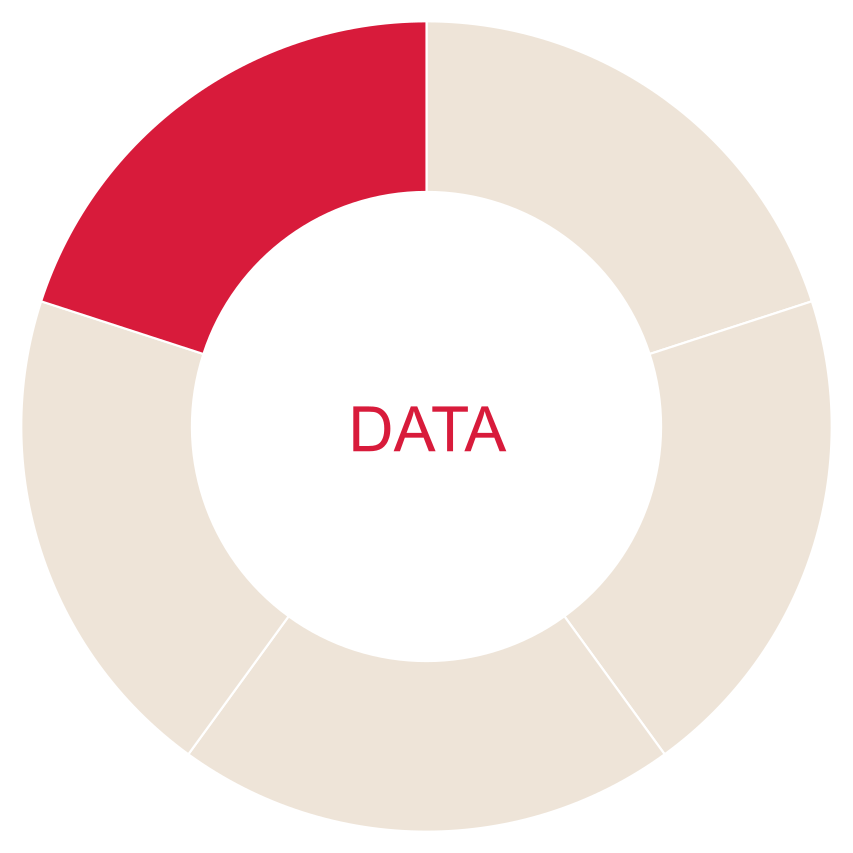
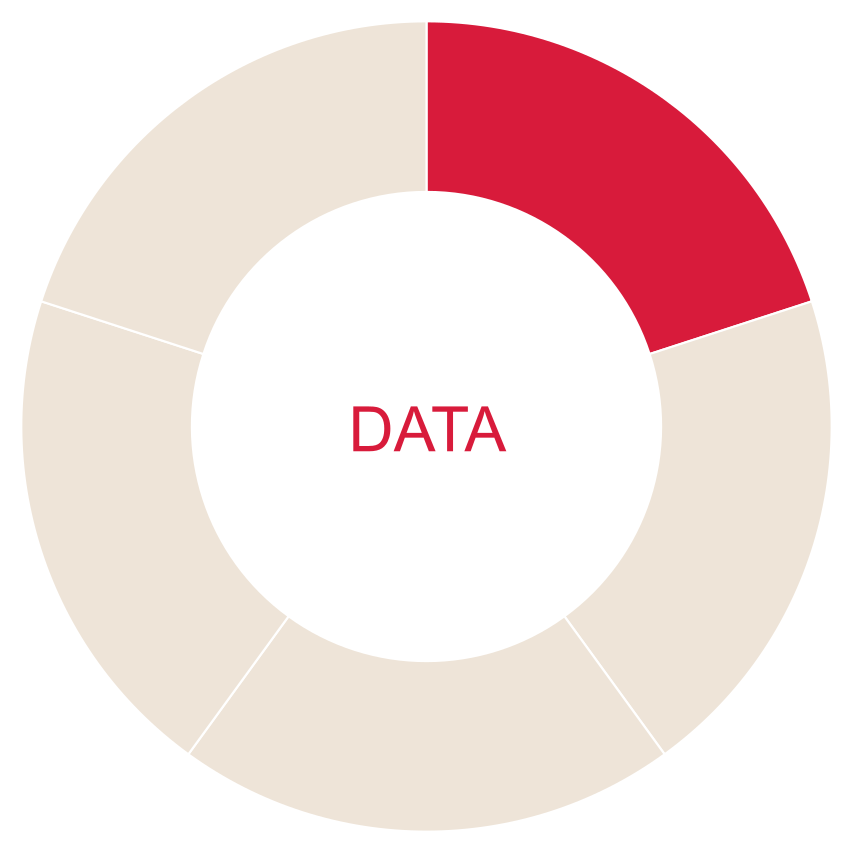
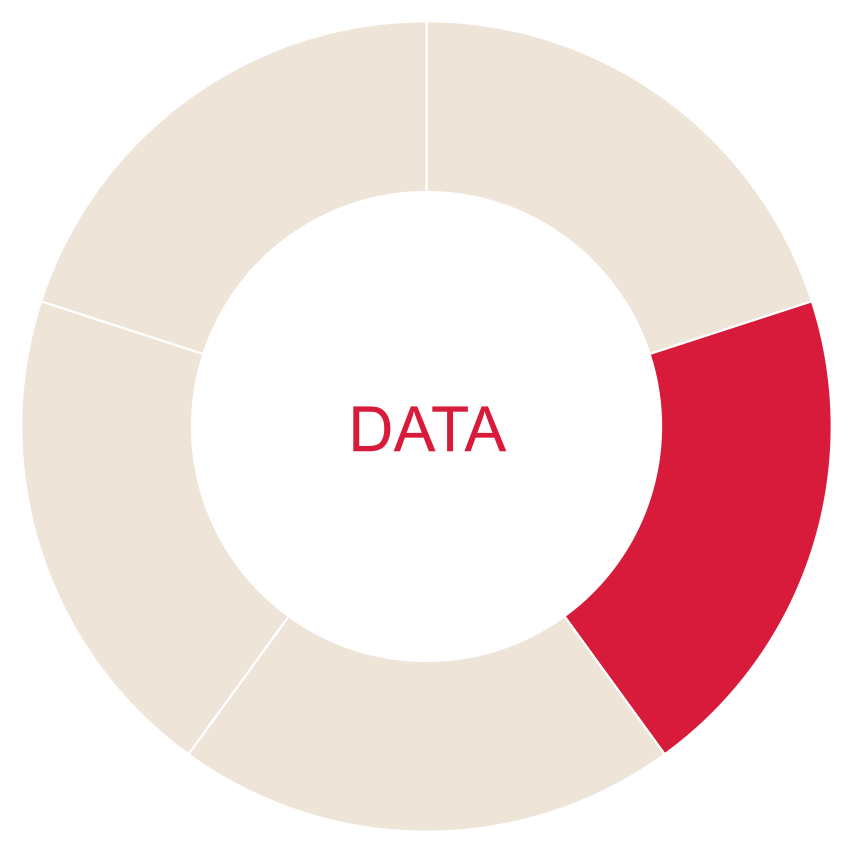
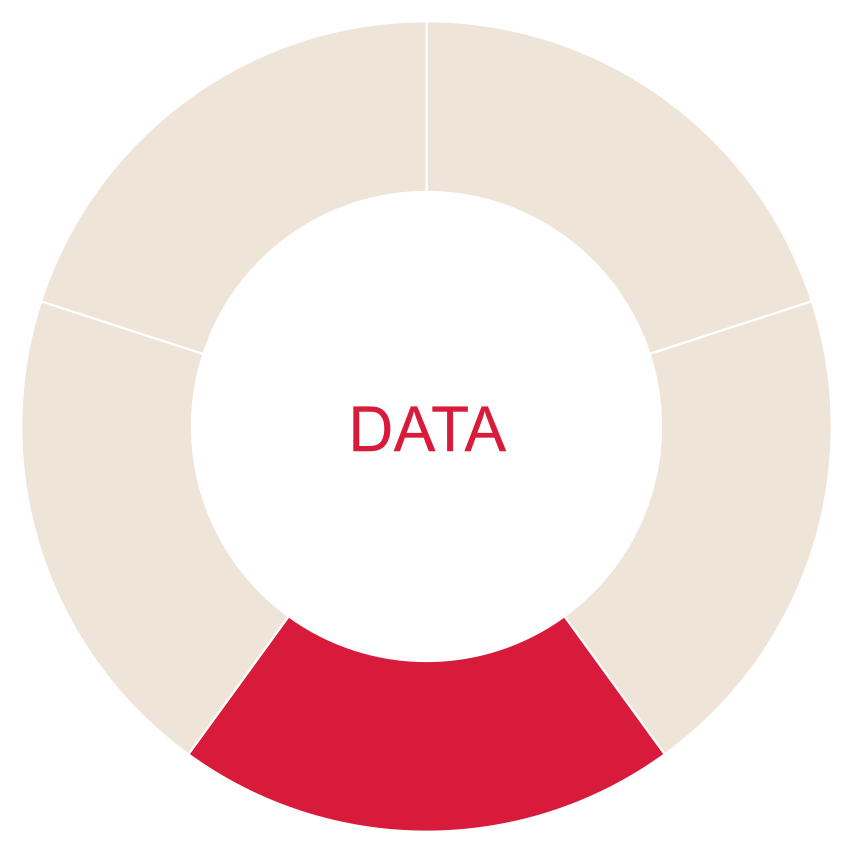
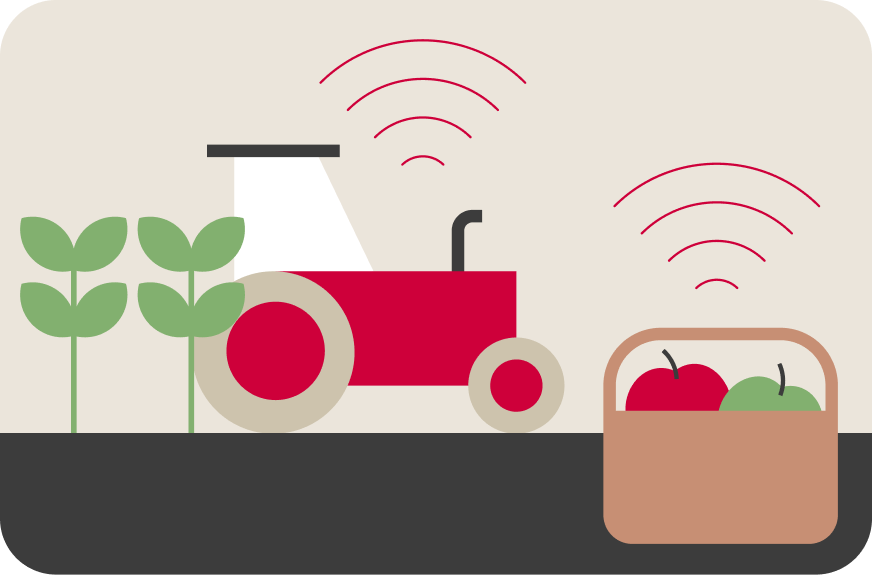
Some examples of their applications:
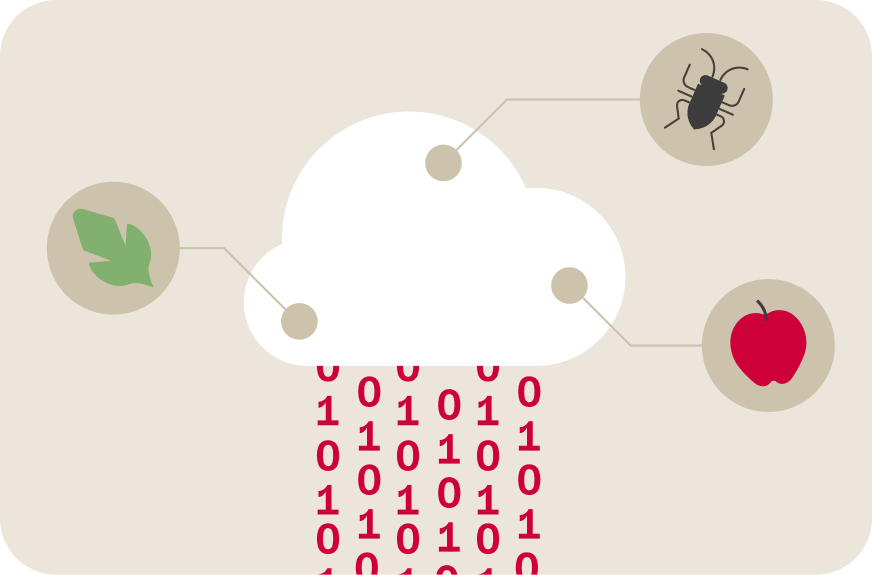
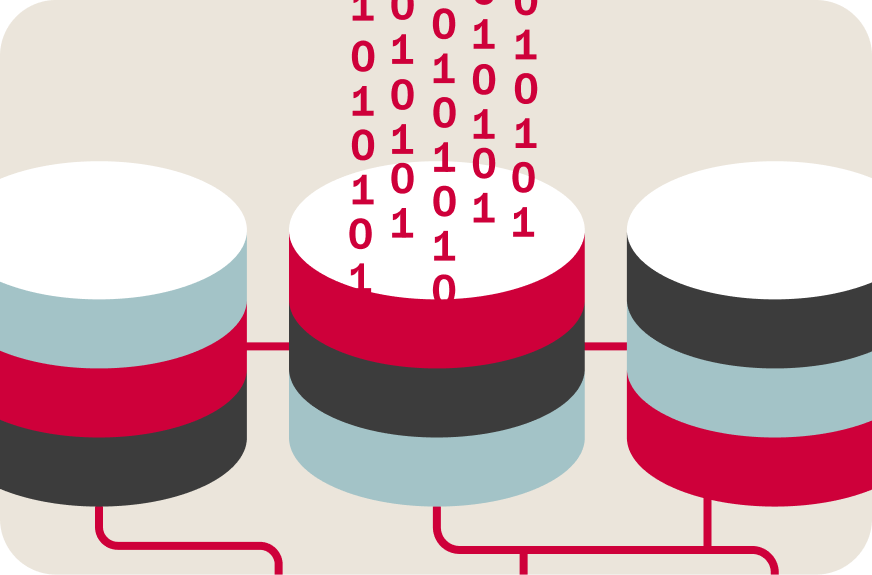
This offers a wide range of possibilities:
We want to make all these possibilities available to the sector and make the most of them.
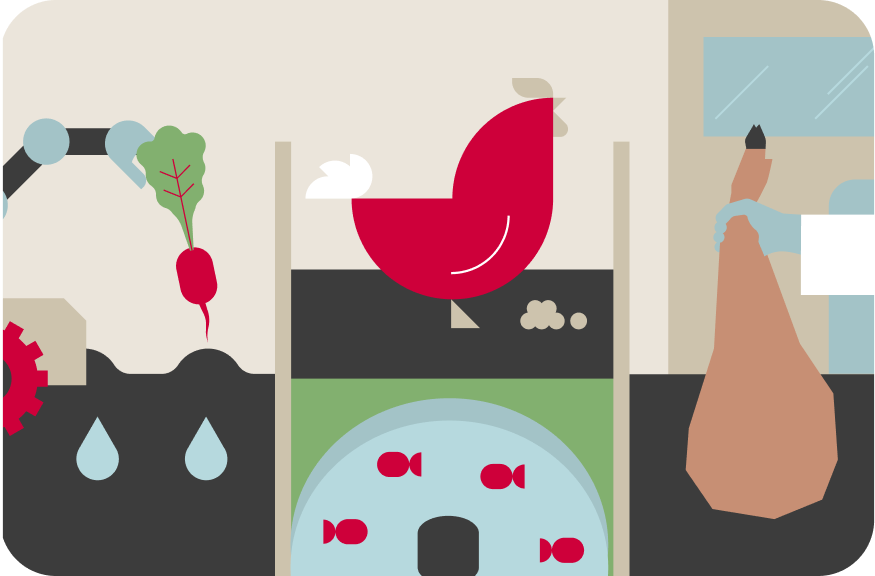
Making decisions based on the data we have collected and analysed enables us to be more precise and to adapt management strategies to the variability of crops, livestock or products. For example, we can:
At IRTA, we aim to understand what technologies our agri-food sector needs at every stage of the data cycle and to provide accurate information so that every producer and every industry can make the most appropriate decisions with the focus on sustainability.
Until 2027, we have decided to prioritise research and innovation in the following areas:
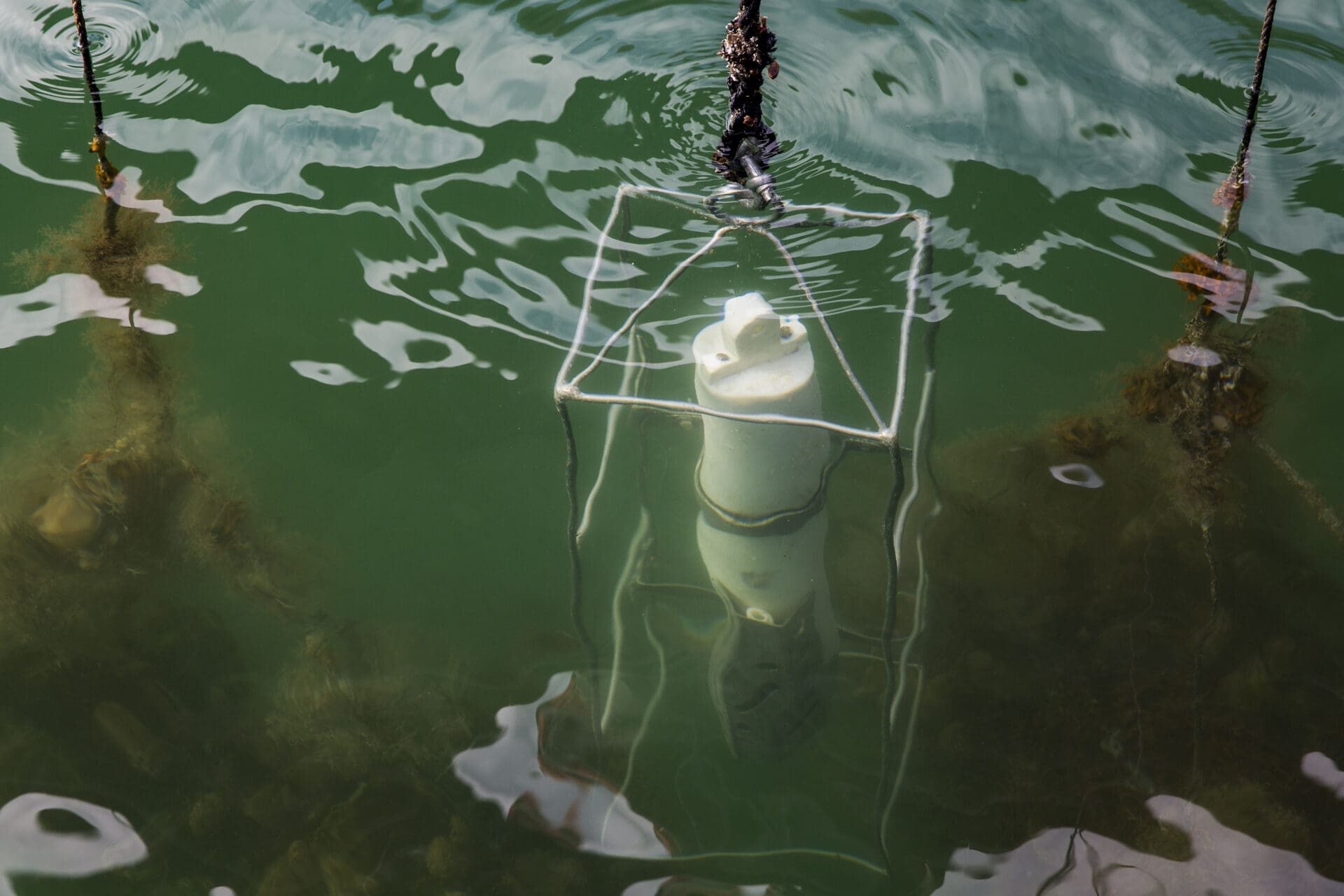
We have created spaces at IRTA centres where we can test and experiment with new digital technologies.
We conduct our own research in these spaces, and they are also available to companies and organisations in the sector.

We are launching a cloud-based platform to provide data and services to businesses in the sector.
It will bring together all the research and innovation we are undertaking in the field of new technologies:
– Two tools to recommend new varieties of fruit and cereals suited to our climatic conditions, which obtain data from the sensors we have installed across three thousand plots in Catalonia
– A tool providing information and recommendations from IRTA professionals on the hundreds of digital products currently available on the market
– A tool to help producers determine the best time to remove fruit from cold stores
– A digital twin, or virtual replica, of apple orchards, which enables any explotation to be modelled and all its characteristics to be understood, allowing it to be managed with the utmost precision
– A tool for assessing the risks of crop pests and diseases
– A tool to predict the proliferation of toxic algae in mussel and bivalve farming
– And the BDporcdatabase, which we have been managing for decades, and which will also be incorporated into this platform
BDporc
We are committed to virtual replicas in our sector.
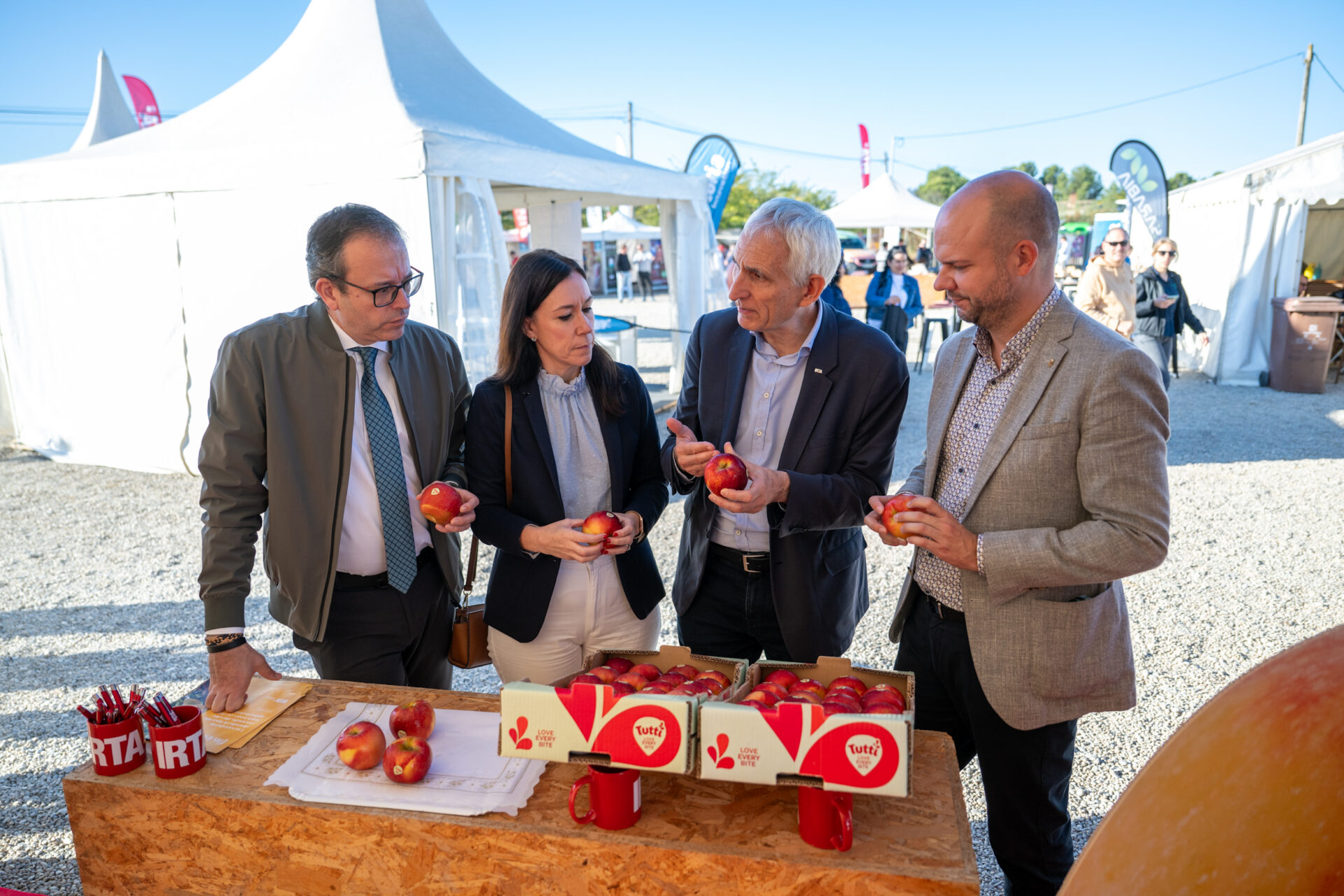
We will create a digital twin, or virtual replica, of apple orchards to learn how to manage them with the utmost precision.
We will also explore the potential of digital twins on pig farms and within the food industry.
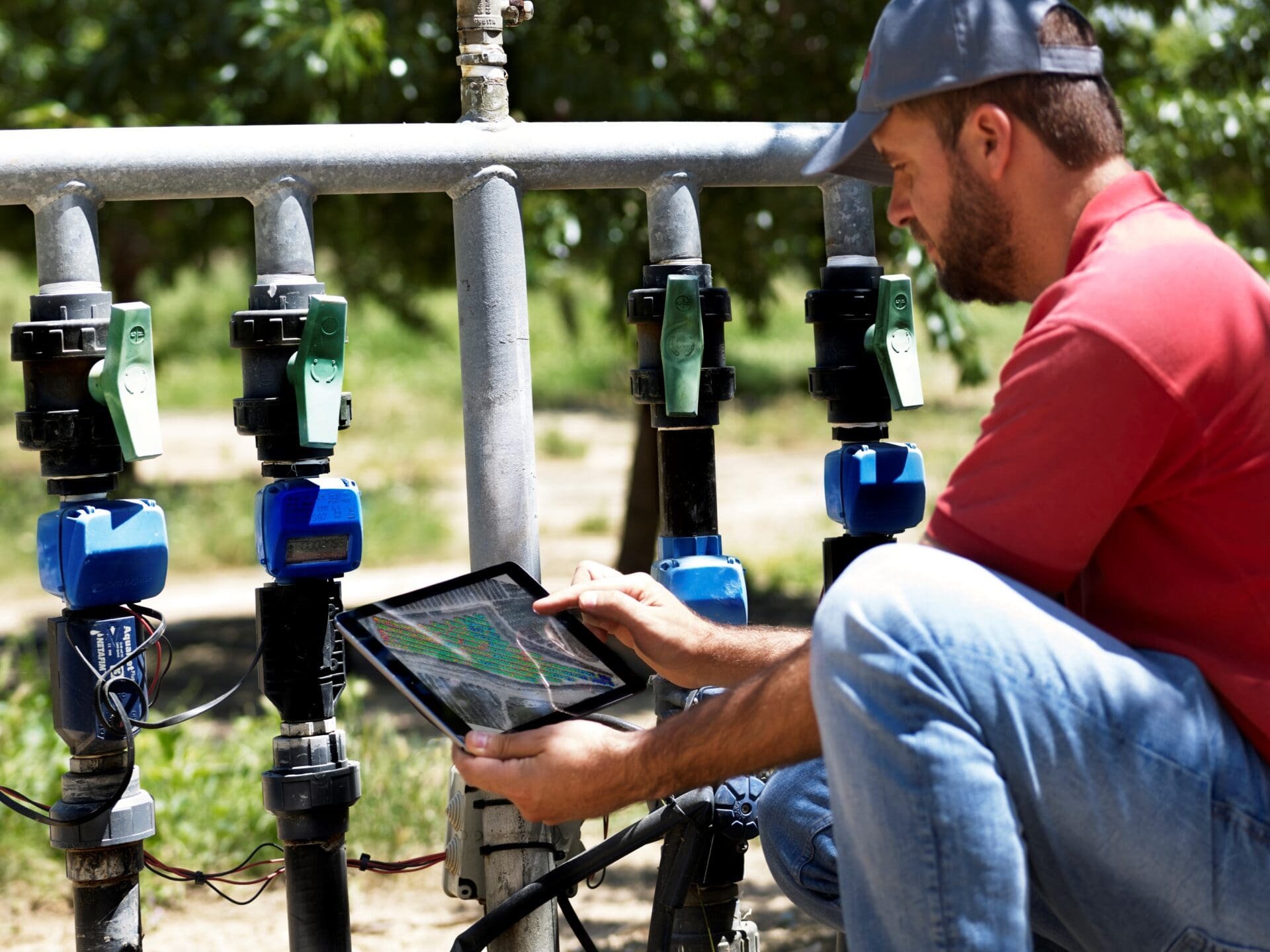
We are preparing to become experts.
With staff and infrastructure specialised in this field that is set to transform food systems.
And we are not doing this alone: we are doing it in partnership with organisations, companies and public authorities, because we are convinced that working together and with generosity is the only way to respond to the great challenges of our time.
Start date: 06/02/2024
End date: 22/09/2026
Project Code: V7049_15586
Acronym: FruitMeasureApp
Start date: 01/09/2025
End date: 31/08/2029
Project Code: V7067_16819
Acronym: YIELD4CAST
We work with the territory to improve water management
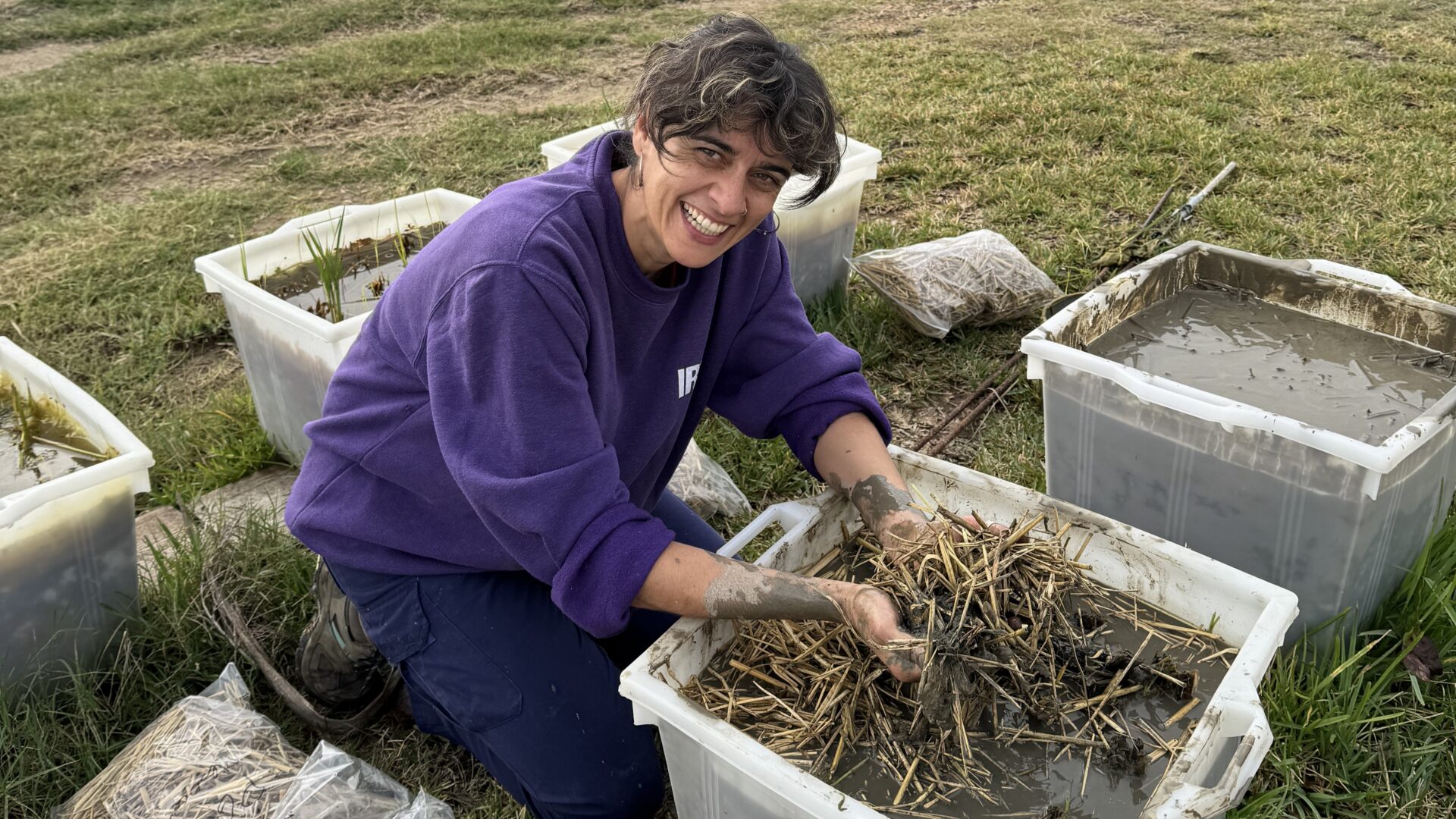
We study how to improve the health of Catalan agricultural soils
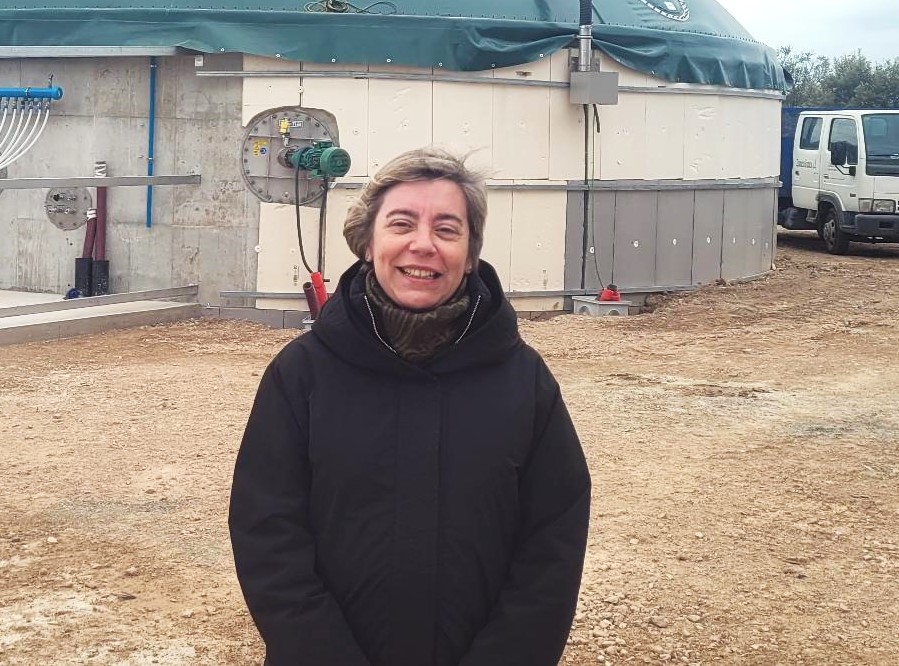
We promote the bioeconomy to reduce the sector’s environmental impact
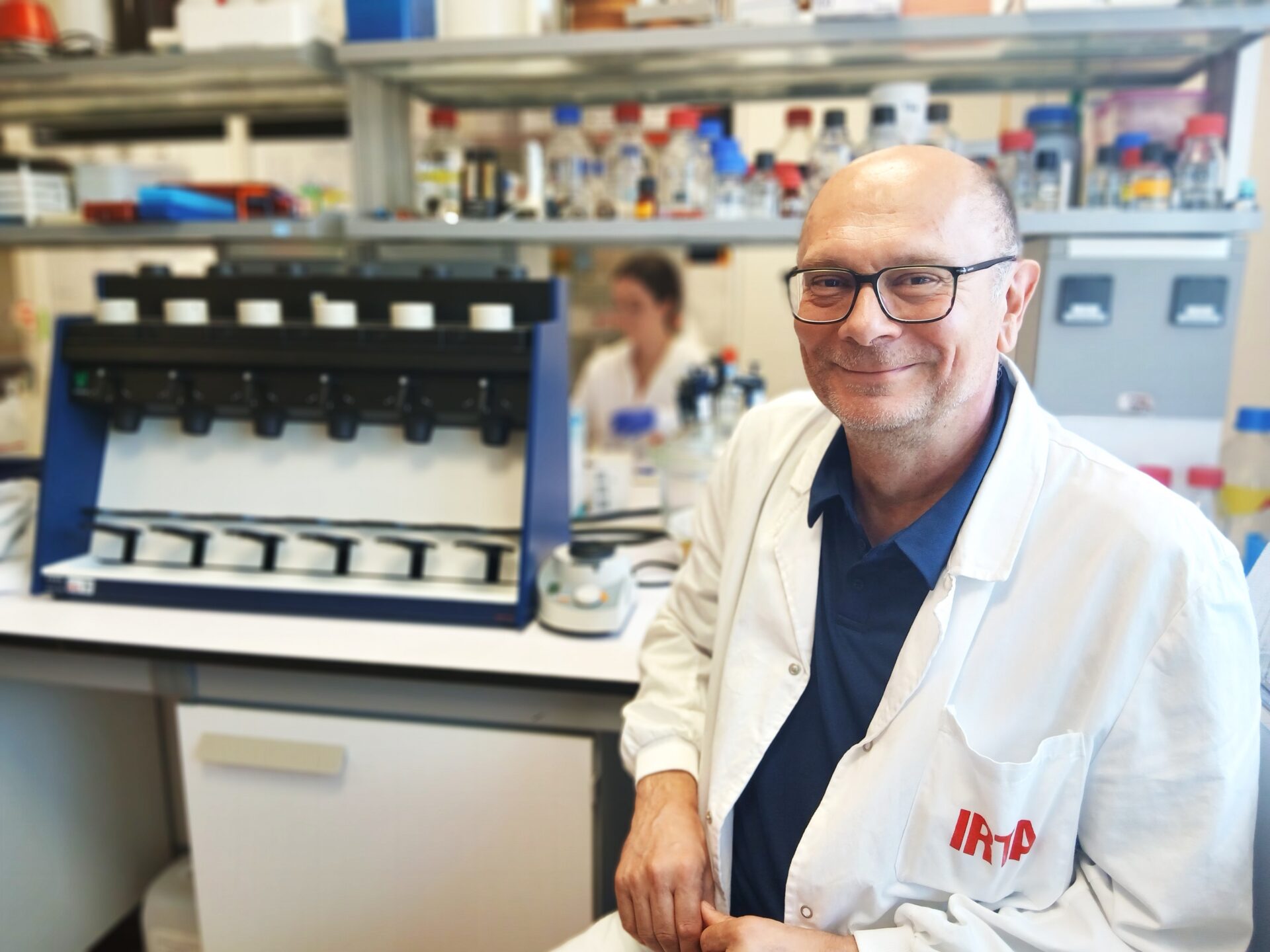
We explore how to boost protein alternative sources in Catalonia
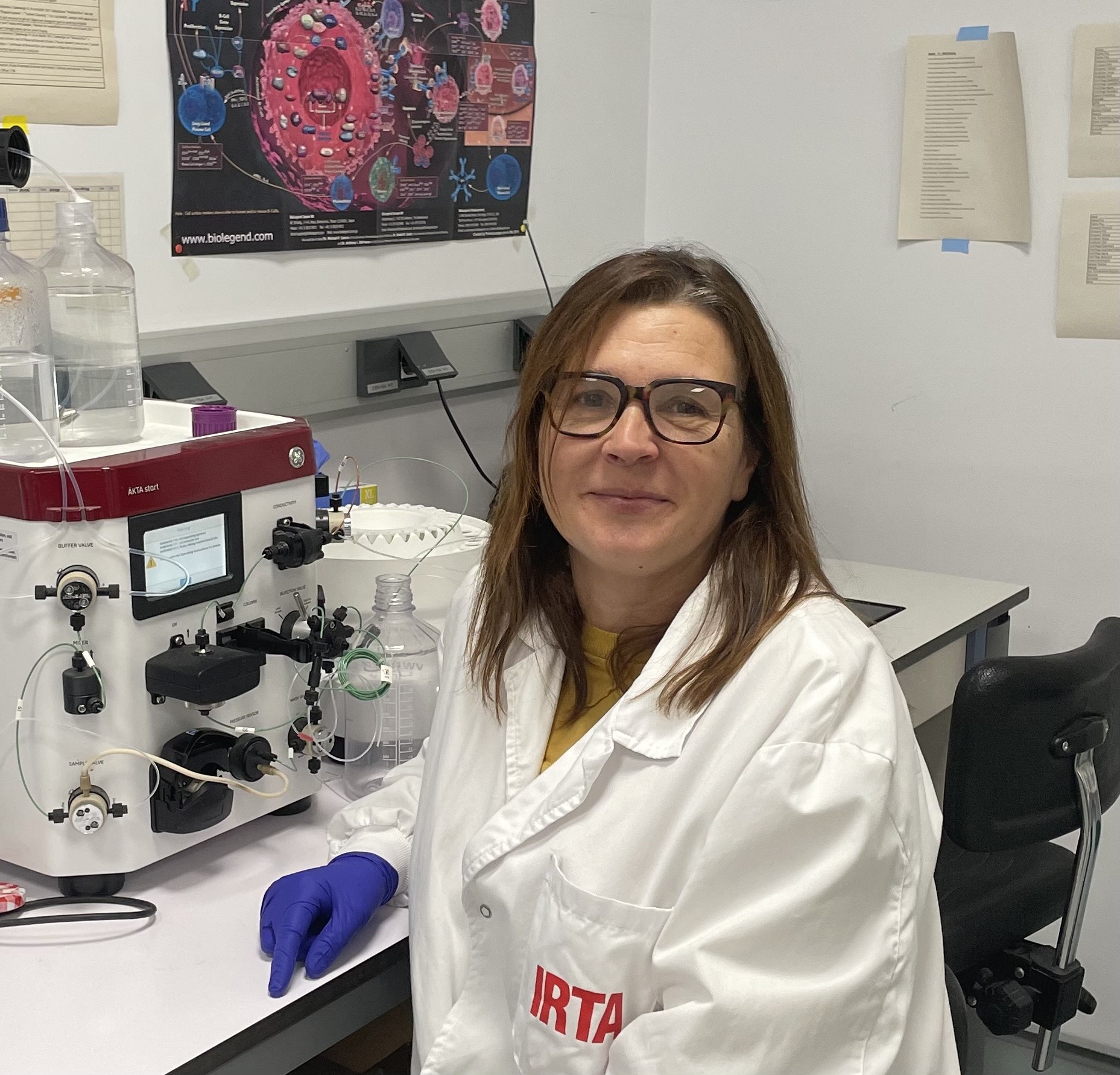
We want healthy, strong animals that rarely need antibiotics
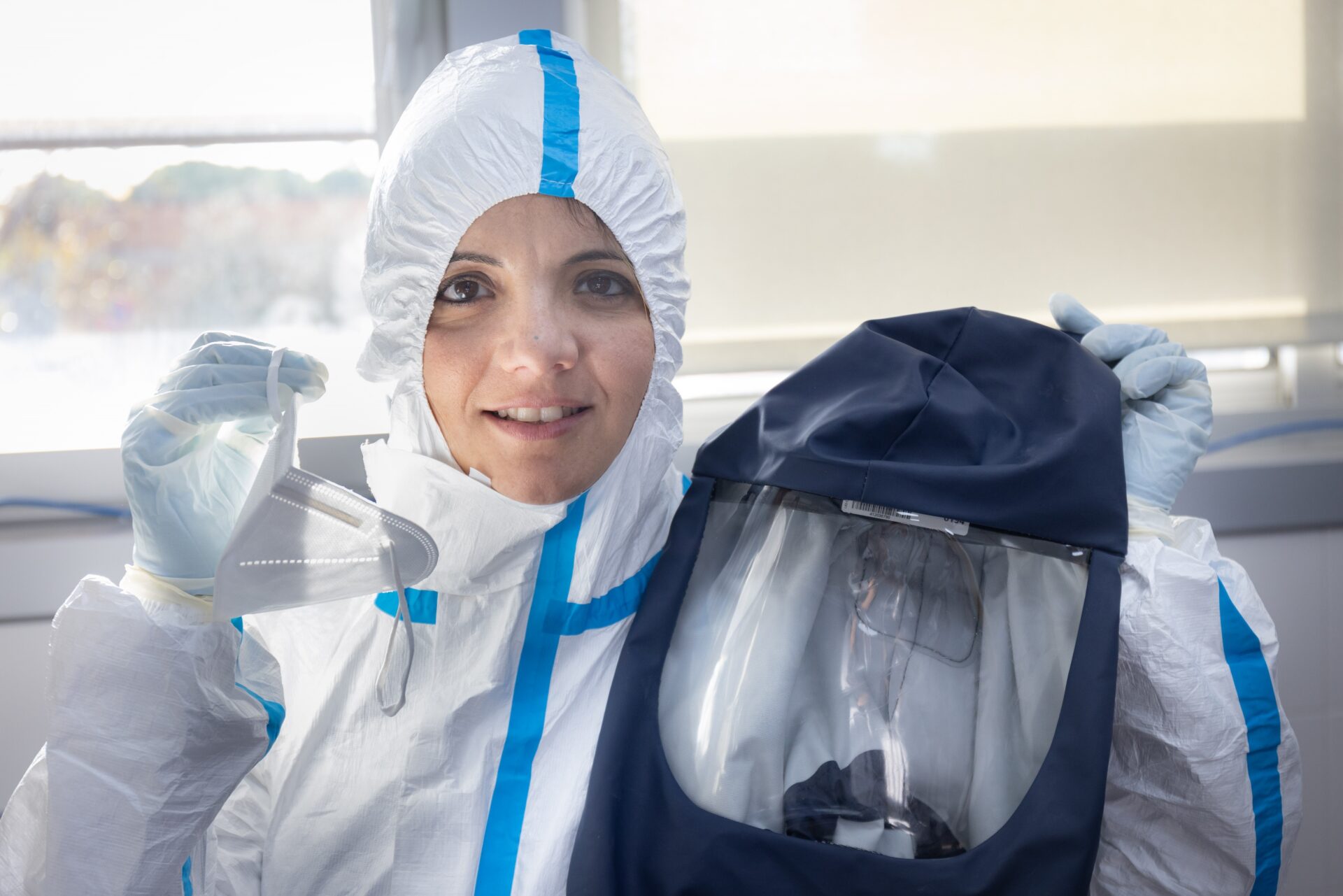
We are preparing to tackle new pests and diseases
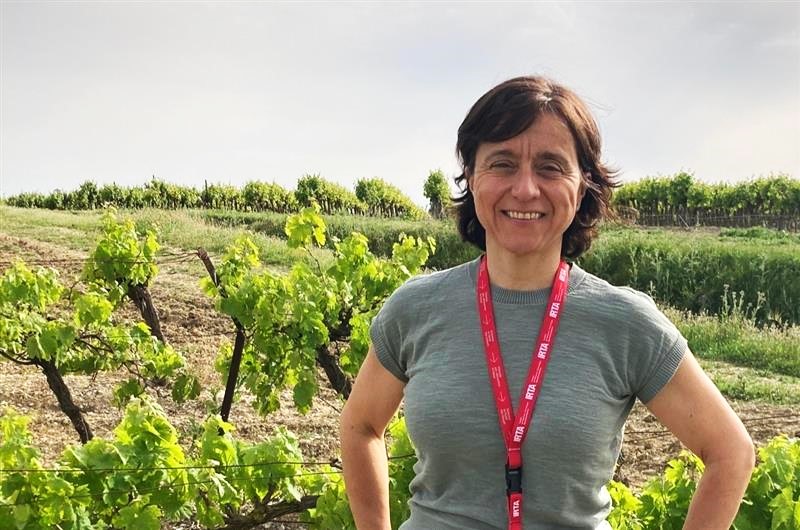
We work to strengthen the resilience of the Catalan wine sector

