
We support the agri-food sector in its meaningful digital transformation



How can we help the Catalan wine sector face the impacts of climate change?
How should vines and soils be managed to keep them healthy and optimise resource use?
Could solutions such as reclaimed wastewater be used to irrigate vineyards?
We aim for the Catalan wine sector to maintain its strength despite current challenges.

Catalonia has more than 50,000 hectares of vineyards, including twelve protected designations of origin, and its wines and cava are exported worldwide.
The wine sector is deeply embedded in Catalonia’s history, landscape, identity and economy. In some regions, viticulture is one of the main economic activities.

In recent years, climate change—combined with a lack of generational renewal and shifting consumption habits—has placed the sector under significant pressure.
Overall, rainfall has decreased, while episodes of sudden and torrential rain have increased. These events are less useful for crops and can damage plants and soils, resulting in significantly reduced water availability.
Moreover, many Catalan vineyards are traditionally rainfed, without irrigation systems and often without easy access to water, making them highly vulnerable to droughts and heatwaves.
Climate change is also bringing more frequent and sustained high temperatures, which, particularly at certain stages of the growing season, can lead to yield losses.
These changes also affect pests and diseases, altering their distribution and behaviour.

In response, our expertise in crop production, sustainability, and food quality and technology has led us to intensify our research efforts in viticulture under the current climate crisis.
Furthermore, the Wine Technology Centre (VITEC), located in the Priorat region, is being integrated into IRTA, strengthening our capacity for research and innovation to support the resilience of the wine sector.
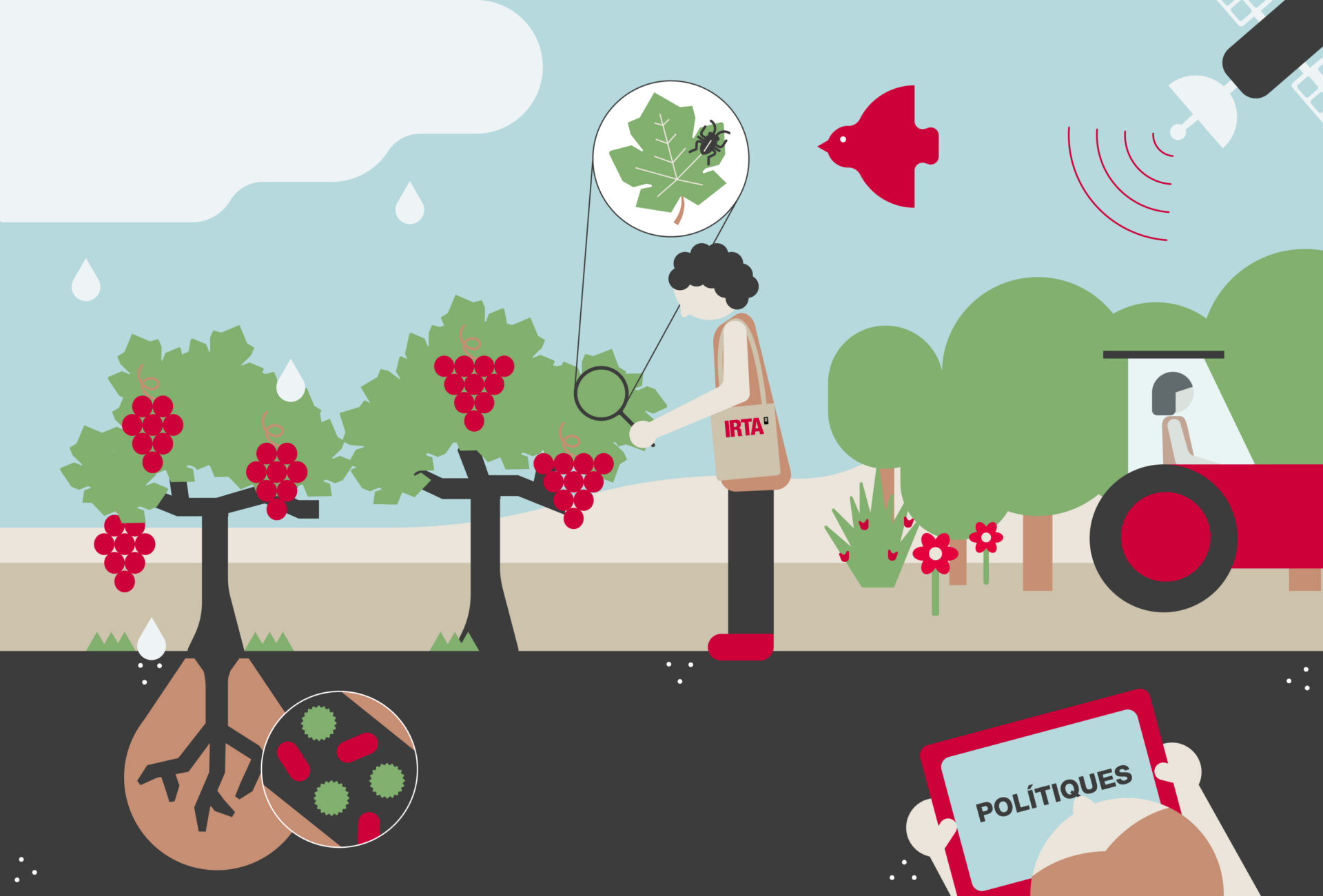
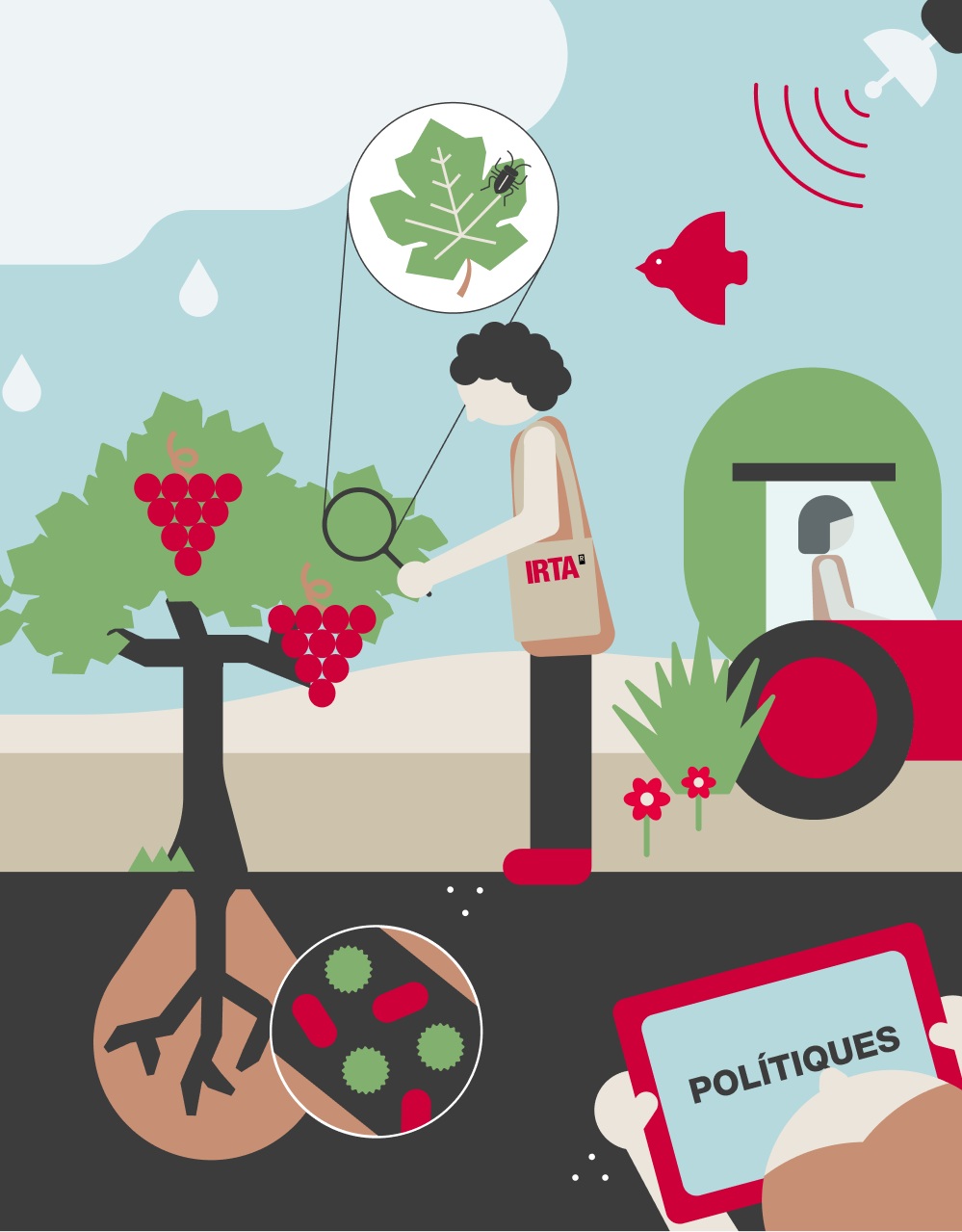
From this perspective, we research and innovate to:
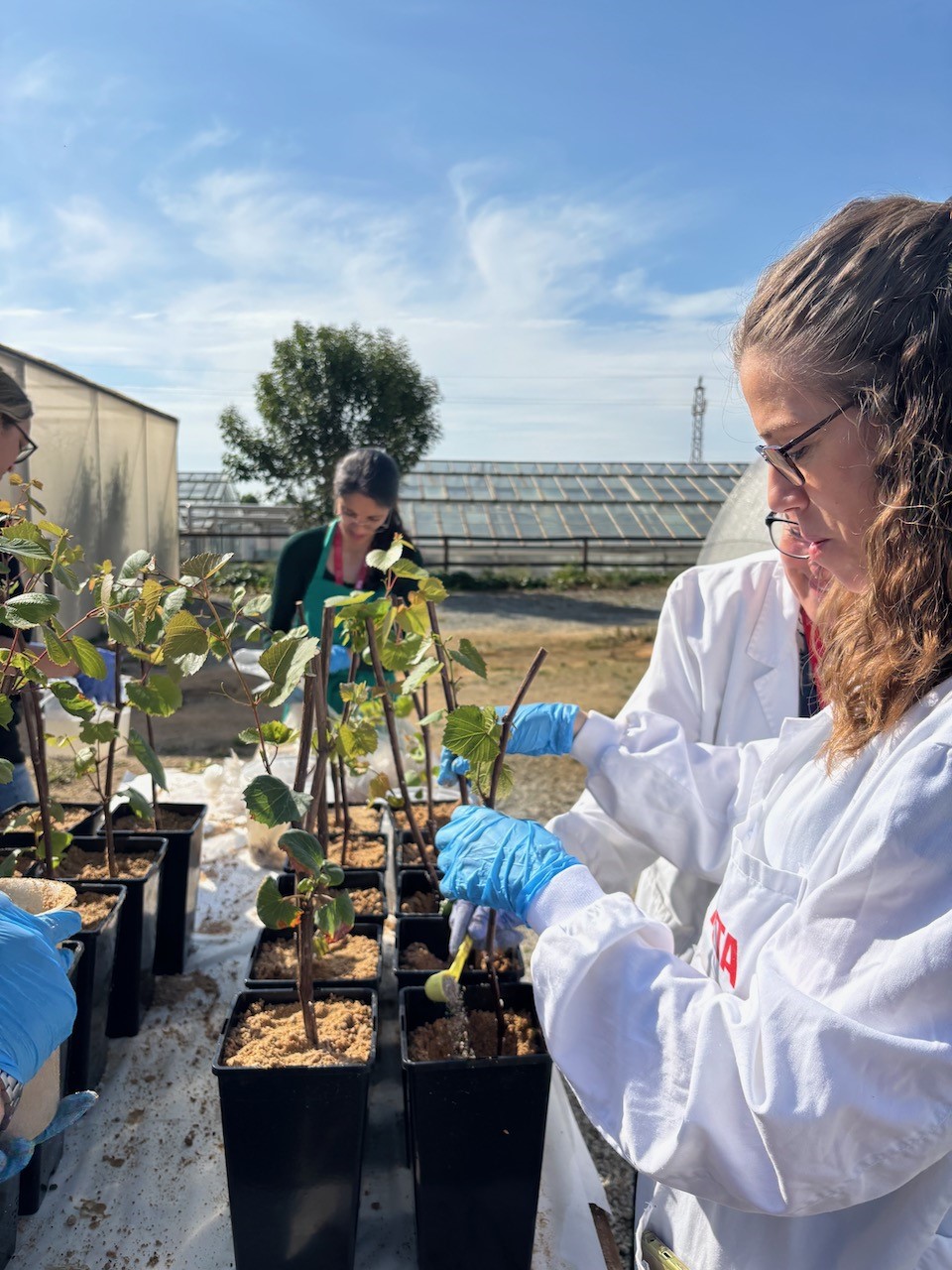
So that they can adapt to the new climatic conditions.
We explore different varieties, including traditional and wild ones, to identify those that are most resilient to the new climate scenario without compromising quality.
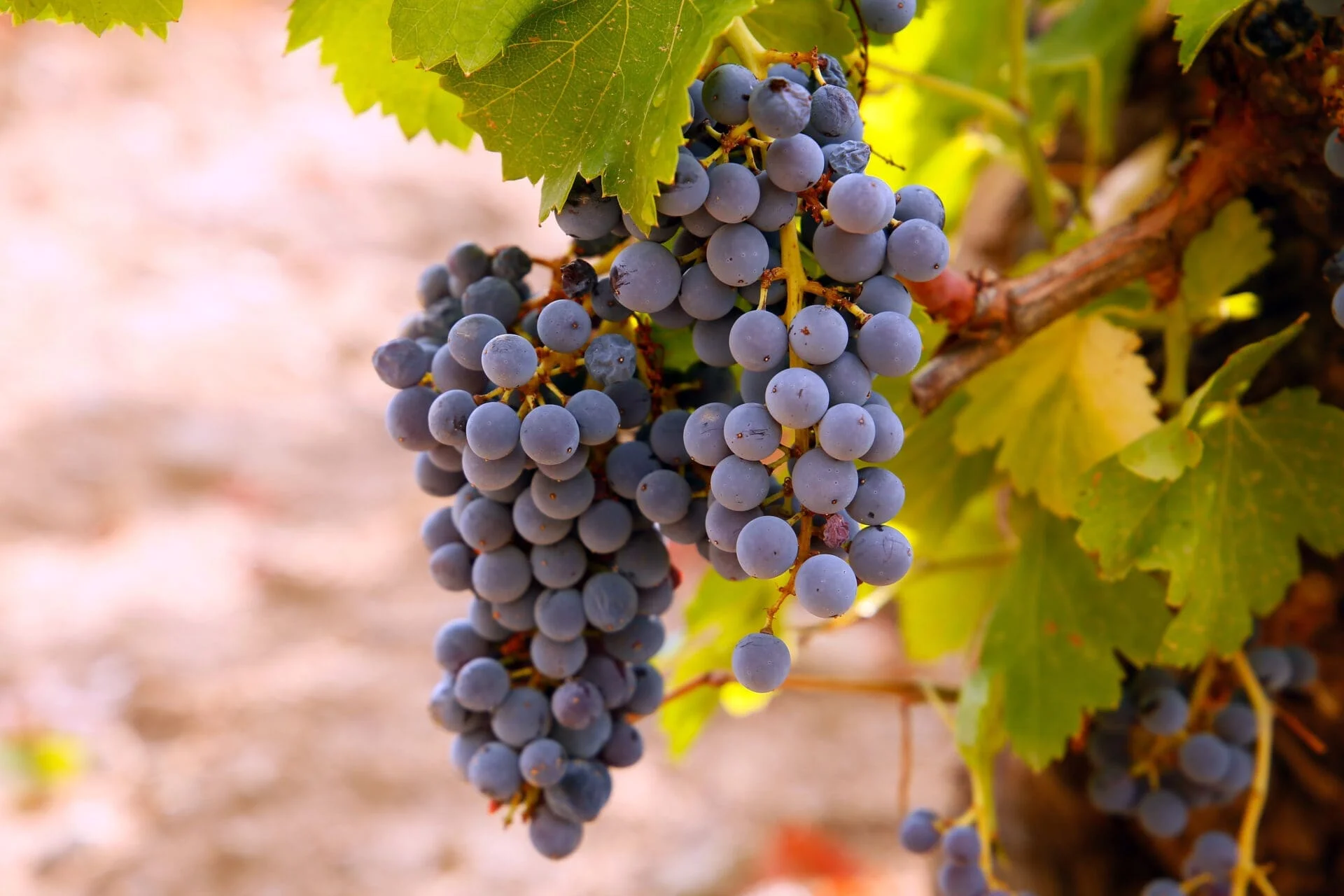
So that vines require less water, use it more efficiently, and can adapt to high temperatures.
Pruning timing and methods, canopy structure and management, and crop load management can be key to optimising water use and maximising grape quality.
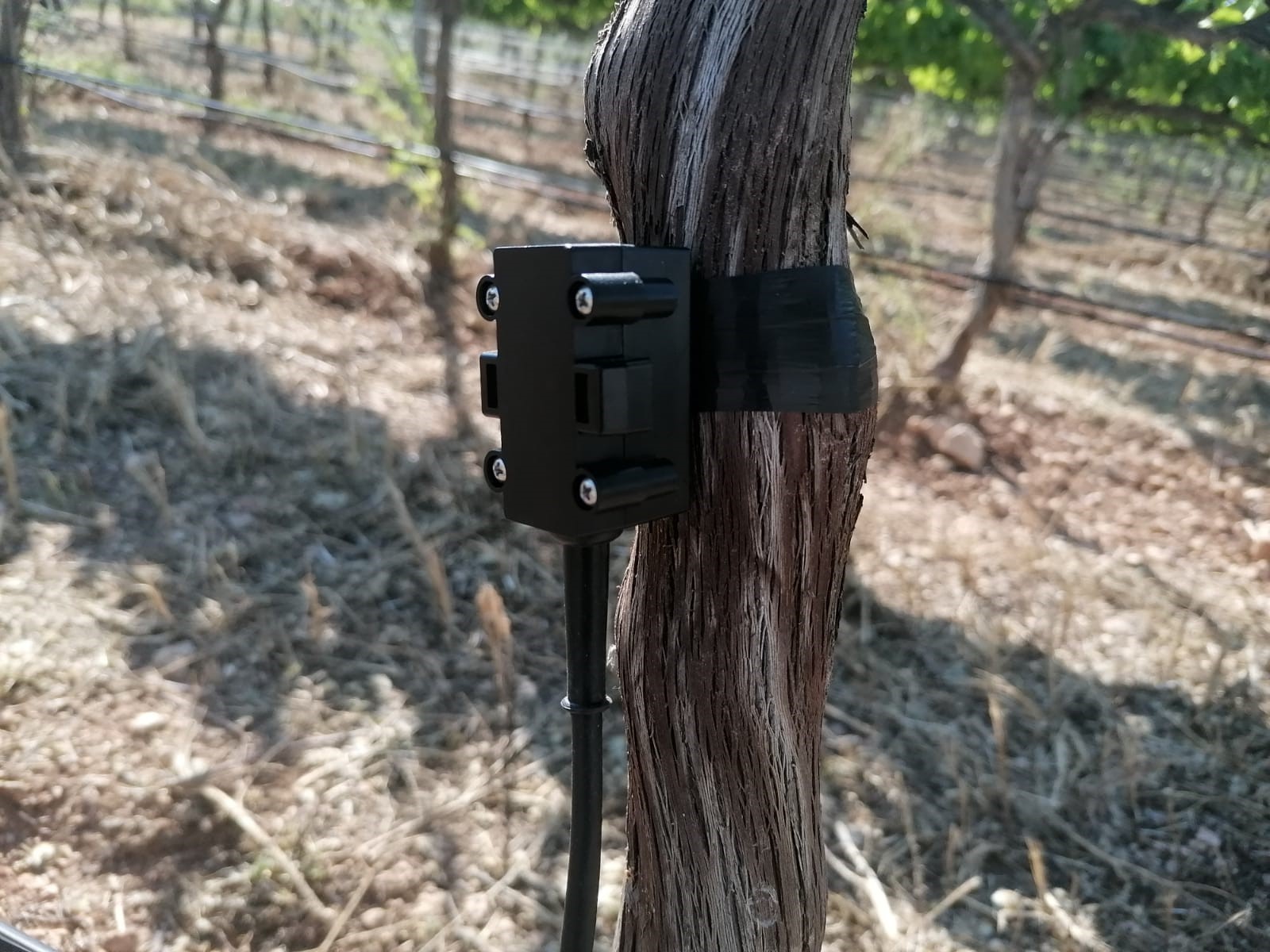
To use water as efficiently as possible.
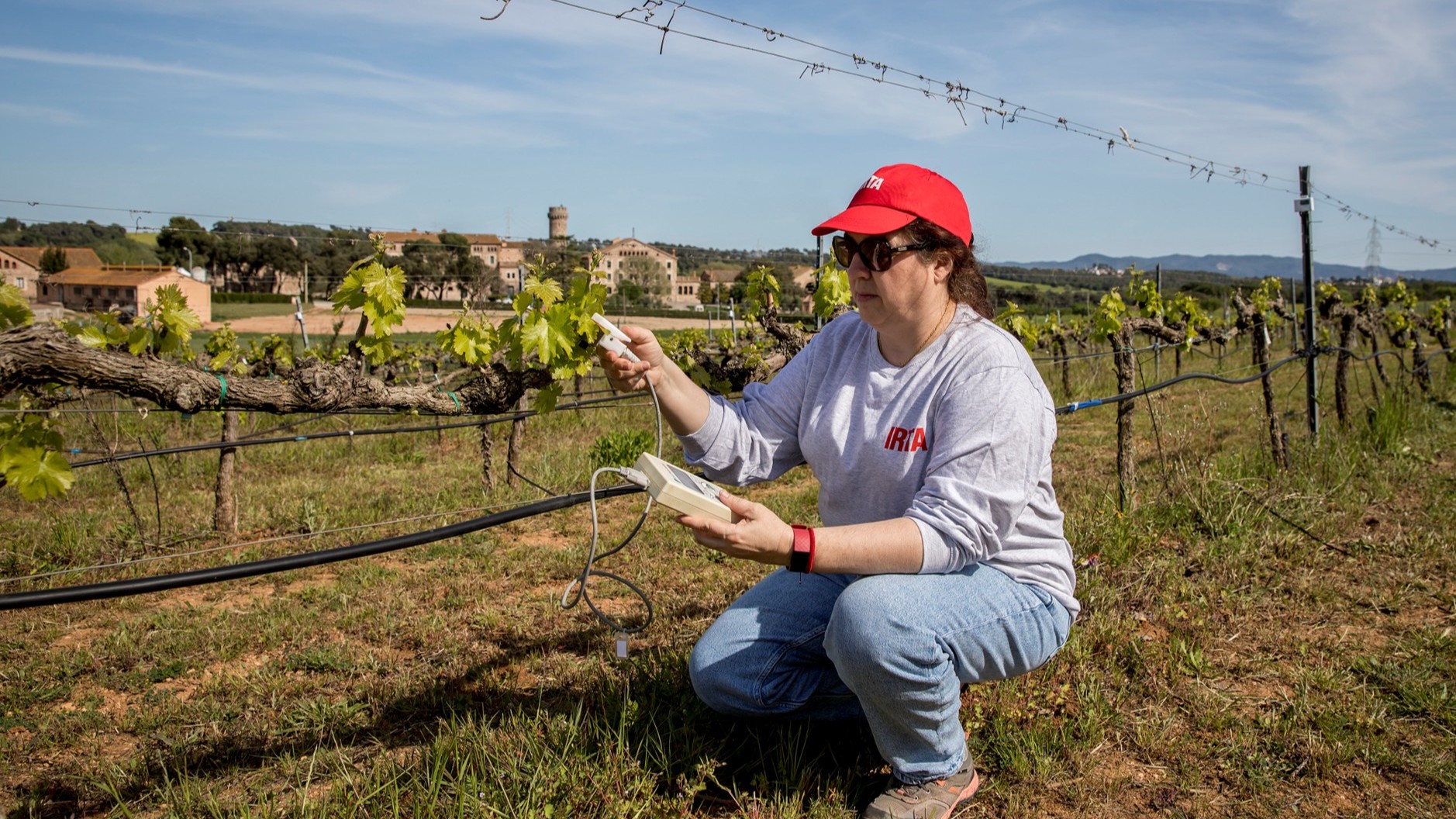
We study how to maximise irrigation efficiency where water is available, and assess the feasibility of solutions such as reclaimed water from wastewater treatment plants.
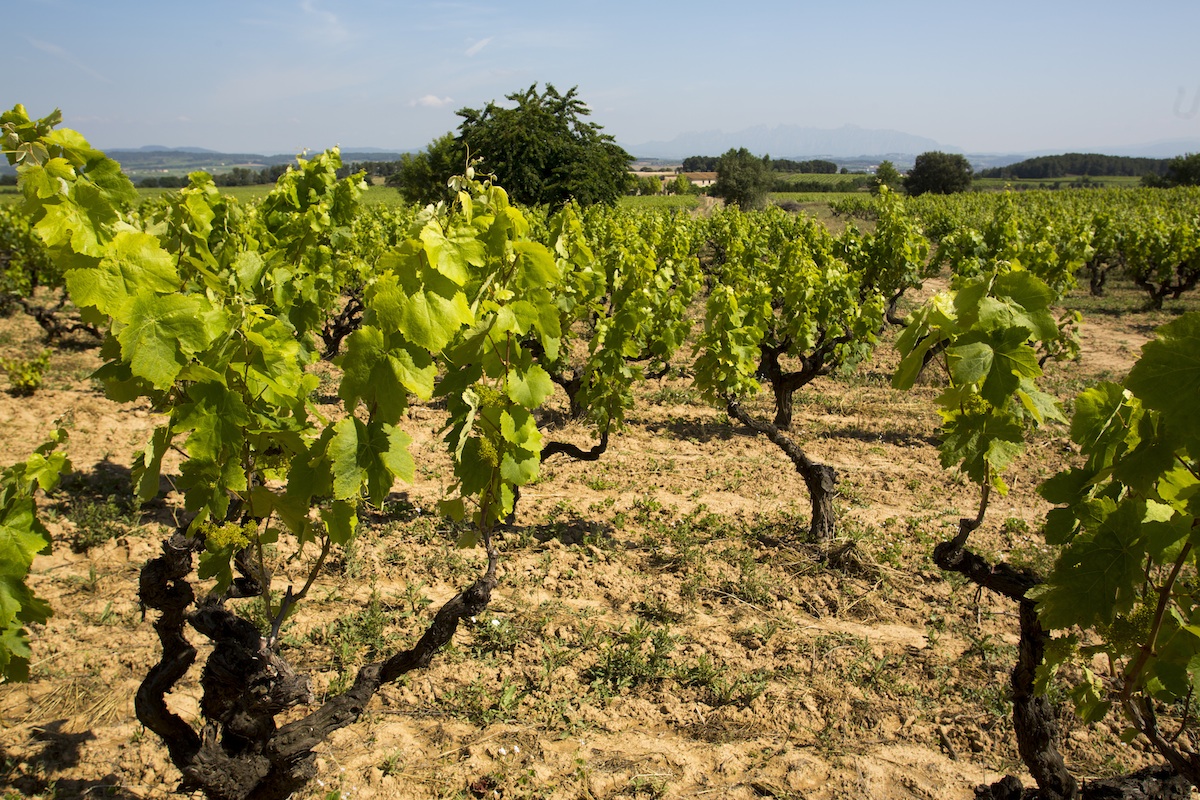
So that it retains more water and carbon.
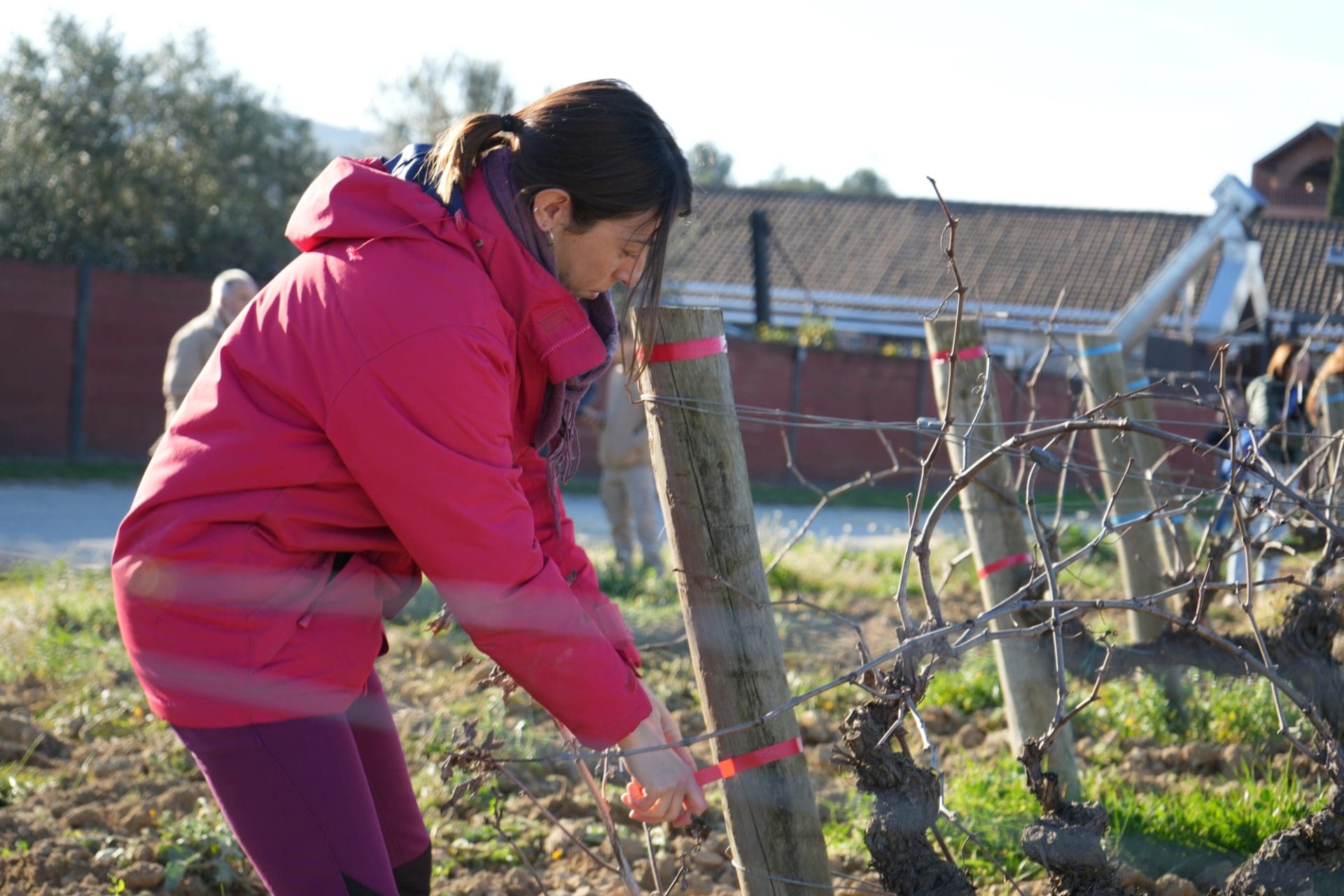
We analyse whether regenerative agriculture practices, such as cover crops, can protect soils, improve biodiversity, and increase carbon content and water retention capacity.
Discover IRTA's strategic scientific objective, focused on improving soil health.We aim to understand how these techniques can benefit Catalan vineyards.
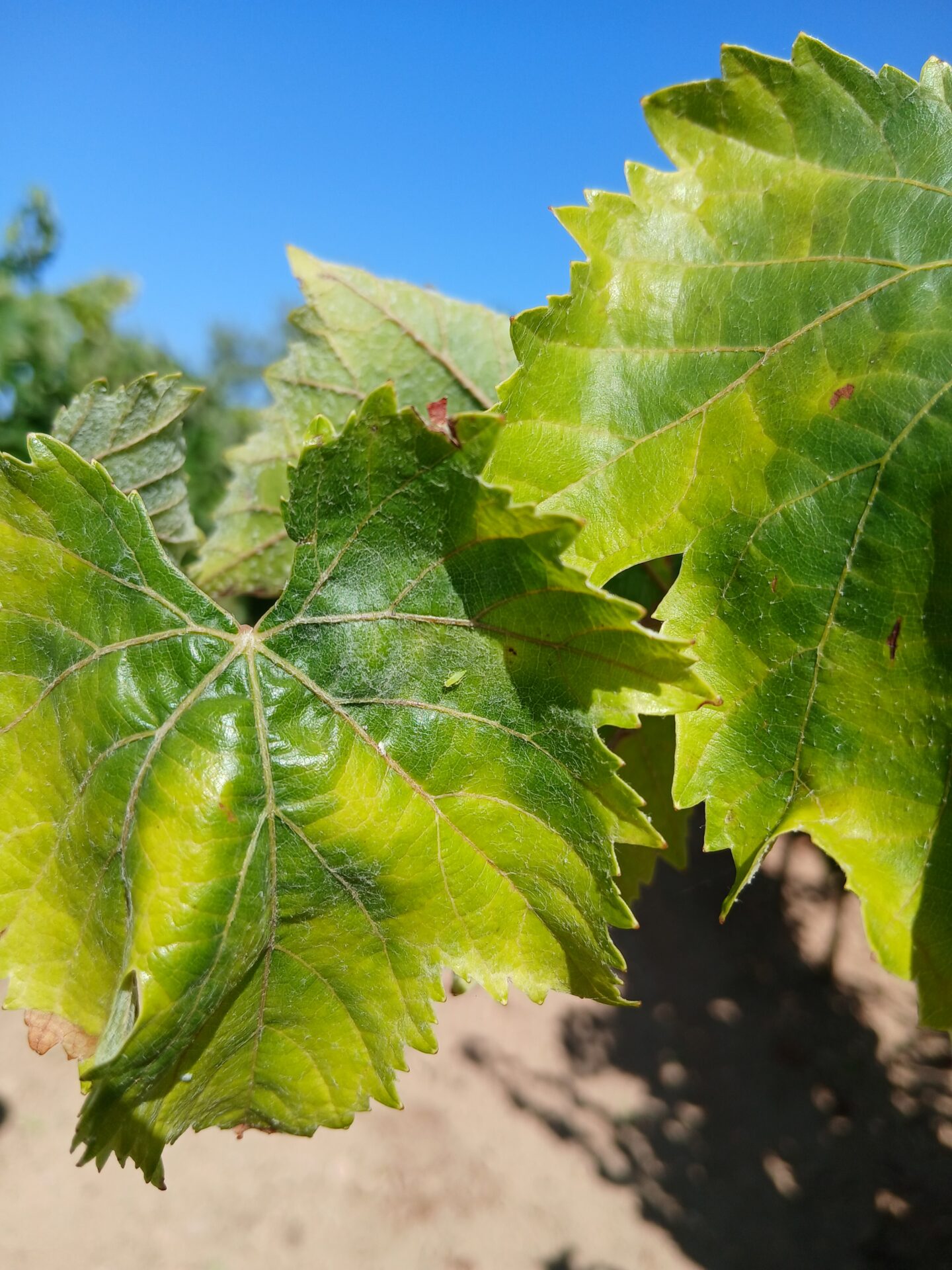
Which may increase under the new climate scenario
We seek to understand how changing climatic conditions affect pests and diseases in order to anticipate their emergence and spread, protect crops, and enhance their viability.

We will launch the Experimental and Smart Research Winery.
This is a new centre for oenological research and innovation focused on digitalisation and sustainability, which will be able to monitor every stage of the winemaking process using sensors and AI models.
This will enable us to better understand the relationship between the environment, the characteristics of the winemaking process and the final wine.
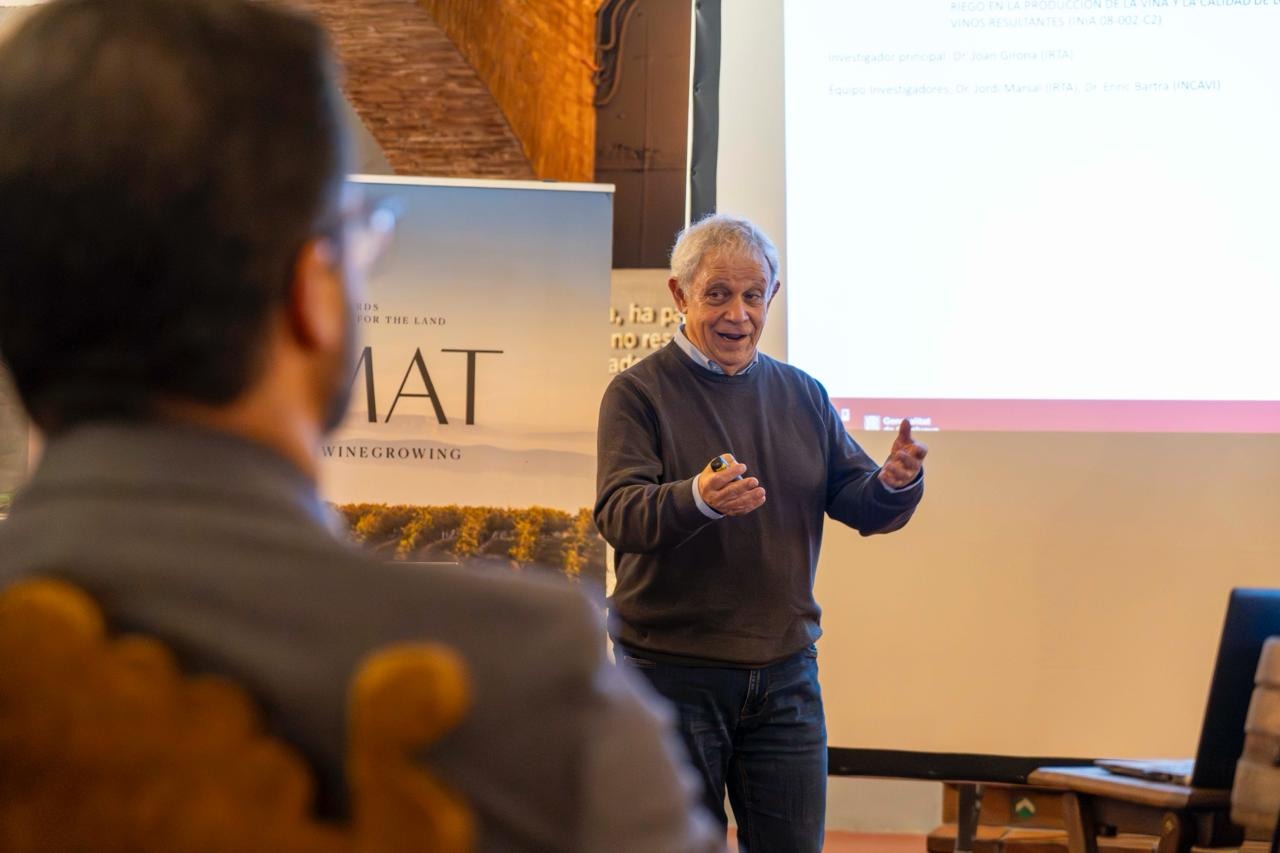
This research and innovation is carried out in close collaboration with the wine sector, which provides its needs, expertise and farm-level data.
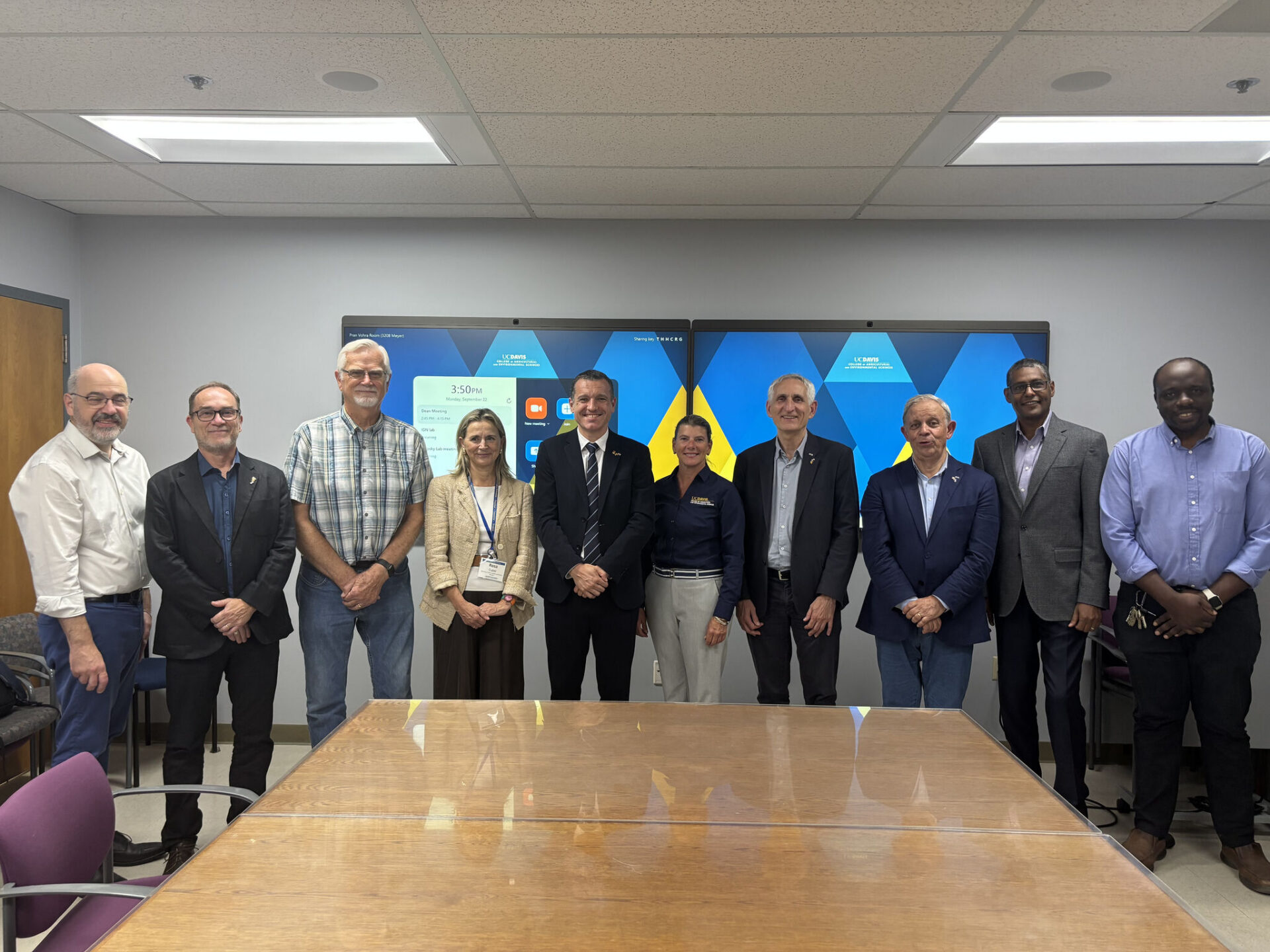
We also work alongside public administrations and national and international research institutions.
Because we believe that working together, with a spirit of collaboration, is the only way to address the major challenges of our time.
Start date: 01/06/2023
End date: 31/05/2027
Project Code: M1135_13872
Acronym: Waste4Soil

Start date: 01/01/2024
End date: 31/08/2024
Project Code: V2429_15157
Acronym: Comunitat de Poda
Start date: 01/06/2020
End date: 29/02/2024
Project Code: V2315_9799
Acronym: VUMOC
Start date: 01/04/2022
End date: 30/09/2025
Project Code: V2386_11885
Acronym: SureNexus_Fase2
Start date: 01/12/2022
End date: 30/11/2025
Project Code: V2396_13184
Acronym: ResAliance
Start date: 01/01/2023
End date: 31/12/2030
Project Code: V2406_13296
Acronym: LIFE eCOadapt50
Start date: 01/07/2019
End date: 30/06/2024
Project Code: V2296_8517
Acronym: MIDMACC
Start date: 01/12/2021
End date: 30/11/2025
Project Code: V2374_11616
Acronym: FIRE-RES
Start date: 01/10/2020
End date: 30/03/2025
Project Code: V2351_10161
Acronym: NOVATERRA
Start date: 01/01/2025
End date: 31/12/2028
Start date: 01/09/2025
End date: 31/08/2029
Project Code: V2461_16844
Acronym: CROP-CARE-Opt
Start date: 01/09/2024
End date: 31/12/2027
Project Code: V4274_15478
Acronym: RHIZORICH
Start date: 01/09/2024
End date: 31/12/2028
Project Code: V7054_15483
Acronym: VITIMPACT
Start date: 01/09/2025
End date: 31/08/2029
Project Code: V7067_16819
Acronym: YIELD4CAST
Start date: 01/12/2024
End date: 05/05/2026
Project Code: 16499
Acronym: MANSO
Start date: 01/01/2025
End date: 31/12/2025
Project Code: V7062_17403
Acronym: RegValls
Start date: 01/09/2022
End date: 31/08/2025
Project Code: V7025_12767
Acronym: ET4DROUGHT
Start date: 01/12/2022
End date: 30/09/2025
Project Code: V7027_12886
Acronym: DigiSPAC
Start date: 01/07/2024
End date: 05/05/2026
Project Code: V7056
Acronym: ClimaseQ
Start date: 09/10/2024
End date: 08/10/2027
Project Code: V2451_16591
Acronym: BIOFIX
Start date: 01/03/2023
End date: 30/09/2024
Project Code: V4259_14467
Acronym: MILDIURISC
Start date: 08/10/2024
End date: 08/10/2027
Project Code: V2445_16473
Acronym: MICRORAI24

We support the agri-food sector in its meaningful digital transformation
We work with the territory to improve water management
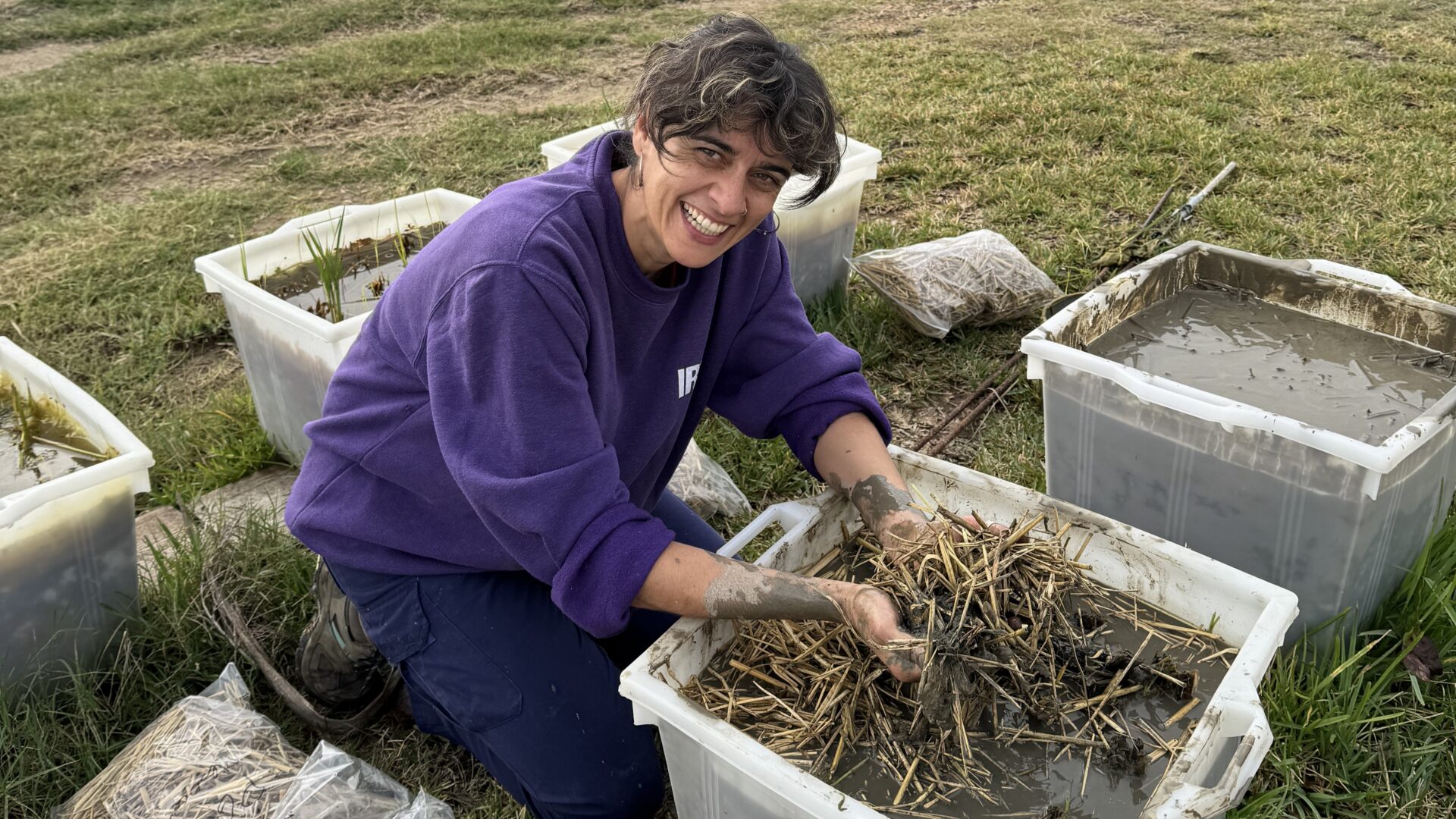
We study how to improve the health of Catalan agricultural soils
We promote the bioeconomy to reduce the sector’s environmental impact
We explore how to boost protein alternative sources in Catalonia
We want healthy, strong animals that rarely need antibiotics
We are preparing to tackle new pests and diseases

