
We support the agri-food sector in its meaningful digital transformation



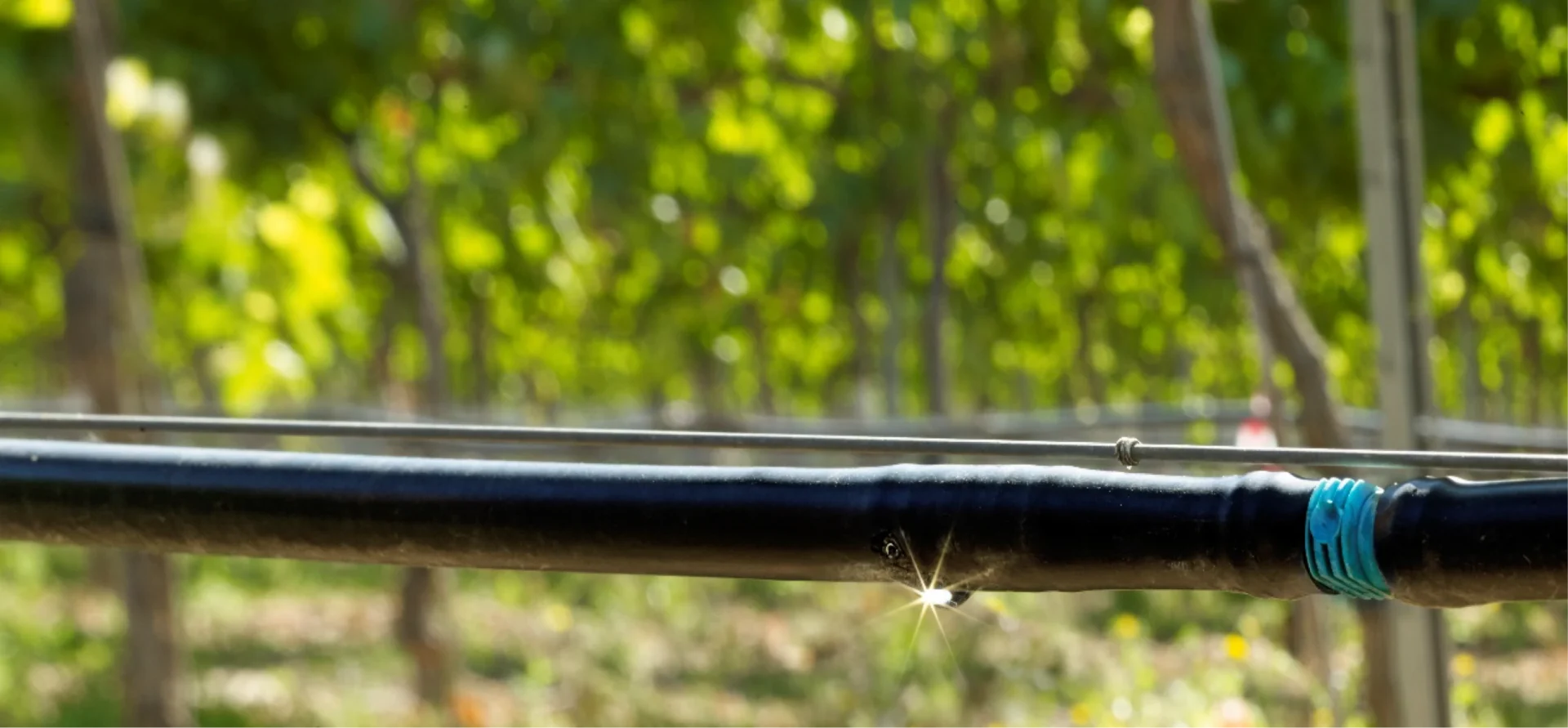
How can the Catalan agri-food system become more resilient to water shortages caused by climate change?
How can we improve the agri-food sector’s water use efficiency through digitalisation?
How can we contribute to water governance in Catalonia through evidence and scientific debate?
At IRTA, we aim to help Catalonia cope as effectively as possible with water scarcity, which is now an unavoidable reality.
In Catalonia, climate change is increasingly leading to periods of severe drought and sudden, heavy rainfall.
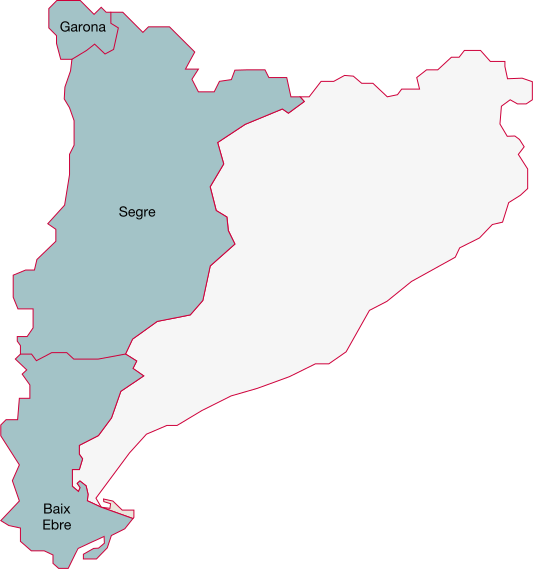
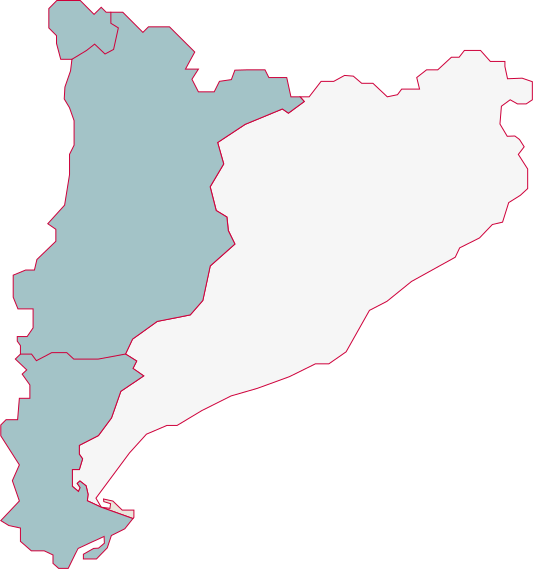
These climatic conditions affect differently the two administrative areas into which our territory is divided in terms of water availability and management:
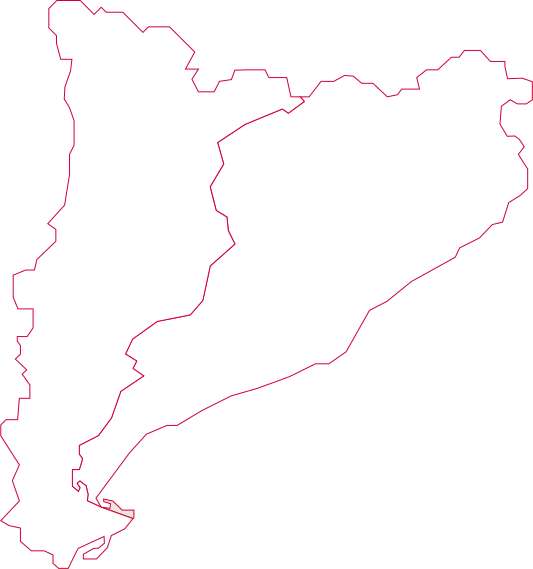
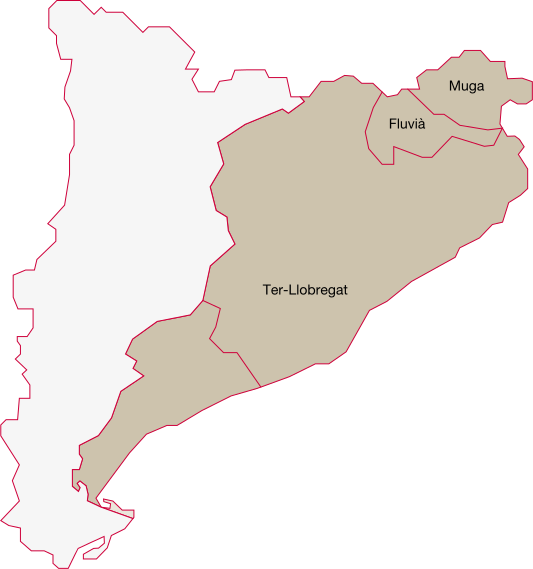
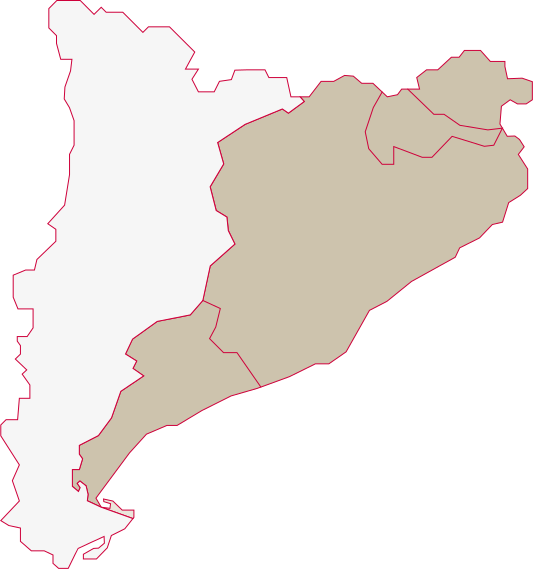

This area is home to over 90% of the population and has a very dynamic economy.
However, less than 40% of Catalonia’s water is concentrated here, as it is supplied by smaller rivers, with fewer reservoirs and lower capacity.

The situation is one of chronic scarcity. Solutions are needed to tackle extreme droughts such as that of 2023, which are very likely to recur. These solutions involve the modernisation of infrastructures, new water sources and better collective governance.

Diverse water sources:

This is a sparsely populated area, home to less than 10% of the population, where agriculture plays a significant role.
It is supplied by the River Ebro and its tributaries. There may be occasional problems with water shortages, but if this resource is well managed, they will not be as frequent as in the eastern half of Catalonia.

However, to become more efficient and less vulnerable, it needs to modernise its infrastructure and switch from flood irrigation to pressurised irrigation (drip or sprinkler).

Main source of water:
Surface water, from rivers and reservoirs.
The need to take action varies, as it depends on the balance between water availability and demand.
This situation has a direct impact on agricultural activity.
Our work focuses on agricultural management, but it also extends to livestock farming and the food industry, taking a very holistic approach.
We want to take into account all stakeholders in the region and not just focus on irrigation, because water management goes far beyond that. Among other aspects, the water optimisation of rain-fed crops is also important.
And we want environmental and economic sustainability to complement each other rather than compete.
Currently, our focus is on answering the following questions:
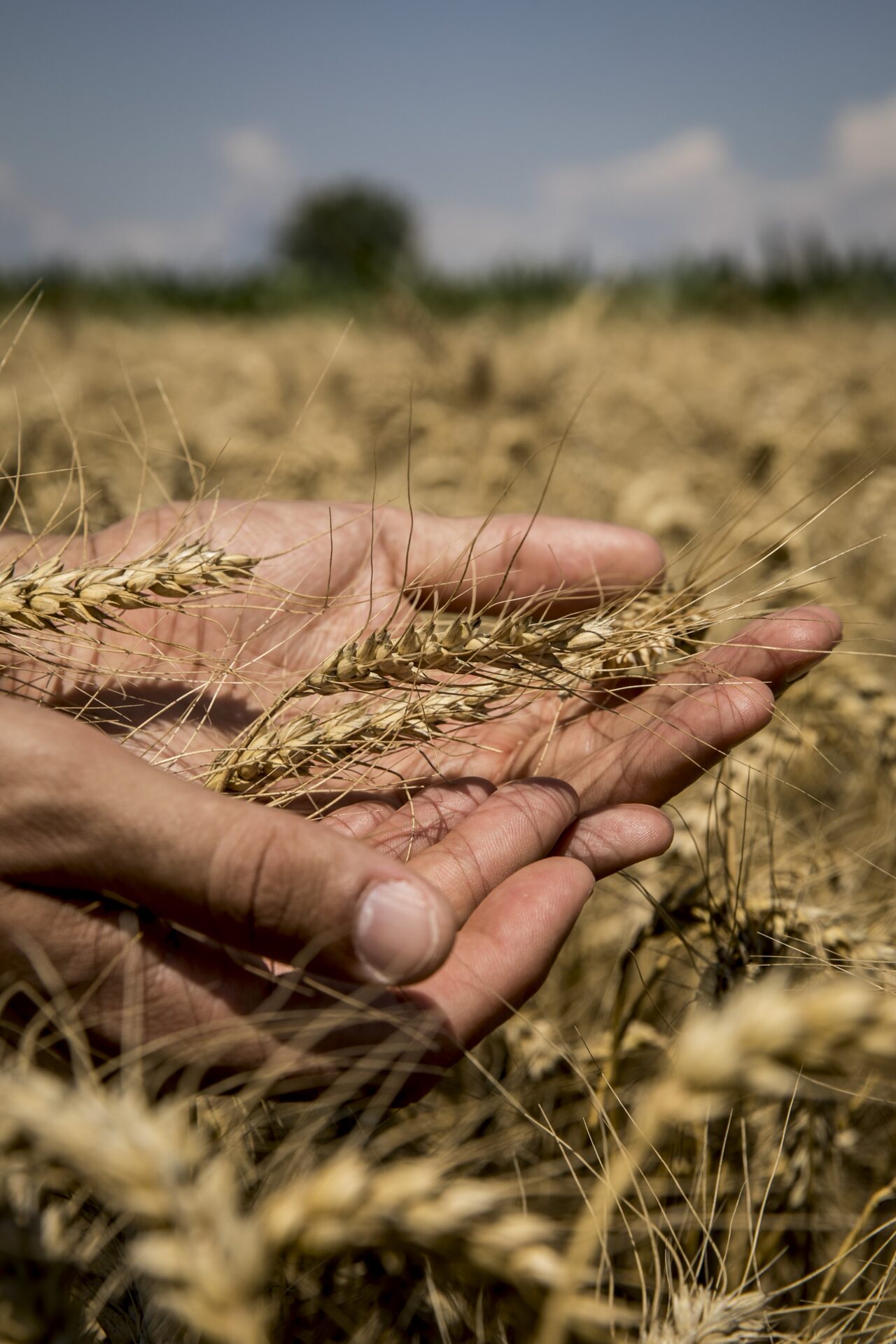
We study which crops and varieties are best suited to each situation.
Depending on their water requirements and the part of the region where they are planted, choosing one crop over another can determine the success of the harvest.
It is also important how the soil is managed to retain water, and how the crops are planted and pruned.
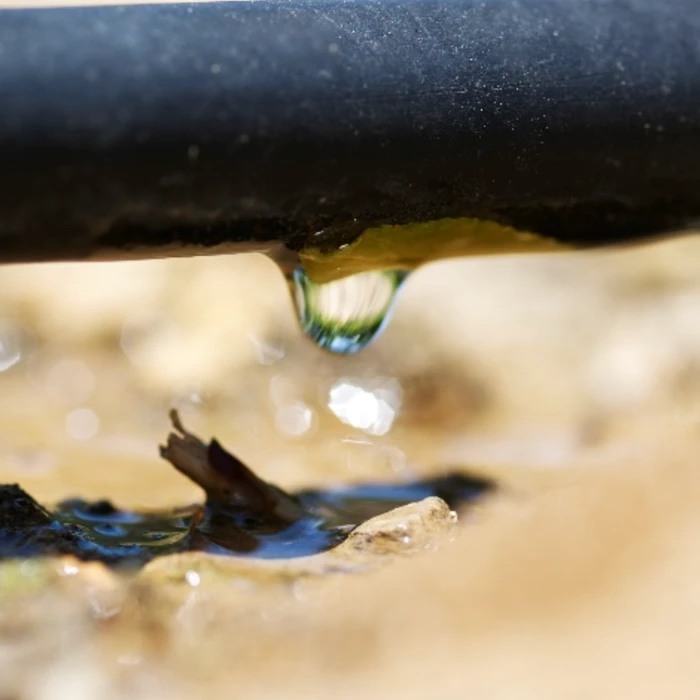
We investigate very precisely on how much water each crop may need depending on the time of year.
So as not to provide more water than necessary, or to ensure that the fruit has the quality we are looking for.
This determines the type of irrigation we need to choose.
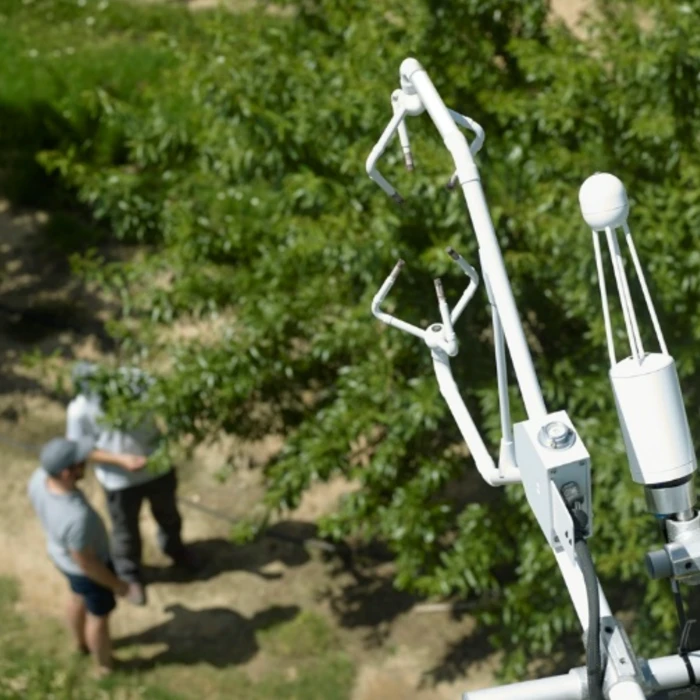
We work with virtual replicas of the plots.
These are called digital twins. They can be used on individual farms, across large areas or within irrigation communities.
Digital twins are connected to sensors installed on farms or on satellites. They allow us to collect a wealth of data and analyse it to make decisions. For example, we can use them to predict how much irrigation water will be needed in a week’s time.
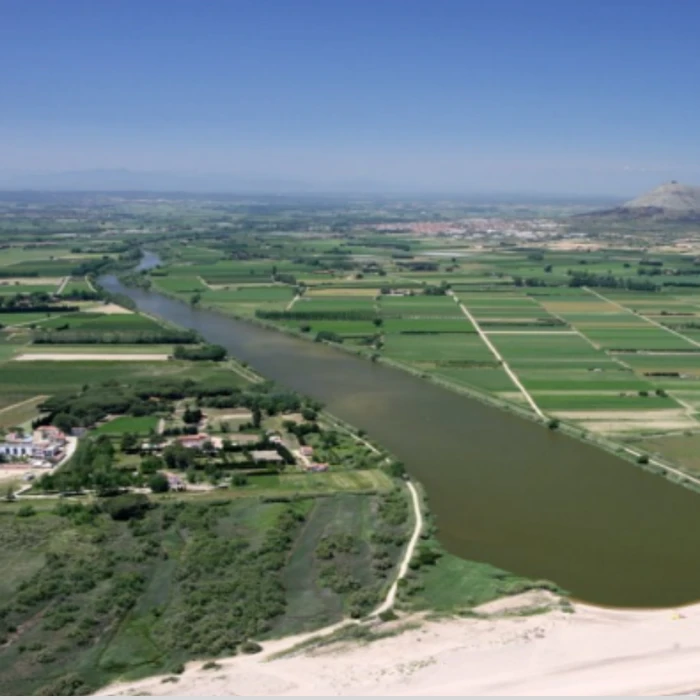
We have a network of professionals who advise irrigators.
The Ebro basin and the inland Catalan basins, as well as the various counties, cities and municipalities, each have their own specific characteristics, and the best way to manage water may differ in each case.
Since 2024, we have established a network of experts who work closely with local people to find the best solutions.
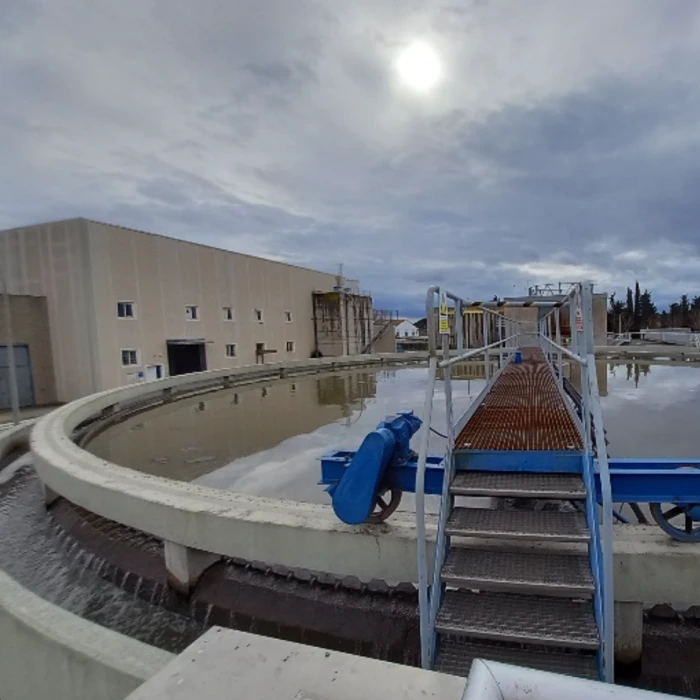
Since the drought of 2023, we have launched several projects across Catalonia.
Reclaimed water can be a solution for irrigation or even for supplying households, but it can also pose risks.
For example: a high salt content, or contamination of the food chain (which can also affect conventional irrigation water).
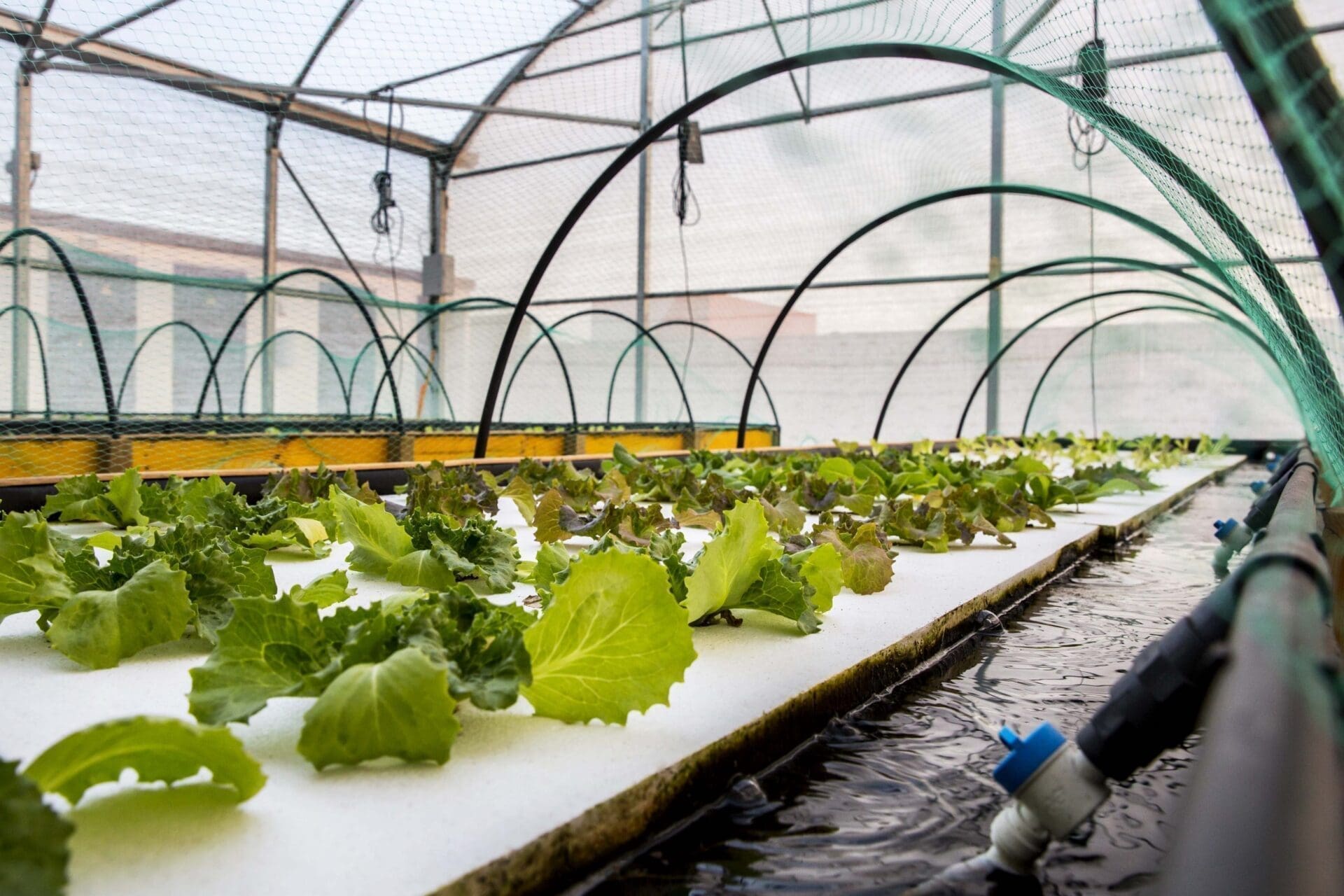
We are working to coordinate all of IRTA’s water-related research.
Hundreds of people are conducting research and driving innovation across our more than twenty locations throughout Catalonia.
We aim to pool our resources, create synergies and work in a cross-cutting and transdisciplinary manner across agriculture, livestock farming, aquaculture and the food industries.
In livestock farming and aquaculture, we are working intensively to improve water use efficiency.
And, in the food industry sector, we emphasise the importance of water for food security.
We do not seek these solutions alone: we seek them in partnership with organisations, companies and public authorities.
Because we are convinced that working together and with generosity is the only way to respond to the great challenges of our times.
Start date: 01/09/2024
End date: 31/12/2028
Project Code: V7054_15483
Acronym: VITIMPACT
Start date: 01/12/2021
End date: 31/10/2024
Project Code: V1147_12771
Acronym: INFO-CIT
Start date: 06/02/2024
End date: 02/06/2026
Project Code: V7048_15576
Acronym: REGGENERADA
Start date: 04/04/2022
End date: 04/04/2024
Project Code: V1143_12727
Acronym: WASHTOP
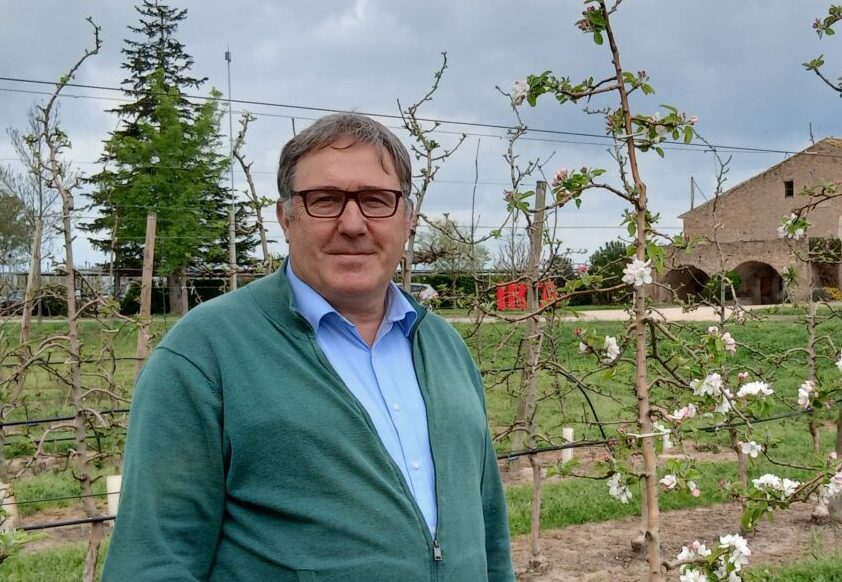
We support the agri-food sector in its meaningful digital transformation
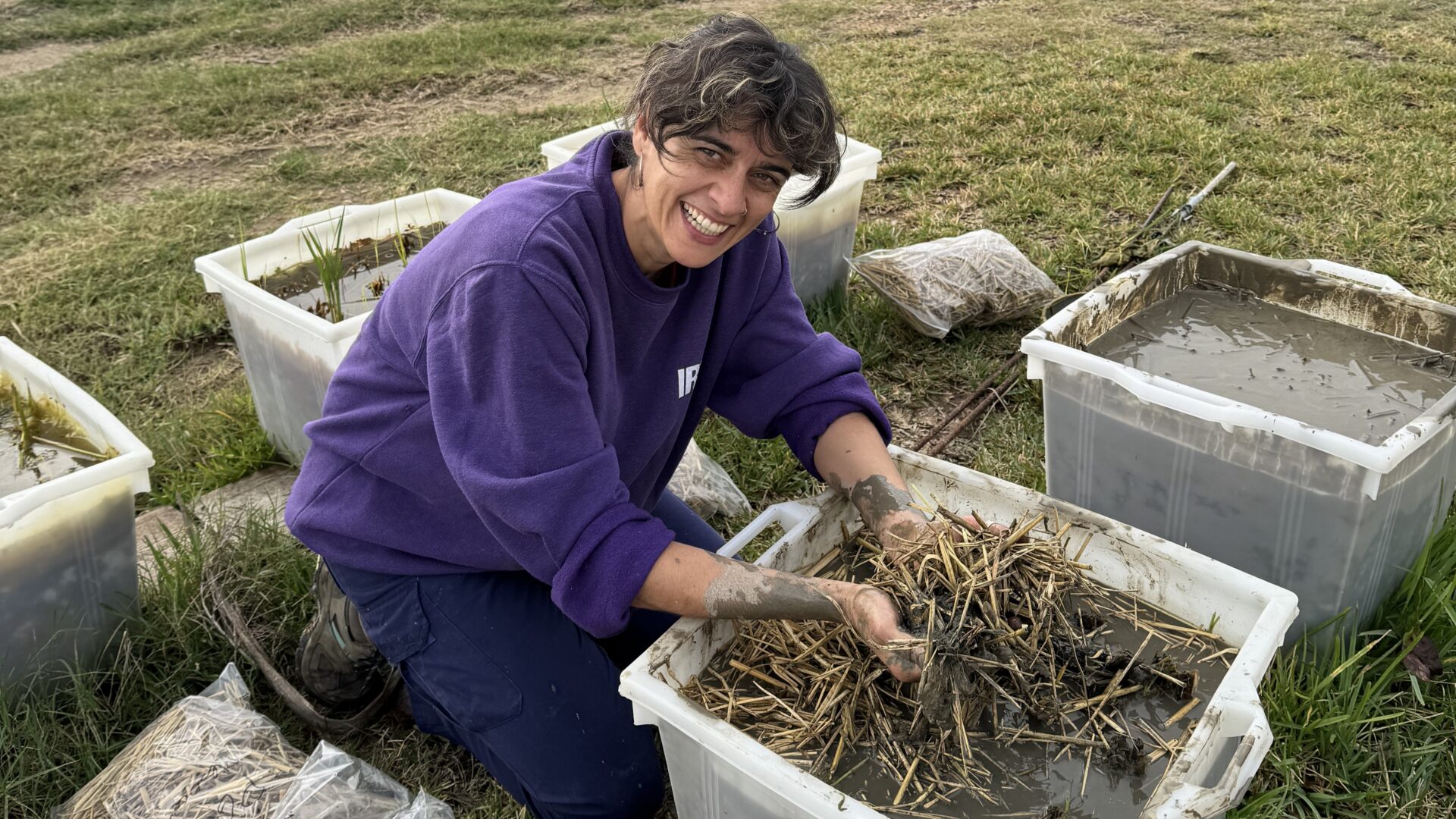
We study how to improve the health of Catalan agricultural soils
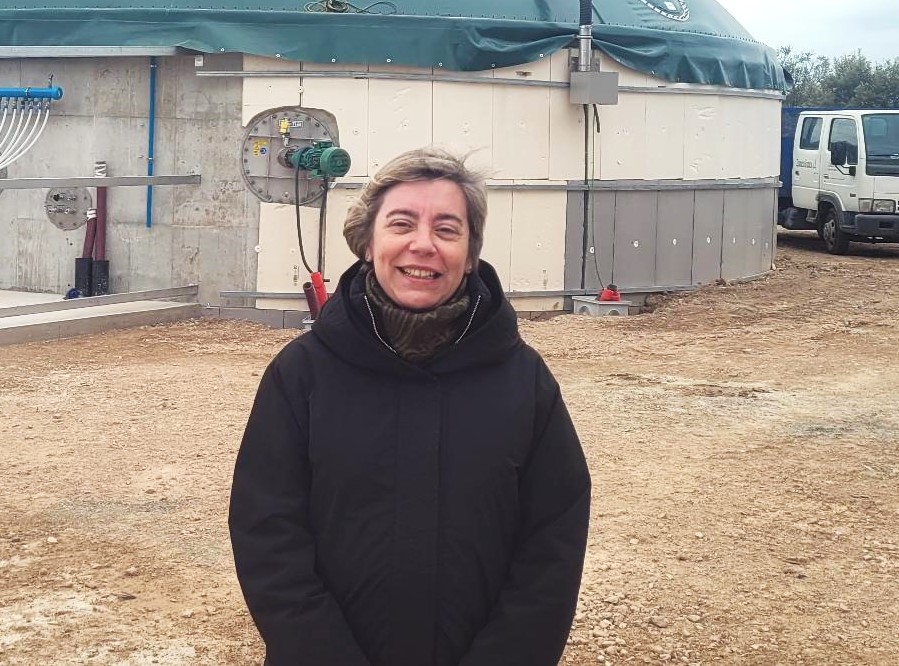
We promote the bioeconomy to reduce the sector’s environmental impact
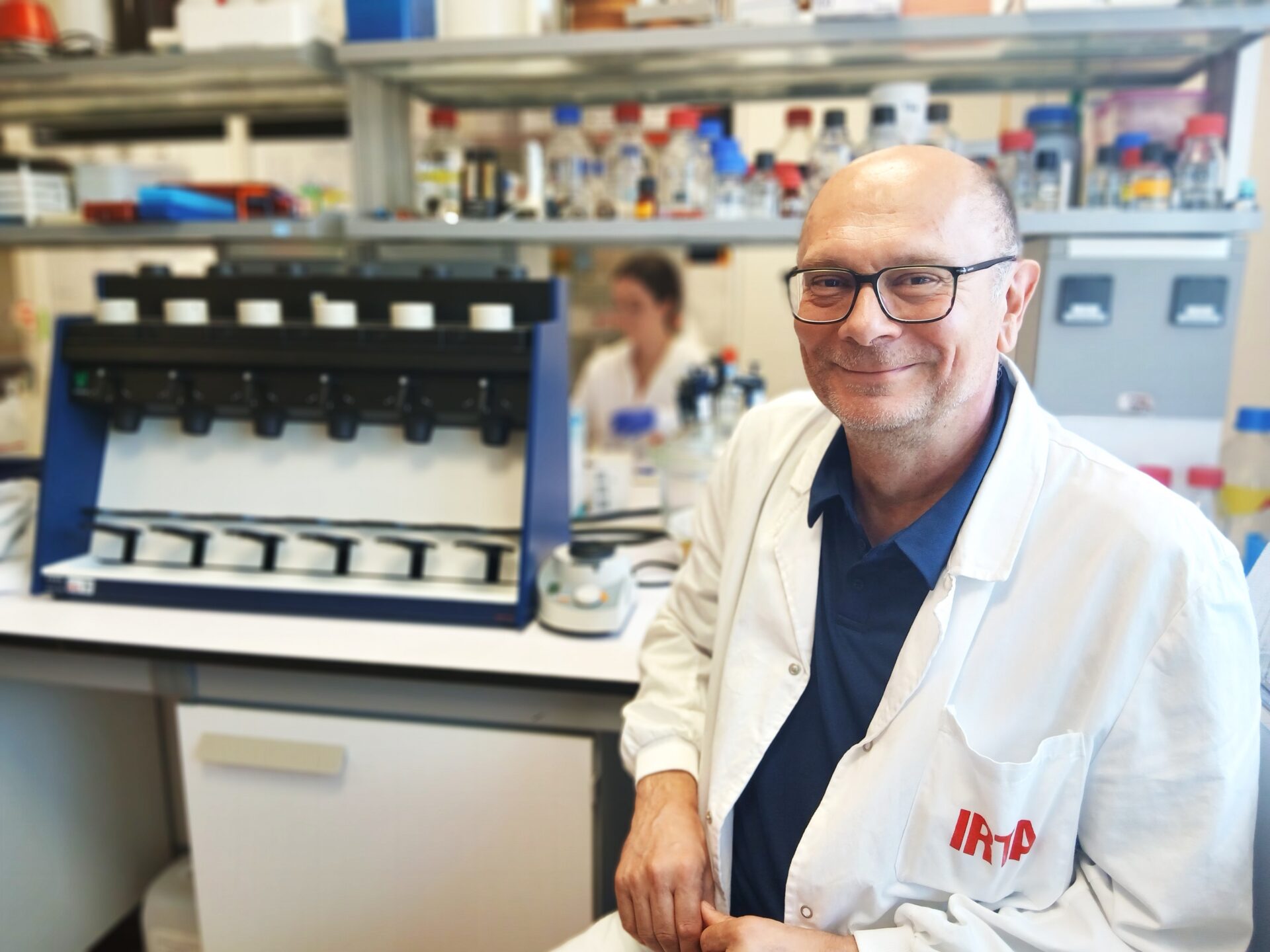
We explore how to boost protein alternative sources in Catalonia
We want healthy, strong animals that rarely need antibioticsment
We are preparing to tackle new pests and diseases
We work to strengthen the resilience of the Catalan wine sector

