The varieties marketed under the ADORE™ brand will enable production to be adapted to different regions, harvest calendars and market needs
The new varieties have been developed to maintain fruit quality in a context of rising temperatures
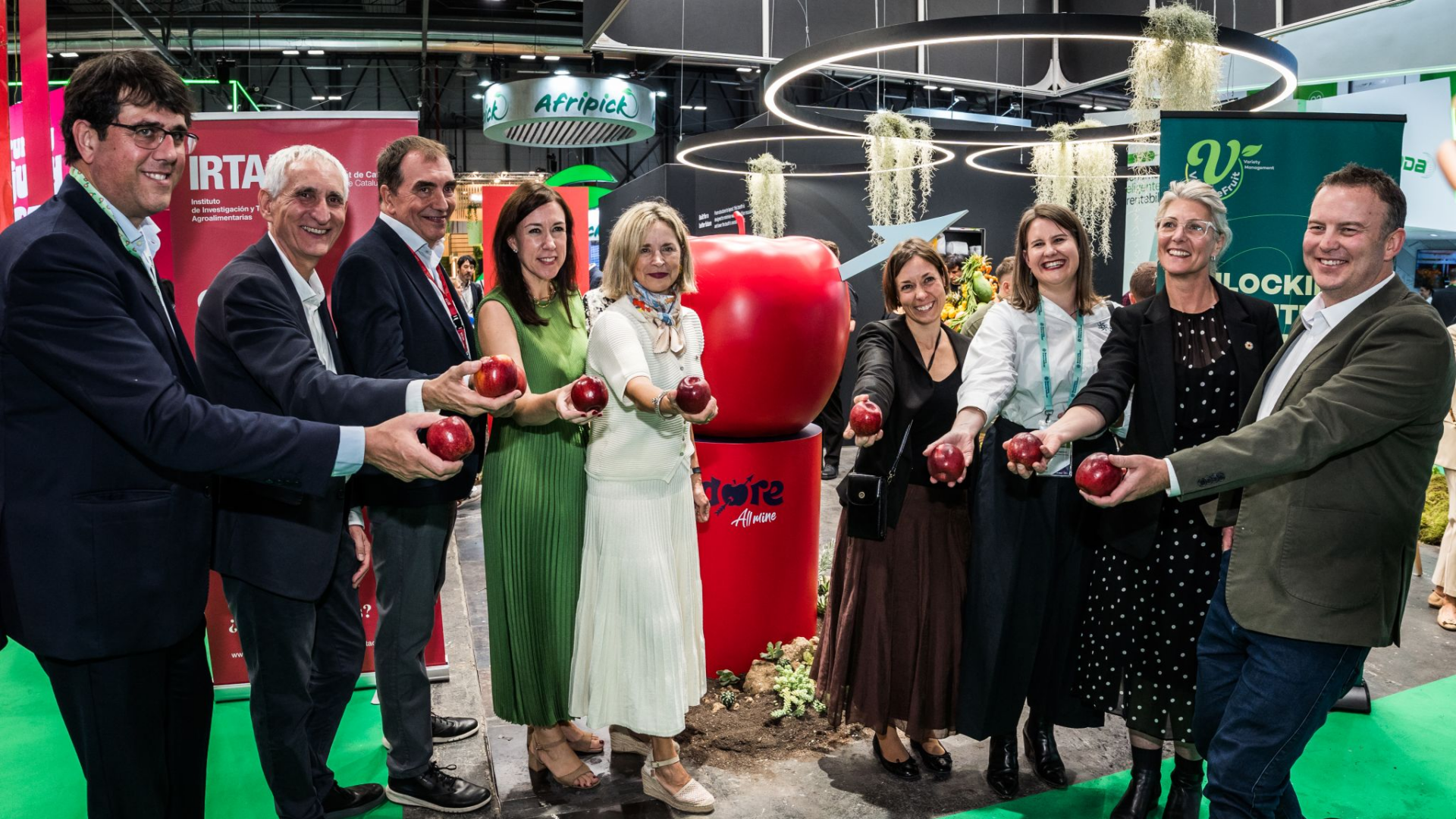
VentureFruit, the strategic partner responsible for commercialising the varieties developed through the Hot Climate Partnership, today unveiled ADORE™, a new global brand of premium apples bringing together a family of climate-resilient varieties. By uniting them under a single brand, the varieties provide growers and marketers with greater flexibility to ensure supply across different regions and harvest periods, while responding to the needs of individual markets.
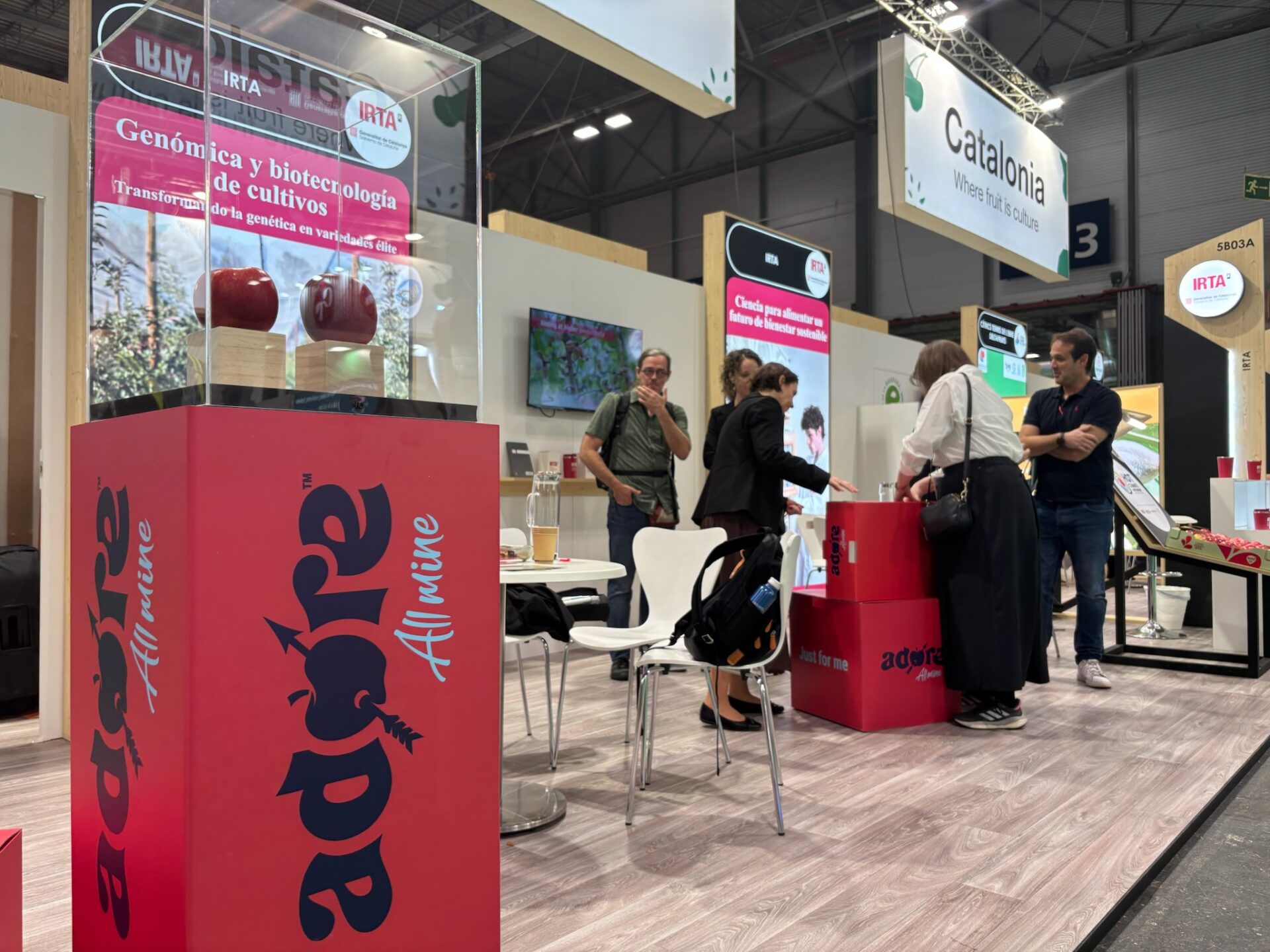
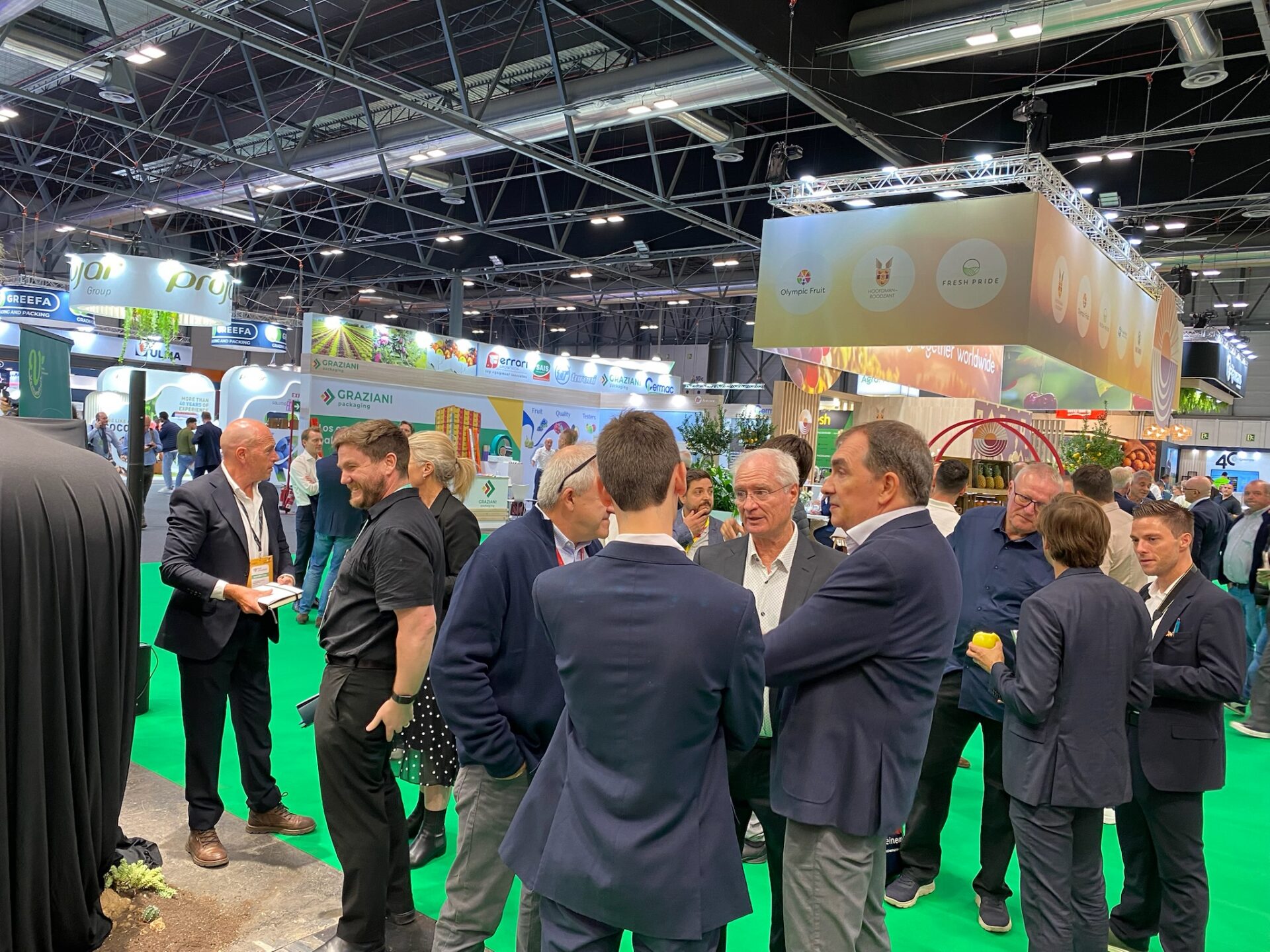
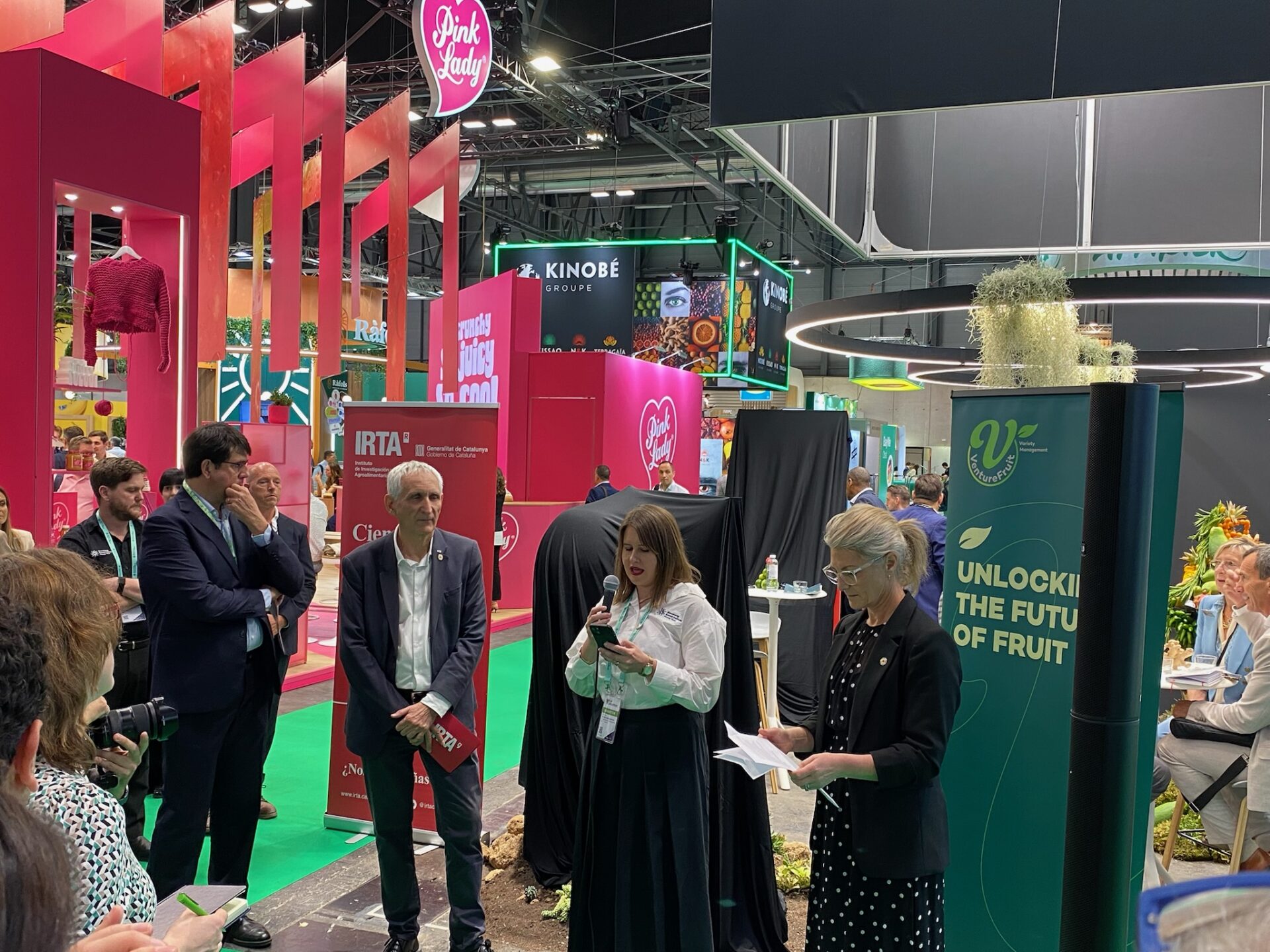
Launched at Fruit Attraction in Madrid, ADORE™ is the latest commercial development of the Hot Climate Partnership, an international breeding programme dedicated to developing high-quality apples and pears capable of adapting to warm climates and rising temperatures. Initially, ADORE™ will be introduced with the ‘HOT03A1’ variety, together with a second complementary variety harvested between four and six weeks earlier. In addition, several new varieties are currently under development with the aim of expanding production and supply opportunities.
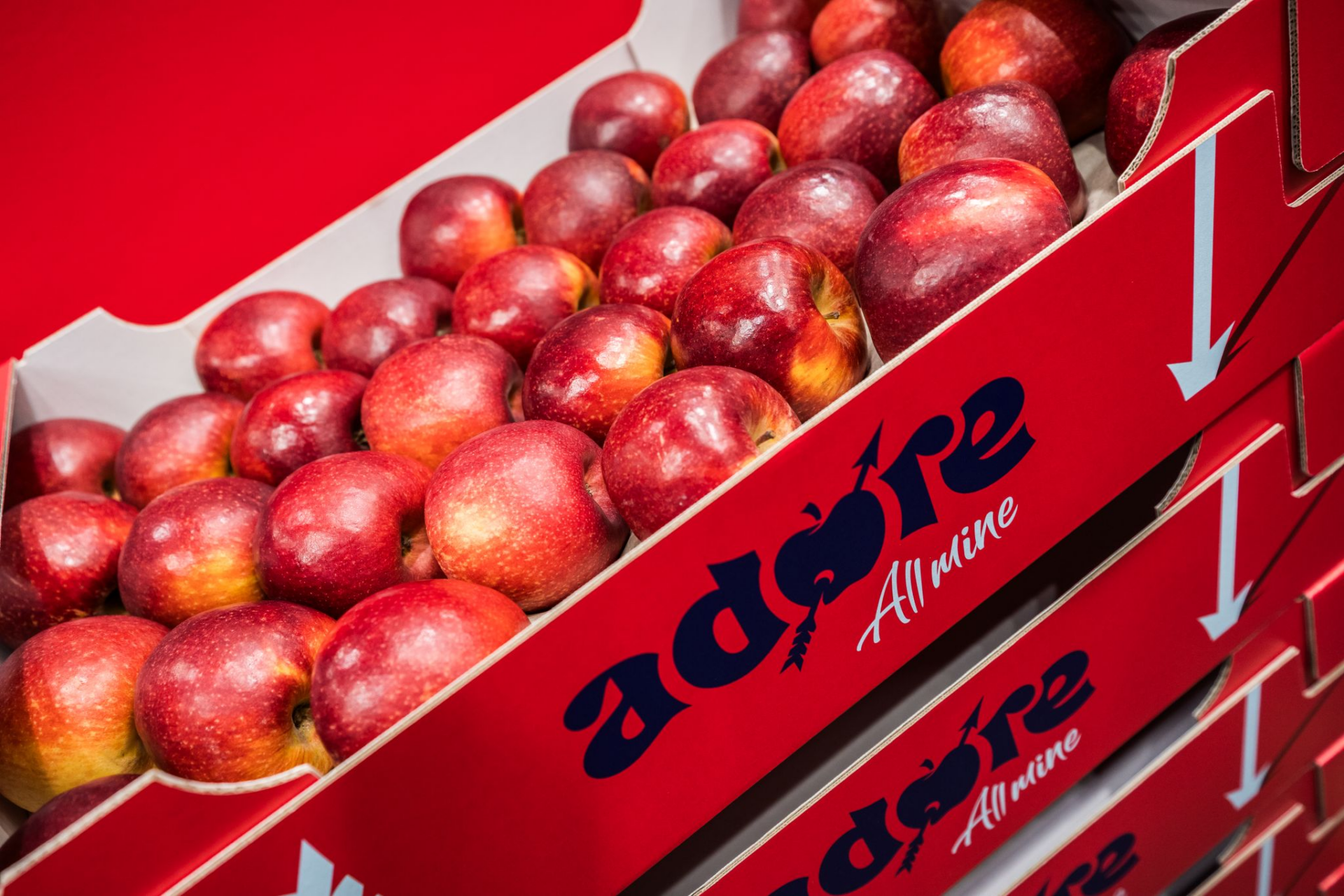
Under the global ADORE™ brand, companies and organisations participating in the programme can choose the variety or combination of varieties best suited to their region and market. Partners in each territory retain autonomy to produce, pack, market, distribute and sell the fruit within their licensed region, while benefiting from continued investment in the brand, the programme’s specialist expertise and the reach of a global network of collaborating partners.
Morgan Rogers, Chief Executive Officer of VentureFruit, says that ADORE™ apples respond to growing worldwide demand for premium apples while also addressing the need to adapt production to climate change.
The global premium apple segment is growing rapidly, creating a genuine opportunity for growers and investors. At the same time, global temperatures continue to rise. Growers need varieties capable of maintaining strong commercial performance as climate conditions, growing environments and markets evolve. ADORE™ brings together varieties resilient to higher temperatures, a high-quality proposition for consumers and a global commercial strategy designed to support long-term growth.
“Bringing several complementary varieties together within a single programme allows partners to choose those best suited to each region and market, while concentrating efforts under one global brand. This flexibility can help improve orchard performance and provide growers with greater confidence when planning long-term investments,” explains Rogers.
ADORE™ is the result of more than two decades of breeding and scientific development through the Hot Climate Partnership, which brings together the Institute of Agrifood Research and Technology (IRTA), New Zealand’s Bioeconomy Science Institute (BSI), FruitFutur and VentureFruit. Together, the partners contribute the scientific, production and commercial expertise needed to advance new apple and pear varieties from breeding through to market introduction.
“The launch of ADORE™ represents an important milestone for the Hot Climate Partnership and is an excellent example of what patient, sustained long-term breeding research can achieve. Our scientific team is proud to have contributed to the development of apples that are resilient to rising temperatures whilst also appealing to consumers. We now look forward to VentureFruit helping bring them to growers and consumers around the world,” says Emma Brown, General Manager of Plant Variety Commercialisation at the Bioeconomy Science Institute.
The first ADORE™ varieties have undergone extensive agronomic evaluation and three years of consumer sensory studies in Spain, Germany, France, Italy and Hong Kong. The results have shown a high level of overall acceptance compared with industry benchmarks, together with a consistent brand experience in terms of appearance, flavour and texture.
With their intense, bright red colour, these apples offer a balanced eating experience: they are sweet, fruity and refreshing without being excessively acidic, and feature a juicy, crisp texture.
“Two years of testing the positioning, name and visual identity across different markets have produced an exceptionally positive response. This gives both us and our partners the confidence that we are investing in a distinctive apple brand that consumers will actively seek out and want to purchase again,” says Rogers.
ADORE™ enters the market with strong momentum: there are already 120 hectares of ADORE™ licensed in Catalonia through FruitFutur. The programme has also attracted considerable early interest from other European partners, as well as from South America and South Africa.
“As one of the first regions to commercially develop these varieties, the Catalan fruit research and production ecosystem has played an important role in their development and transfer to the market,” says Eva Ogué, Head of the IRTA Valorisation Office.
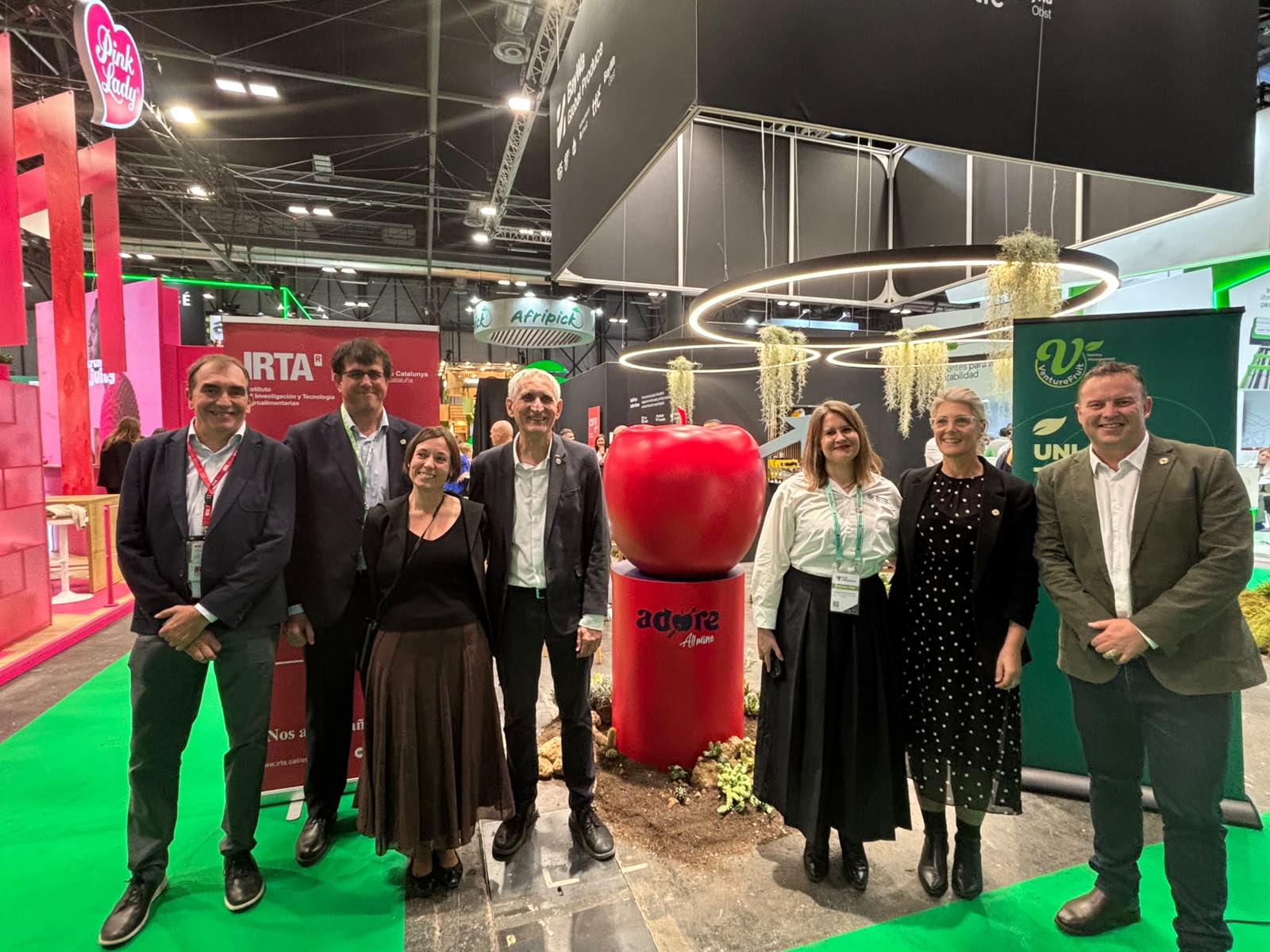
Secretary for Food Rosa Cubel highlighted the importance of connecting research and innovation with the needs of the productive sector in a context shaped by climate change. “Climate change requires us to anticipate future challenges and find new ways of producing high-quality food while ensuring the viability of the primary sector,” she said. In this regard, Cubel underscored Catalonia’s role as a leading region in agrifood research and innovation and stressed that “collaboration between public authorities, research centres and the productive sector is essential to address future challenges and build a more resilient, competitive and climate-adapted agrifood sector”.
The varieties under the ADORE™ brand will be introduced progressively, beginning in those regions where they are best suited to both growing conditions and market requirements. Plantings will be planned to align production with demand, protect both the varieties and the brand, and provide agronomic support to partners in the main producing regions.
The varieties marketed under the ADORE™ brand expand the current commercial portfolio of the Hot Climate Partnership, which already includes the apple varieties TUTTI™ and STELLAR™.
Beyond the presentation of ADORE™, the IRTA stand at Fruit Attraction became a meeting point throughout the three days of the fair, providing an opportunity to share knowledge and showcase some of the Institute’s main areas of innovation in fruit production, sustainability and the digital transformation of the horticultural sector.
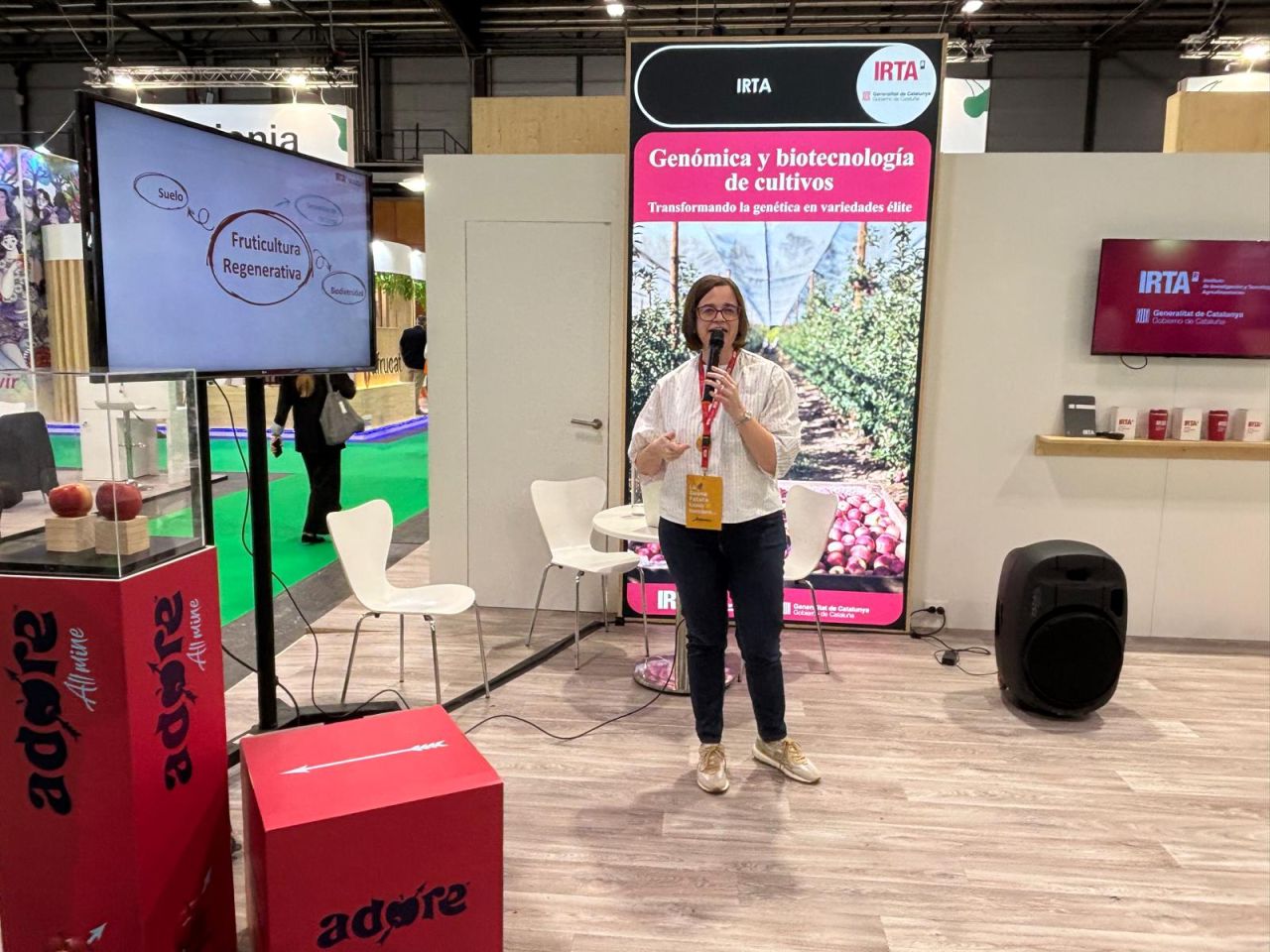
One of the featured sessions focused on regenerative fruit production, an approach aimed at developing more resilient production systems through improved soil health, increased biodiversity and a greater capacity to adapt to future environmental and production challenges. The session attracted interest from industry professionals and encouraged discussion on the role these strategies can play in improving the sustainability of the sector.
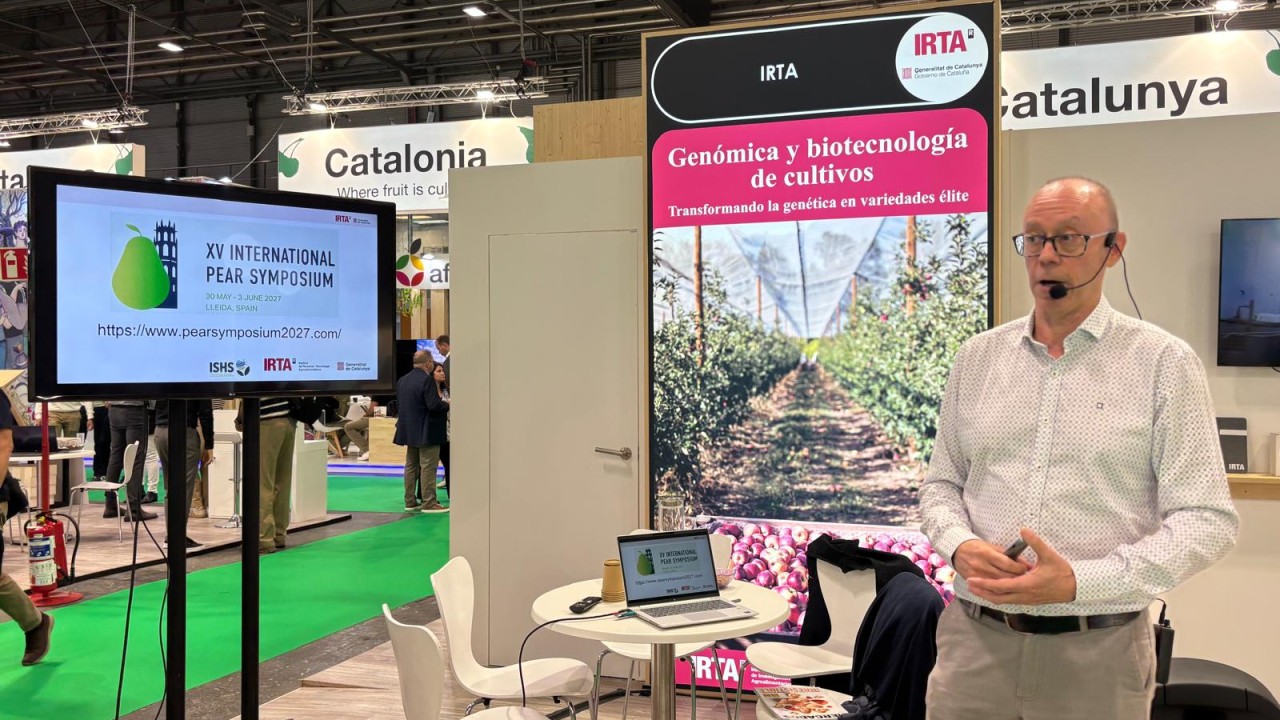
Varietal innovation also featured prominently in IRTA’s programme. One of the IRTA Talks held during the fair presented the latest advances in the pear breeding programme, covering both new varieties and interspecific rootstocks. These tools are considered essential for addressing challenges such as crop productivity, farm sustainability and adaptation to climate change. The session also served to present the XV International Pear Symposium 2027, organised by IRTA under the auspices of the International Society for Horticultural Science (ISHS), which will bring together researchers, technical specialists and companies from around the world in Lleida to share the latest advances in pear production.
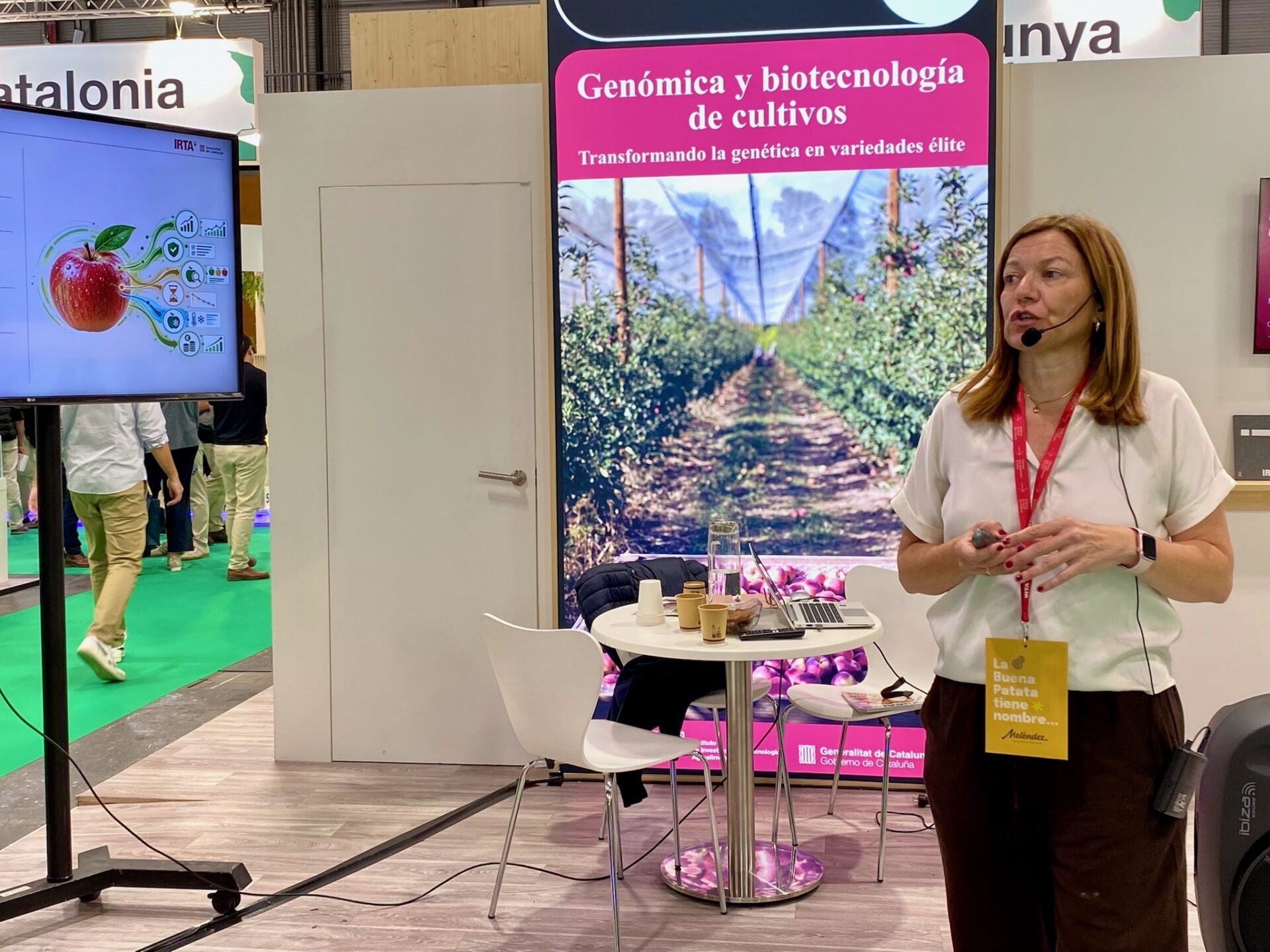
At the same time, IRTA showcased the latest developments in postharvest digitalisation through Elena Costa, Director of IRTA’s Postharvest Technical Service. During her presentation at the Institute’s stand, Costa explained how digital tools are transforming the management and monitoring of fruit after harvest, enabling more precise quality control, better decision-making and greater efficiency throughout the value chain. This digital transformation opens up new opportunities to optimise postharvest processes and help reduce food losses, while ensuring that fruit reaches consumers in the best possible condition.
Artificial intelligence was also one of the topics featured at the IRTA stand. Jordi Gené, researcher in the Efficient Water Use in Agriculture programme, discussed the applications that this technology may have in the fruit and vegetable sector, an area of work attracting growing interest due to its potential to support innovation and the digital transformation of the agrifood sector.
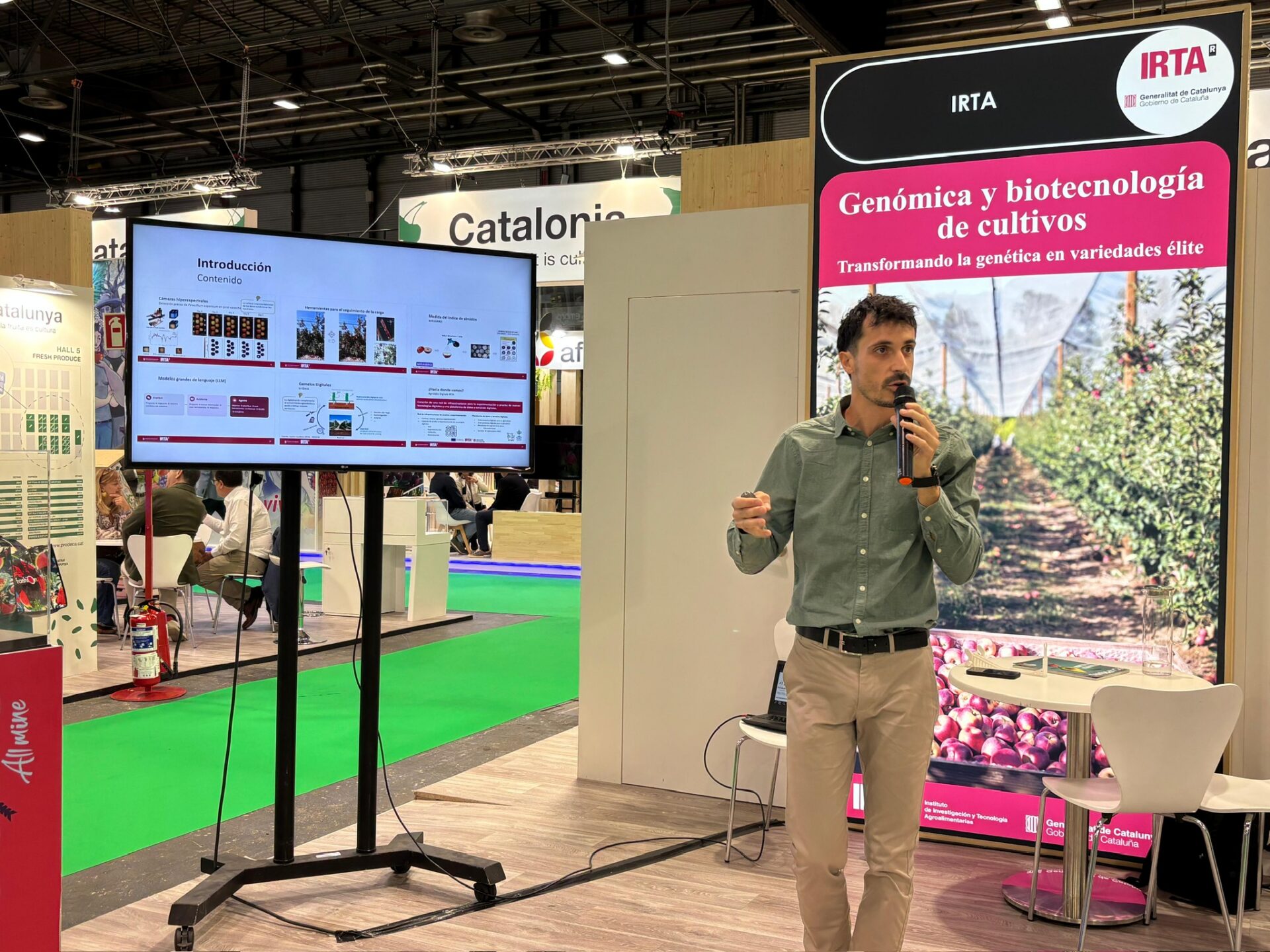
The fair also provided visibility for collaborative initiatives such as X_AgriTech, the agrifood innovation network of which IRTA is a member alongside other research centres and institutions. During one of the sessions held at the stand, the network’s Executive Coordinator, Víctor Herrero, presented the initiative and its commitment to strengthening the connection between research, innovation and the real needs of the agricultural and livestock sectors. Participation in Fruit Attraction provided an opportunity to raise awareness of the initiative and establish new contacts with companies and professionals from across the sector.
Through this programme of activities, the Institute reinforced its presence at one of the leading international forums for the fruit and vegetable sector, showcasing solutions and research lines aimed at improving competitiveness, sustainability and the capacity of fruit production systems to adapt to future challenges.




Head of programme / Ecological infraestructures and regenerative agriculture researcher specialist