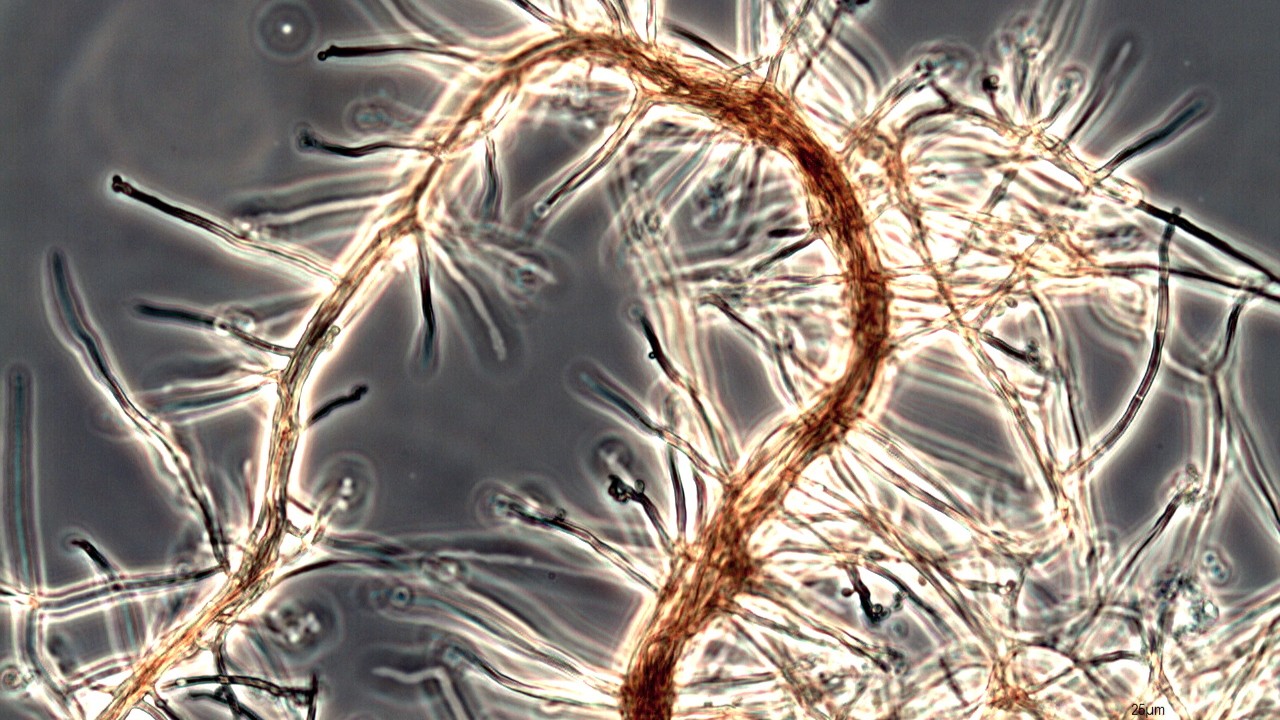
According to research conducted at IRTA, black fungi can improve plant responses to drought, salinity and soil-borne pathogens, and can also contribute to soil decontamination.
IRTA organized the international meeting “Black Yeasts – Chaetothyriales Working Group”, bringing together around fifty researchers specializing in melanized fungi from different countries to share research on this group of organisms characterized by an extraordinary capacity to adapt to extreme environmental conditions, including species of ecological, biotechnological, agricultural, veterinary and medical interest.
Throughout the two-day event, participants addressed topics such as the diversity, phylogeny and ecology of black fungi, mechanisms of extremotolerance, colonization of inhospitable habitats, potential applications in biotechnology and agriculture, as well as the pathogenicity, clinical diagnosis and antifungal resistance of certain opportunistic species.
IRTA’s contribution: more resilient agricultural systems and new environmental biotechnology applications
IRTA played a prominent role in presenting environmental and agricultural applications of black fungi. Among other studies, researchers presented results on the use of melanized endophytic fungi to improve plant responses to drought, salinity and soil-borne pathogens, as well as studies on black fungi tolerance to heavy metals, hydrocarbon biodegradation, and other stress-related factors relevant to the bioremediation of contaminated soils. These research lines explore the potential of these microorganisms as tools for developing more resilient agricultural systems and new environmental biotechnology applications.
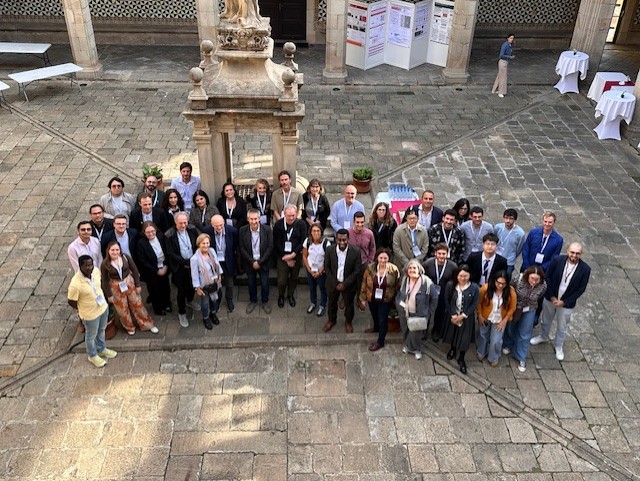
A meeting to strengthen international partnerships
The meeting also aimed to give special visibility to early-career researchers through oral presentation and poster sessions, as well as awards for the best contributions. In addition to facilitating the exchange of recent findings, the workshop strengthened the international research network on Chaetothyriales and created new opportunities for collaboration among groups from Europe, Asia, Africa and the Americas.
The organization of the workshop is part of IRTA’s activities in environmental microbiology and plant-microorganism interactions, further reinforcing its role in research on the potential of microorganisms adapted to extreme conditions to address challenges related to sustainability, climate change and the bioeconomy.
The Black Yeasts – Chaetothyriales Working Group Workshop 2026 was held on 22-23 October 2026 in Barcelona, with the support of the International Society for Human and Animal Mycology (ISHAM) and the collaboration of Universitat Rovira i Virgili and the Atlas of Clinical Fungi Foundation.