The Mediterranean Water-Smart AgriFood Hackathon brought together participants from a range of backgrounds in Barcelona to work on real-world challenges related to efficient water use, reuse, and the protection of water resources and ecosystems
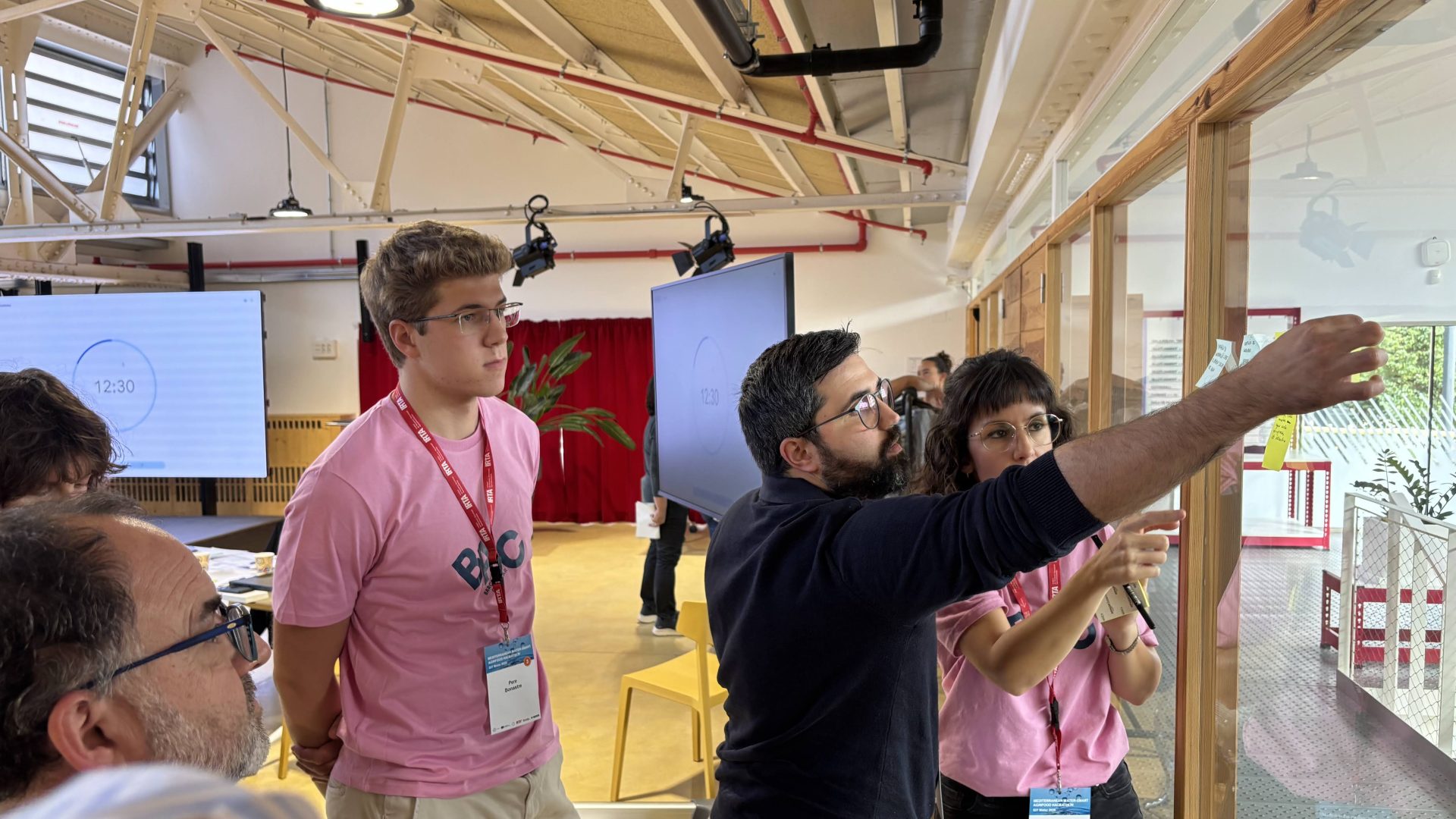
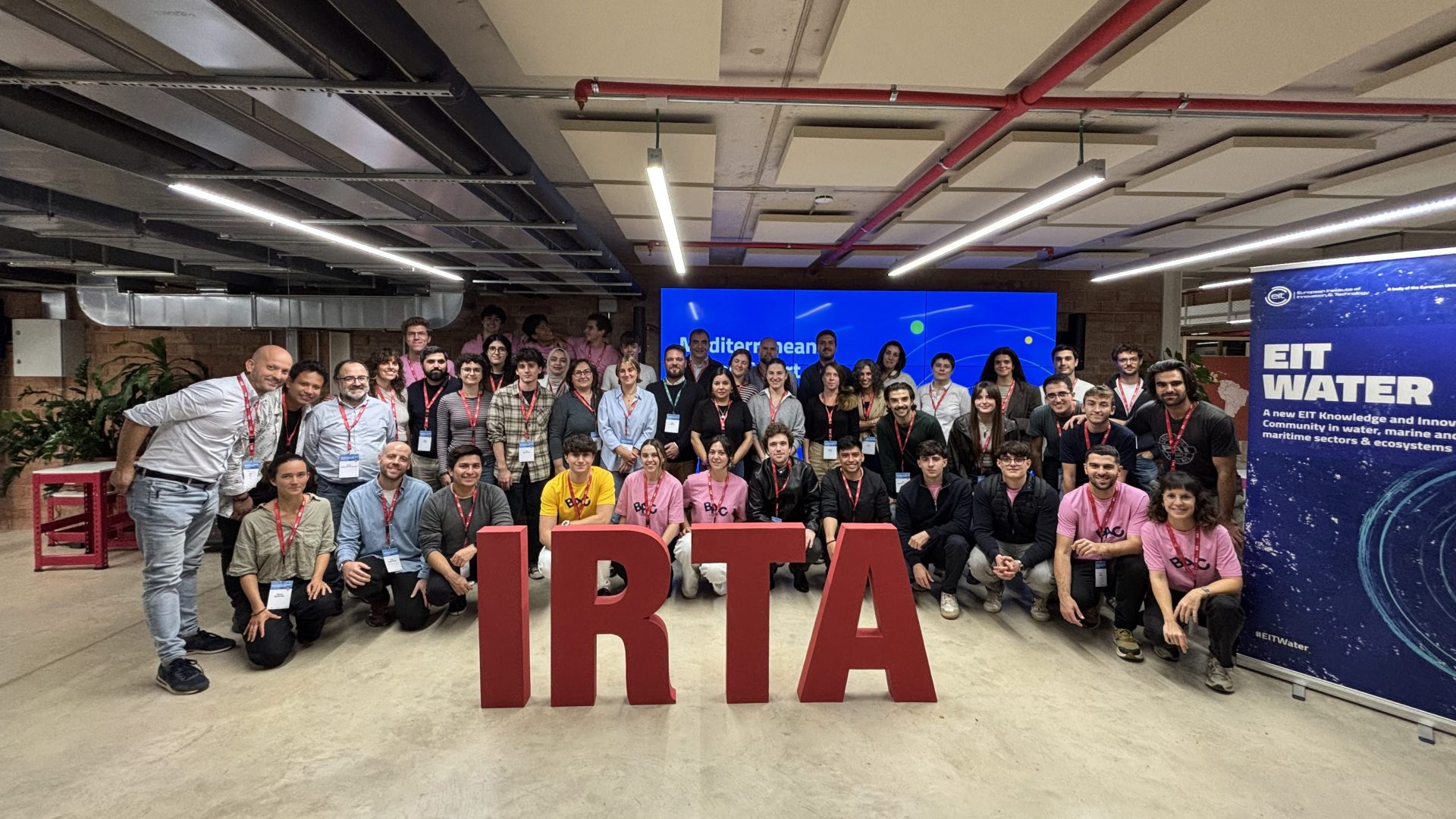
Last Wednesday, 18 November, at Bloc4BCN – Espai Cooperatiu, in the Can Batlló complex in Barcelona, the Mediterranean Water-Smart AgriFood Hackathon, the first hackathon organised by IRTA, took place. The event, promoted within the framework of EIT Water and with the collaboration of the X_AgriTech Network, introduced a new format designed to create a collaborative working environment where knowledge, experience and creativity come together to generate innovative responses to real challenges related to water and agri-food systems.
Climate change and increasing pressure on water resources are forcing the search for new ways to produce food and manage water. In this context, research and technological development are essential, but so too is creating spaces where different disciplines can work together to translate knowledge into practical solutions.
With this objective in mind, the hackathon brought together multidisciplinary teams for a full day of work, supported by experts, mentors and facilitators specialising in innovation. The process guided them from understanding a real-world problem through ideation, concept definition, prototyping and the final presentation of their proposal to a jury.
“The technologies we use in industry today often originate from earlier stages of ideation, innovation and testing against business needs. Spaces such as this hackathon are key to turning initial ideas into solutions with genuine potential for application in the sector,” said Andrea Eguíluz, Water Cycle Manager at Líquats Vegetals.
Unlike other formats focused on presenting already developed projects, the Mediterranean Water-Smart AgriFood Hackathon was built around pre-defined challenges linked to water management in Mediterranean agri-food systems: reducing freshwater demand for irrigation while maintaining agricultural productivity; advancing the safe reuse of water and resource circularity; and protecting water quality, soils and ecosystems in areas affected by water stress. Teams were required to understand the needs of the different stakeholders involved, generate ideas, assess their impact and feasibility, and transform one of them into an initial concrete proposal.
These three areas reflect challenges in which technological, environmental, economic, regulatory and social dimensions converge. In the case of irrigation, the challenge is to improve efficiency without compromising productivity or the viability of farming operations. In water reuse, issues such as safety, costs, regulations and confidence in the use of reclaimed water and other recovered resources come into play. As for protecting water, soils and ecosystems, the challenge is to identify solutions that reconcile food production with environmental quality and territorial resilience.
The objective was not to arrive at a finished technology within a few hours, but rather to explore new approaches and identify ideas with the potential to be further developed, validated or to inspire future solutions. The process enabled scientific and technical knowledge to be combined with diverse profiles, disciplines and perspectives, fostering a way of working based on open innovation.
Throughout the day, teams worked on understanding and reframing the challenges, generating and prioritising ideas, defining concepts and developing an initial prototype.
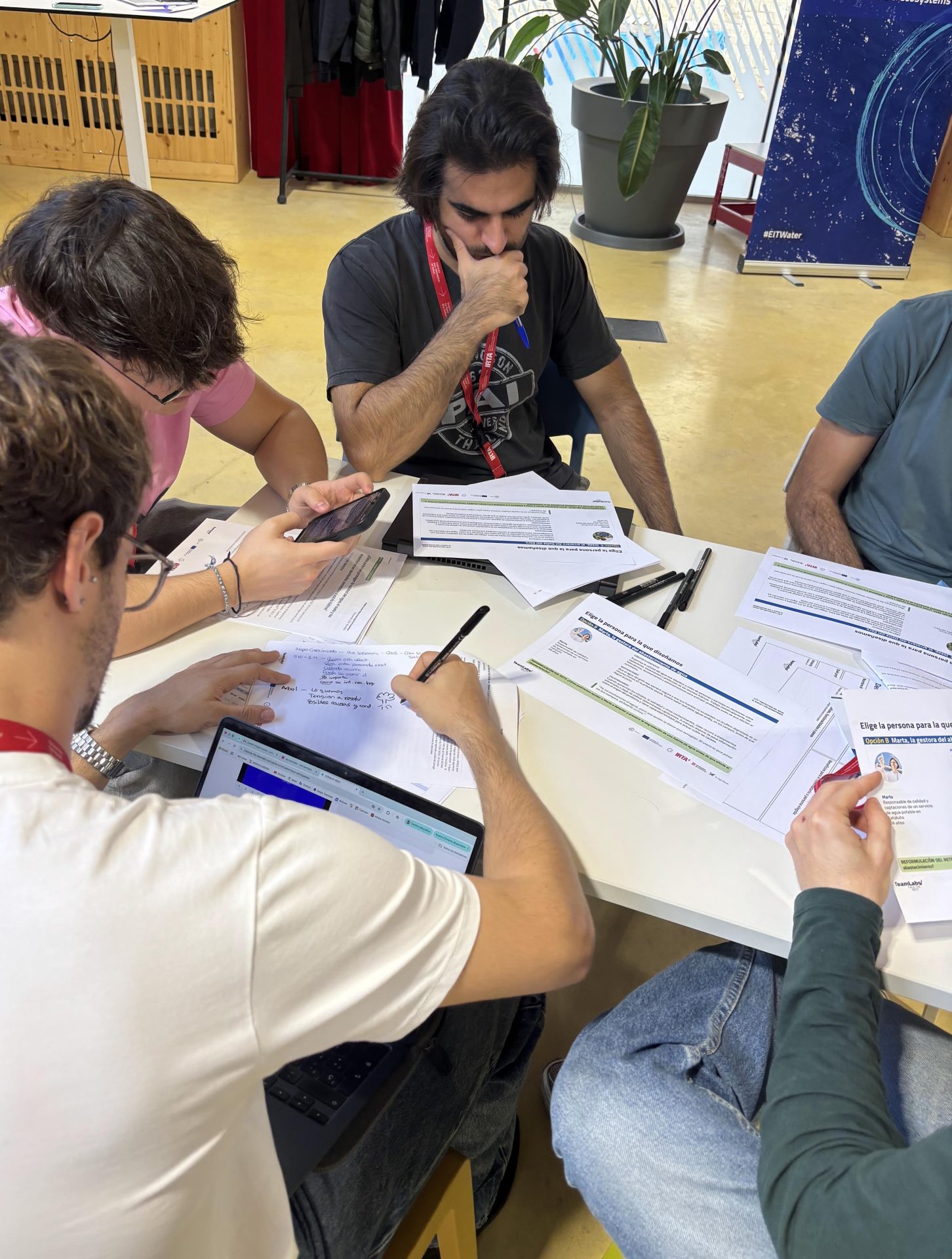
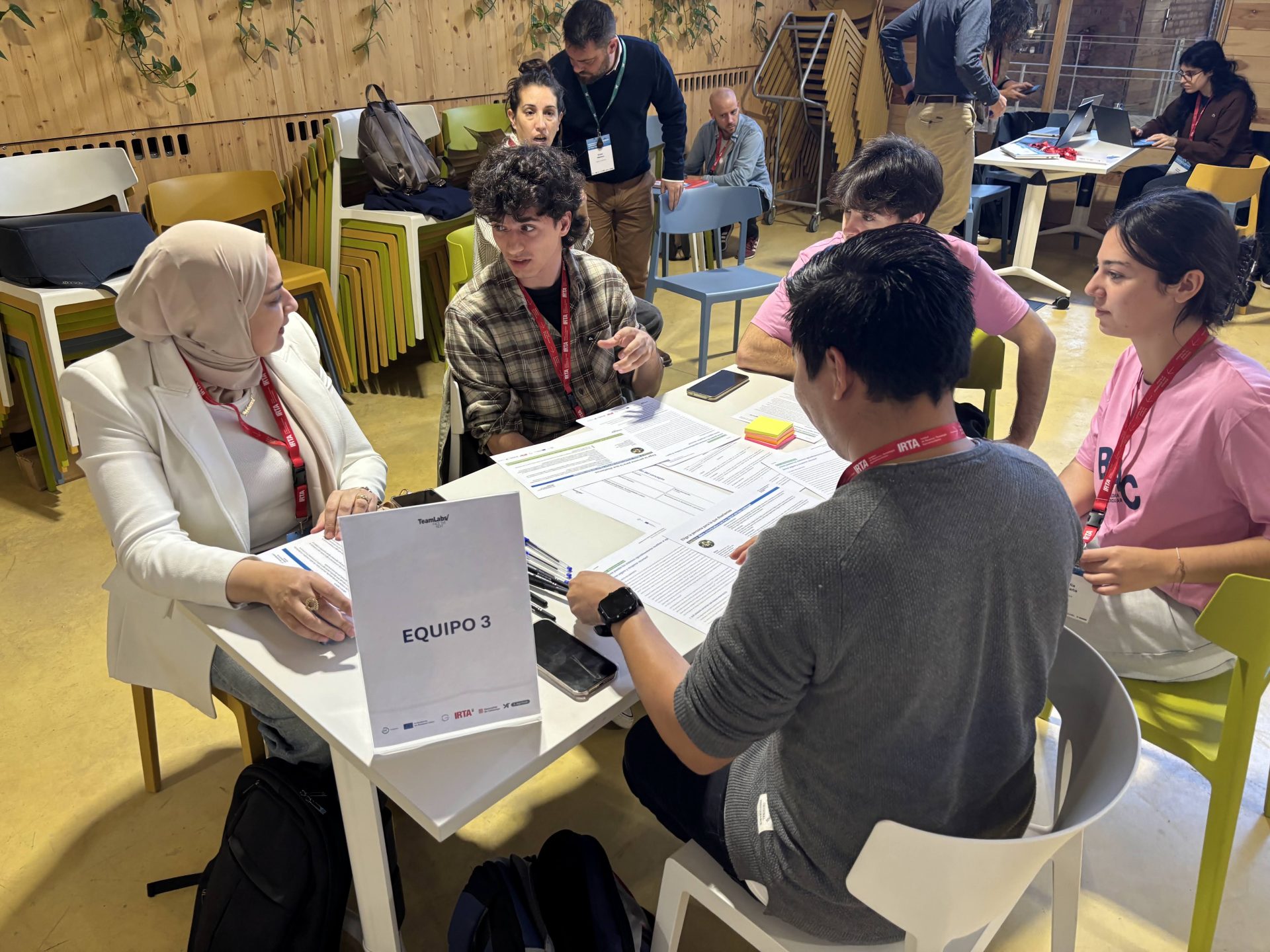
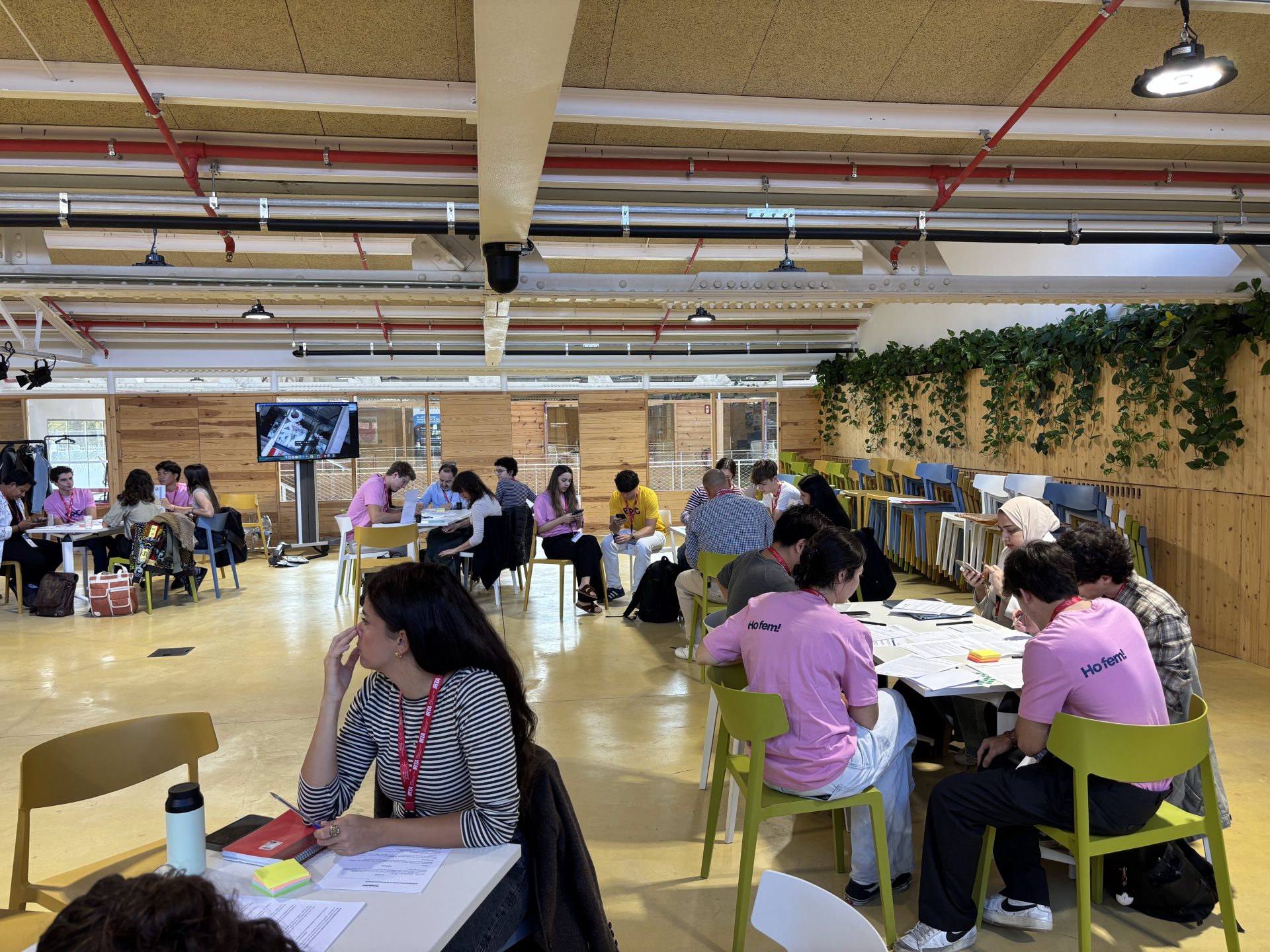
Throughout this process, participants were supported by mentors and experts, who helped them define the challenges, test their ideas and enrich their proposals from different fields of expertise. The initiative was delivered with the support of TEAMLABS, which introduced participants to the working methodology and ideation and prototyping dynamics.
Before the end of the day, each team was given five minutes to present its solution to the jury. The jury then evaluated the proposals and deliberated to select the three winning teams.
Teams developed their proposals from a broad perspective, considering both technical feasibility and the needs of the stakeholders who would be expected to adopt, use or promote them. The winning solutions addressed the three major challenges posed during the event: reducing freshwater demand for irrigation, advancing the safe reuse of water, and protecting water, soils and ecosystems.
Third prize went to Morada, with a proposal designed to facilitate the safe use of reclaimed water in agriculture through treatment adapted to crop requirements. Second prize, Delta Shield, tackled salinity in rice fields by combining samphire, monitoring sensors and biochar derived from rice residues. Finally, Biohydric received first prize with a proposal addressing the challenge of reducing freshwater demand, aimed at helping irrigation communities manage water resources more efficiently.
By organising its first hackathon, IRTA is exploring new ways to open up agri-food research and innovation challenges to diverse profiles and to create connections between scientific knowledge, talent, entrepreneurship and the productive sector.
The hackathon format makes it possible to work intensively on complex problems, incorporate different perspectives and generate initial concepts that can continue to evolve afterwards. In this sense, the event sought to create a space where the experience of experts and mentors could be combined with the creativity of the teams and a methodology focused on moving from problem identification to a concrete proposal.
“With this hackathon, we want to connect the entrepreneurial ecosystem, industry and innovation in order to work on real challenges and generate new ideas capable of addressing issues related to water management,” explained Jess Padilla, Head of Innovation and Entrepreneurial Ecosystem at IRTA.
The Mediterranean Water-Smart AgriFood Hackathon forms part of the activities promoted by IRTA since joining EIT Water at the end of 2025. EIT Water is the European Knowledge and Innovation Community dedicated to addressing major water-related challenges, of which IRTA is a core partner.
The format builds on the event held last September, the WAVEMAKER Business Creation Award Spain, an initiative aimed at helping start-ups, spin-offs and entrepreneurial projects advance the validation and implementation of innovative water-related solutions.
Through initiatives such as these, IRTA strengthens its role as a connecting point between research, innovation, talent and industry, while reinforcing its ability to foster collaborative environments that help transform scientific knowledge into new responses to one of the most strategic resources for the future of agri-food systems and territories alike: water.