
We support the agri-food sector in its meaningful digital transformation



How can we anticipate the arrival of new pests and diseases?
How can we reduce their impact on plant, animal, and human health, as well as on the economic sustainability of the agri-food sector?
How can we, from Catalonia, contribute to global health?
We want to stay one step ahead of emerging biological risks. We cannot wait for the problem to escalate. We must be proactive to protect global health and maintain a sustainable agri-food system.
Globalisation, climate change and the intensification of production systems favour the emergence and spread of infectious diseases: both new (emerging) and old familiar ones (re-emerging).
These are biological risks that can affect people, animals and plants, and be transmitted from one to another.
They can therefore have a direct impact on food security, animal and plant health, the agri-food economy and public health.

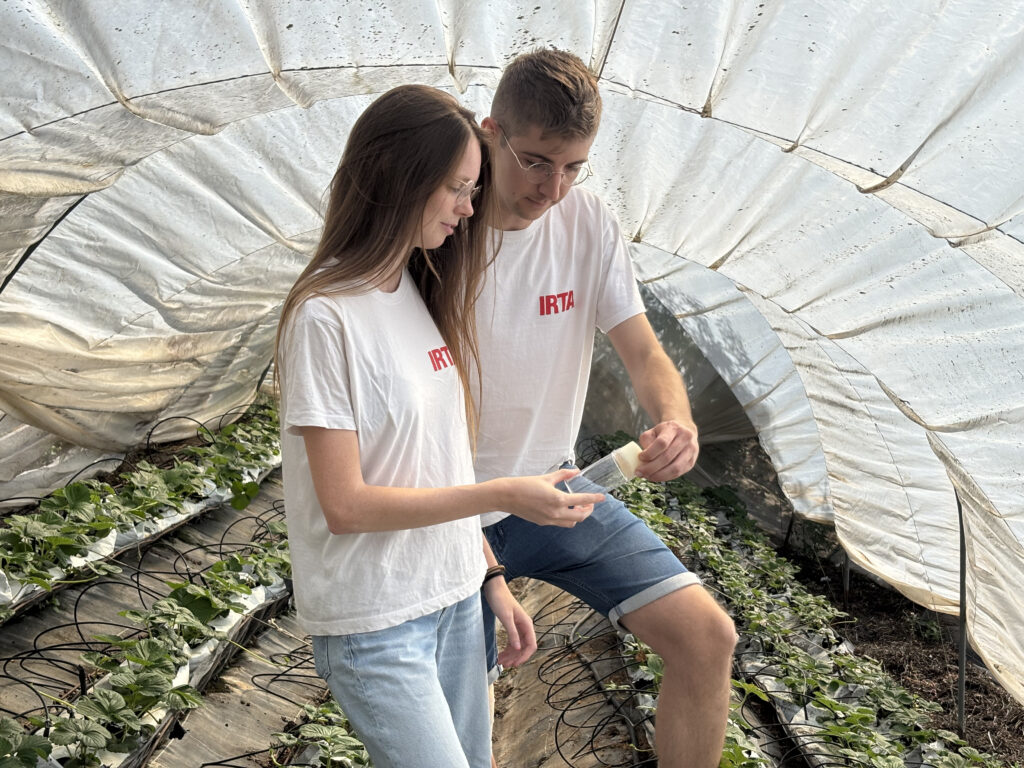
Climate change affects plant health and encourages the spread of pests caused by microorganisms or insects.
It also facilitates the arrival in our territory of new types of mosquitoes, some of which can transmit diseases to animals and humans.

Furthermore, globalisation is accelerating the spread of microorganisms across the globe. A clear example is SARS-CoV-2, the virus responsible for the COVID-19 pandemic.
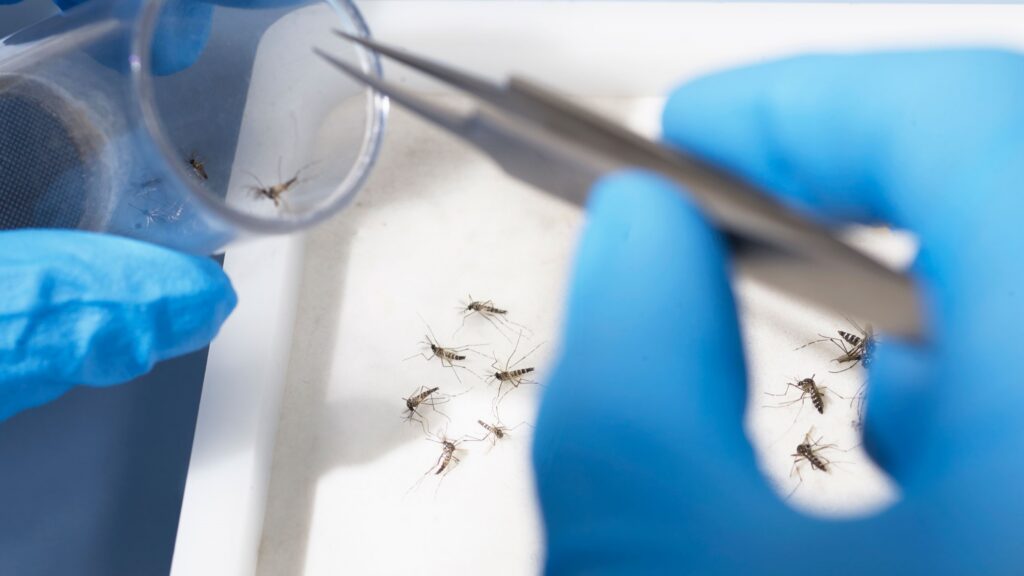
Today, more than ever, the health of ecosystems, animals and people is deeply interconnected. For example, three out of every four new human pathogens detected worldwide over the last thirty years have originated in animals.
This integrated vision is known as One Health, a concept that promotes a collaborative and multidisciplinary approach to addressing global health risks from a joint perspective: human, animal and environmental.
At IRTA, as a centre for agri-food and bio-health research, we are committed to anticipating these risks and providing innovative solutions to mitigate their effects and strengthen the resilience of food systems.
We are currently focusing on the following areas of activity:
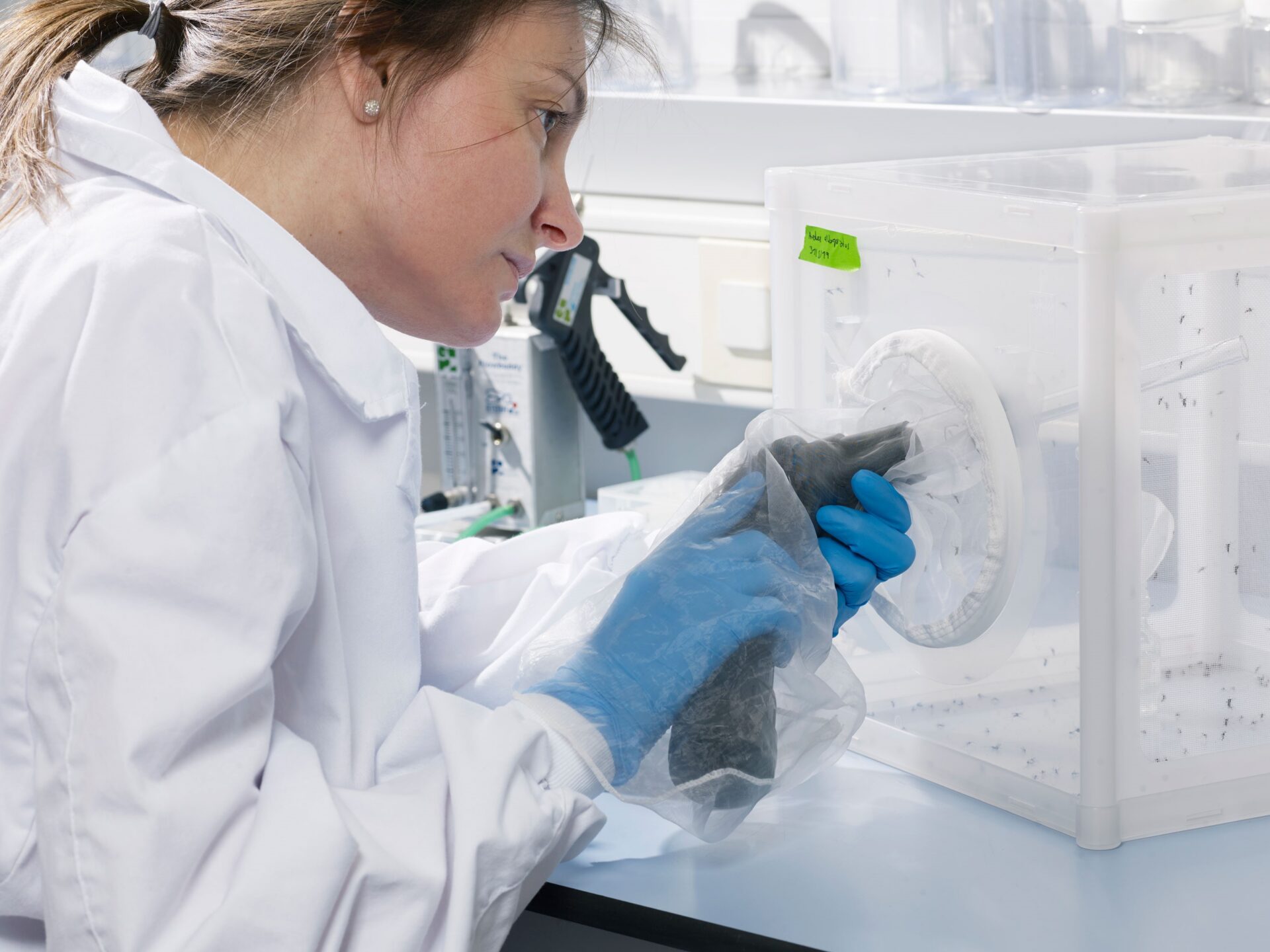
We want to promote advanced epidemiological surveillance systems that will help us predict the emergence of new pests and diseases before they become a real threat.
This will allow us to reduce the vulnerability of farmers and livestock farmers and protect the health and safety of society as a whole against emerging biological risks.
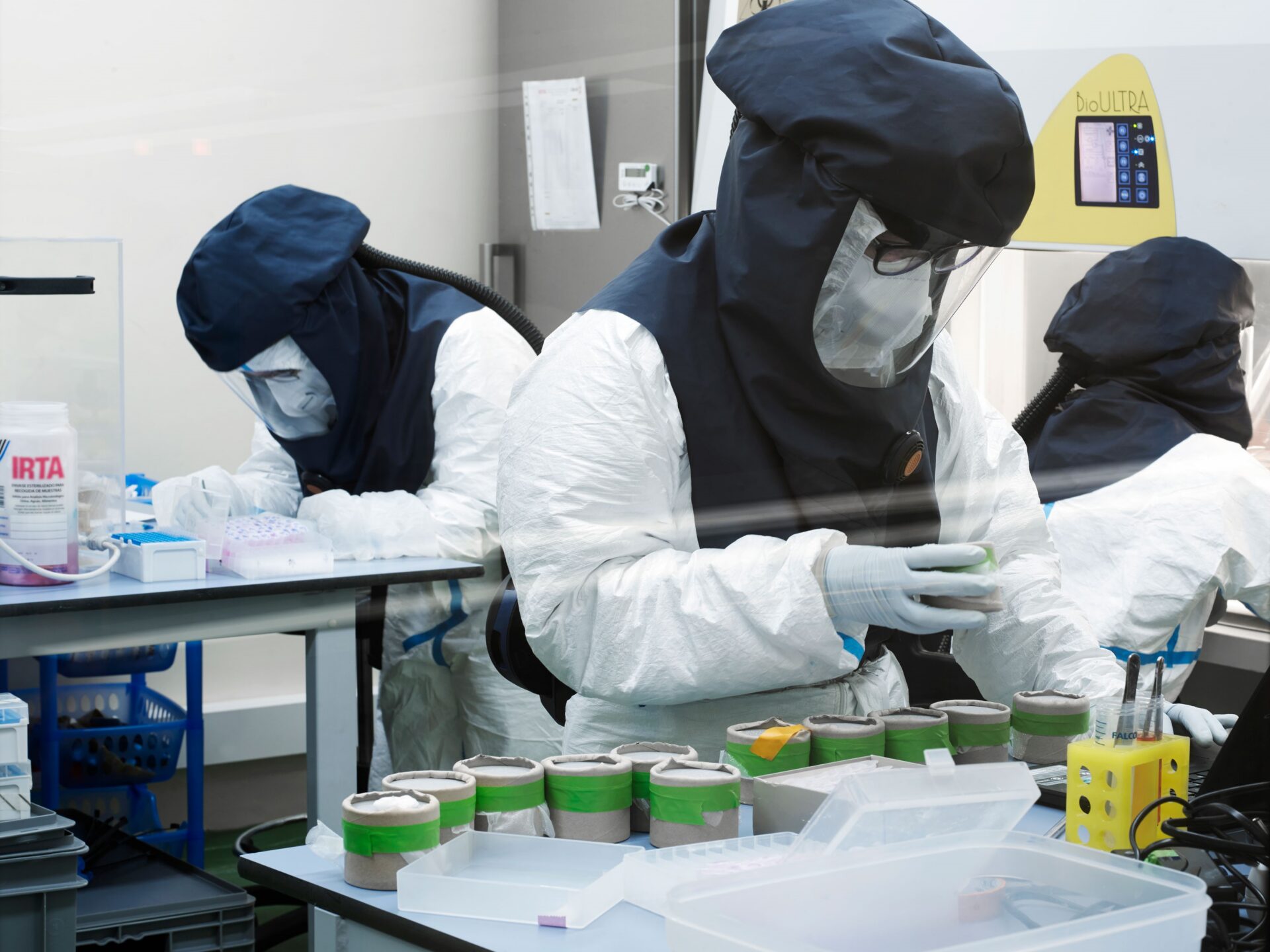
We want to develop methods for early detection and diagnosis that will enable us to identify new pests and diseases before they spread.
In health crises, this capacity will help us to launch a rapid and coordinated response that minimizes the impact on public health and reduces the economic consequences for the agri-food sector.
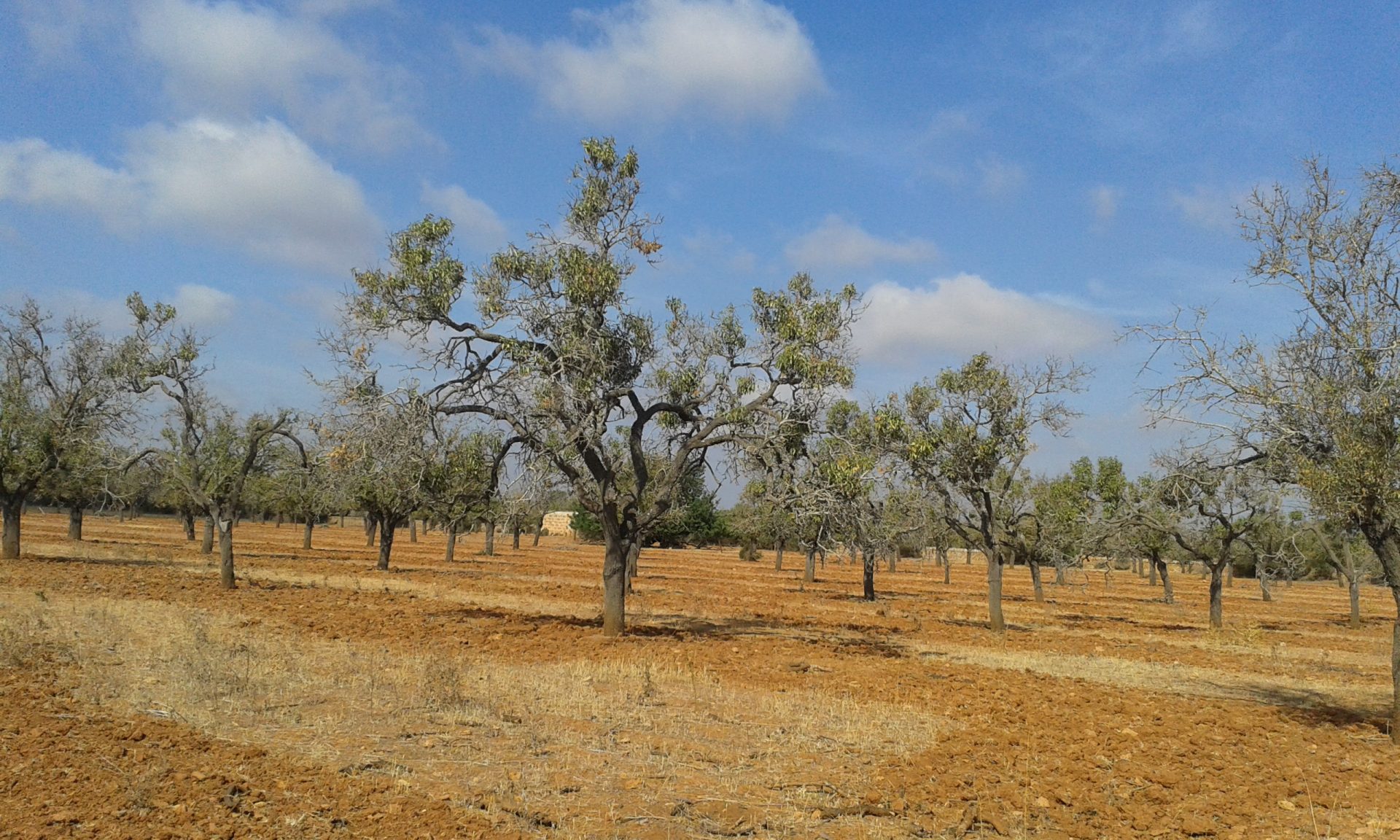
We want to develop effective prevention tools to prevent the emergence and spread of emerging pests and diseases.
This will enable us to strengthen the resilience of the agri-food and healthcare sectors in the face of new biosecurity challenges and mitigate the impact of future threats.
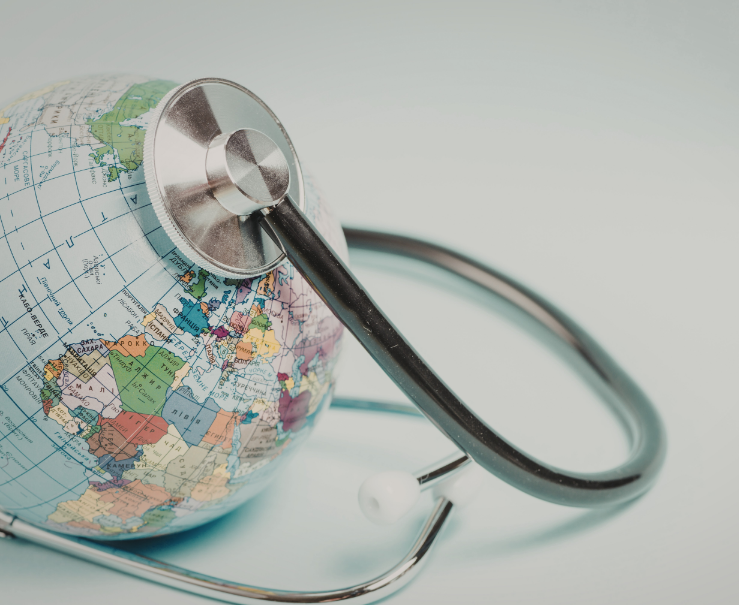
We are working to establish an expert committee within One Health, composed of professionals from IRTA and other organizations.
Because addressing biological risks requires an integrated, cross-cutting, and multidisciplinary approach that recognizes that the health of people, animals, and the environment is inseparable and fully interconnected.
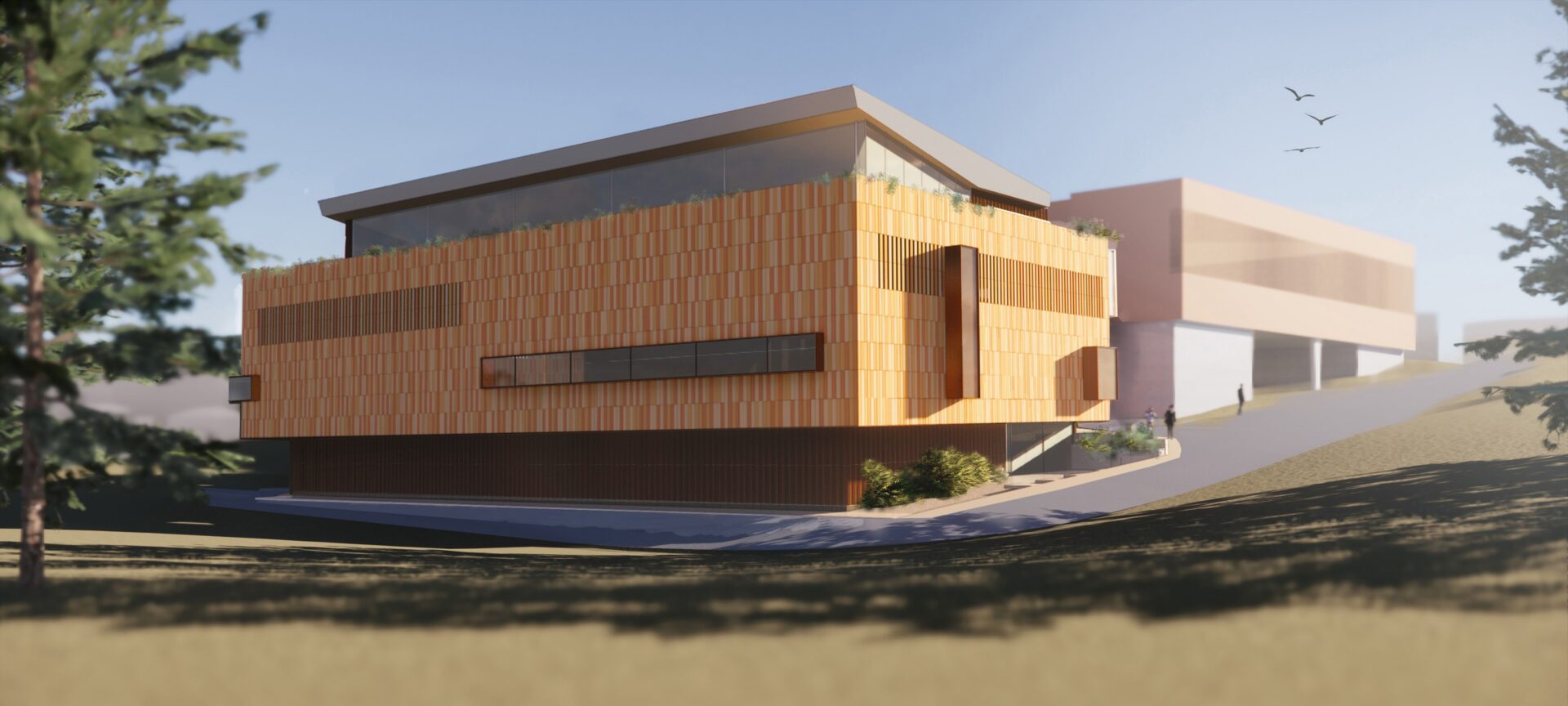
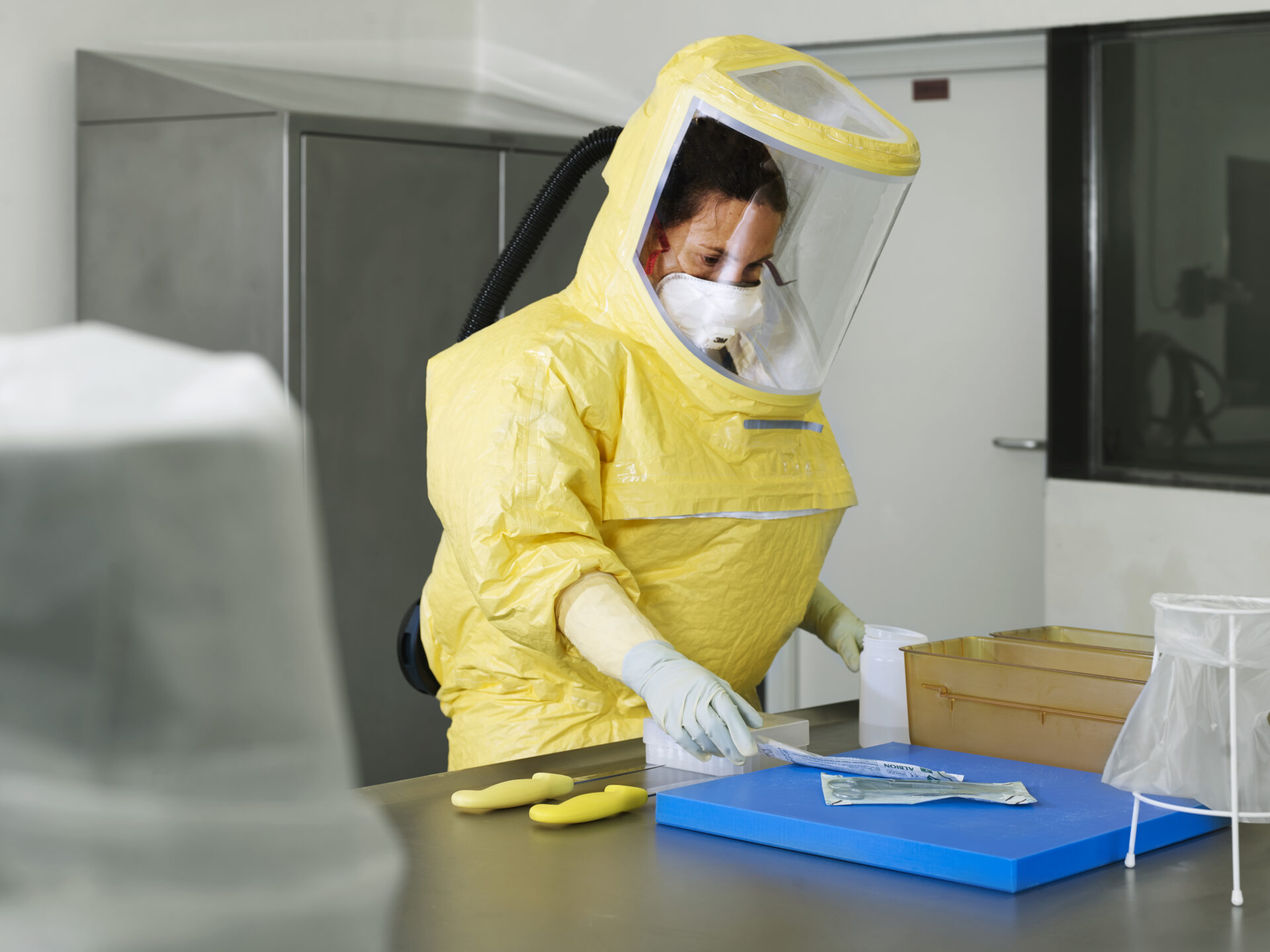
We are expanding our high-biosecurity facilities with the construction of a cutting-edge infrastructure in Catalonia, located at IRTA-CReSA.
This new facility will enable us to collaborate closely with both Catalan and international biomedical research groups to advance our understanding and management of emerging biological risks.
We want IRTA to continue establishing itself as a leading centre for biosecurity and public health, and for Catalonia to be a leader in preparedness and response to health crises in the agri-food sector.
And we are not doing this alone: we are doing it in partnership with organisations, companies and public bodies in the agri-food and health sectors, because we are convinced that working together and with generosity is the only way to respond to the great challenges of our times.
Start date: 01/07/2021
End date: 30/06/2026
Project Code: A4262_10107
Acronym: DECIDE_Fase2

Start date: 01/01/2022
End date: 31/12/2027
Project Code: V7070_18035
Acronym: Agrolabs Digitals
Start date: 01/09/2025
End date: 31/08/2028
Project Code: A4368_16821
Acronym: APROVO
Start date: 01/01/2024
End date: 30/06/2026
Project Code: A4000_15909
Acronym: Unitat d'alta biocontenció de sanitat animal
Start date: 01/07/2022
End date: 30/06/2026
Project Code: A4000_13476
Acronym: RLASB IRTA-CReSA
We support the agri-food sector in its meaningful digital transformation
We work with the territory to improve water management
We study how to improve the health of Catalan agricultural soils
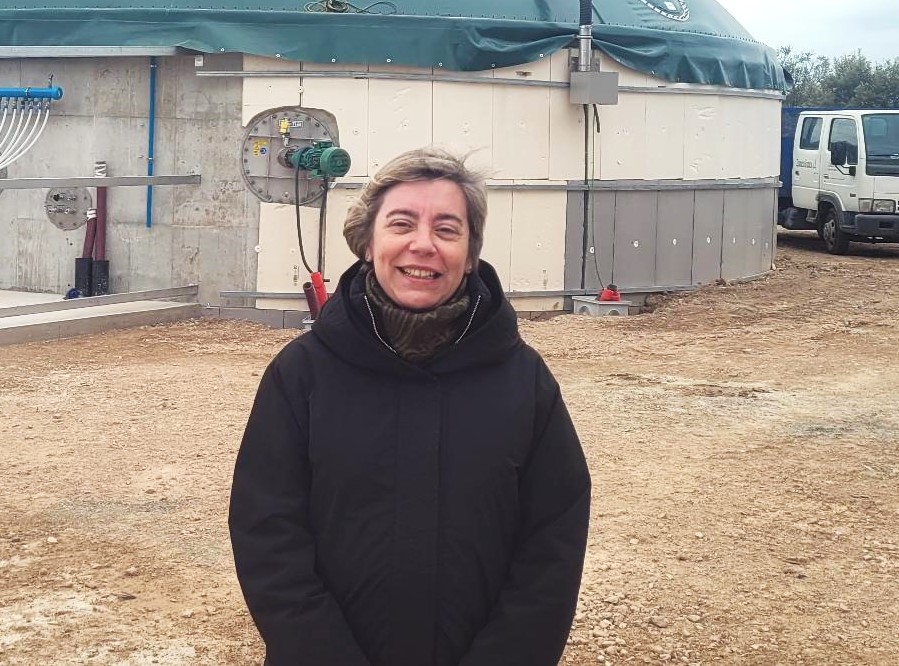
We promote the bioeconomy to reduce the sector’s environmental impact
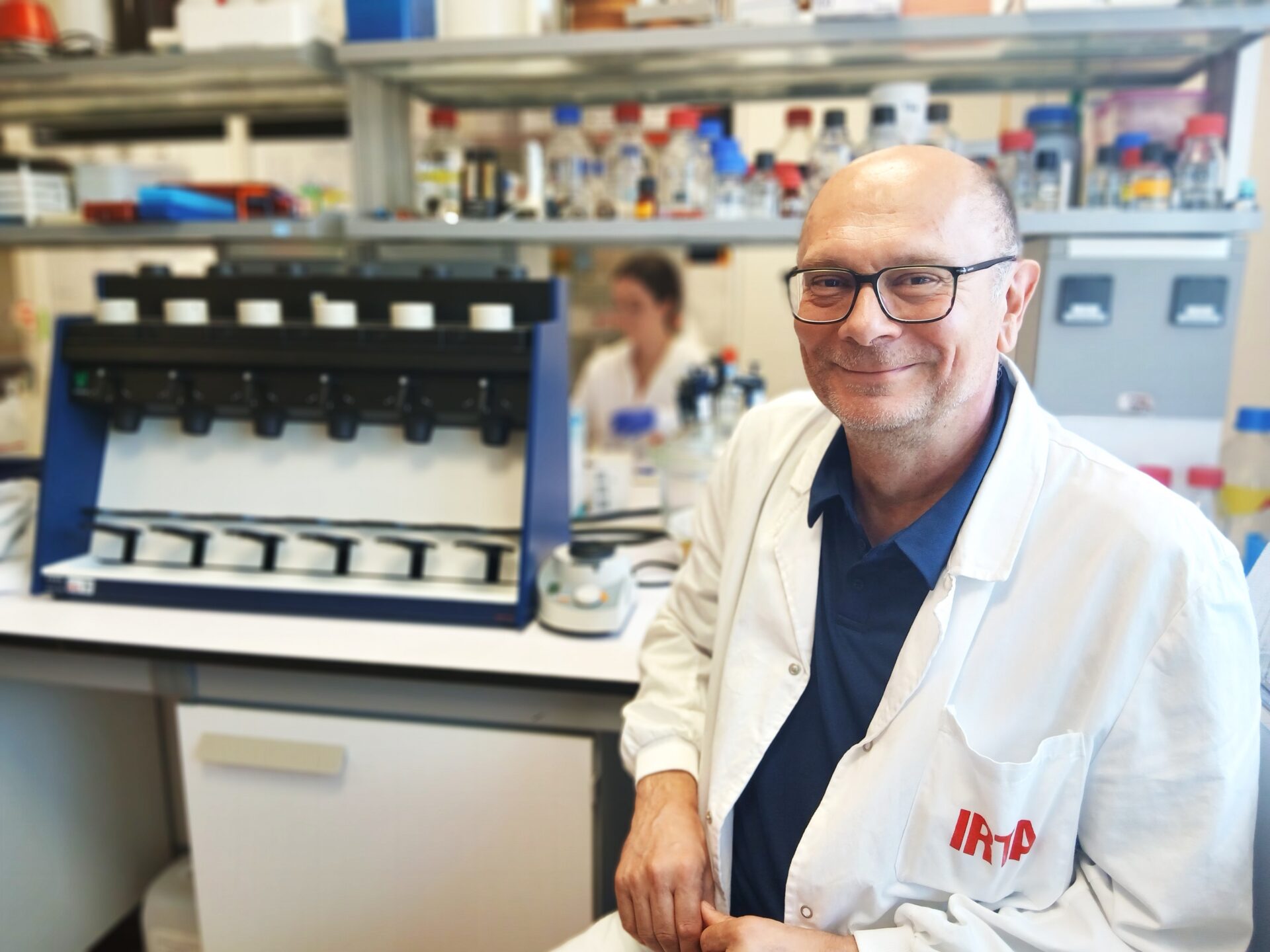
We explore how to boost alternative protein sources in Catalonia
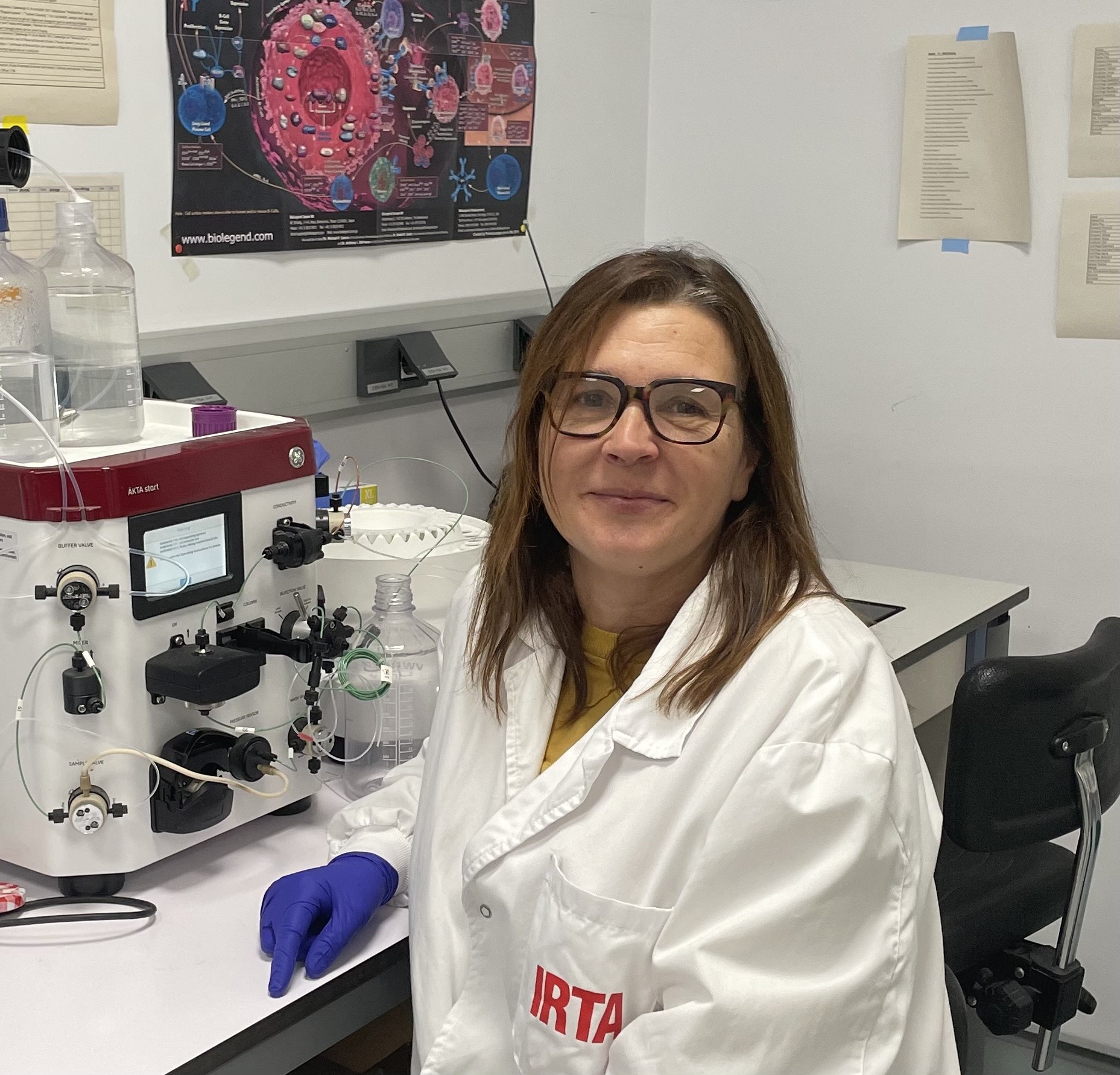
We want healthy, strong animals that rarely need antibiotics
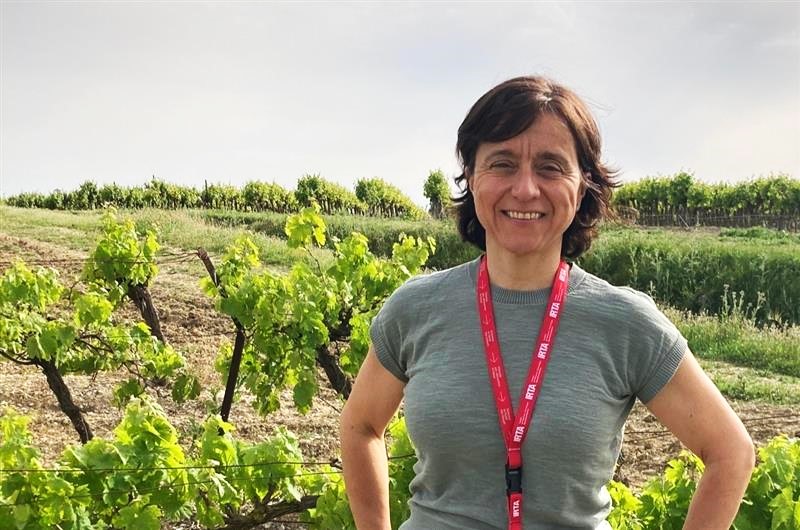
We work to strengthen the resilience of the Catalan wine sector

