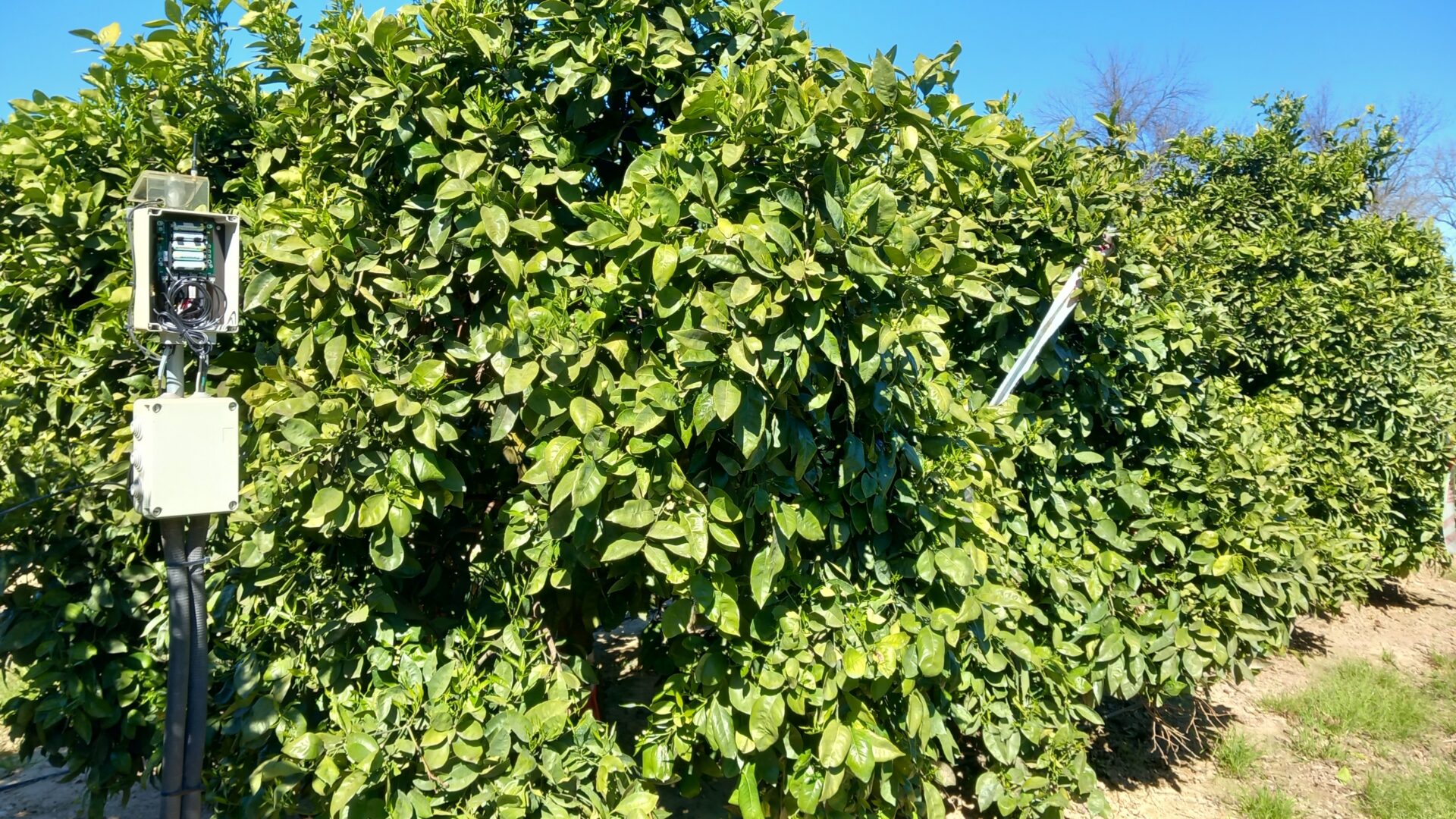
In a third activity, focused on the effectiveness of authorised plant protection products, the most important conclusion was not which product works best, but when it is applied. The comparison between two seasons using different strategies illustrates this clearly: in 2025, a treatment applied at the end of July arrived when the damage had already become established in the crop, and the untreated plot ultimately exceeded 33% damage. In 2026, by contrast, an early intervention in mid-June managed to keep overall damage below 10%, far from the 27% recorded on the unmanaged farm. This opens the door to developing new treatment warning strategies when predictive models indicate a particularly challenging season. Among the products tested, one showed the greatest “knock-down effect”, reducing the insect population to virtually zero even during the peak period of pest pressure.
Beyond visible damage, the study confirmed that pest control also protects hazelnut quality: on the farm where early treatment was applied, acidity remained at values typical of fresh hazelnuts (0.20%), whereas in areas without control measures acidity increased by up to 50%.
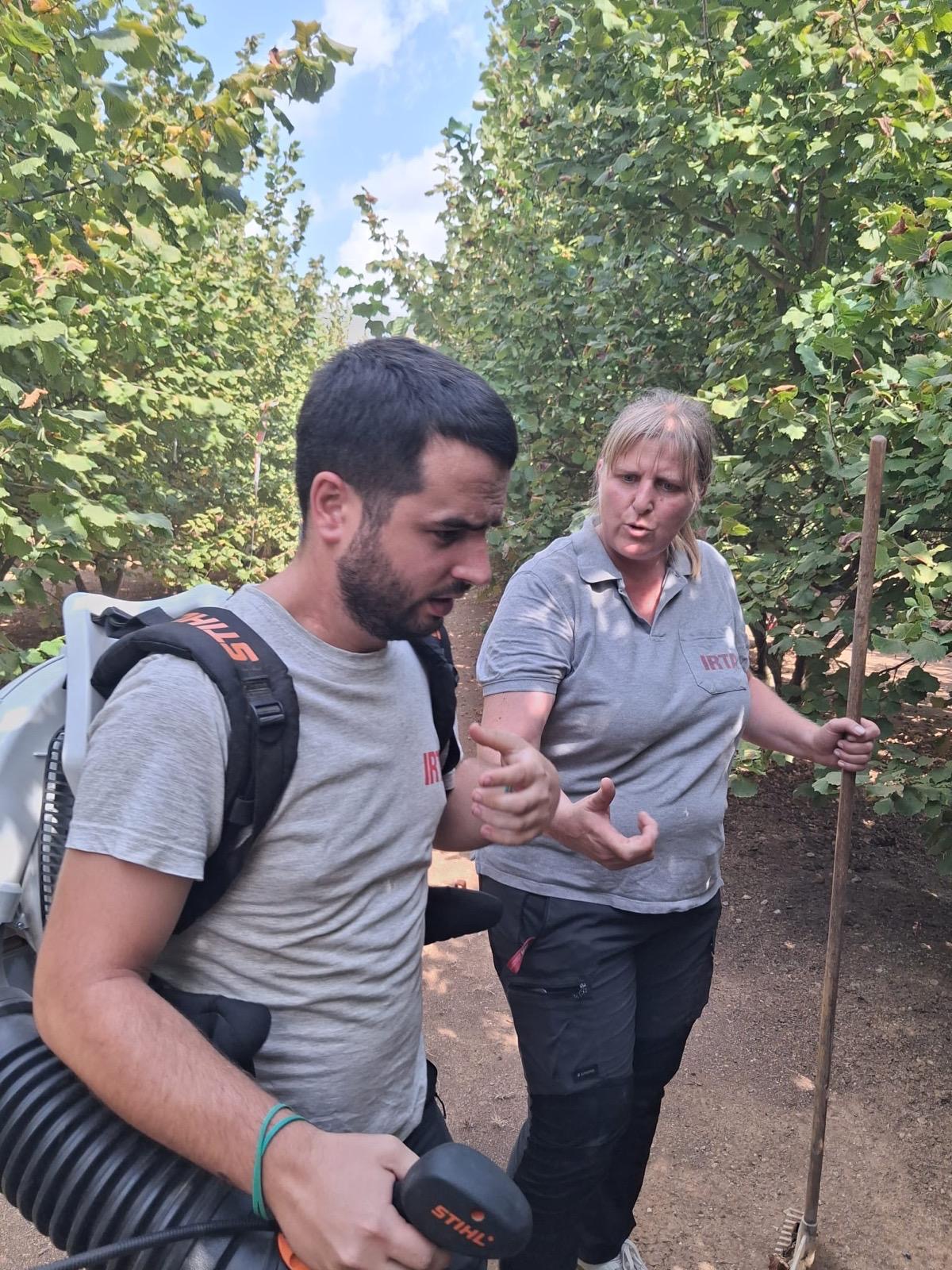
The fourth activity focused on a different challenge: how to detect damage on the processing line that cannot be seen from the outside. Unlike rot, white spot and other internal defects such as cavity formation or black heart do not alter the external appearance of the kernel and are often only discovered once the hazelnut has been roasted and skinned, which is why current optical sorting systems are unable to detect them.
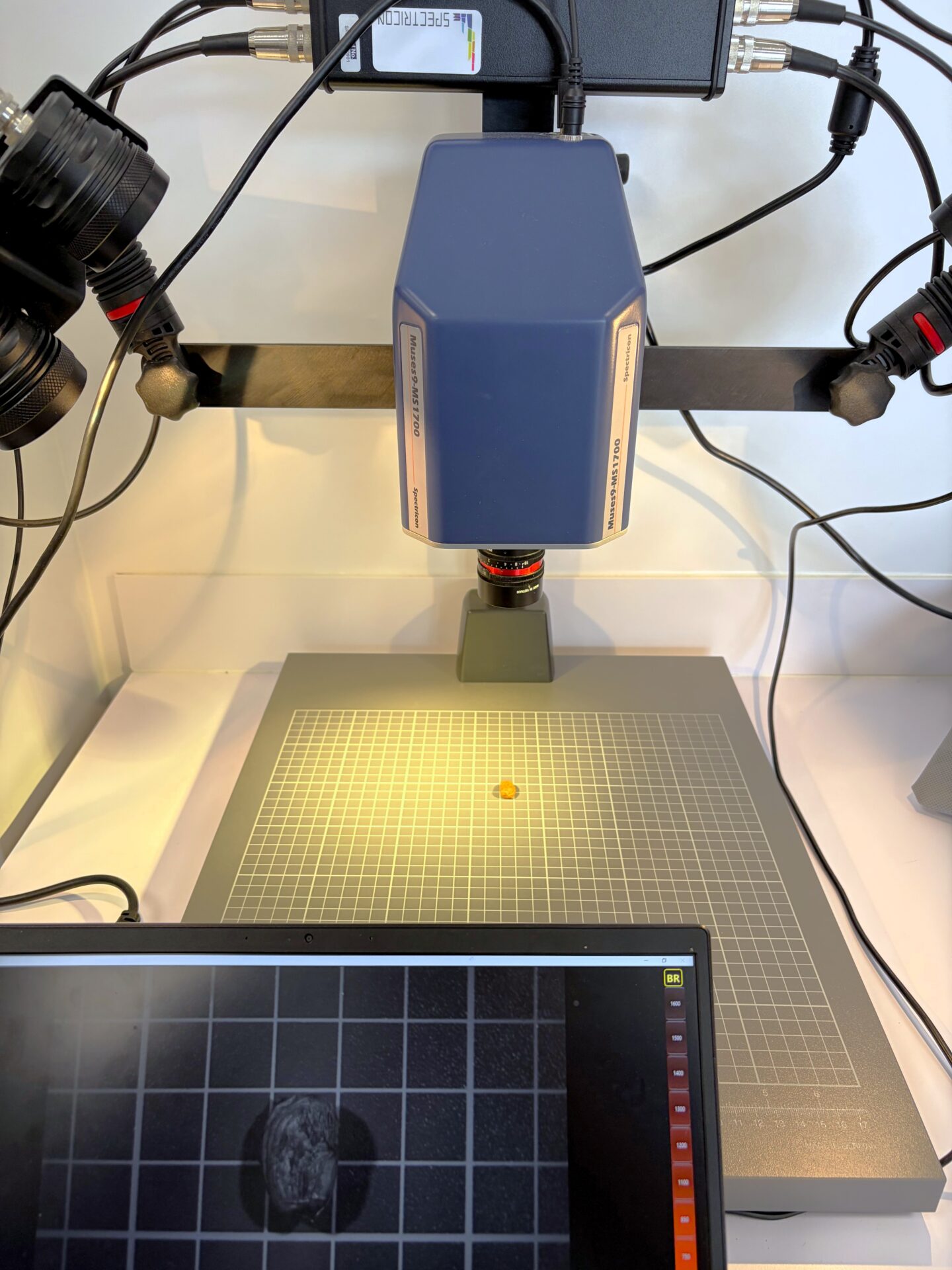
In collaboration with the Multispectral Biodetection Group at the Public University of Navarre (UPNA), led by Professor Miguel Beruete, IRTA has explored terahertz (THz) imaging, a technology capable of penetrating the whole kernel in a non-destructive manner. The first statistical models developed using the Terasense system (140 GHz), installed at IRTA’s pilot plant in Mas Bové, achieved particularly strong discrimination performance, successfully detecting more than 70% of damaged hazelnuts without the need to open or destroy the fruit. “Although the results are still preliminary and based on a relatively small sample, they confirm the potential of terahertz technology as a non-destructive inspection tool,” says Leontina Lipan. The team is now expanding the sample size and comparing this technology with hyperspectral imaging and near-infrared (NIR) imaging to determine which system is most suitable for integration into an industrial processing line.
Implementation of the 2023-2027 CAP Strategic Plan co-financed by:




Hazelnuts and industrial suitability of nuts researcher specialist