The ClimaFruit demonstration activity, coordinated by IRTA, confirms a progressive reduction in winter chill accumulation in Catalonia’s main fruit-producing areas and provides scientific knowledge to guide varietal selection, the planning of new orchards and adaptation strategies in response to climate warming.
Climate change is no longer a future threat to Catalan fruit crops but a reality that is altering the environmental conditions under which key species such as the apple tree, pear tree and almond tree develop. To better understand these changes and provide the sector with useful tools to adapt to them, IRTA has coordinated the ClimaFruit demonstration project, an initiative that over the past three years has analysed the current and future effects of climate change on three of Catalonia’s main fruit crops.
The project has generated new scientific and technical knowledge on the impact of global warming on Catalan fruit production, combining the analysis of historical climate data, the study of crop physiological responses and the simulation of future climate scenarios. The results provide valuable information to support strategic decision-making across the sector, from varietal selection to the establishment of new orchards and the adoption of adaptation measures.
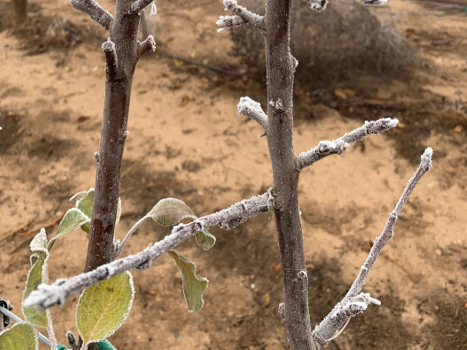
The Mediterranean Basin is one of the regions most vulnerable to the effects of climate change. Available projections indicate a continued increase in temperatures, milder winters, a higher frequency of heatwaves and changes in rainfall patterns. These changes directly affect fruit tree development, particularly during winter dormancy, a critical phase in ensuring proper bud break and flowering.
In recent years, growers have already observed some of these effects in the field. These include quality issues in apples associated with high temperatures, episodes of leaf scorch in pear trees and floral abnormalities in almond trees linked to increasingly warm winters.
Against this backdrop, ClimaFruit was conceived as a tool to quantify these impacts, understand the mechanisms behind them and anticipate how they may evolve throughout the 21st century.
One of the project’s main findings has been the scientific confirmation of the progressive decline in winter chill across Catalonia’s main fruit-producing areas. The analysis of long-term climate records shows a clear trend towards a reduction in the chill portions accumulated during winter, a key indicator for the proper development of deciduous fruit trees.
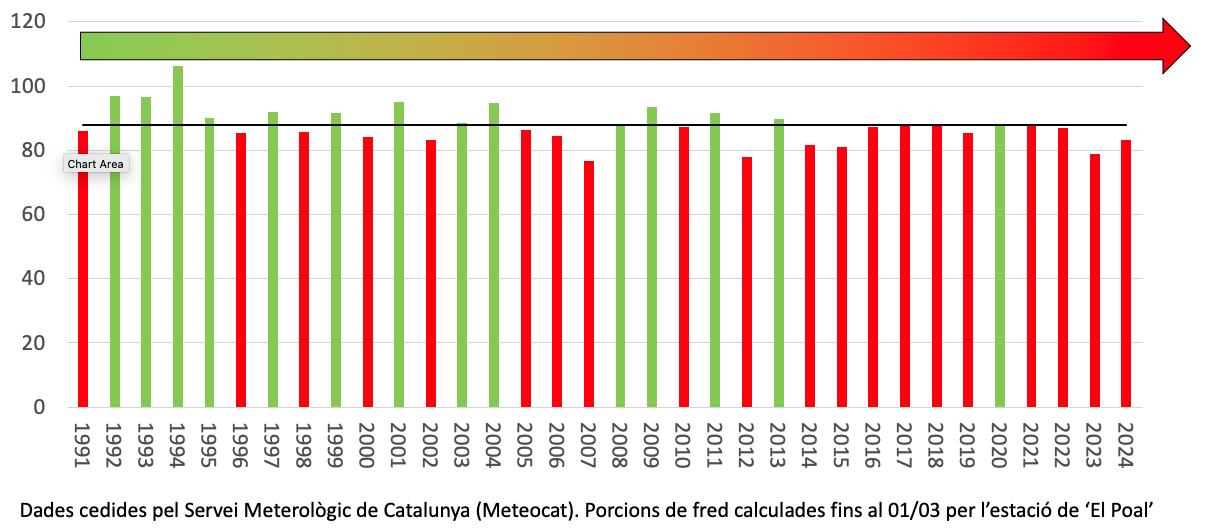
Accumulated chill portions according to the Dynamic Model for each winter at the El Poal meteorological station (data calculated up to 1 March). The horizontal black line indicates the average value for the period. The green and red colours indicate whether a given year was above or below this average value, respectively.
This process is particularly significant because insufficient winter chill can lead to irregular flowering, poor bud break, reduced fruit set and yield losses. The results indicate that recent winters have accumulated progressively less chill and that this trend could intensify over the coming decades.
At the same time, the project has made it possible to determine the chill and heat requirements of different commercial apple cultivars, identifying plant material that is better adapted to future scenarios characterised by mild winters. Cultivars such as Lory®, Galy® and Luiza® have shown lower chill requirements, making them promising alternatives for future plantings under a warming climate.
The results also show that there is no single response to climate change. Each species has different chill requirements, phenological patterns and limitations, highlighting the need to develop crop-specific adaptation strategies.
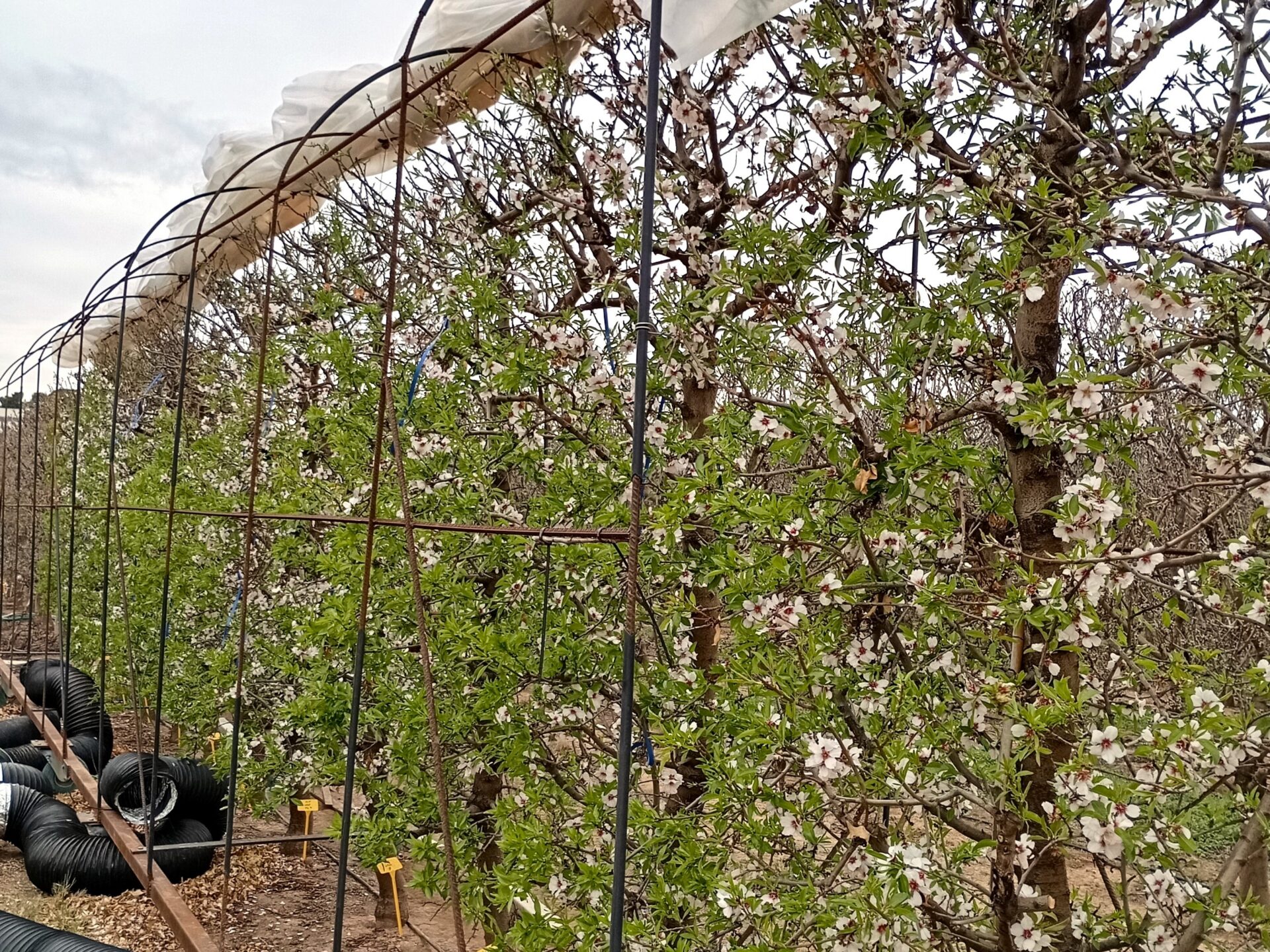
Research carried out on almond trees has enabled the reproduction of different future climate scenarios and the assessment of their effects on flowering and productivity.
The results show that a significant reduction in winter chill negatively affects fruit set and productive performance, but they have also highlighted a factor that had received less attention until now: the impact of high temperatures during the weeks immediately preceding flowering. According to the study, warm spells at the end of winter can disrupt flower development, increase the number of abnormal flowers and significantly reduce final yields.
These observations indicate that future adaptation strategies will need to take into account not only winter chill availability but also rising temperatures during the pre-flowering period.
Beyond diagnosing the challenges, ClimaFruit has also evaluated potential strategies to reduce the effects of climate change on fruit crops. The measures assessed include the use of products to promote dormancy release in apple trees and different management practices in almond orchards.
The results indicate that some of these tools can help advance or standardise flowering in certain cultivars, although further research is required to assess their effectiveness and applicability under commercial conditions. Nevertheless, they represent a valuable long-term planning tool for the Catalan fruit sector. The information generated can help guide investments, select suitable cultivars and determine the best locations for new orchards based on the climatic conditions expected over the coming decades.
“Climate change is changing the rules of the game for fruit production. Having scientific evidence on how crops are likely to respond allows us to anticipate decisions and help the sector prepare with greater confidence for the challenges ahead,” says Jaume Lordan, researcher in IRTA’s Fruit Production programme and coordinator of the project.
Overall, the project provides a solid scientific basis for guiding the adaptation of Catalan fruit production to new climate scenarios, facilitating decision-making for growers, advisers, companies and plant breeding programmes alike.
Action under the CAP Strategic Plan 2023–2027, co-financed by: