The Institute is present at FoodTech Innovarena, the space dedicated to innovation within the Foodtech 2026 Food Fair, with activities aimed at connecting research, industry, entrepreneurship, and investment to accelerate the transformation of the agri-food sector.
IRTA is participating in Alimentaria FoodTech 2026 this week, the leading trade fair for technologies, equipment, ingredients, and solutions for the food industry, which is being held from October 6 to 8 at the Gran Via Fairground in Barcelona.
The Institute’s presence is focused primarily on the FoodTech Innovarena, the space that concentrates the fair’s innovation and knowledge, where companies, technology centers, startups, and experts share trends, success stories, and new solutions to advance towards a more efficient, safe, and sustainable food production.
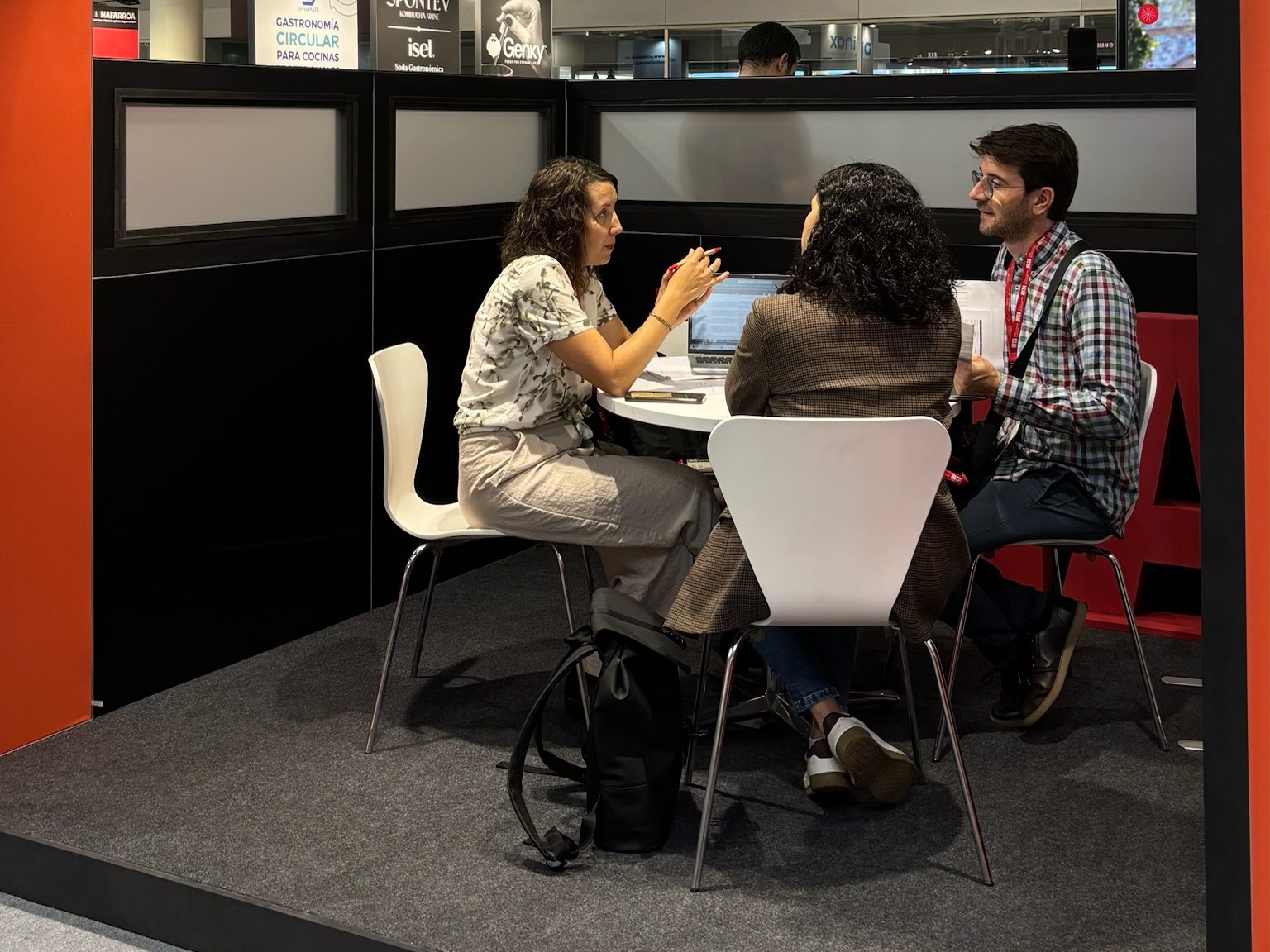
In this space, IRTA participates in various formats of activity, such as the conferences and debates at the Speaker’s Corner, the technological presentations and demonstrations at the Innovation Room, and the Start-up Corner, a space promoted by the Institute where emerging companies and entrepreneurs present their projects to professionals, investors, and other stakeholders in the agri-food ecosystem.
The push for open innovation is precisely one of the main focuses of this edition of Alimentaria FoodTech. The Innovarena space brings together startups, companies, research centers, and R&D institutions with the goal of generating new collaboration opportunities and facilitating the market entry of innovative technologies for the food and beverage sector.
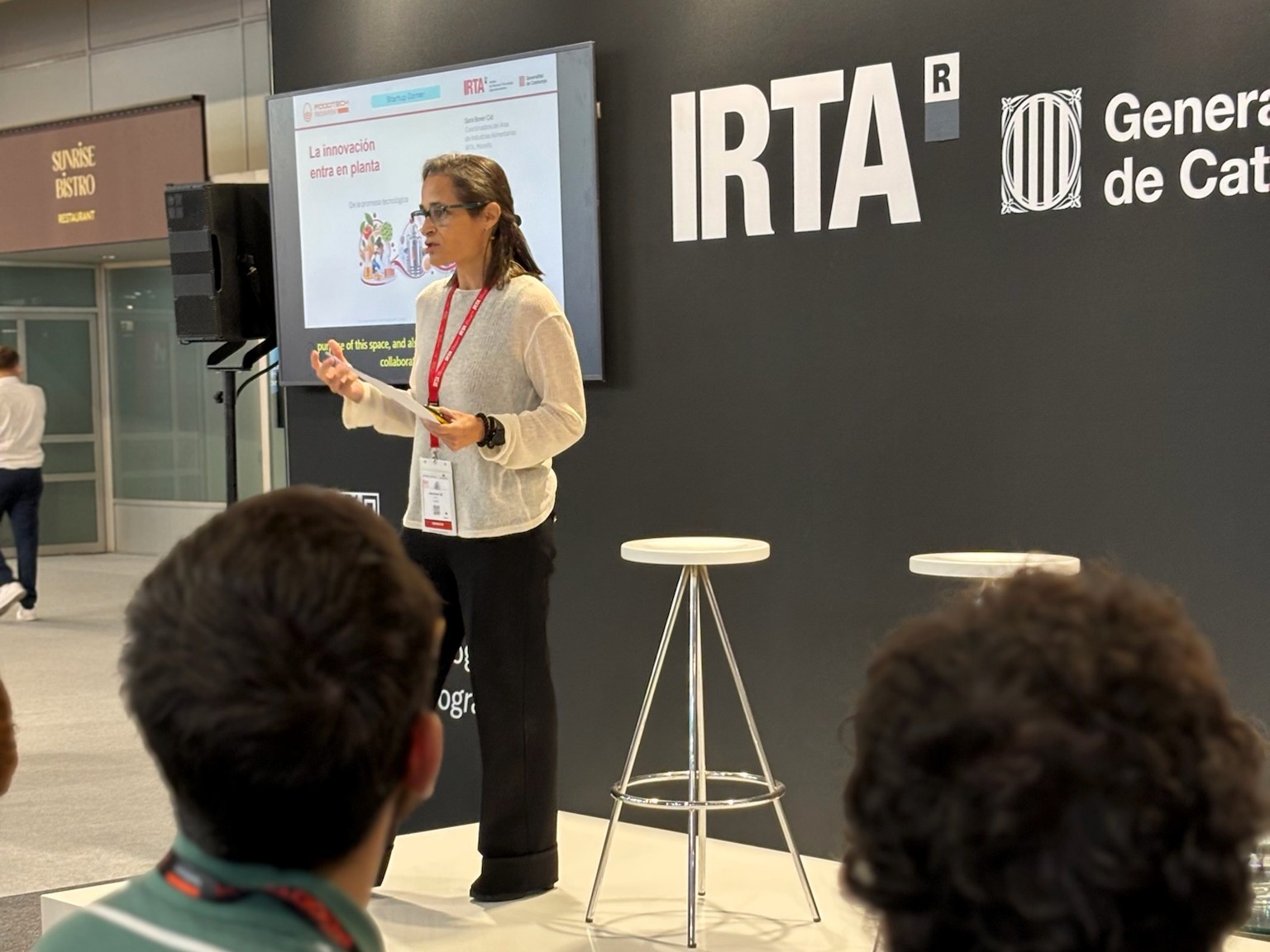
“From the Food Industries Area, we like to come here because it’s a way to collaborate, to get closer to companies, and to help innovations, technologies, and solutions that add value take a step further toward adoption. We bring knowledge and, above all, evidence of its validity,” says Sara Bover, head of the Food Industries Area at IRTA.
Participation in Alimentaria FoodTech is also part of IRTA’s knowledge transfer activity to the business community. The trade show offers a prime setting to showcase scientific and technological capabilities, identify industrial needs, and generate new collaborations with companies and stakeholders in the food supply chain.
IRTA’s presence at Alimentaria FoodTech also allows its teams to learn firsthand about the latest innovations transforming the food industry, from digitalization and automation to new processing technologies.
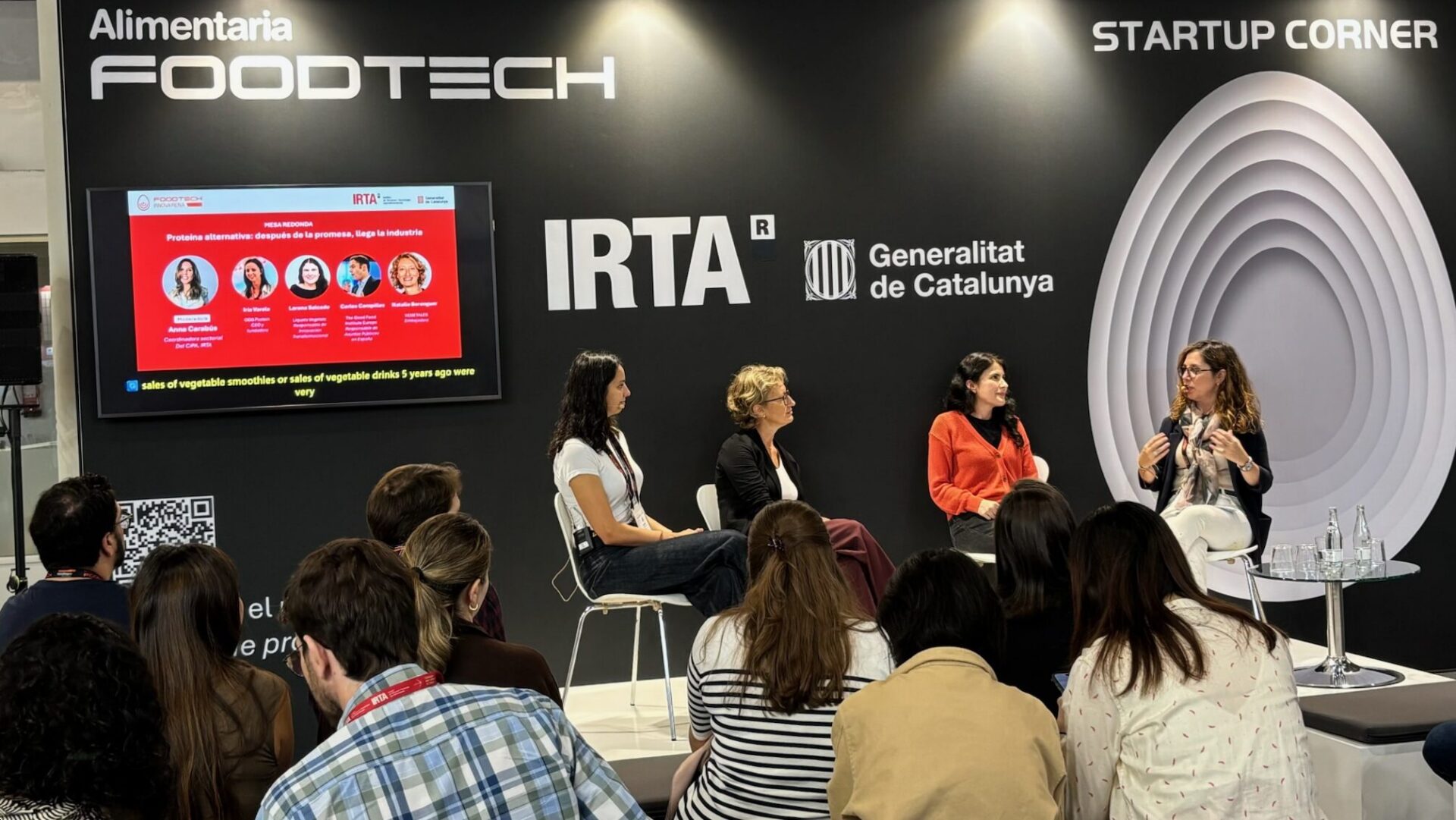
“Attending Alimentaria FoodTech is very relevant for IRTA and for CiPA, because for the complementary protein sector, staying up-to-date with the latest innovations, the latest technologies and advances in machinery and infrastructure position us, make us more competitive, and help us get closer to the sector every day,” explains Anna Carabús, sector coordinator of CiPA, the Center for Innovation in Alternative Proteins, a network of centers at the forefront of research and innovation in this field.
In a context marked by the technological transformation of the food industry, spaces like FoodTech Innovarena become key meeting points for turning scientific knowledge into innovations with a real impact on the sector’s competitiveness and sustainability.
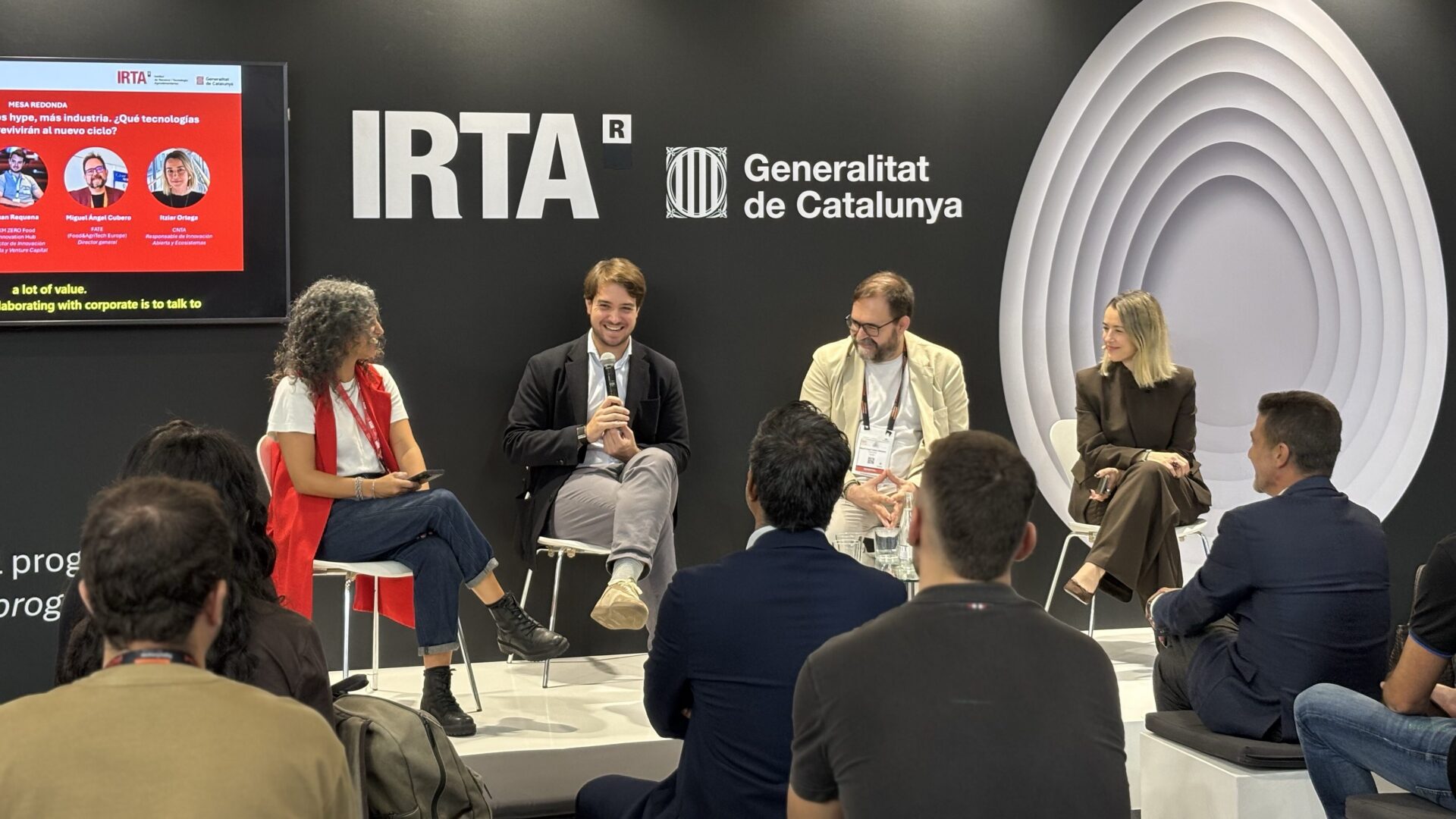
On the second day of the fair, the Start-up Corner focused on some of the challenges that will shape the future of the food industry, with several sessions led by IRTA professionals and other players in the innovation ecosystem.
One of the areas addressed was the future of food ingredients and new sources of ingredients, as well as the technological challenges posed by their development and application. In a roundtable discussion on this issue, Isabel Fernández Farrés, a specialist researcher in IRTA’s Food Functionality and Safety program, highlighted the need to move beyond the search for a single ingredient that, by itself, will solve the industry’s needs.
“From a research perspective, we are not looking for a magic ingredient, as the industry has often pursued for years, but rather to understand how we can generate, through technological processes, the structures that provide the functionalities needed in each food application,” explains Fernández Farrés.
The researcher emphasizes that this development must be accompanied by an industrial vision that takes into account the economic and technological viability of the solutions: “The challenge is to achieve this with costs that are affordable for companies and through processes that can be scaled up industrially.”
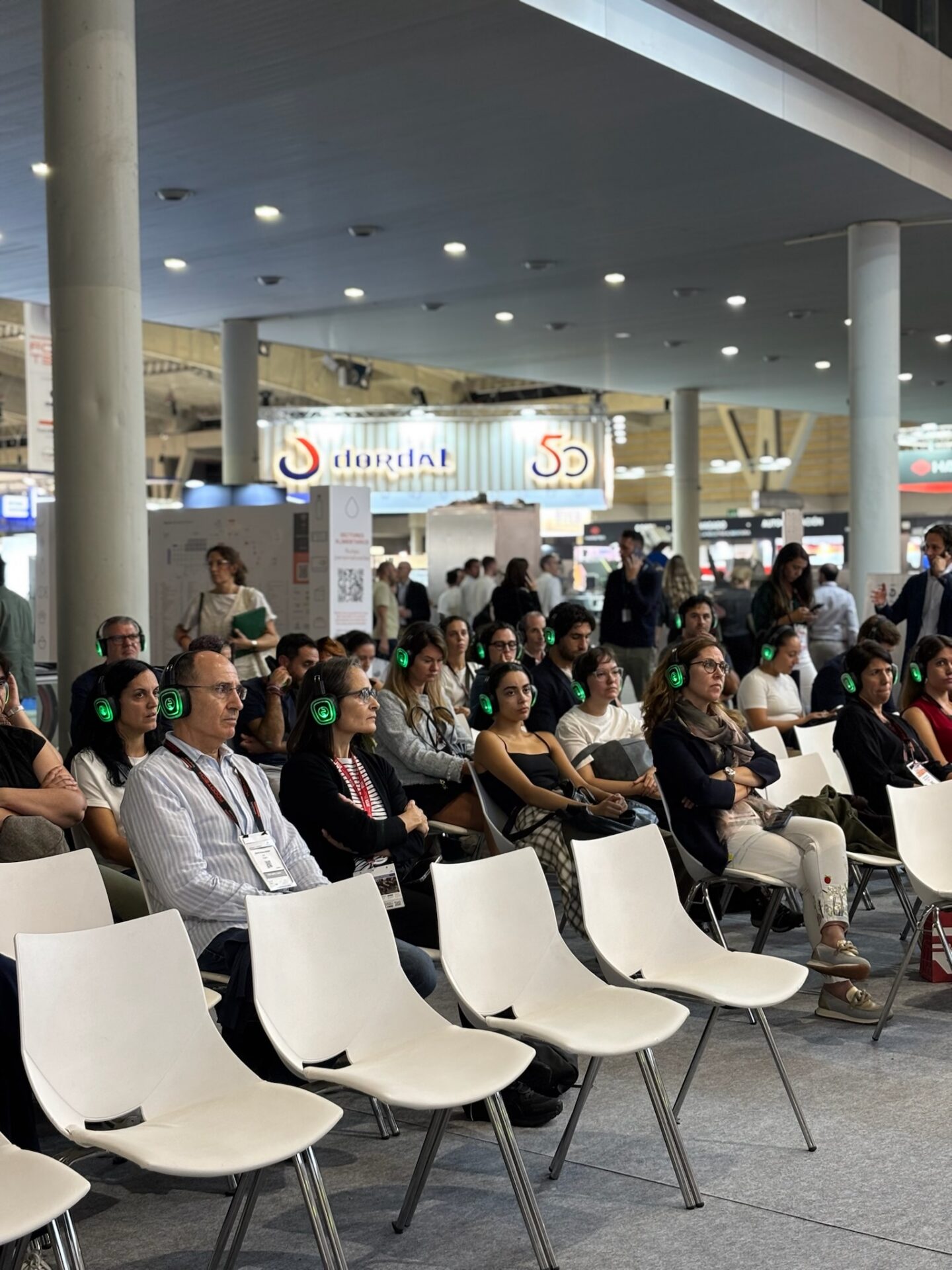
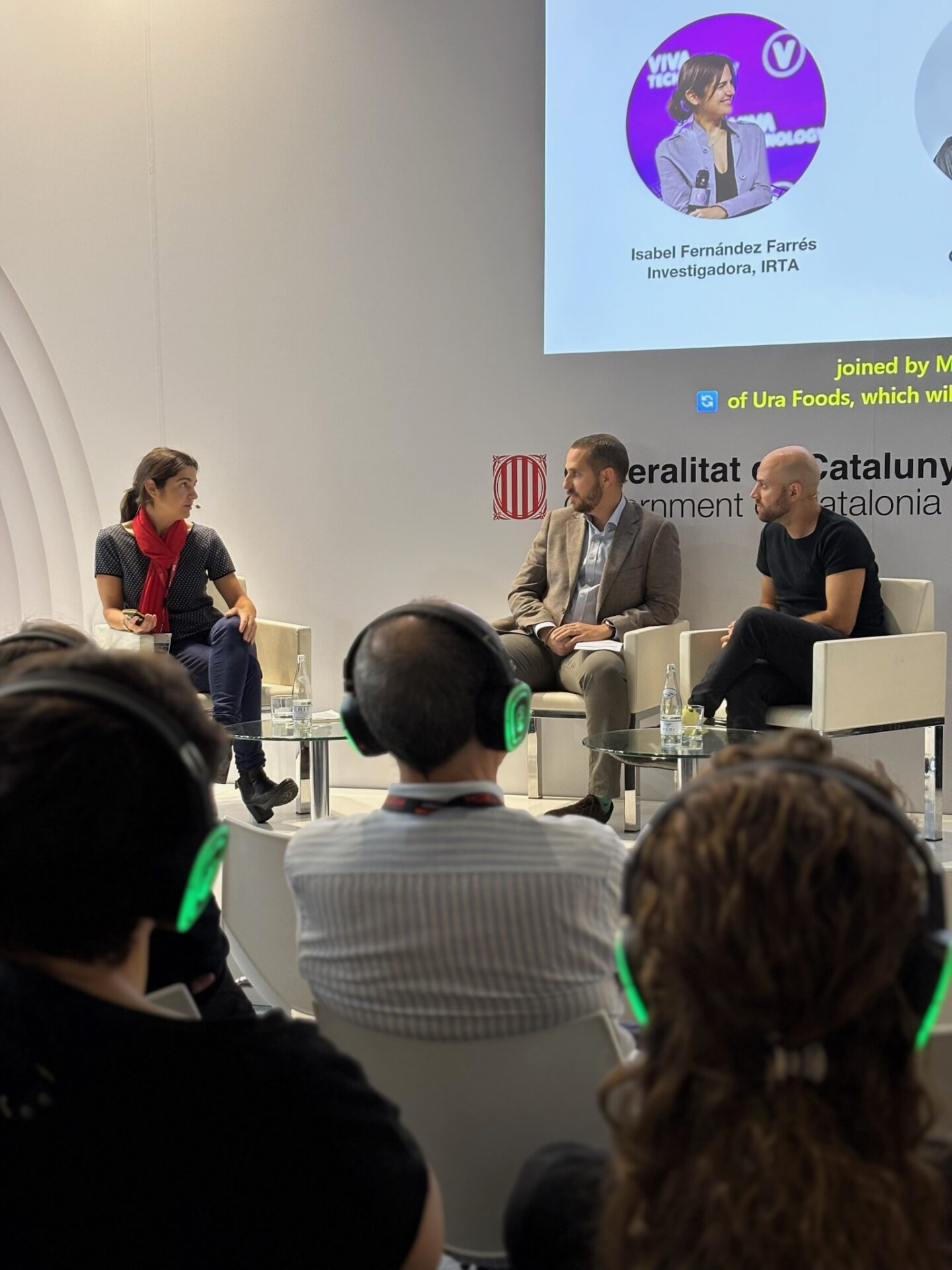
Along the same lines, Grau Matas, an innovation technician in product development at IRTA, has highlighted the technological capabilities that the Institute provides to the food sector. “From IRTA, we have presented different strategies for ingredient functionalization, such as extrusion, dry fractionation, or fermentation, with the aim of addressing the new challenges of the industry,” he explains.
Matas also highlights the value of the exchange between research and industry that the fair facilitates: “Sharing experiences, comparing realities, and reflecting on how to face the challenges and opportunities that will shape the future of food” allows technological capabilities to be brought closer to the real needs of the sector.
The second day’s sessions also addressed the challenges of moving foodtech innovations from hype to industrial adoption, covering issues such as technology scalability, pilot plant validation, access to funding, and collaboration between startups and established companies. In this context, the Start-up Corner also hosted a new Startup Pitching session, in which various emerging companies presented their projects to professionals from the ecosystem.
The event also included the presentation of the EIT Water Wavemaker Spain awards by Ignasi Servià Goixart, reinforcing the space’s role as a meeting point for entrepreneurship, innovation, investment, and industry.
On the third and final day of Alimentaria FoodTech, IRTA continued to participate in the Start-up Corner activities with sessions focused on some of the main future challenges of the food industry, such as food safety, sustainability, new packaging, and the development of new processes for the production, separation, and recovery of alternative proteins.
The day featured the participation of various professionals from the Institute, including Anna Jofré, Sara Bover, Elsa Lloret, Brigitte Martinez, and Maribel Abadias, who contributed their expertise in areas such as food safety, circularity, by-product valorization, packaging, and alternative proteins.
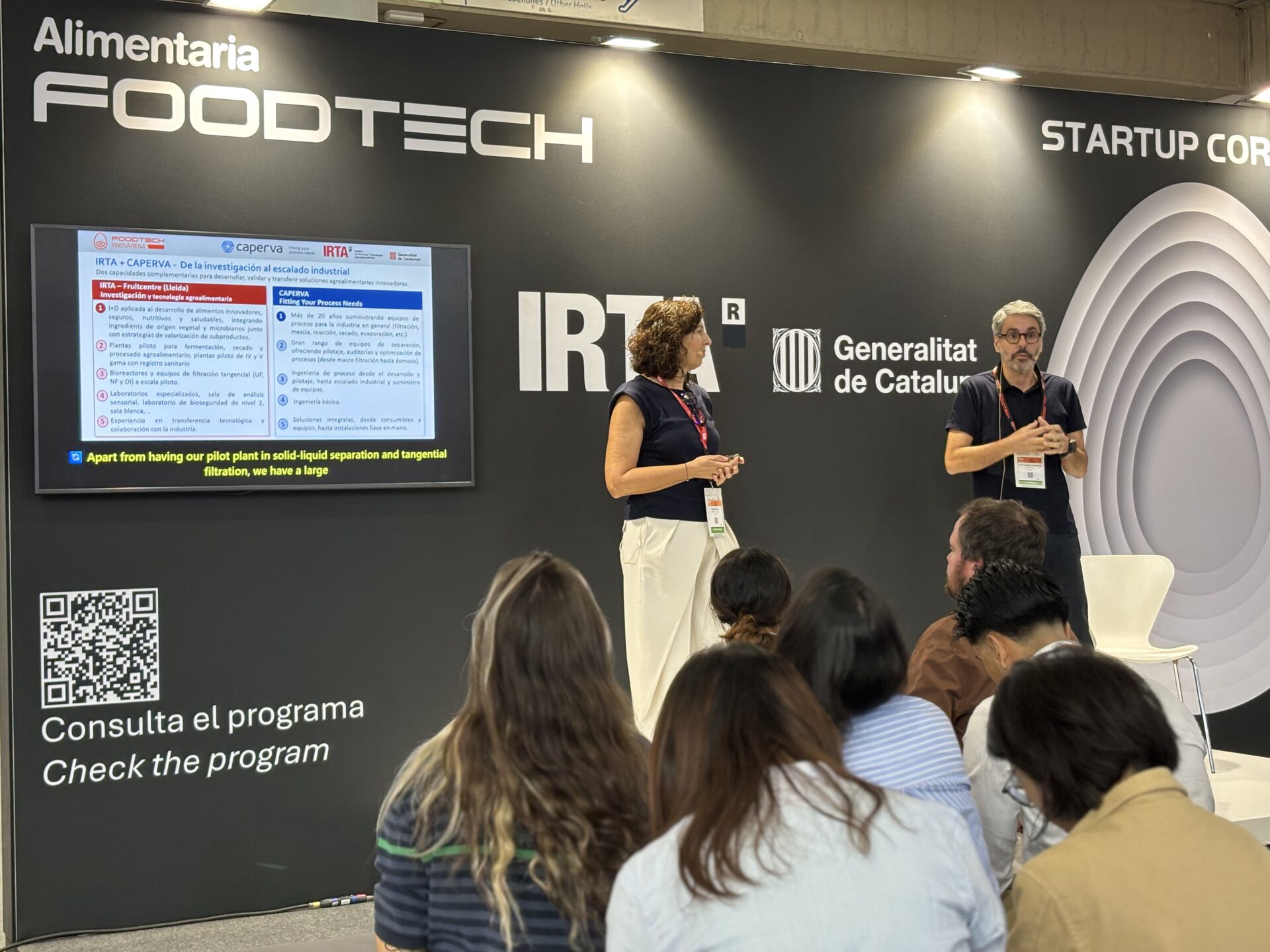
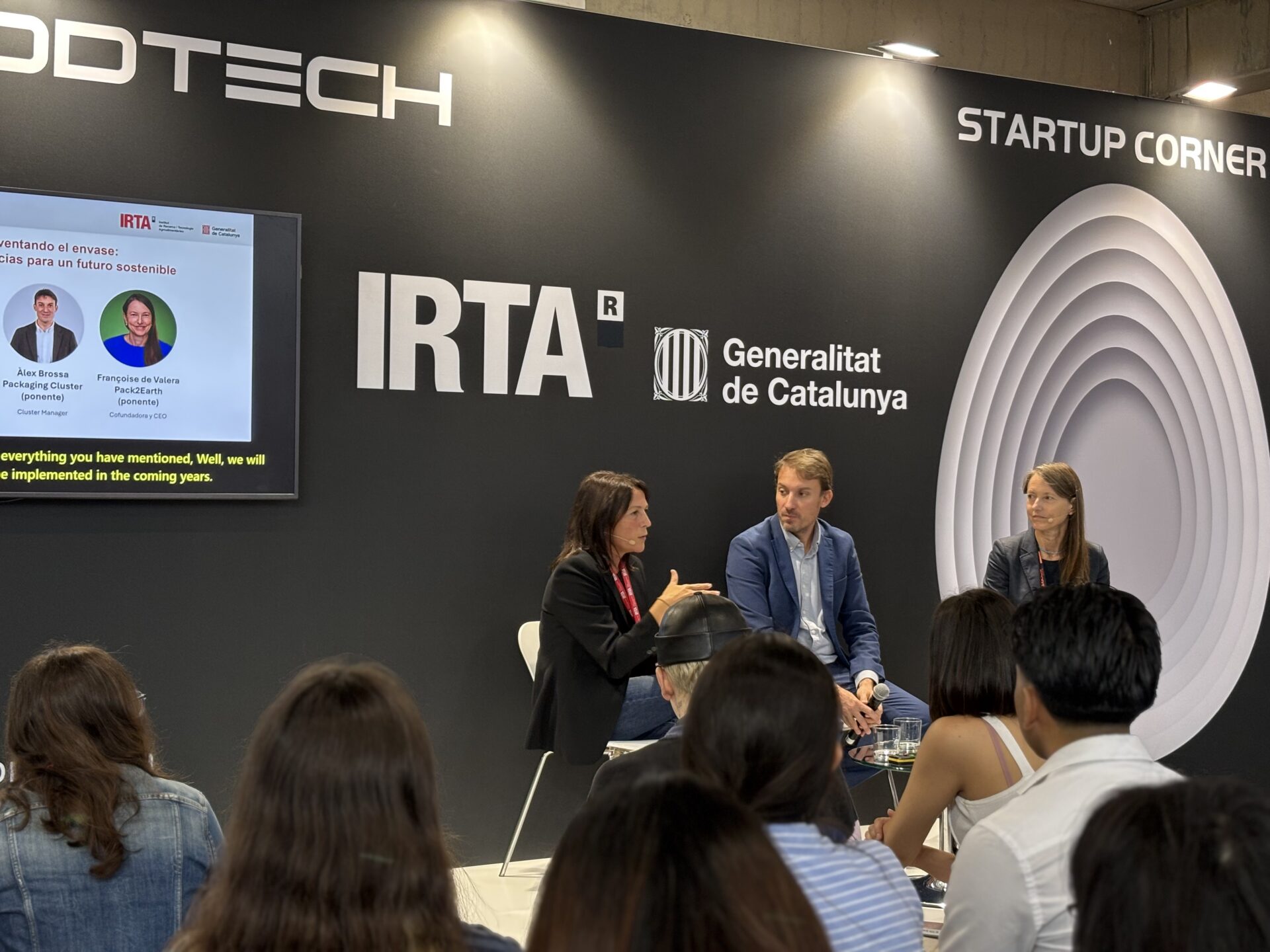
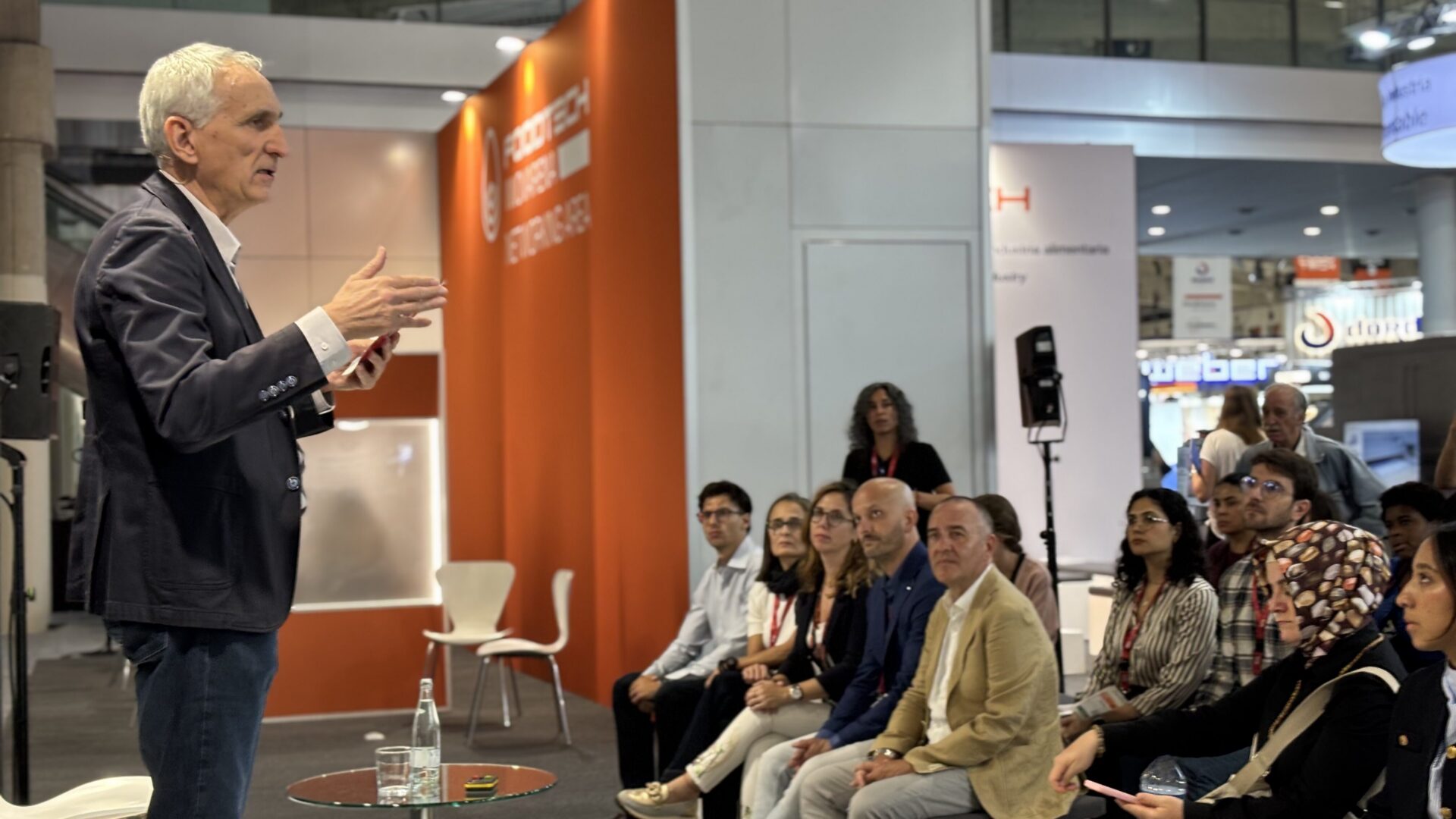
IRTA’s participation in the startup corner concluded with an intervention by IRTA’s Director General, Josep Usall, who was in charge of closing the Start-up Corner with a session dedicated to the processes that will shape food competitiveness by 2030.
In his remarks, Usall emphasized that innovation only has an impact when it reaches industry and stressed the need for new technologies to demonstrate their functionality, safety, robustness, and economic viability before being integrated into real industrial processes.
The Director General of IRTA also emphasized the need to move toward smarter, safer, more sustainable, and flexible processes, incorporating technologies such as biotechnology, sensing, data, and artificial intelligence, as well as new solutions for preservation, packaging, and separation and recovery. In this context, he has emphasized that innovation is increasingly an ecosystem issue, requiring the connection of knowledge, industry, entrepreneurship, technology, and financing.
The closing session also served to highlight IRTA’s role as a bridge between science and industry, connecting capabilities, listening to the sector’s challenges, validating solutions, and helping to accelerate the transfer of knowledge to the market.
Among the highlights of IRTA’s participation in the fair is the official presentation of the new features for the upcoming Forum Carni 2026, which will take place on November 26 in Girona.
The event serves to preview the main content of the next edition of a gathering that has established itself as a key space for the meat industry, where the technological, production, and market challenges facing the sector are discussed. The Forum is jointly organized by IRTA and Interempresas Media.

Head of Programme / Food Industries area coordinator / Predictive microbiology and risk assessment


Innovation technitian in Product development/ Extrusion laboratory/