



Our 4 current research areas, defined in the 2024-2027 Strategic Plan, take a global perspective while promoting local action
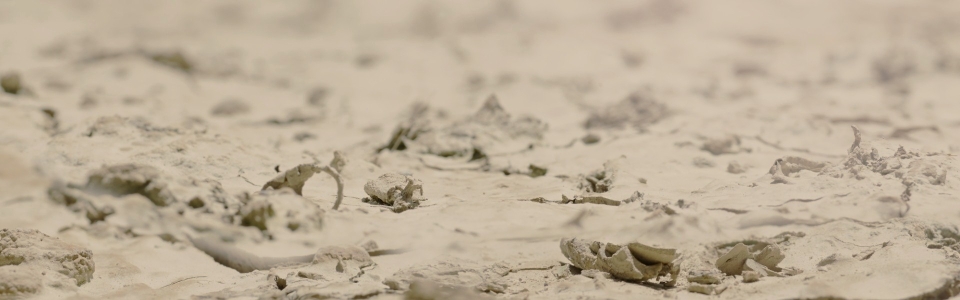
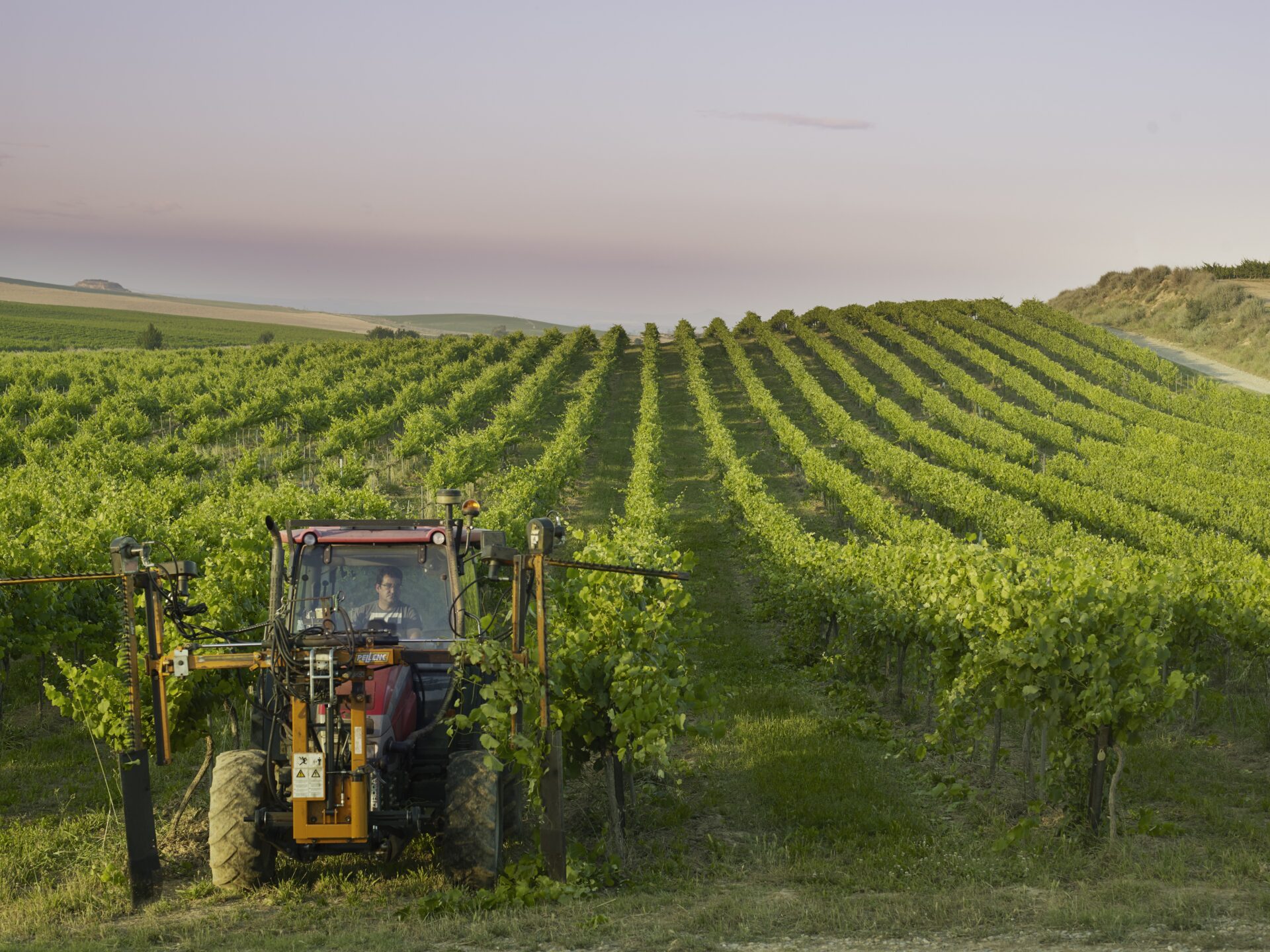
Climate change is a reality. In fact, we already live in a new climate context. In Catalonia, this new context means periods of intense drought, like the one we experienced in 2023.
Water scarcity compromises the agri-food sector: when there is drought, supplying the population is the priority, and all economic activities come into play in the distribution of this resource.
Very careful management of water is needed in all areas, along with collective governance that takes into account all the actors in the territory and anticipates how to act in the event of drought.
Likewise, climate change brings recurrent episodes of sudden, heavy rainfall.
The water from these torrential rains is of little use and does not offset the chronic scarcity affecting Catalonia, especially the internal basins, where 90% of the population lives and 40% of the water is found.
Likewise, storms and floods can damage infrastructure, crops and the land.
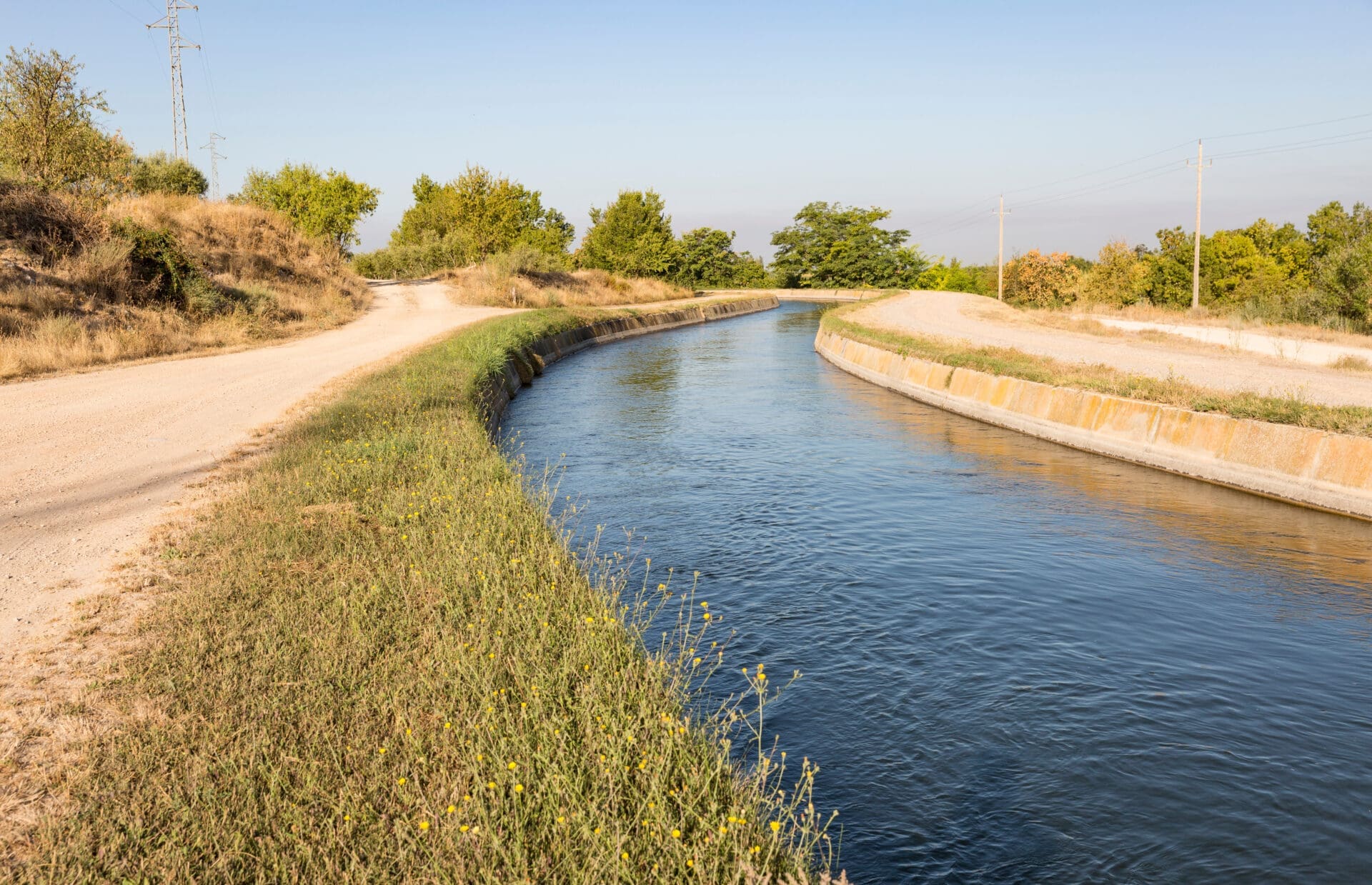
In the case of the land, many agricultural soils have lost organic matter and biodiversity after decades of intensive production. As a result, they are less able to retain moisture and carbon, which escapes into the atmosphere and becomes a greenhouse gas.
“The agri-food sector needs more tools to adapt to the new climate context”
The new climate reality also brings sustained peaks of high temperatures, which can cause significant crop losses and test the ability of plants and of land and marine animals to adapt.
In addition, it can change where and how certain pests and diseases affecting food appear.
In this context, the word resilience, that is, the capacity to adapt, is key throughout the agri-food chain.
Examples of resilience initiatives include:
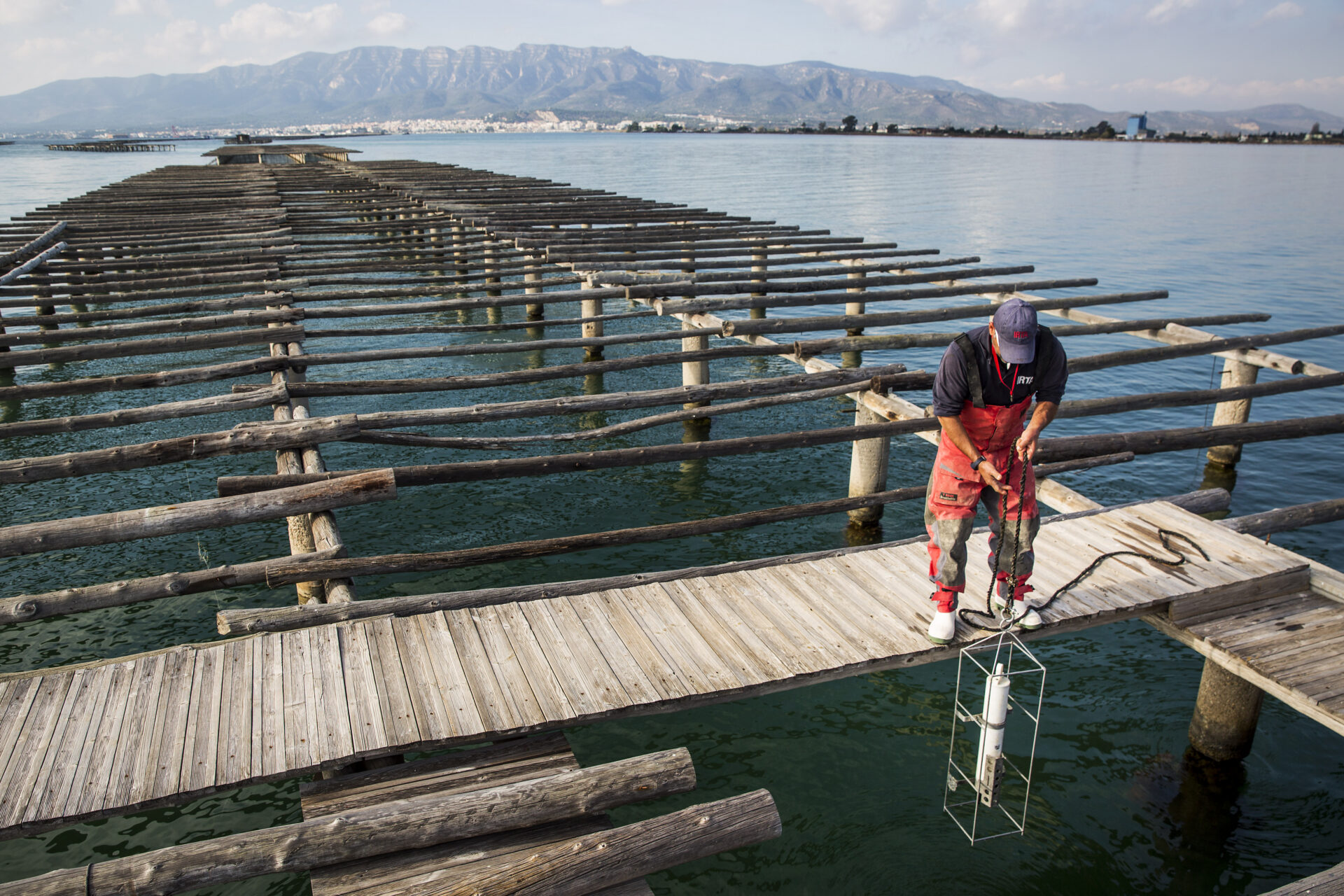

Food systems encompass everything related to how we produce, transform, process, distribute and waste food.
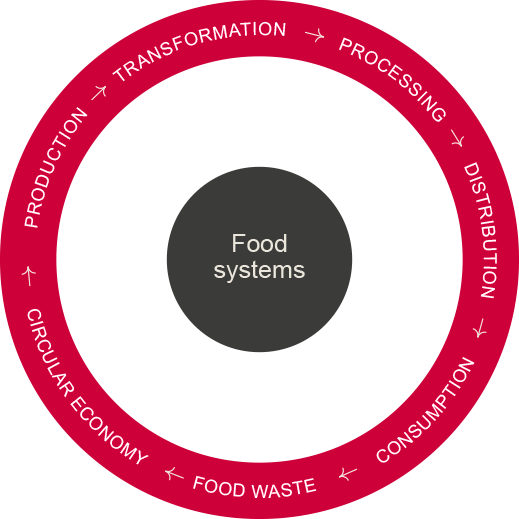
They therefore have a direct impact on climate change, due to the emission of greenhouse gases.
They also affect our health and that of ecosystems, through the emission of polluting compounds into soils and waters, and through the greater or lesser ease of access to a healthy diet.
In fact, food systems are considered to be, globally, one of the main drivers behind the transgression of the planetary boundaries, the 9 key processes for the stability of the Earth.
“Food systems need to contribute to planetary balance”
Given that both the Catalan and global populations are expected to keep growing, and adding to this that we live in a new climate context, we need to be able to produce more food with fewer resources and generating fewer polluting emissions.
In other words, we need to intensify production sustainably.
And sustainability has three pillars that must reinforce one another: the economy, the environment and society. Thus:
Health is a global issue that interconnects people, animals and plants.
Globalisation, the intensification of production and climate change favour the emergence and spread of pests and infectious diseases around the world.
These are biological risks that can affect people, animals and plants, and be transmitted from one to another.
They can therefore have a direct impact on food safety, animal and plant health, the agri-food economy and public health.
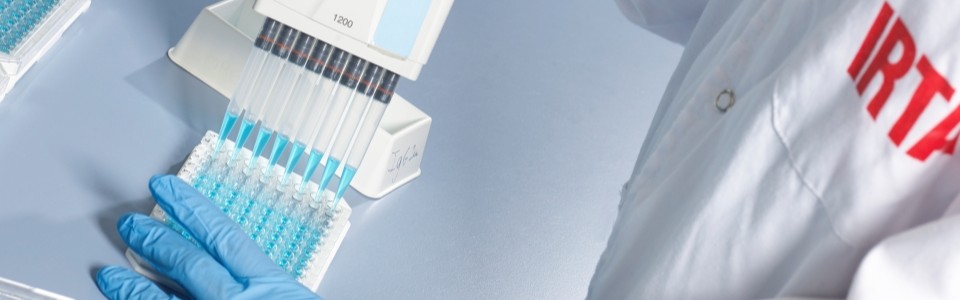
As a result of this situation, the concept of ‘One Health’ (One Health) has spread, promoting a collaborative, multidisciplinary approach to addressing global health risks from a combined perspective: human, animal and environmental.
One figure that justifies this approach: over the last three decades, more than 30 new human pathogens have been detected, 75% of which originated in animals. A clear example is SARS-CoV-2, which caused the COVID-19 pandemic.
We need to anticipate these risks and provide innovative solutions to mitigate their effects and strengthen the resilience of food systems.
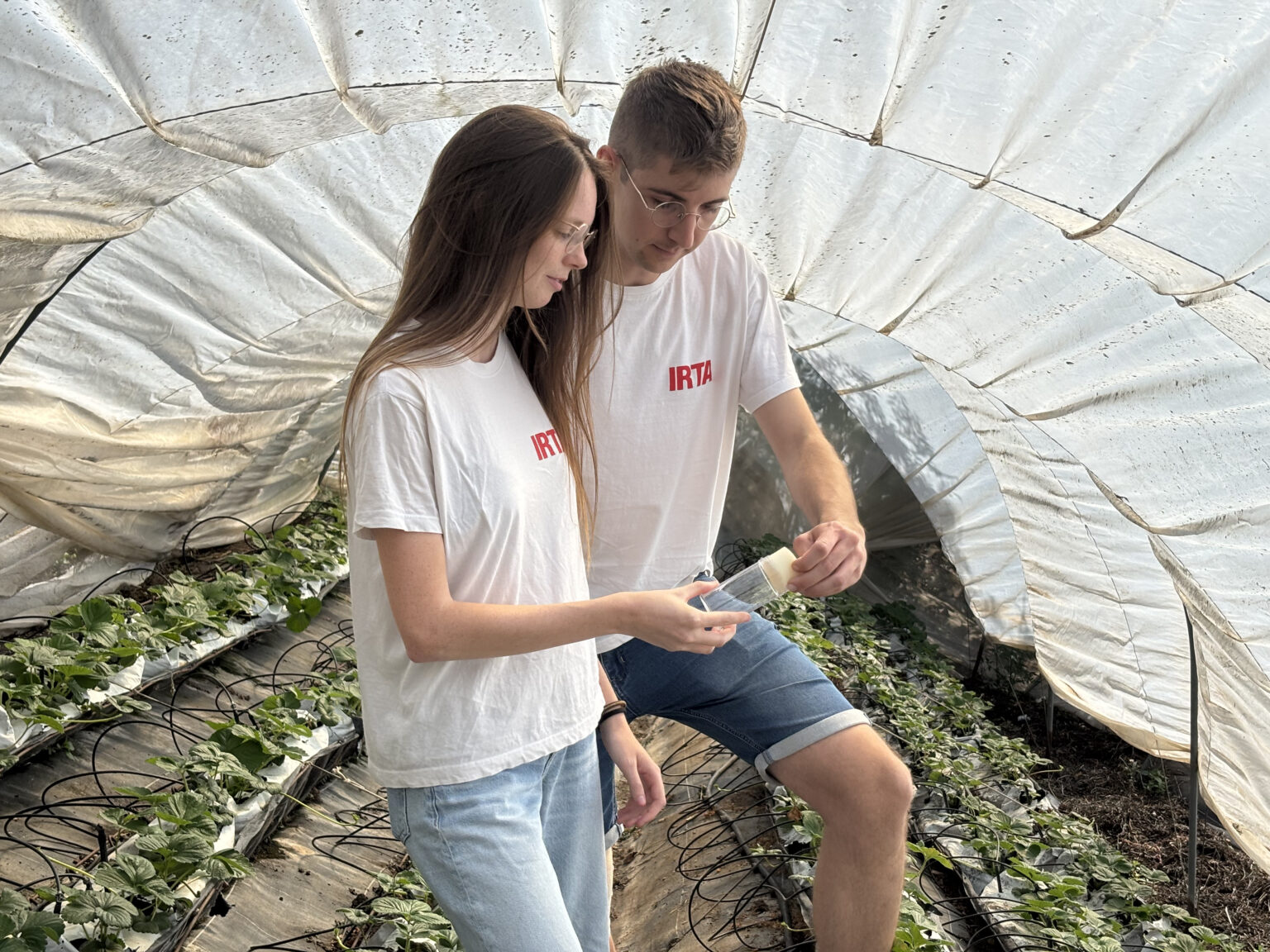
“We need to anticipate emerging biological risks and ensure that reducing antibiotic use does not harm animal health.”
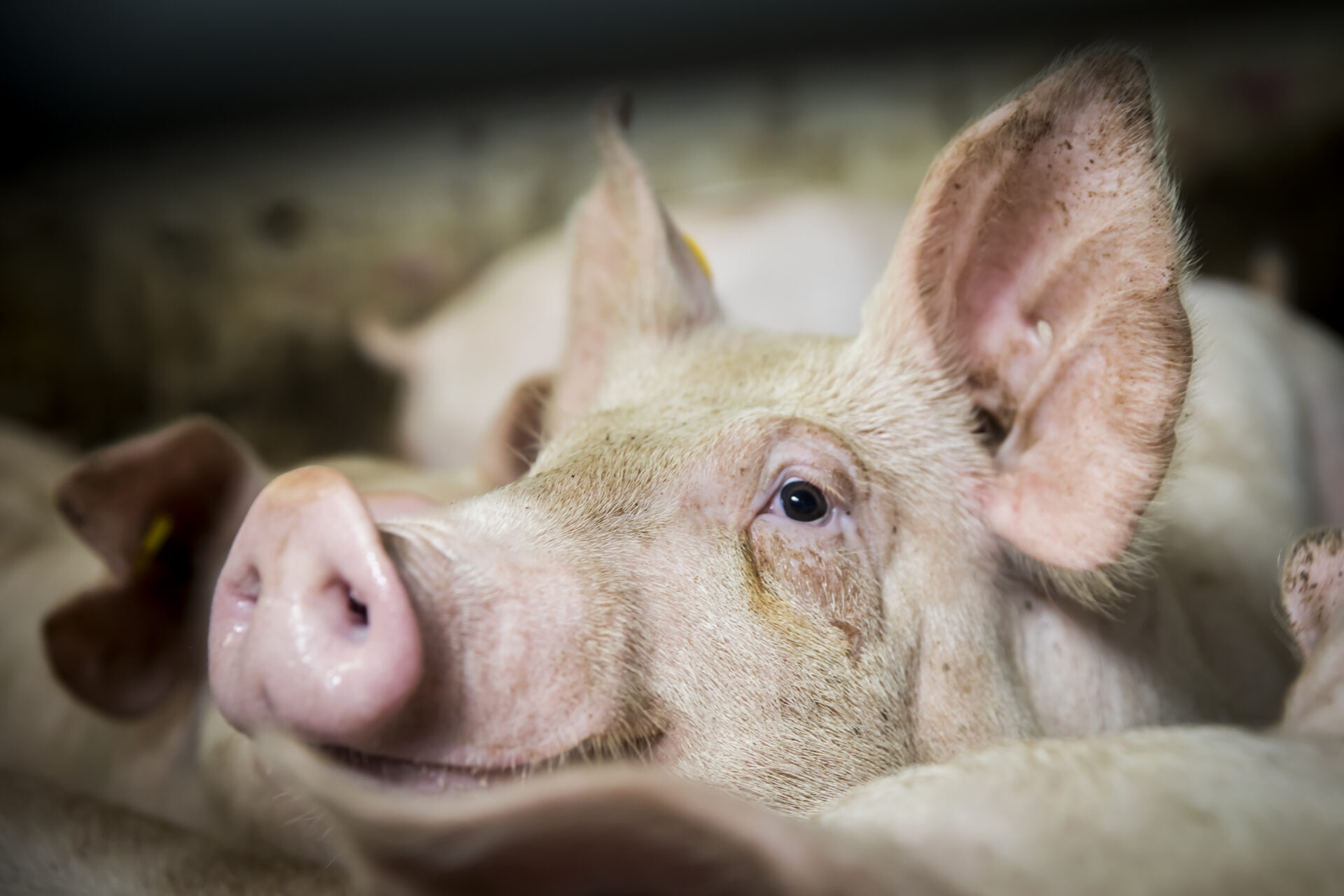
In the case of bacterial infections, almost a century after penicillin was discovered, antibiotics are losing their effectiveness.
This has happened because we have made massive and often inappropriate use of these medicines, in both animals and people, which has encouraged bacteria to become resistant to them.
In livestock farming, it is essential to stop administering antibiotics to animals preventively. Also, to stop medicating all the animals on a farm because one of them has been found to be infected. And this must be done while ensuring animal welfare and economic profitability.
Within this framework, at IRTA we research and innovate with the aim of helping to transform food systems, and the Catalan agri-food sector in particular, towards a resilient present and a future of sustainable wellbeing.

Artificial intelligence (AI), the internet of things and robotics are rapidly changing the way we live.
Making the most of the opportunities they offer is key for everyone involved in food systems, from farm to table.
At the same time, many of these emerging technologies were not initially designed for the agri-food sector, which still makes little use of them.
For example, only a minority of Catalan farms use sensors to collect data on the use of fertilisers, plant protection products or water.
We need to:
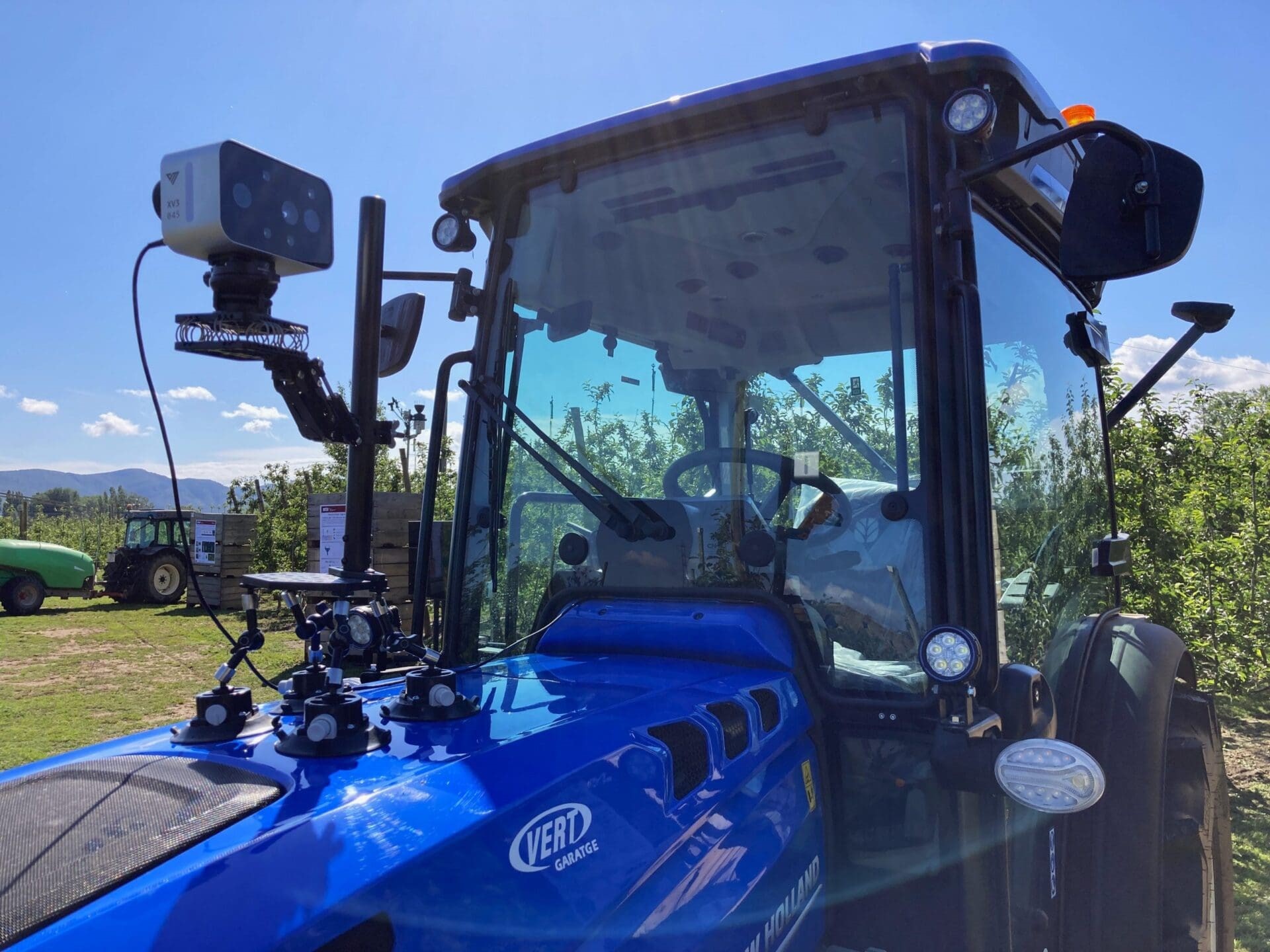
“Digitalisation represents a revolution that must be applied wisely in the agri-food sector to ensure its prosperity”
This is a key research and innovation area for IRTA, and one that cuts across all our activity.
That is why it is also one of our current strategic objectives.
Within the framework of these four research areas, at IRTA we research and innovate with the aim of helping to transform food systems, and the Catalan agri-food sector in particular, towards a resilient present and a future of sustainable wellbeing.

