
We support the agri-food sector in its meaningful digital transformation



How can we reduce greenhouse gases and pollutants generated by the agri-food sector through the circular economy?
How can we minimise waste, and transform the waste we cannot avoid generating?
How can we add value to animal manure, plastics or pruning waste with the help of microorganisms?
We want to help transform the technologies and practices of farmers and livestock breeders to maximise the environmental and economic sustainability of their activities.
Currently, food production has a significant impact on the environment, both in terms of greenhouse gas (GHG) emissions – that is, climate change – and in terms of the release of pollutants into soil and water.
The current European strategy in this area is geared towards:
Below, we outline the main raw materials and waste streams from agriculture, livestock farming, aquaculture and the food industry. We also explain how to recover value from this waste so that it can be reused as raw materials:
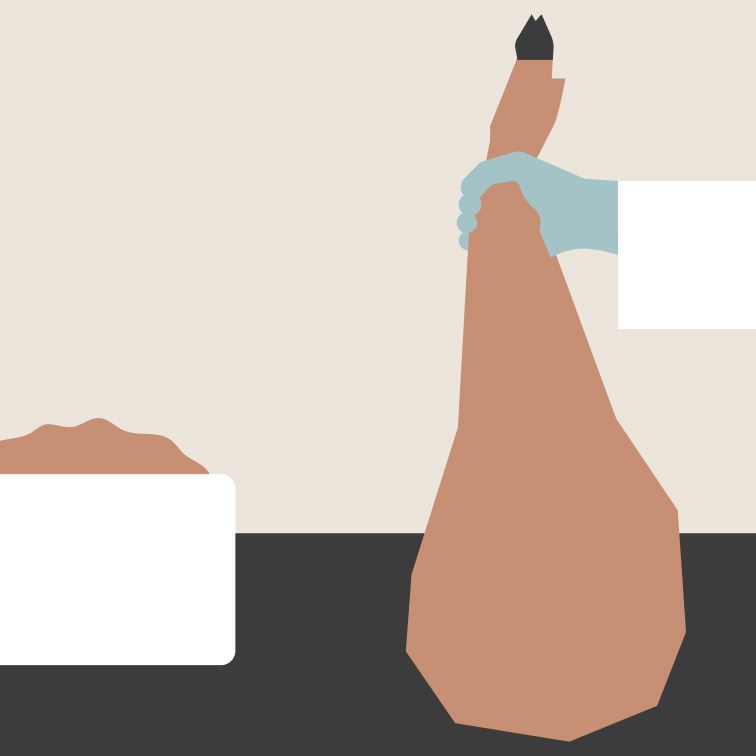
When we recycle (or reuse), we take the material as it is and use it. When we valorise it, we must transform it.
When we recycle (or reuse), we take the material as it is and use it. When we valorise it, we must transform it.
When we recycle (or reuse), we take the material as it is and use it. When we valorise it, we must transform it.
When we recycle (or reuse), we take the material as it is and use it. When we valorise it, we must transform it.
When we recycle (or reuse), we take the material as it is and use it. When we valorise it, we must transform it.
In addition to the European strategy, the global geopolitical context has highlighted our dependence on external sources for the supply of gas, fertilisers and food. This is further driving initiatives related to the bioeconomy.
Furthermore, with an eye on 2030, Catalonia is promoting the Catalan Biogas Strategy and the Catalan Digestate Strategy.
At IRTA, we aim to contribute our expertise and generate the scientific knowledge and innovations needed to promote the bioeconomy of the Catalan agri-food sector and assist public authorities in their decision-making.
We also aim to disseminate accurate information that enables the public to understand how projects such as biogas plants or the conversion of livestock manure into high-quality organic fertilisers can benefit us all.
Until 2027, our priorities in this area focus on waste valorisation. We aim to:
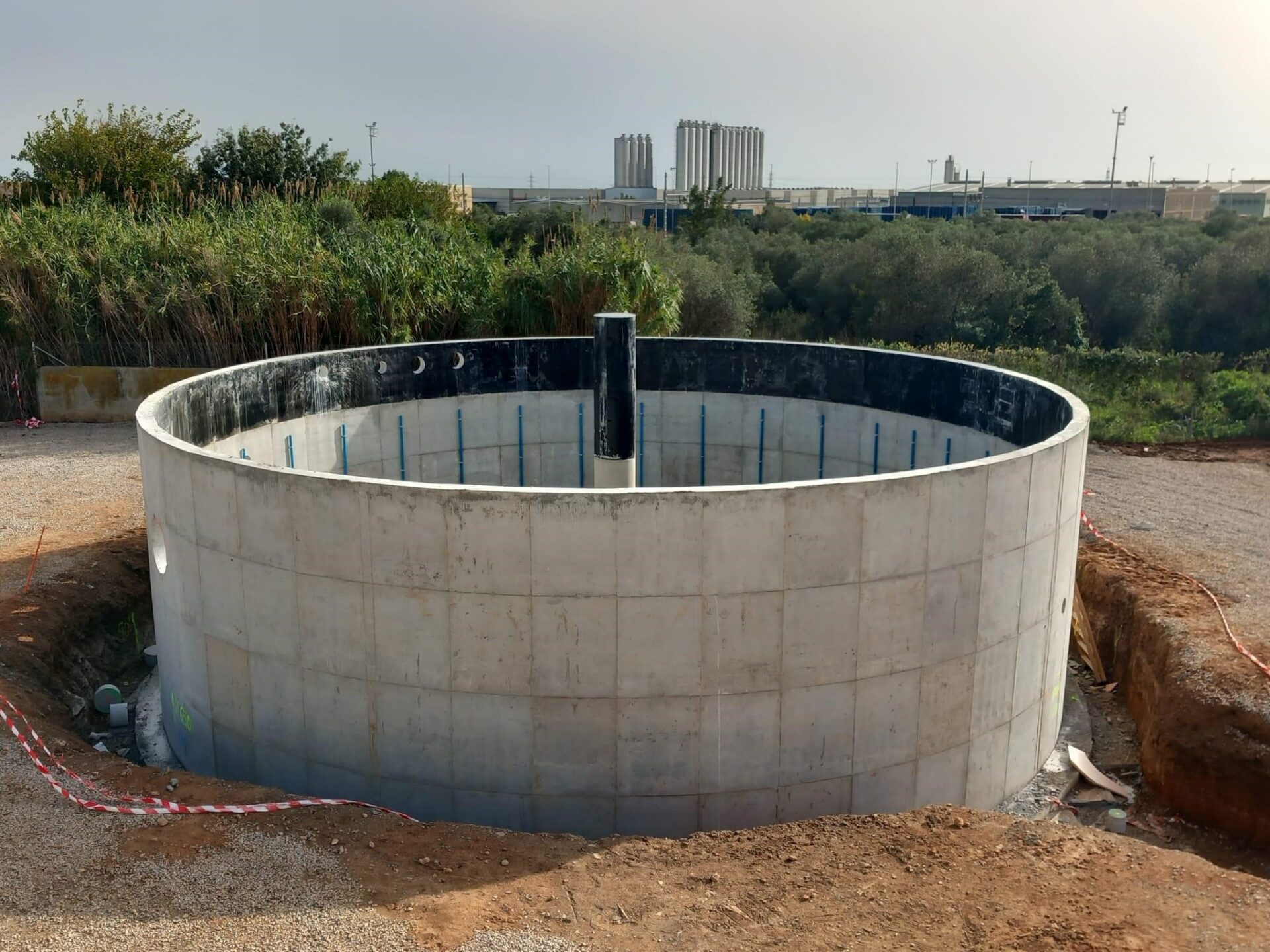
For the digestion and composting of livestock manure from two of our farms.
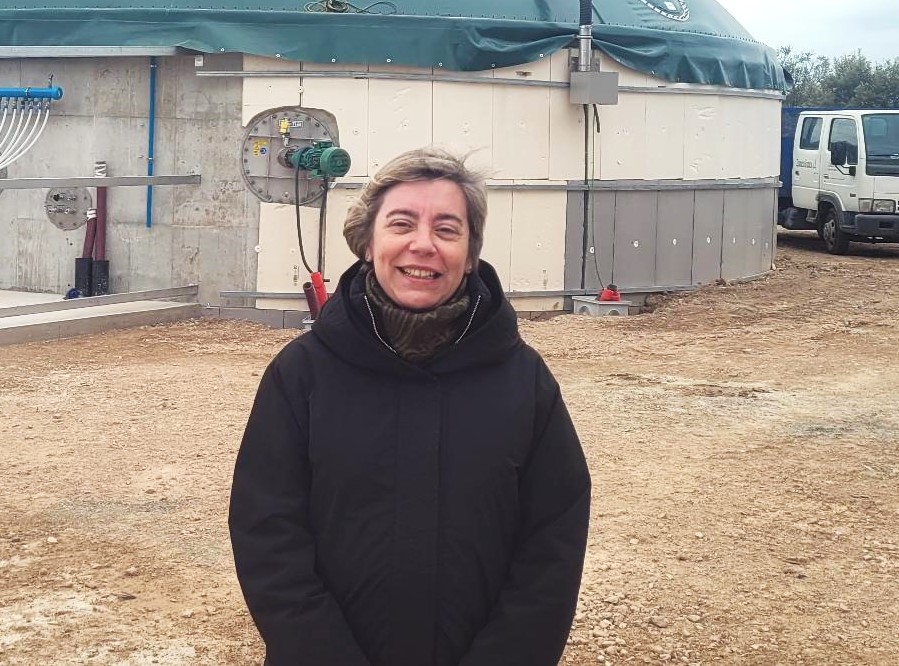
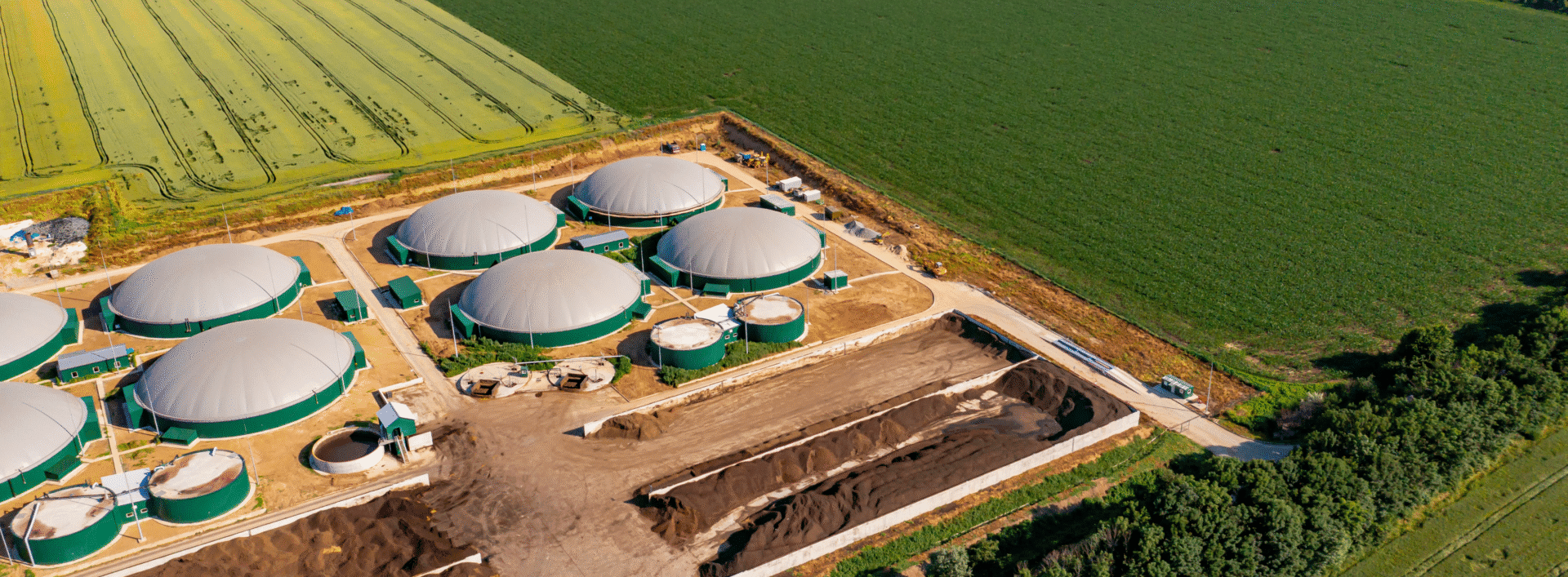
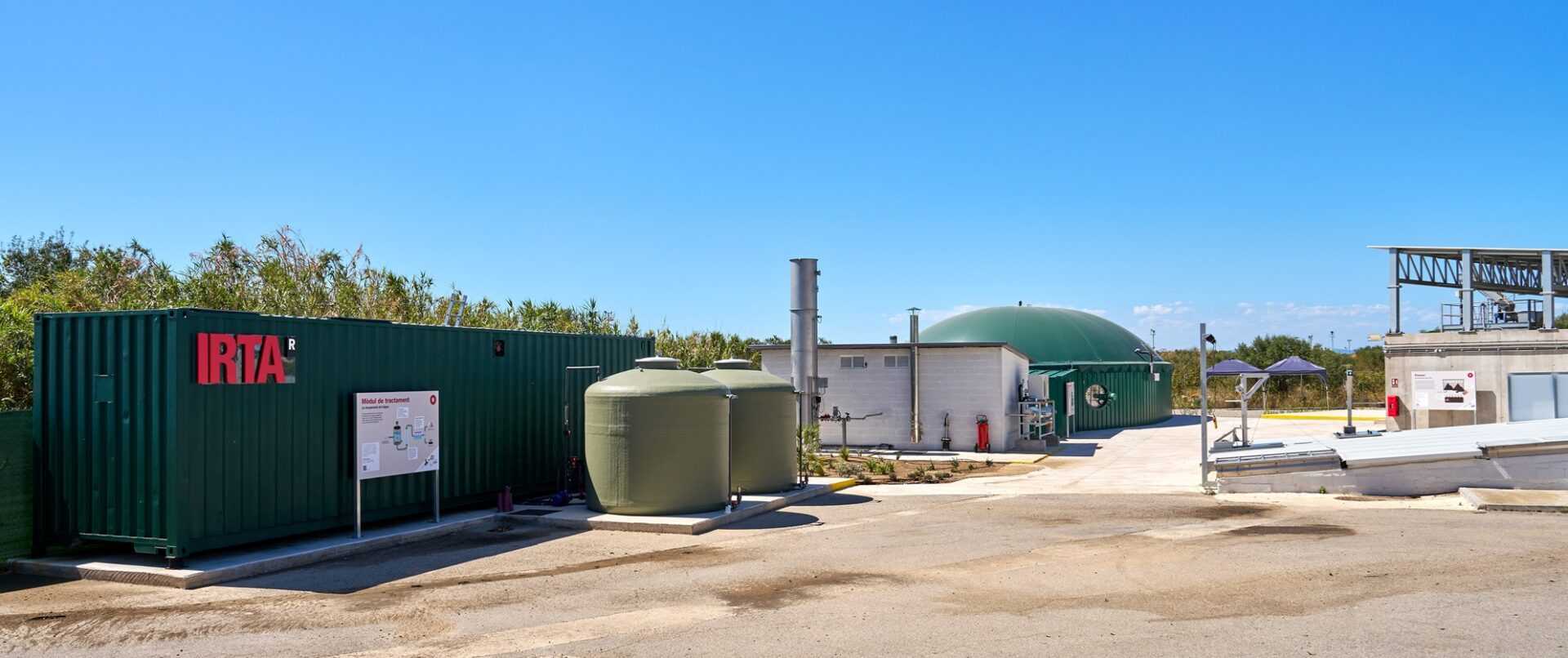
We are building two biogas plants, using two different technologies, at the Monells cattle farm and the Mas Bové pig farm.
At both sites, we will convert manure into biogas through a digestion process carried out by anaerobic microorganisms – bacteria and archaea that work without oxygen.
Further informationWe will also separate the resulting organic matter, the digestate, into two fractions: the solid part will be converted into high-quality organic fertilisers thanks to the action of bacteria and fungi (composting), and the liquid part will be used as water for irrigation or cleaning.
All of this will enable us to make our farms more self-sufficient and sustainable, collaborate with companies or projects wishing to test new technologies on them, and demonstrate their operation and results to the sector.
These are technologies that go beyond digestion and composting.
These processes are still under development, and there is a need to generate scientific knowledge about them.
For example, in agriculture, we are researching bioelectrochemical processes that enable the recovery of methane and ammonium.
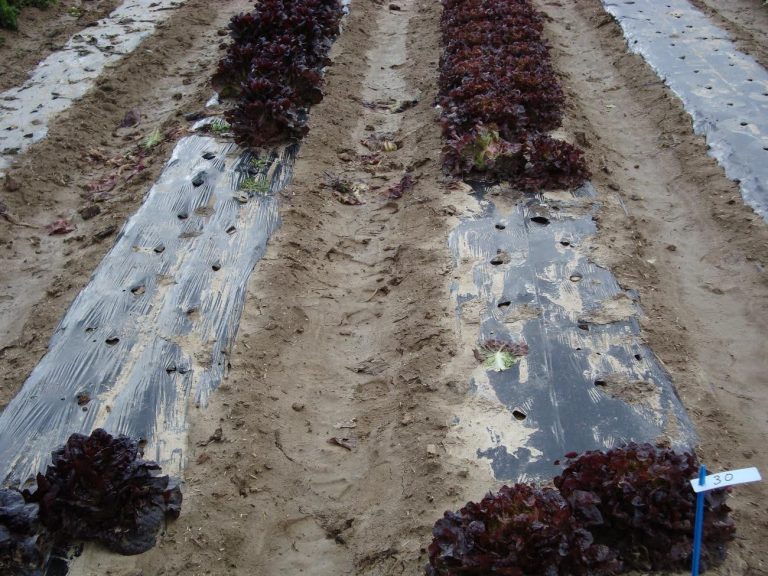
We are also studying the efficiency and environmental impact of biodegradable plastics in crop fields.
For human or animal consumption.
For human consumption:
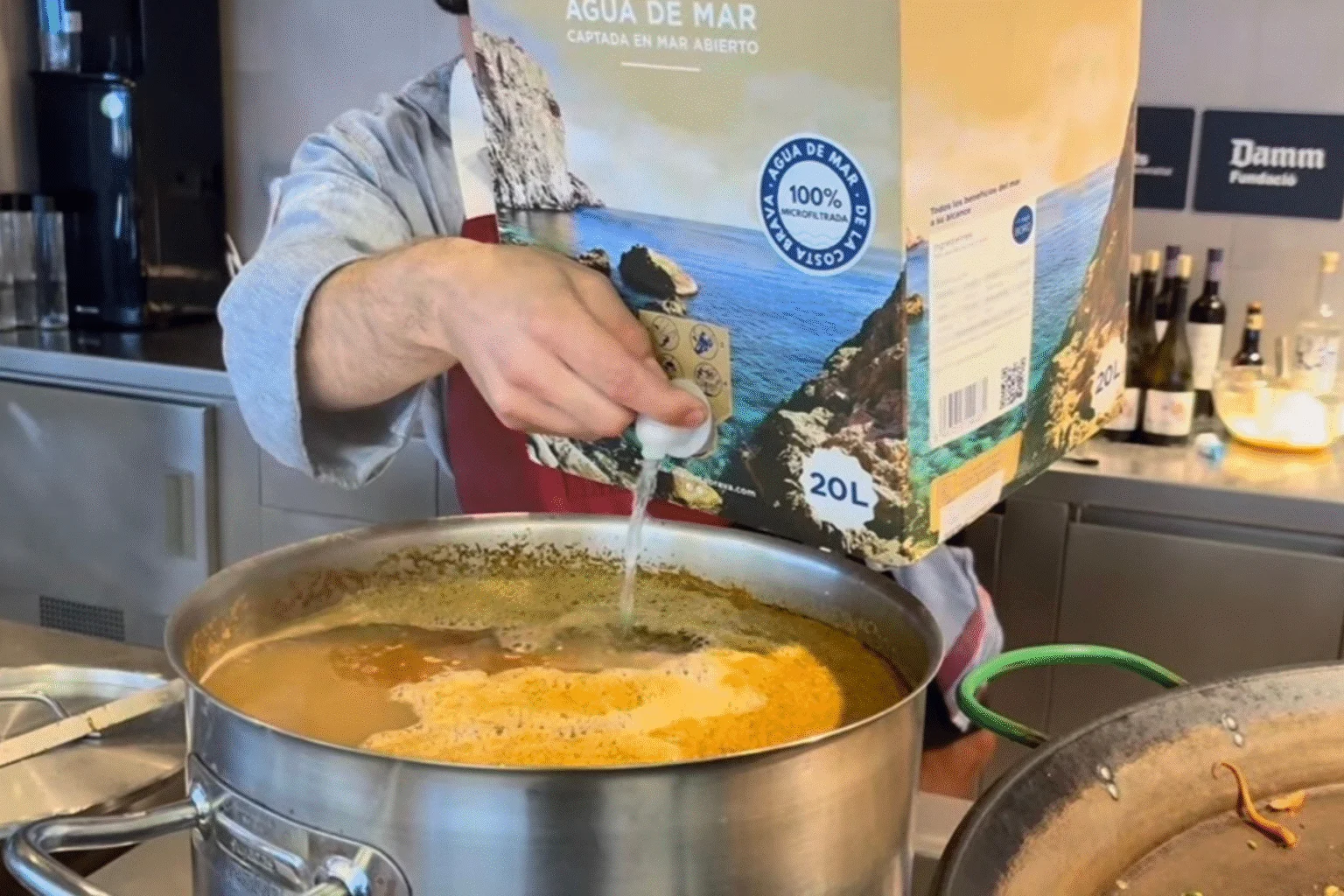
For example, we valorise seawater as a sustainable ingredient of the future, replacing salt in various processed products.
Or we make use of by-products generated during the production of plant-based foods to produce fermented drinks, or even packaging materials.
For animal feed:
For example, we use by-products from organically grown peas to produce organic fish feed.
We are also trying to replace fishmeal with insect meal in the diet of sea bream and trout.
In short, we want to demonstrate that the environmental impact of Catalan agri-food activities can be minimised through the implementation of technologies and best practices.
And we are not doing all this alone: we are doing it in partnership with organisations, companies and public authorities, because we are convinced that working together and with generosity is the only way to respond to the major challenges of our times, such as climate change or the degradation of ecosystems.
Start date: 01/10/2024
End date: 12/05/2026
Project Code: M1148_16085
Acronym: METHAFILTER

Start date: 01/09/2024
End date: 31/08/2027
Project Code: M1147_15434
Acronym: Char4Manure
Start date: 05/11/2024
End date: 05/05/2026
Project Code: M1152
Acronym: HIDROTERM
Start date: 01/04/2023
End date: 31/12/2028
Project Code: M1000_13984
Acronym: Planta biogàs Mas Bové
Start date: 01/09/2020
End date: 31/12/2026
Project Code: M1106_9579
Acronym: LIFE INFUSION_Fase 2
Start date: 01/09/2025
End date: 31/08/2029
Project Code: I1421_16364
Acronym: ALLIANCE
Start date: 01/04/2022
End date: 30/09/2025
Project Code: V2386_11885
Acronym: SureNexus_Fase2
We support the agri-food sector in its meaningful digital transformation
We work with the territory to improve water management
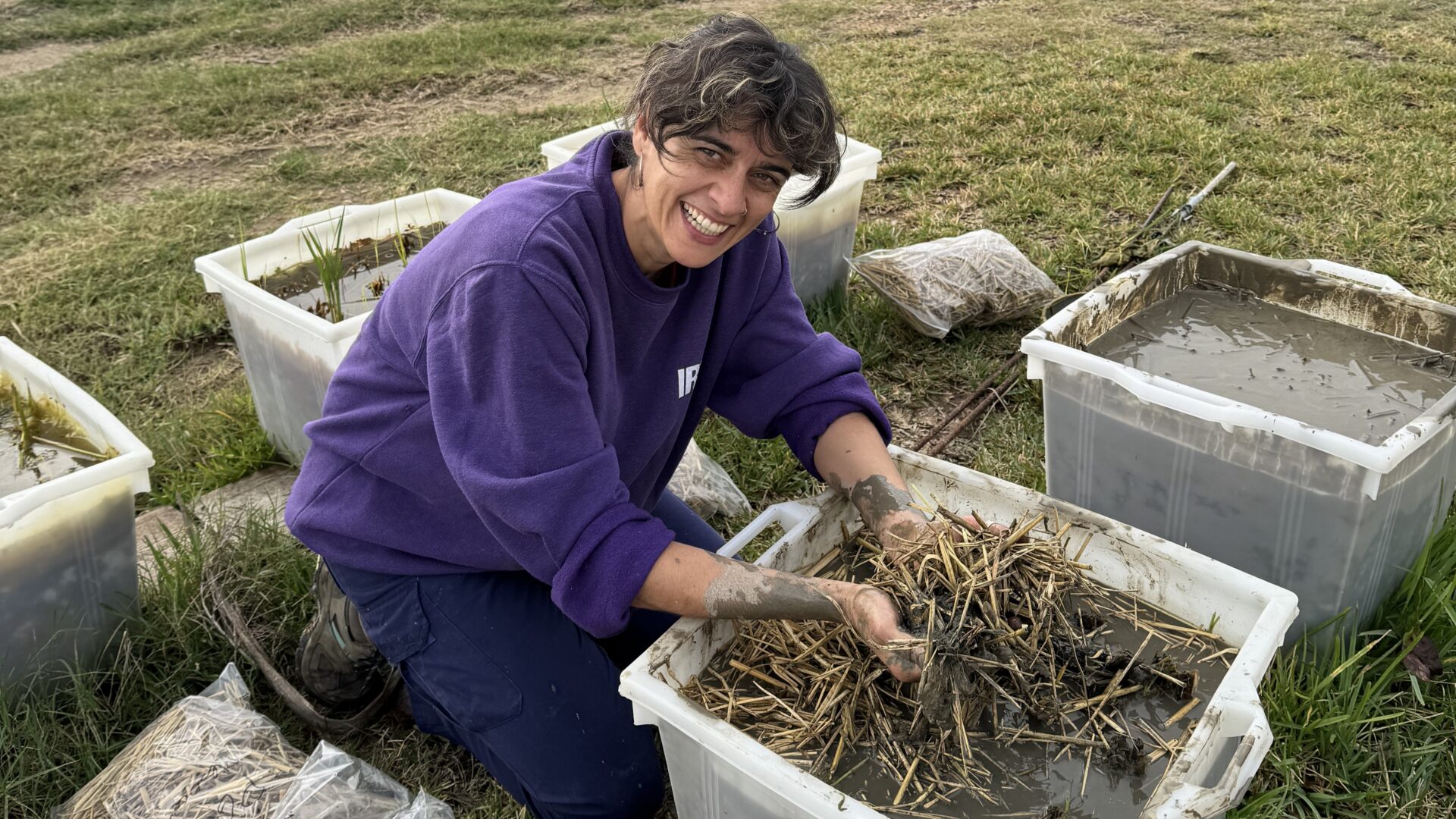
We study how to improve the health of Catalan agricultural soils
We explore how to boost protein alternative sources in Catalonia
We want healthy, strong animals that rarely need antibiotics
We are preparing to tackle new pests and diseases
We work to strengthen the resilience of the Catalan wine sector

