
We support the agri-food sector in its meaningful digital transformation



How can we improve the health of agricultural soils that have degraded after decades of unsustainable practices?
Which techniques are best suited to each crop and climatic condition?
What happens within the soil when we apply these techniques, known as regenerative or carbon sequestration practices?
We aim for Catalonia to have the best tools for a new agricultural model adapted to climate change, one that prioritises soil health and is economically sustainable.
Since the second half of the 20th century, the intensification of agriculture has enabled us to produce more food at an affordable cost, but it has also had drawbacks.
One of them is soil degradation: when mechanisation and the use of fertilisers and pesticides have been very intensive, soils have been affected, losing organic matter and therefore structure and permeability.
They have also lost biodiversity, meaning microorganisms such as bacteria, and invertebrate organisms such as worms, which live in or on the soil.
All these microorganisms and invertebrates are essential because they:
In the current context of climate change, soil quality is crucial.
Restoring soil organic matter is essential to ensure its health and to sustain agricultural progress.
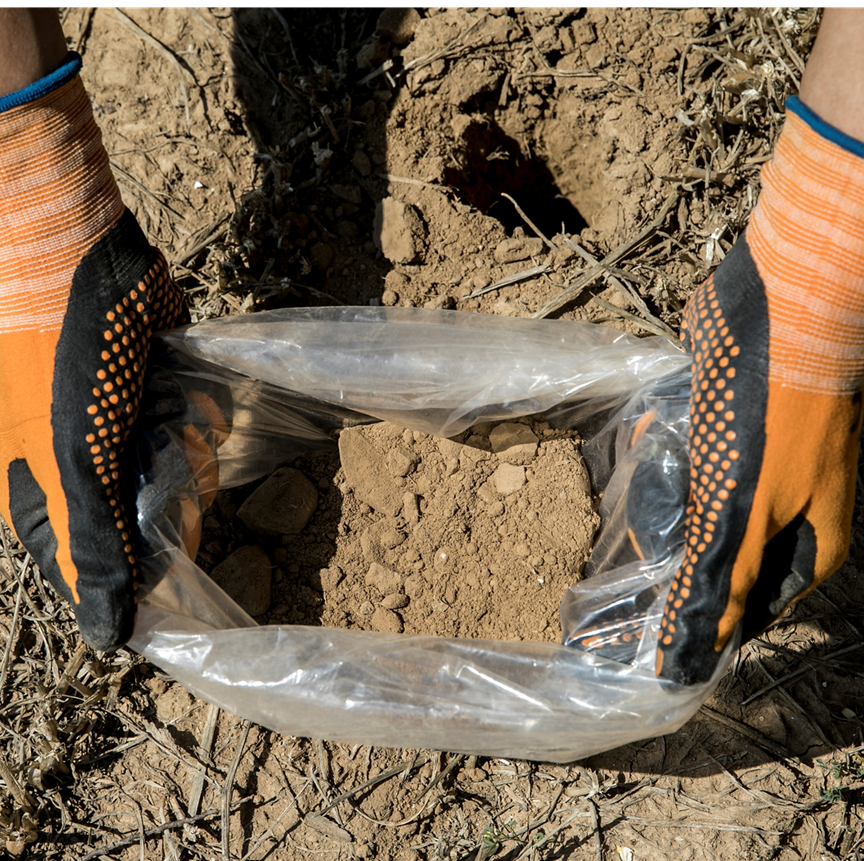
For decades, practices aimed at improving soil health have been implemented worldwide as part of what is known as regenerative agriculture.
These are a set of practices that promote soil health through an holistic and integrative perspective on land, crops and those who manage them, where circularity is key and solutions are adapted to each context.
Many of these practices promote carbon sequestration, which occurs when atmospheric CO₂ is retained in the soil through plant photosynthesis. This helps reduce excess greenhouse gases (GHG), which drive global warming and climate change.
Additionally, many regenerative practices enhance water infiltration and retention in the soil, as well as biodiversity in agroecosystems.
To:
Plants that are sown alongside crops, or alternated with the main crop, to:
From sheep to donkeys or chickens, because:
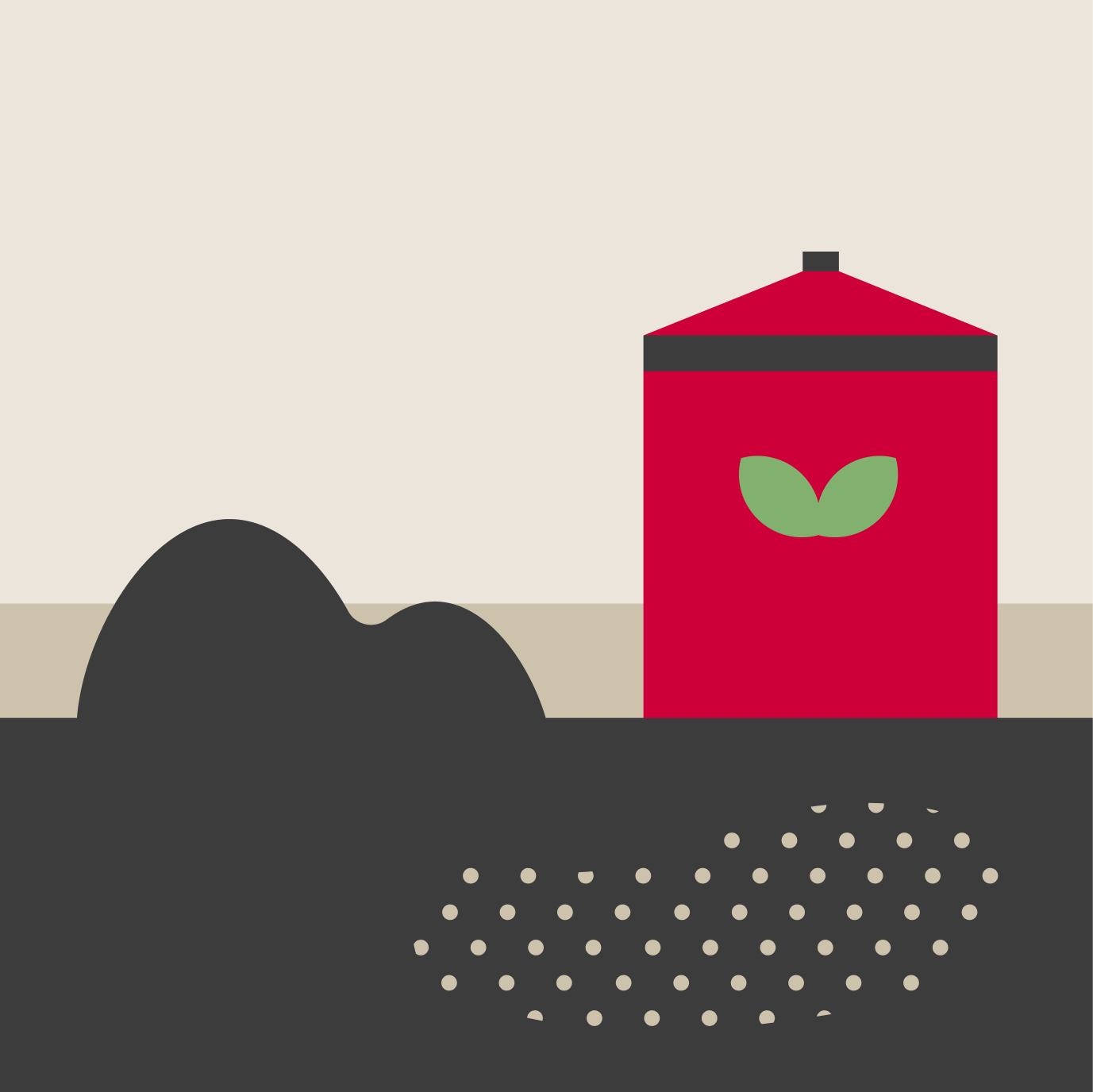
Organic amendments include compost or manure and are used for fertilisation:
Crop residues include pruning remains, stubble or straw. When left on the soil, they form a mulch that allows:
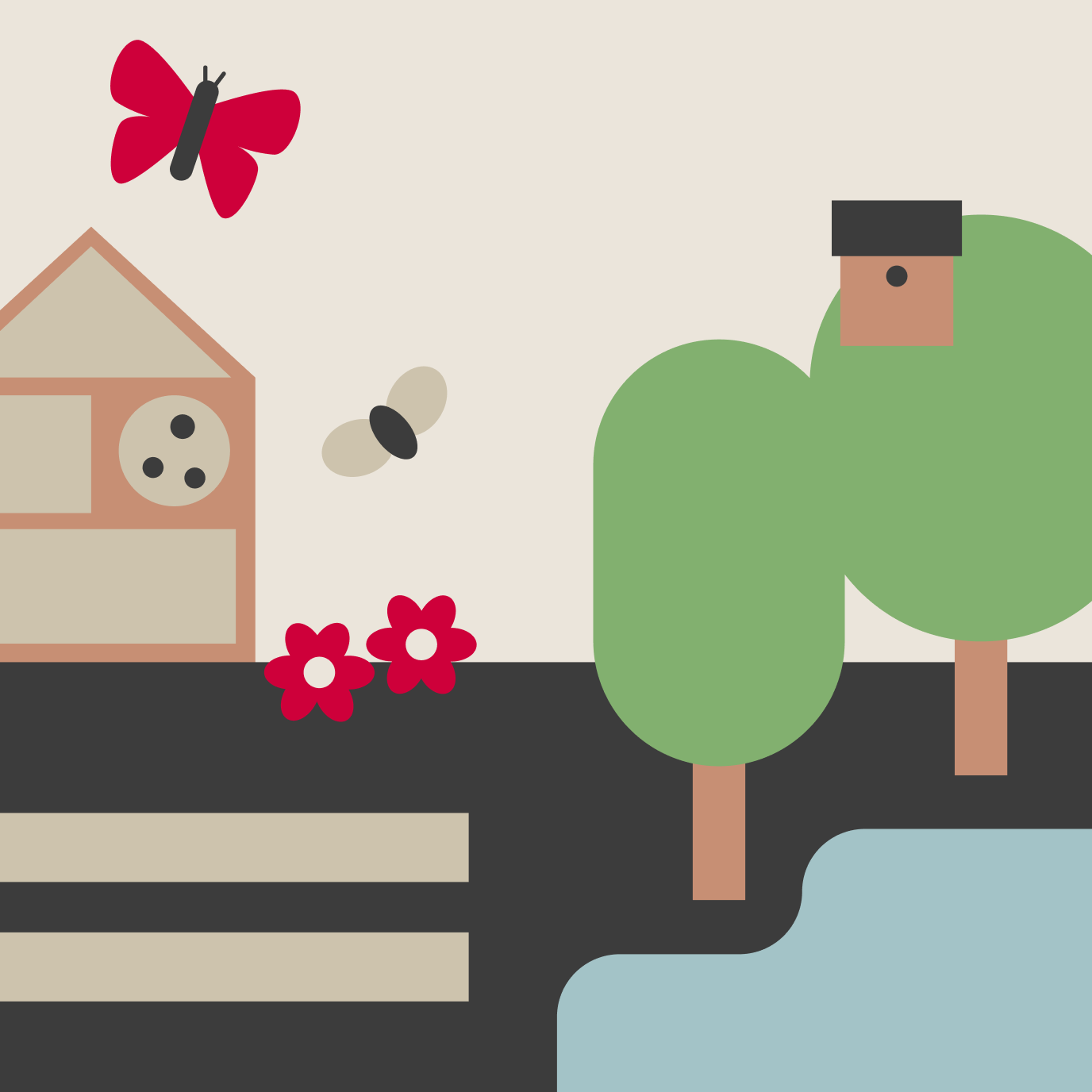
In addition to helping restore biodiversity, they contribute to carbon sequestration, erosion reduction, water regulation, pollination, pest control, connectivity between different ecosystems such as fields, forests and streams, and the creation of a mosaic landscape. These include:
Agroforestry consists of combining crop management with forest management.
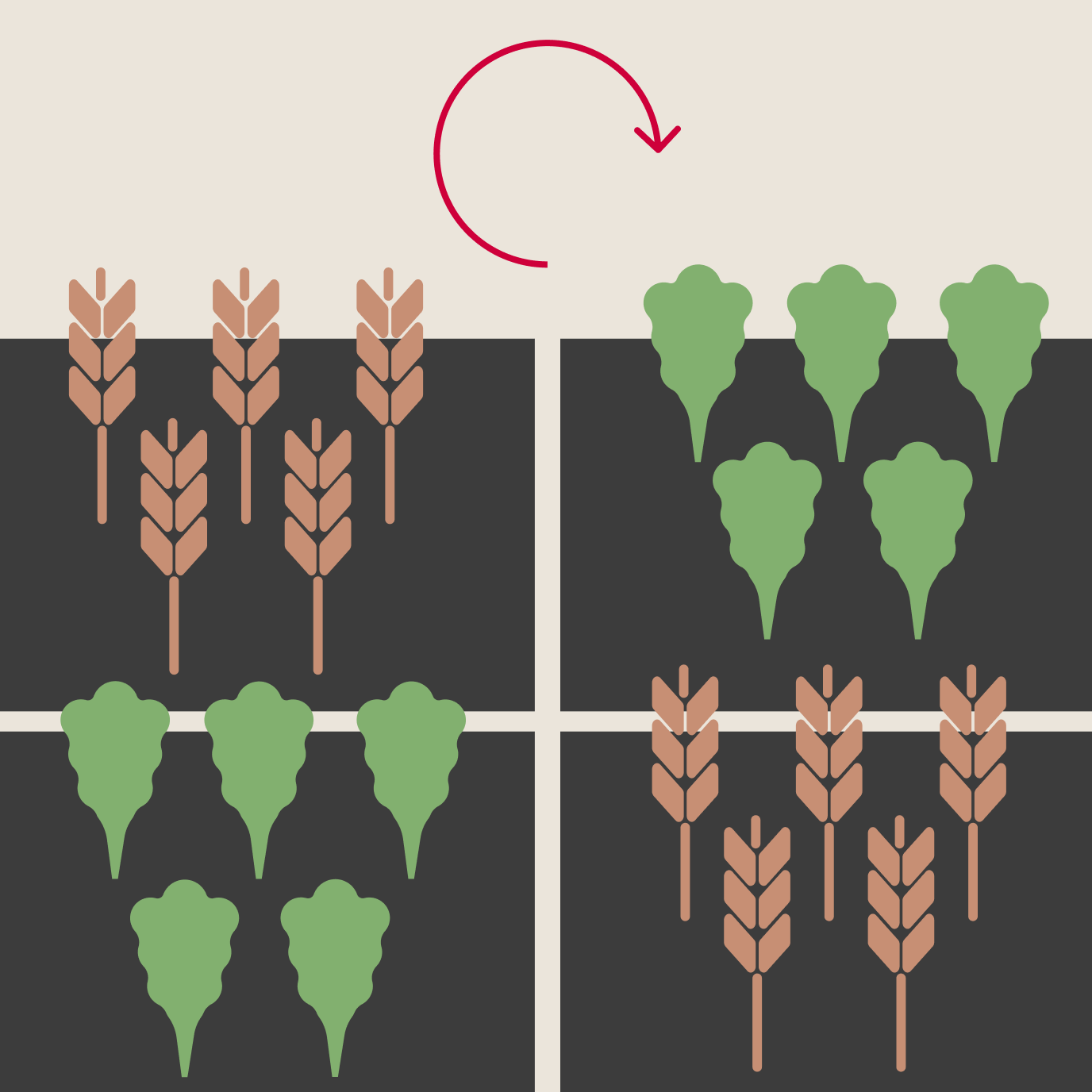
Diversification includes practices such as intercropping or crop rotation, which involve combining different types of crops, either simultaneously (e.g. cereals and legumes) or sequentially (e.g. cereals followed by legumes).
Overall, the outcomes of these practices can vary greatly depending on the crop, the land and the climate. What is beneficial in some cases may be counterproductive in others.
So: before applying regenerative practices, soil health must be assessed. Some signs of degradation include:
We aim to generate the knowledge needed to scale regenerative agriculture and carbon sequestration practices across Catalonia. To do so:
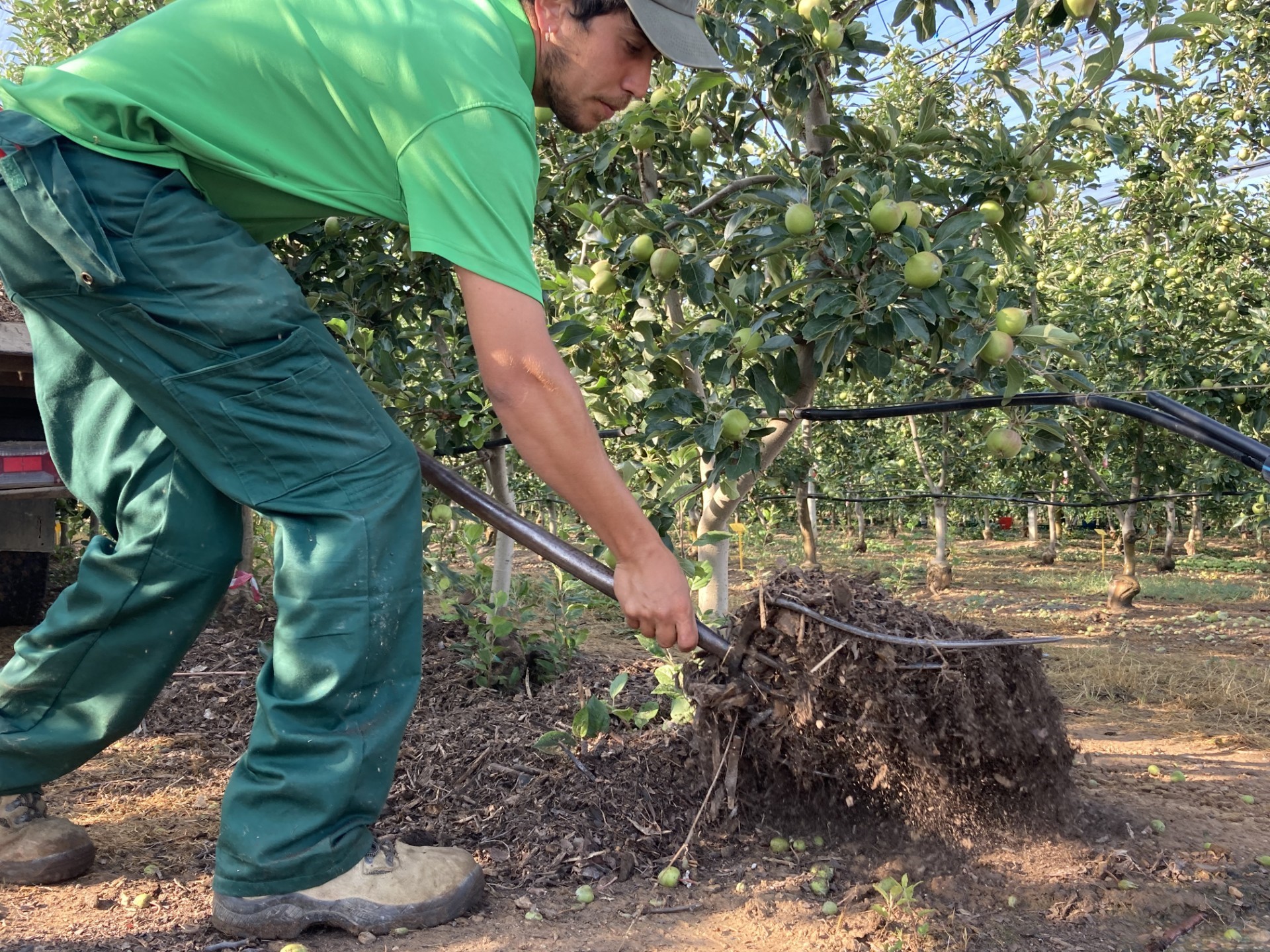
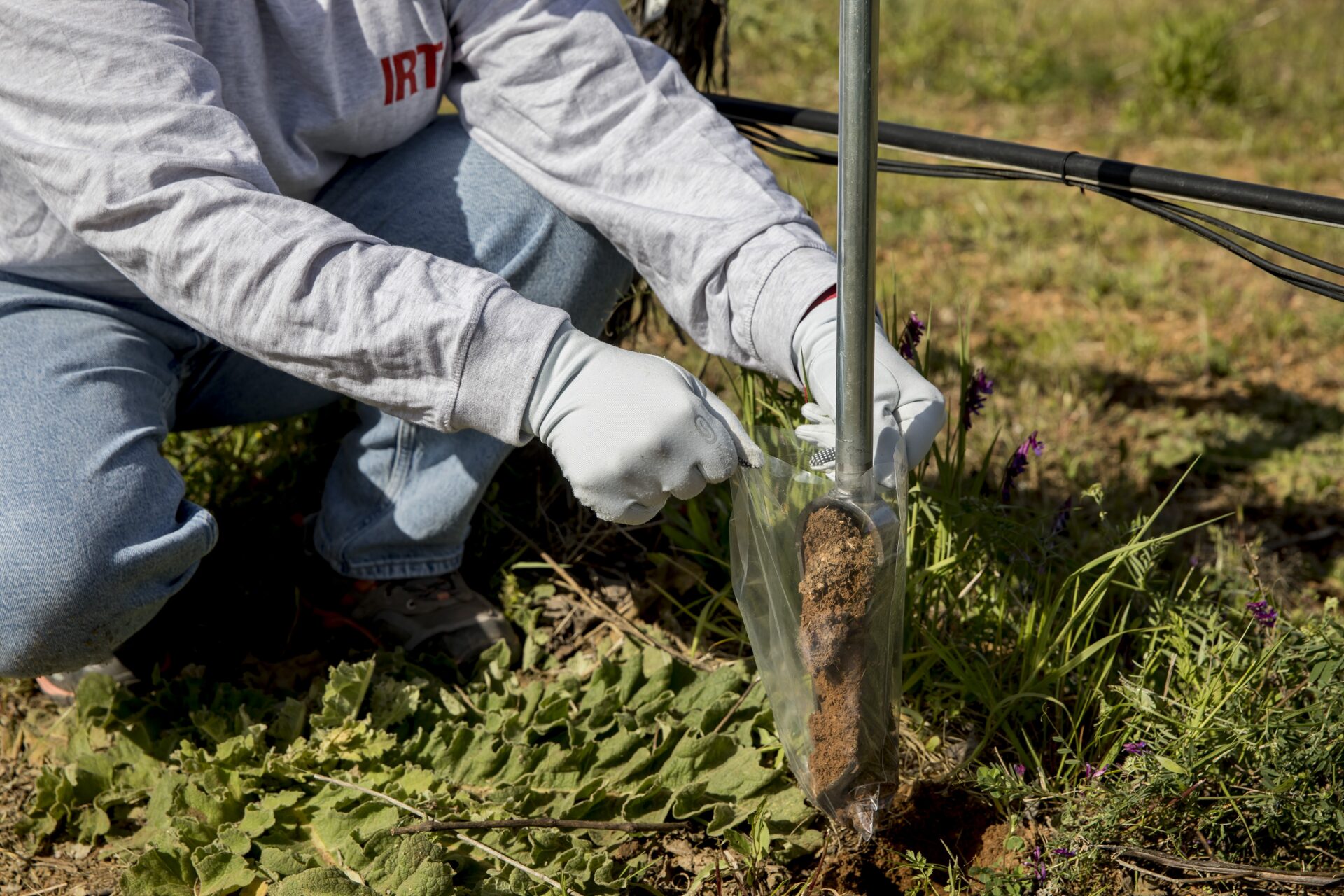
We analyse how regenerative practices influence carbon capture in the soil and the diversity of organisms that inhabit it.
We aim to identify which actions are best suited to different soils, crops and climatic conditions.
We also seek to anticipate how soil health may evolve over time as a result of these practices.
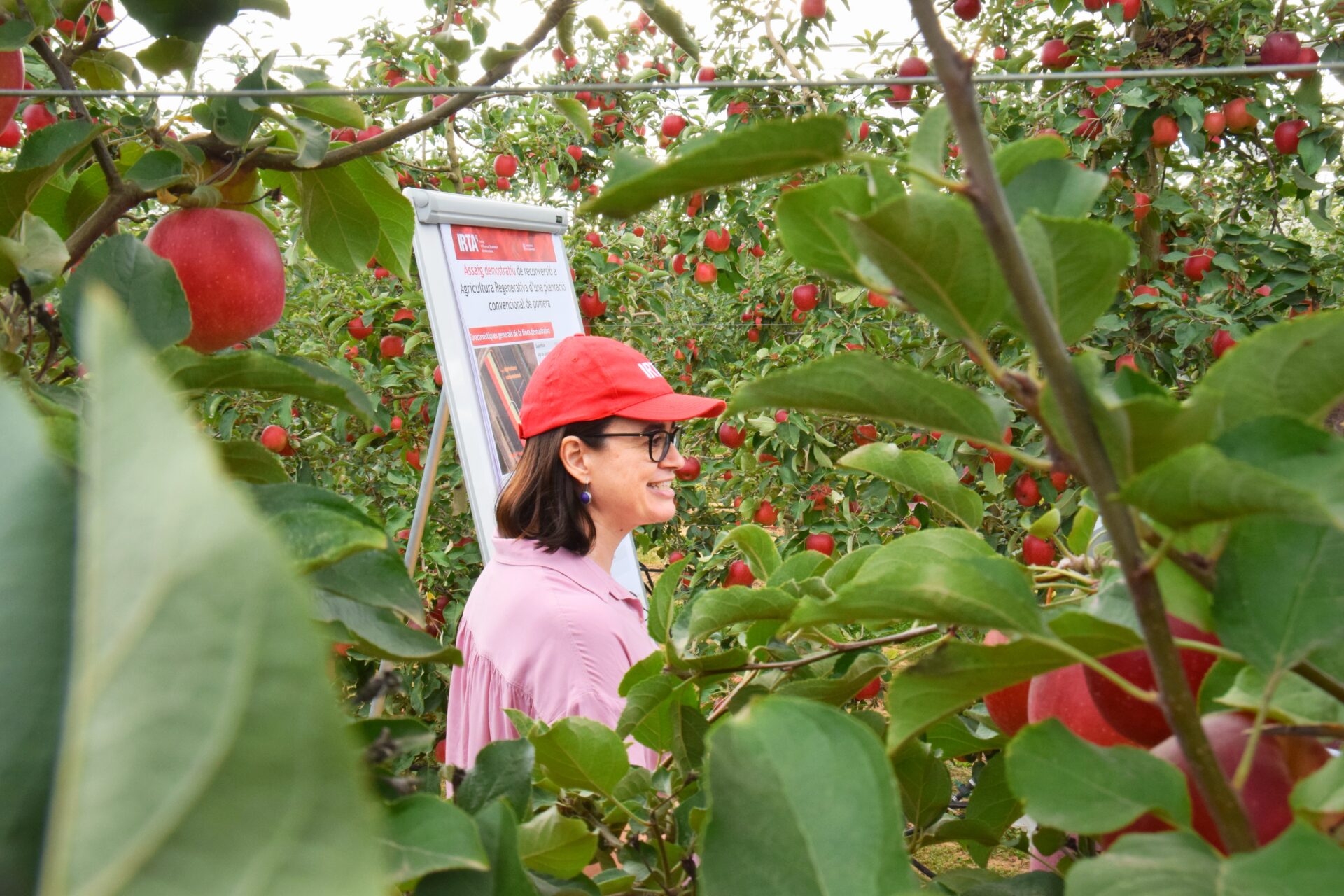
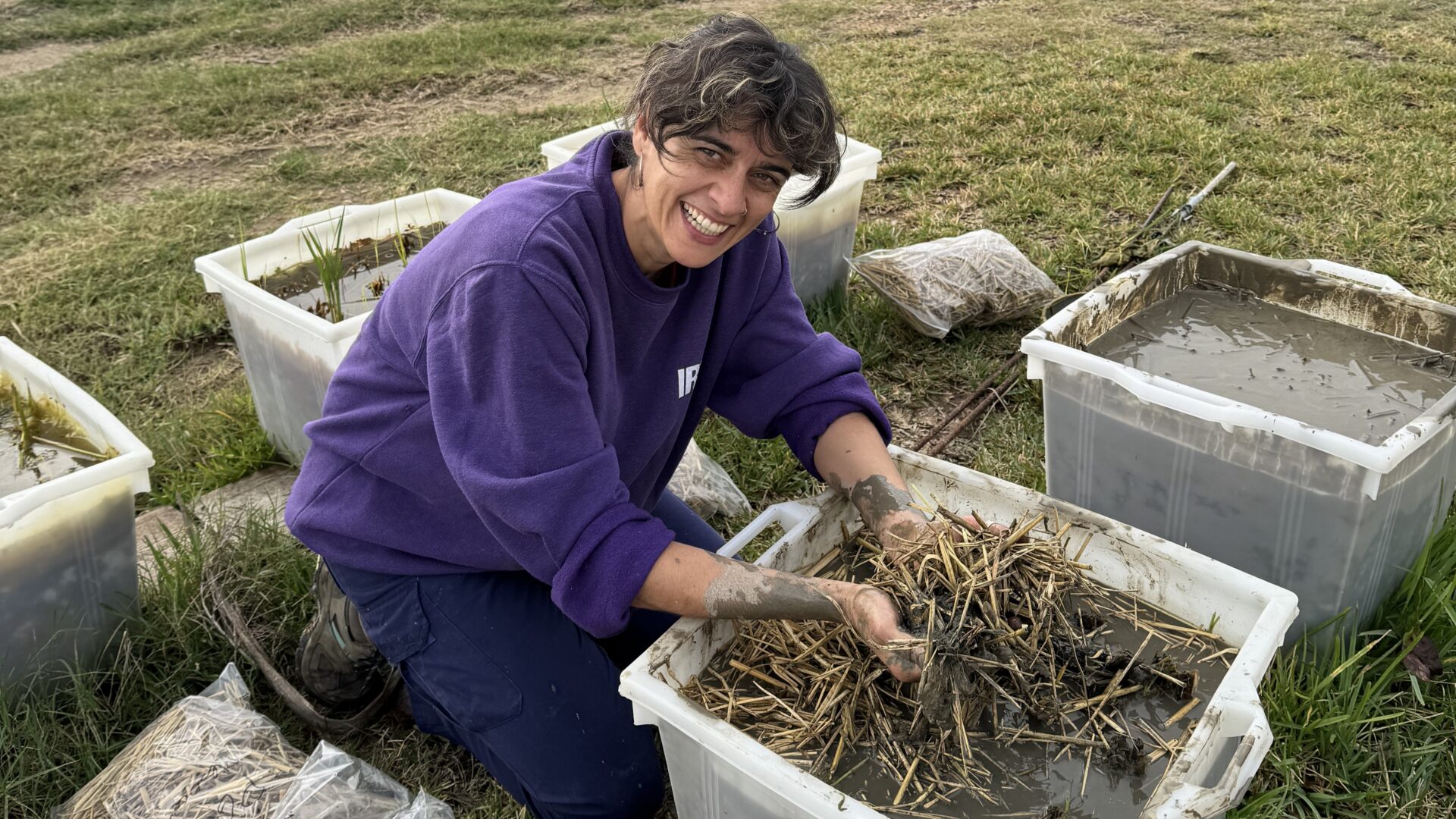
We have a network of demonstration farms and experimental fields where research is carried out over decades.
This is particularly important for carbon studies, which require at least a decade.
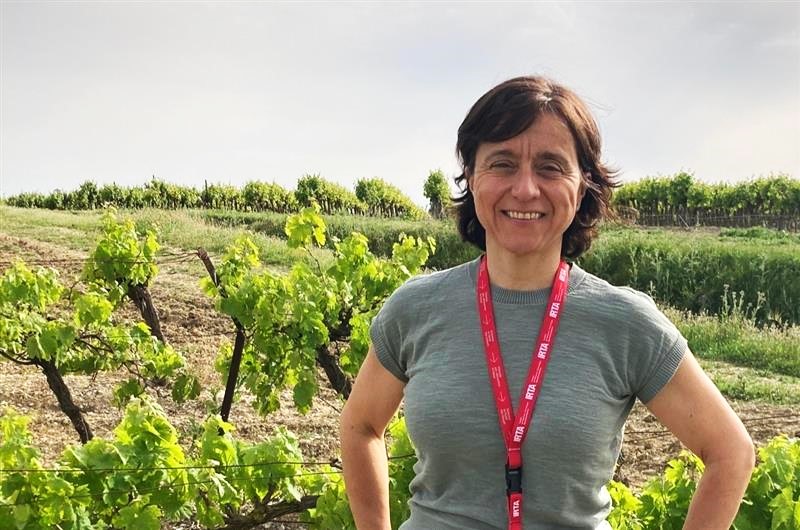
These farms include the most representative crops in our region: cereals, rice, apple trees, vineyards and horticulture.
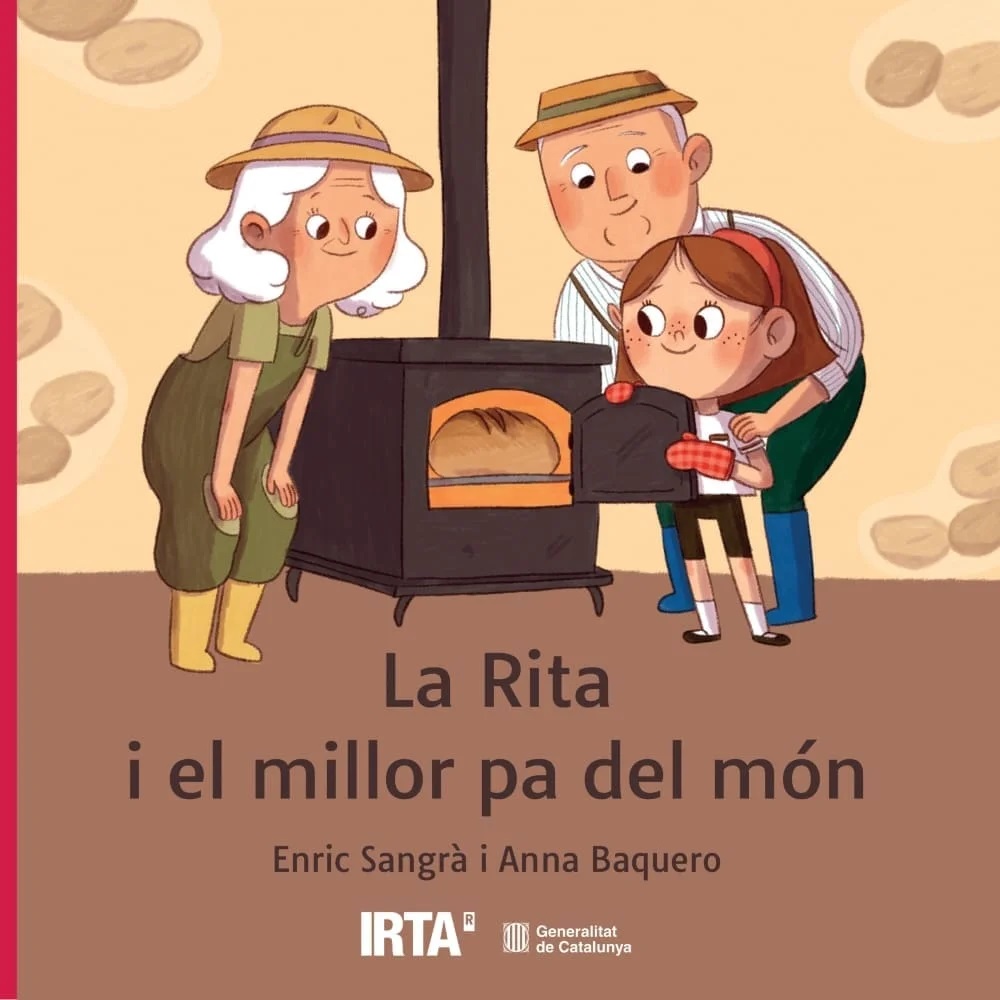
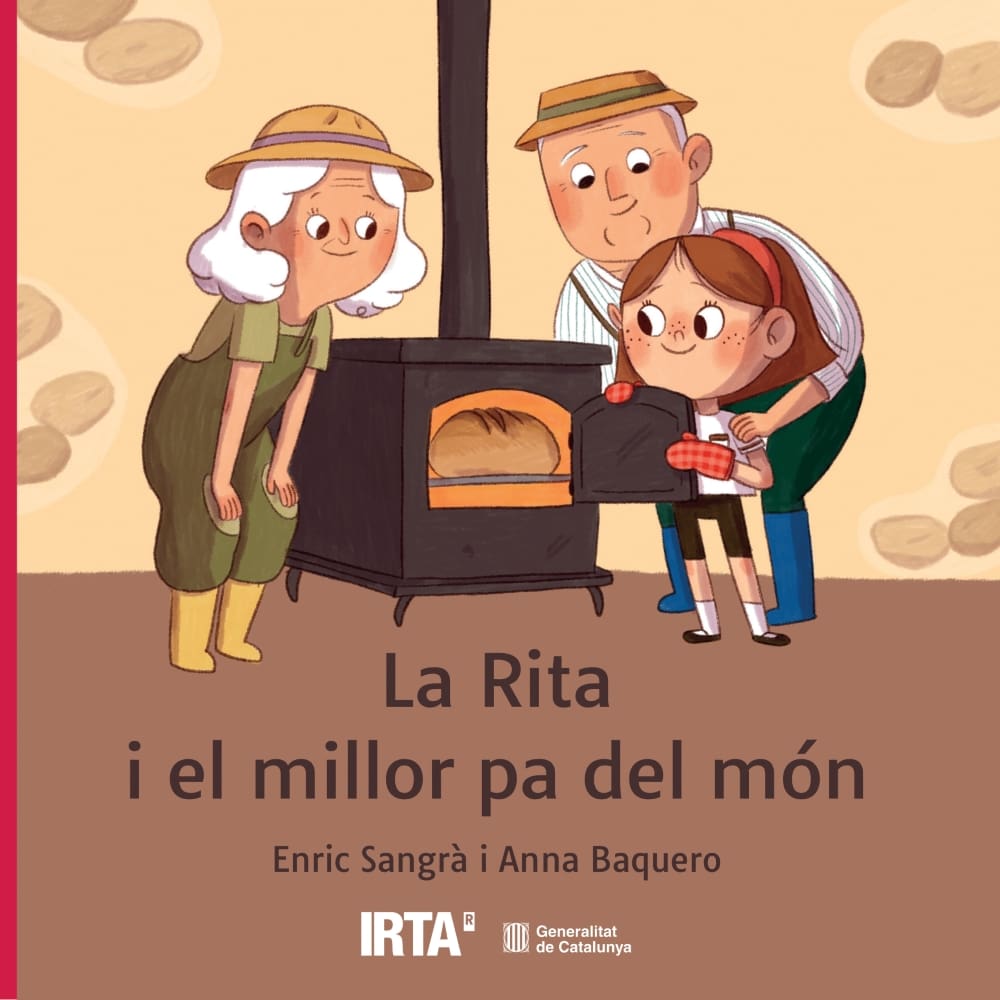
We have published a children’s book, “Rita and the Best Bread in the World”.
This publication is aimed at children, helping them connect with farmers and better understand food production cycles and what a healthy soil is.
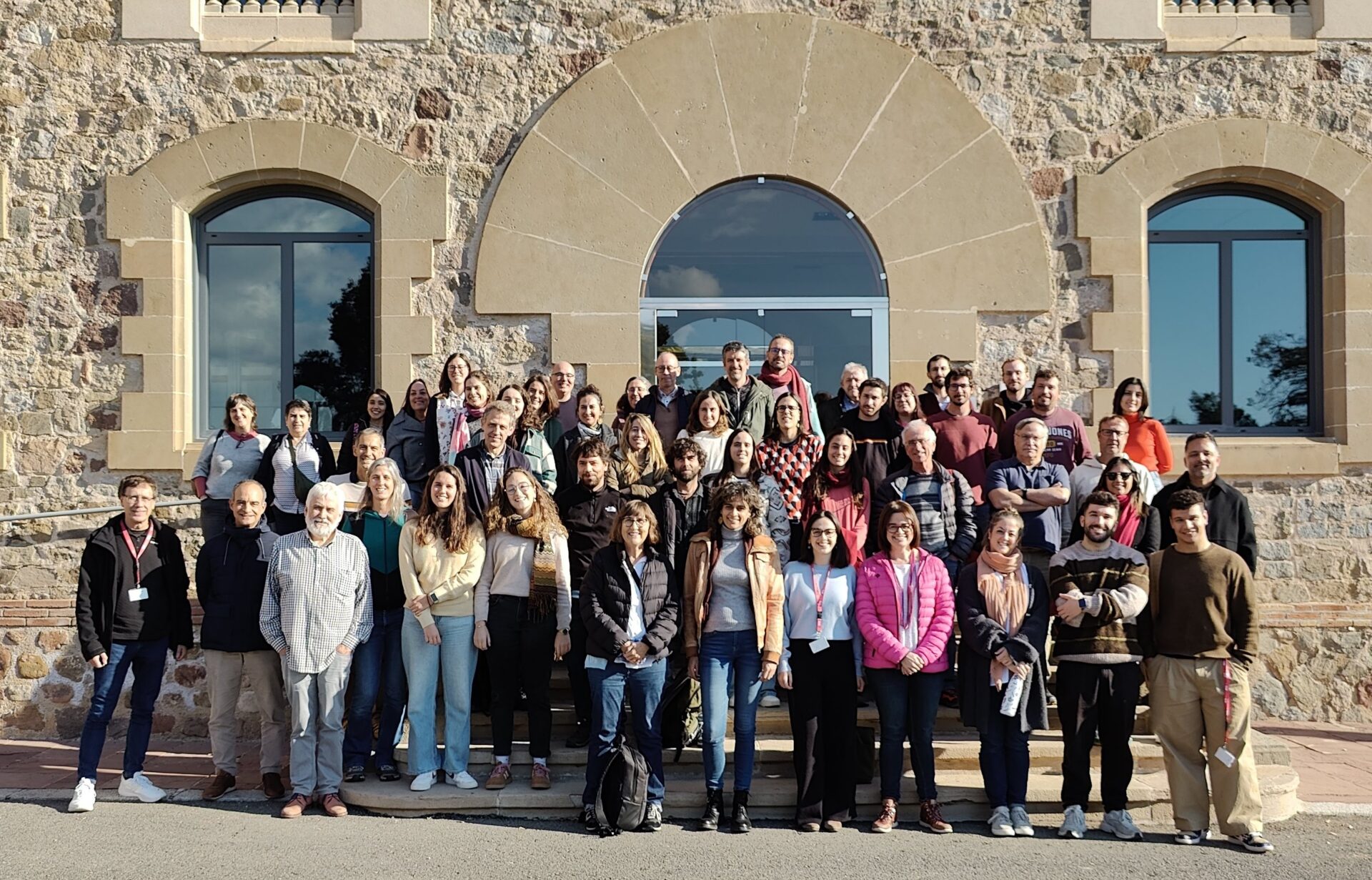
All this work is not done alone: we collaborate with organisations, companies and public administrations, as we believe that working together with a spirit of cooperation is the only way to address the major challenges of our time.
Start date: 01/06/2023
End date: 31/05/2027
Project Code: M1135_13872
Acronym: Waste4Soil

Start date: 01/09/2025
End date: 31/08/2029
Project Code: M1169_16824
Acronym: BIORICE
Start date: 01/03/2024
End date: 31/12/2025
Project Code: M2082_16101
Acronym: CARBONISOL
We support the agri-food sector in its meaningful digital transformation
We work with the territory to improve water management
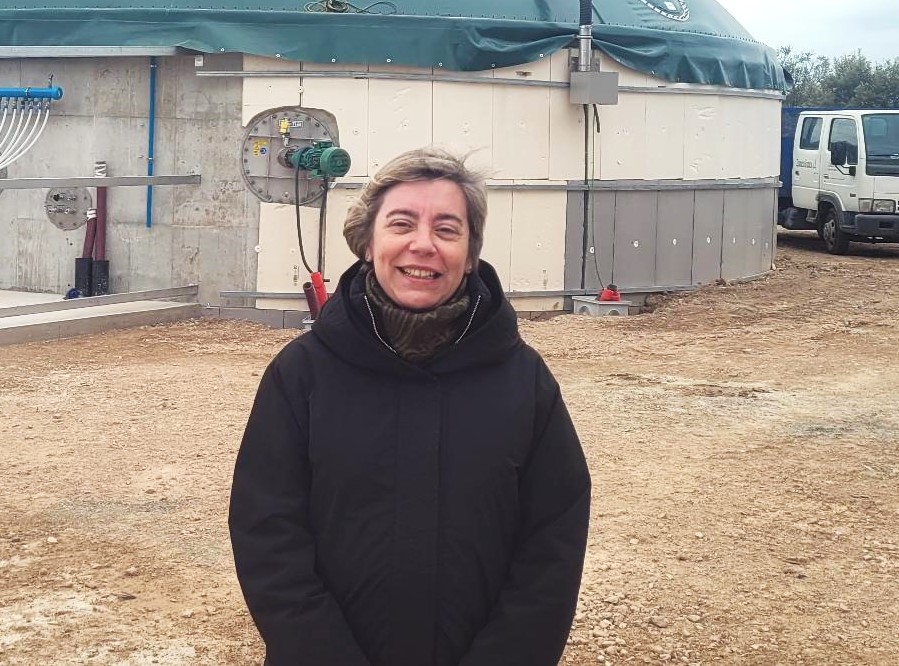
We promote the bioeconomy to reduce the sector’s environmental impact
We explore how to boost protein alternative sources in Catalonia
We want healthy, strong animals that rarely need antibiotics
We are preparing to tackle new pests and diseases
We work to strengthen the resilience of the Catalan wine sector

