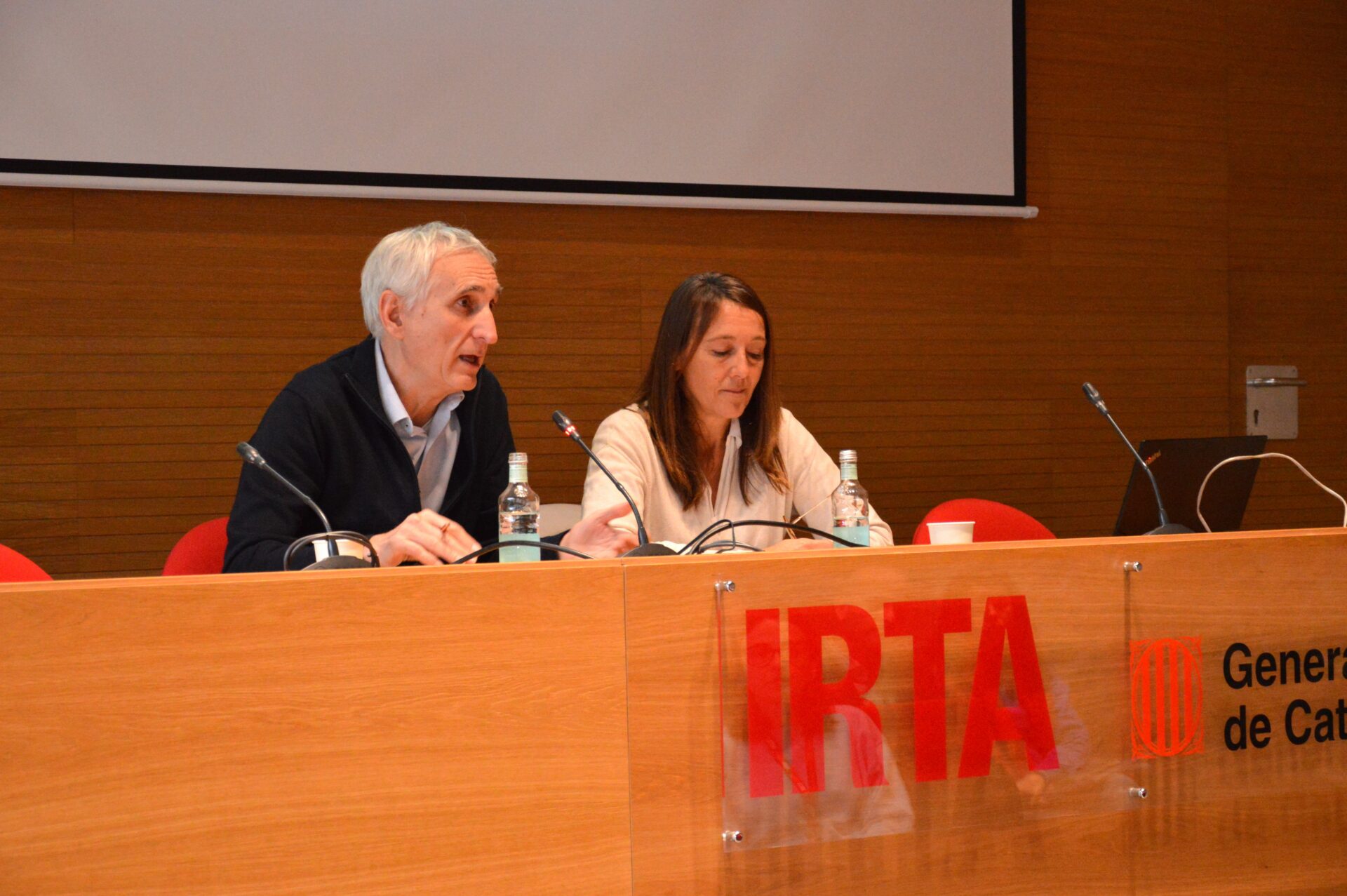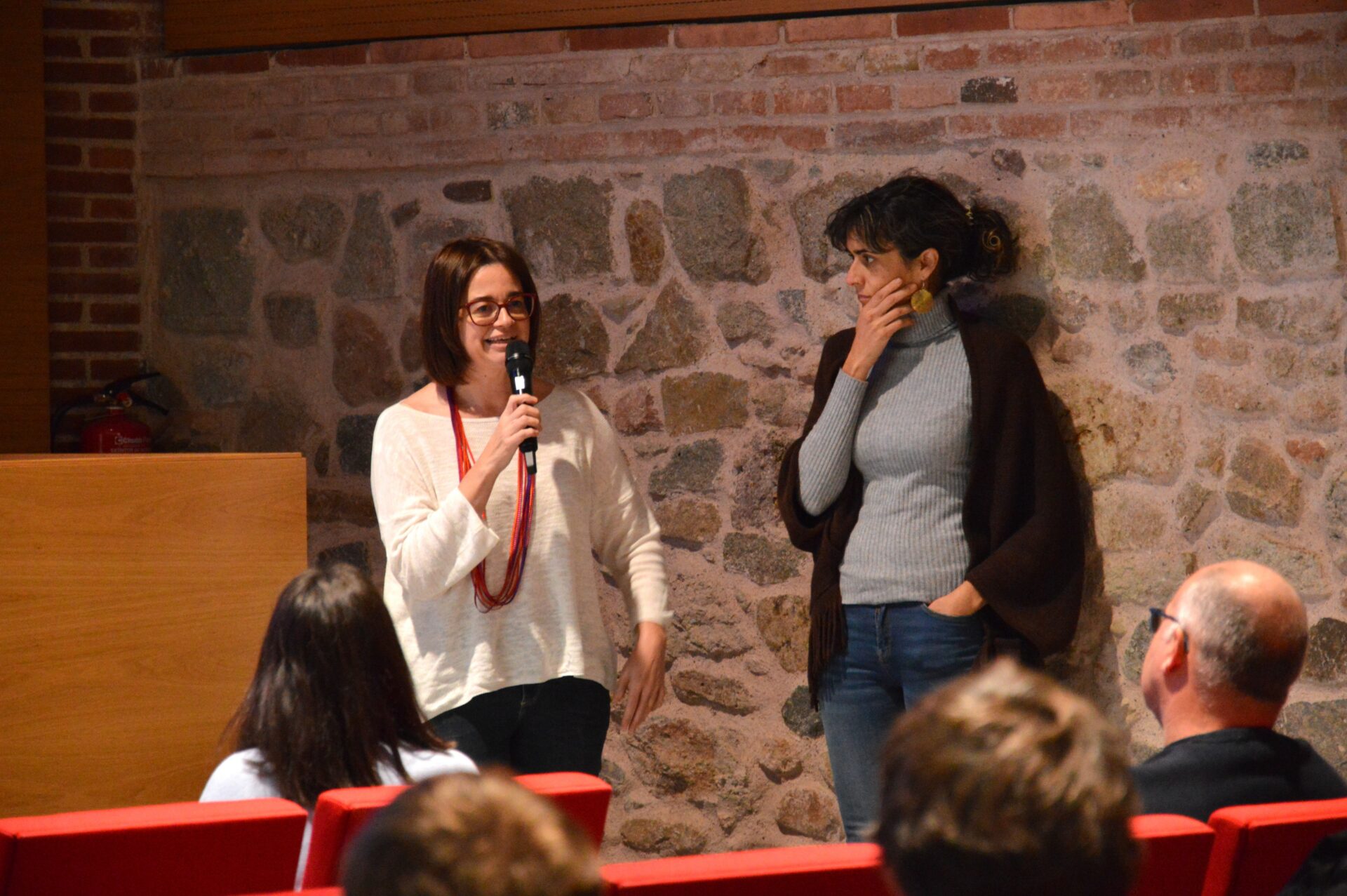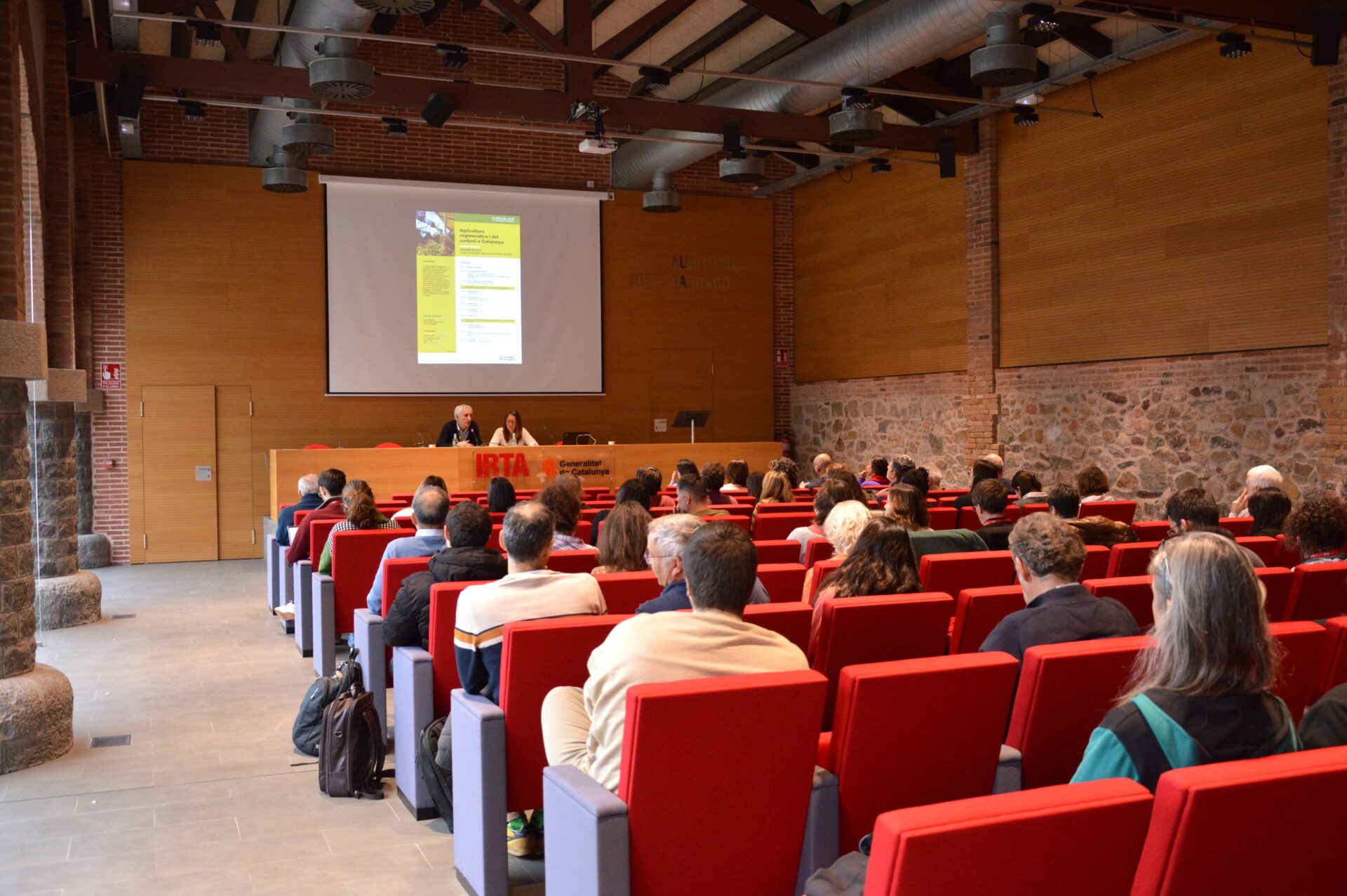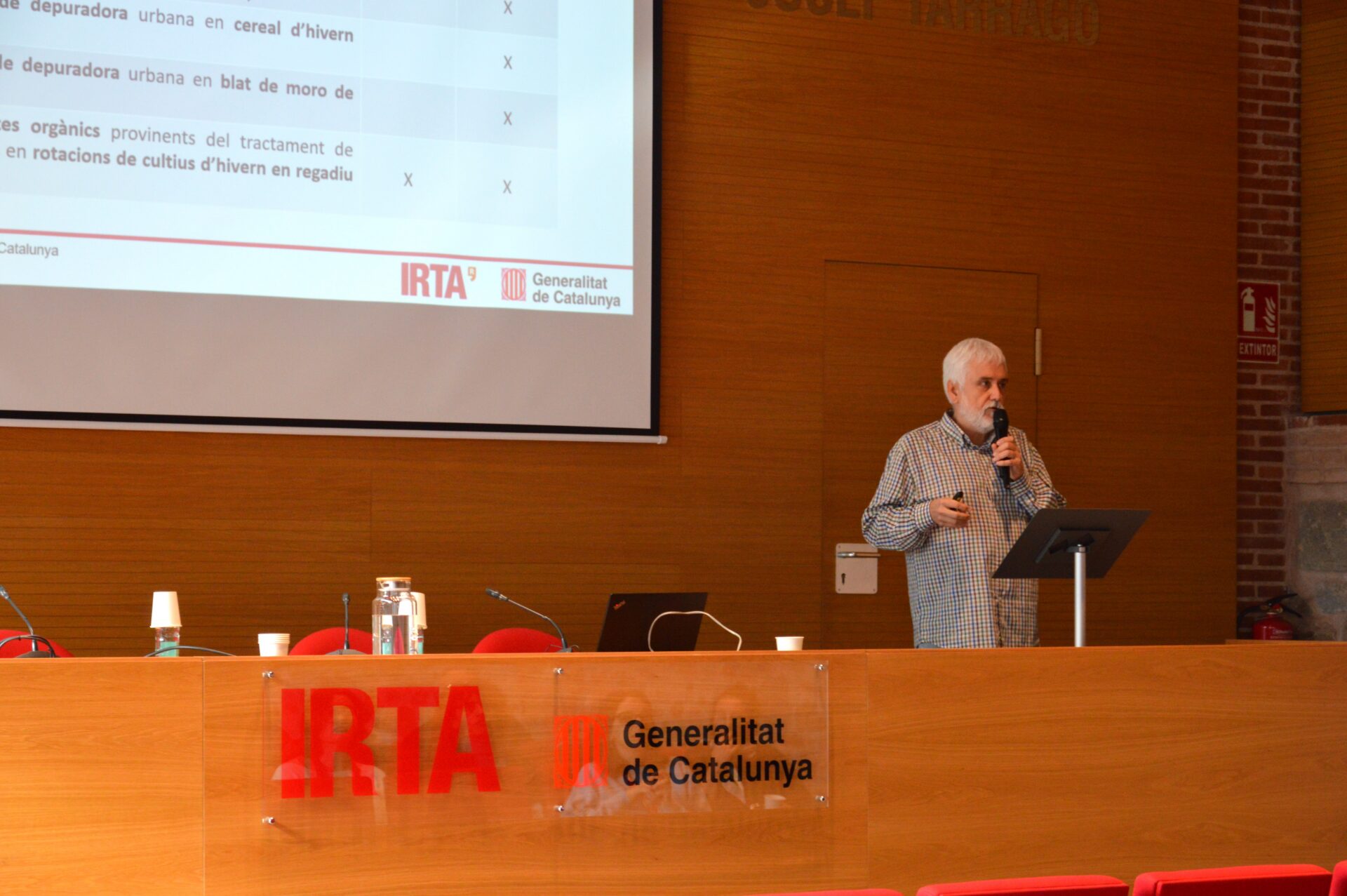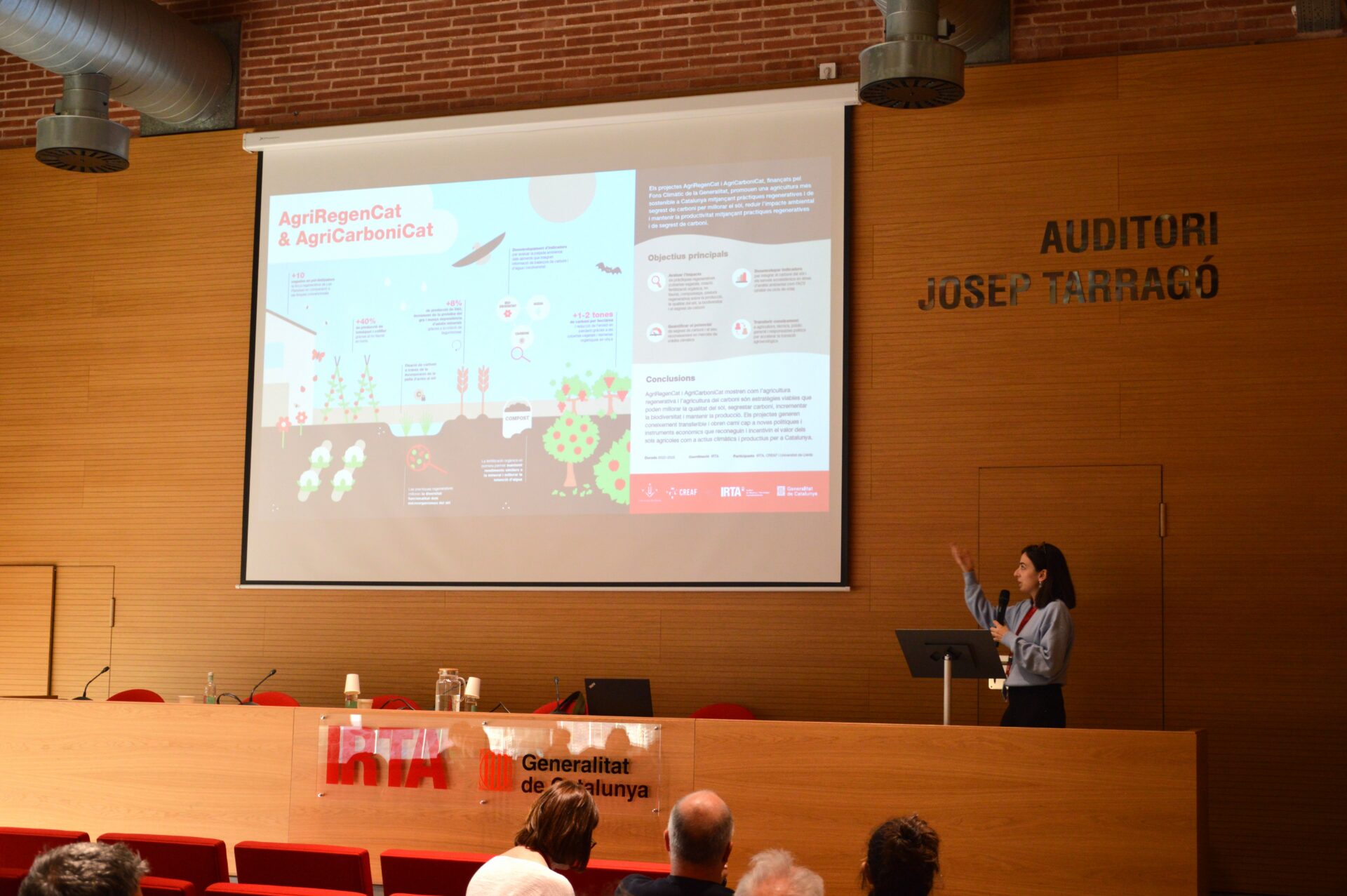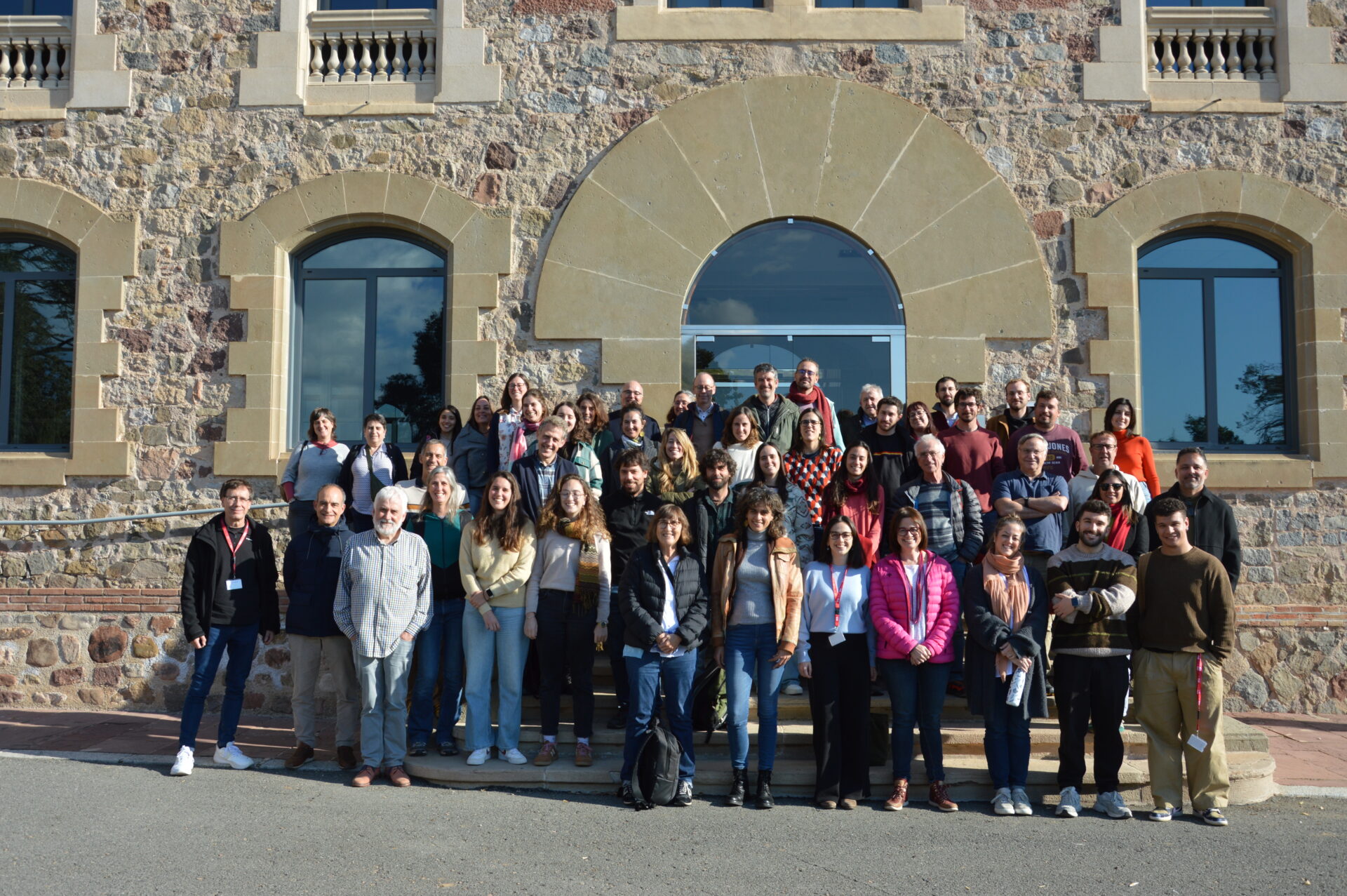
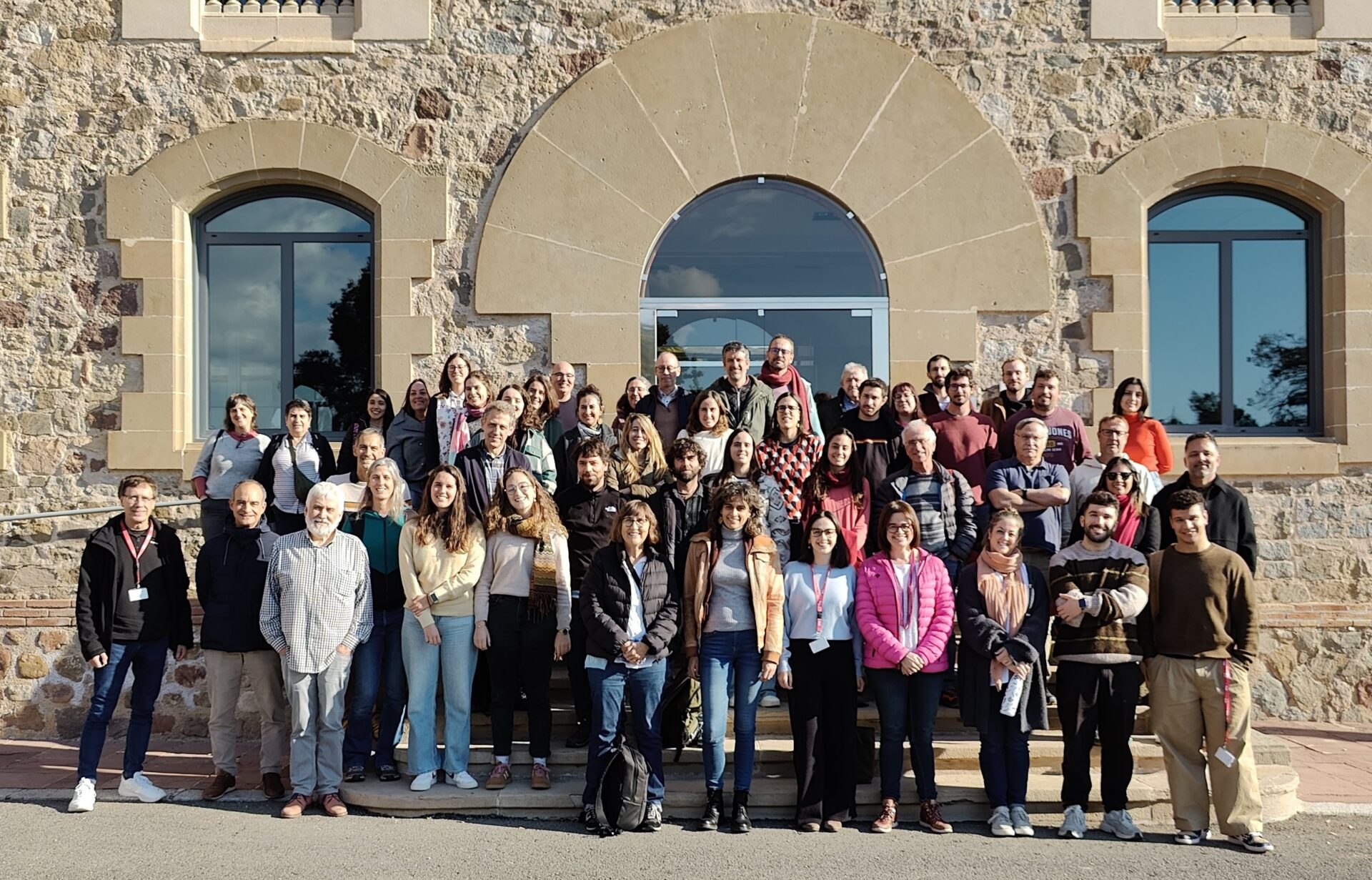
IRTA Torre Marimon hosted the Technical Day on Regenerative and Carbon Agriculture in Catalonia on Thursday 20 November, a meeting point for researchers, technicians and representatives of the agri-food sector to discuss the main results, challenges and advances in regenerative agriculture in Catalonia.
The session, organised by IRTA with the collaboration of CREAF and CTFC, featured a comprehensive programme of experts who presented projects and practices aimed at driving a transition towards more resilient, sustainable agricultural systems aligned with the country’s climate objectives. The event is part of the presentation of the final results of the AgriRegenCat and AgriCarboniCat projects, funded with €2.6 million from the Generalitat de Catalunya’s Climate Fund.
The institutional welcome was given by the Director General of IRTA, Josep Usall, who stressed that ‘the knowledge generated by the projects is applicable and transferable to the sector and to society’s demands’. He also highlighted that ‘they also contribute to paving the way for new policies and economic instruments that recognise agricultural land as an essential productive and climatic asset for the country’.
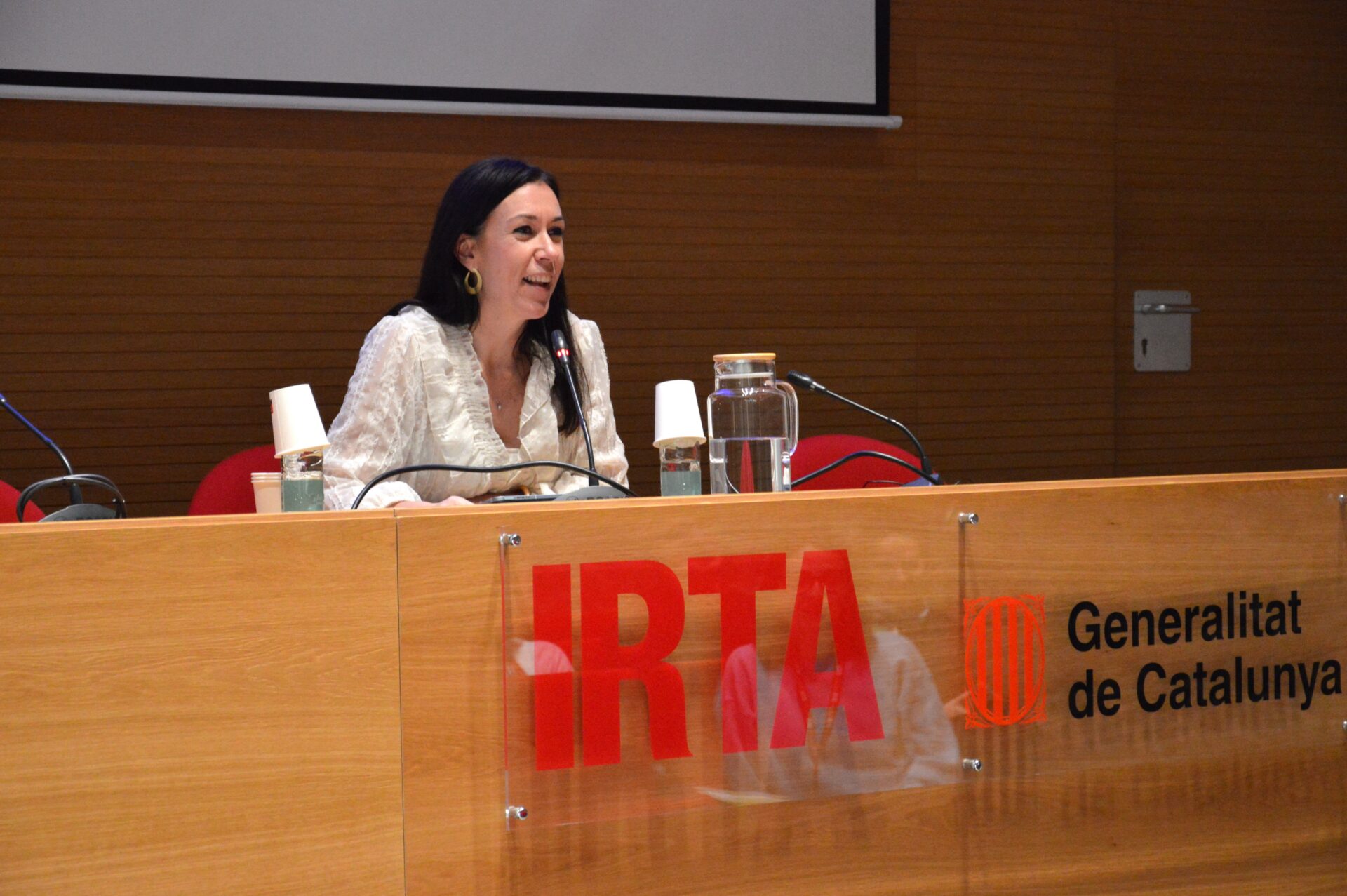
Sonsoles Letang, Director General of Climate Change and Environmental Quality, has stressed that ‘the adoption of regenerative and carbon farming techniques is a strategic necessity in a context of global warming’, and has stressed that ‘through the projects financed by the Climate Fund we are committed to an agriculture that not only produces but restores ecosystems and strengthens the territory’s climate resilience.’
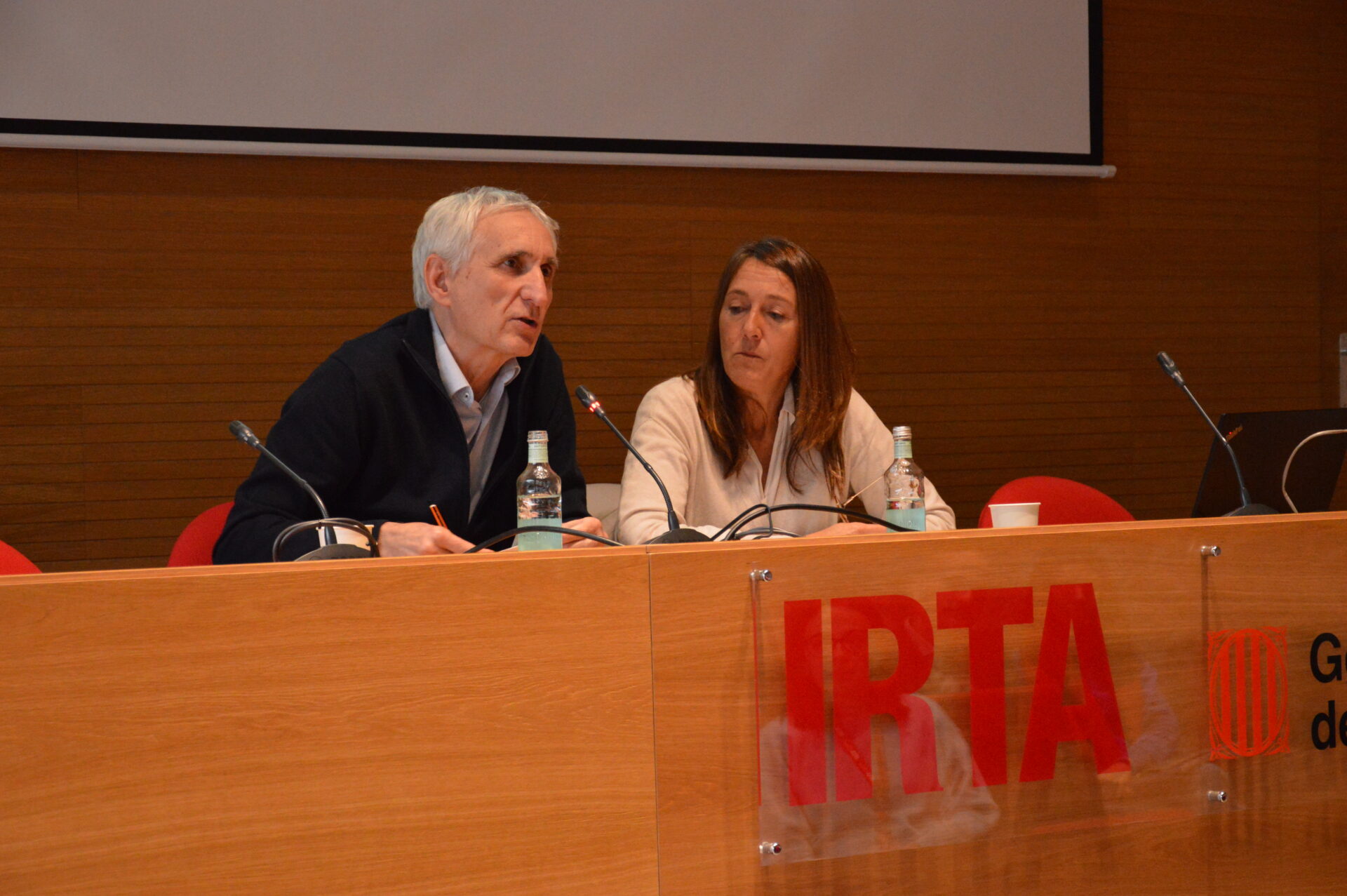
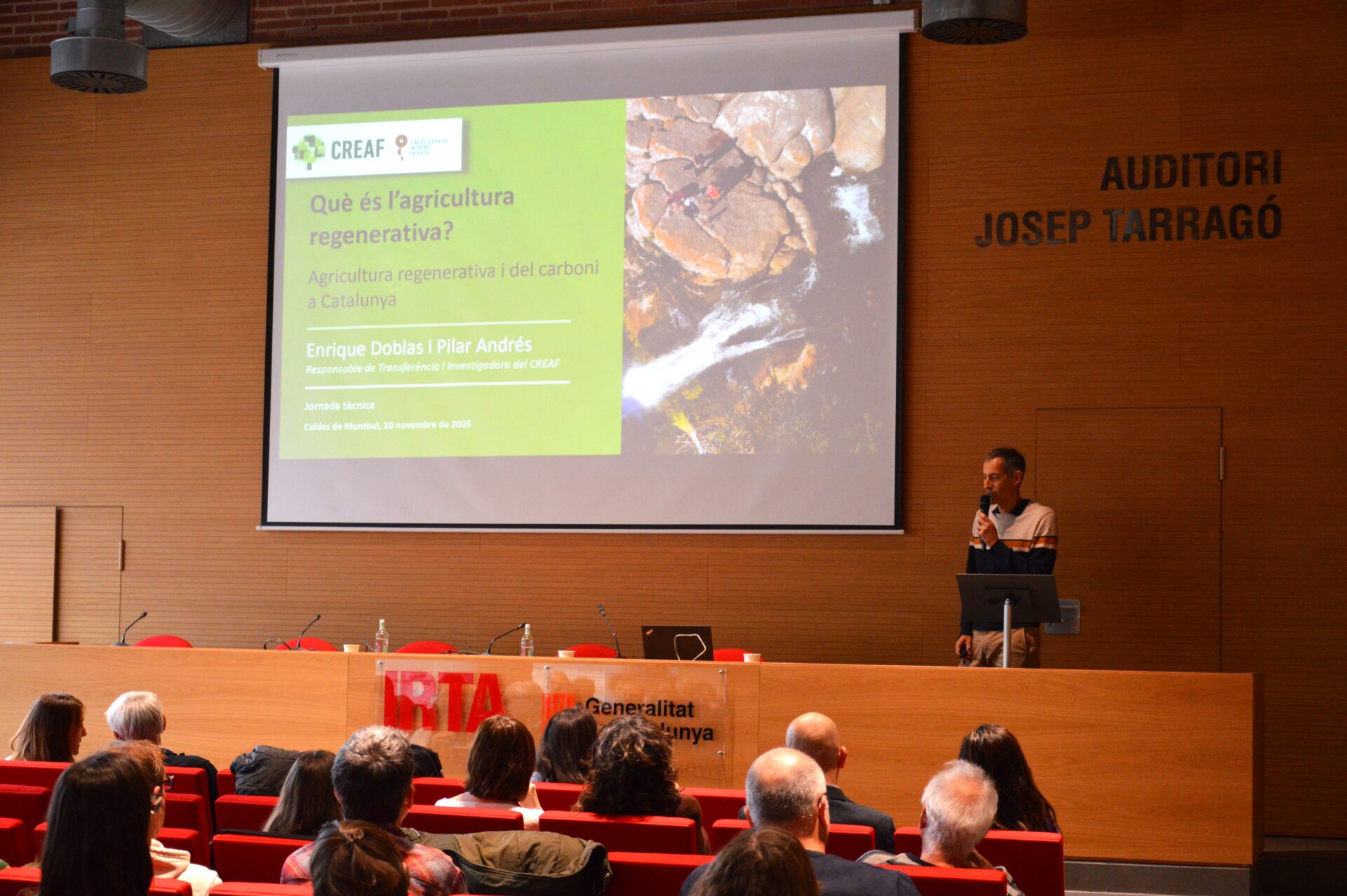
The first part of the session focused on contextualising the principles of regenerative agriculture. Enrique Doblas, from CREAF, explained how this approach is based on the continuous improvement of soil quality, the restoration of biodiversity, water-use efficiency, the reduction of intensive mechanical labour and the integration of ecological processes into agricultural systems.
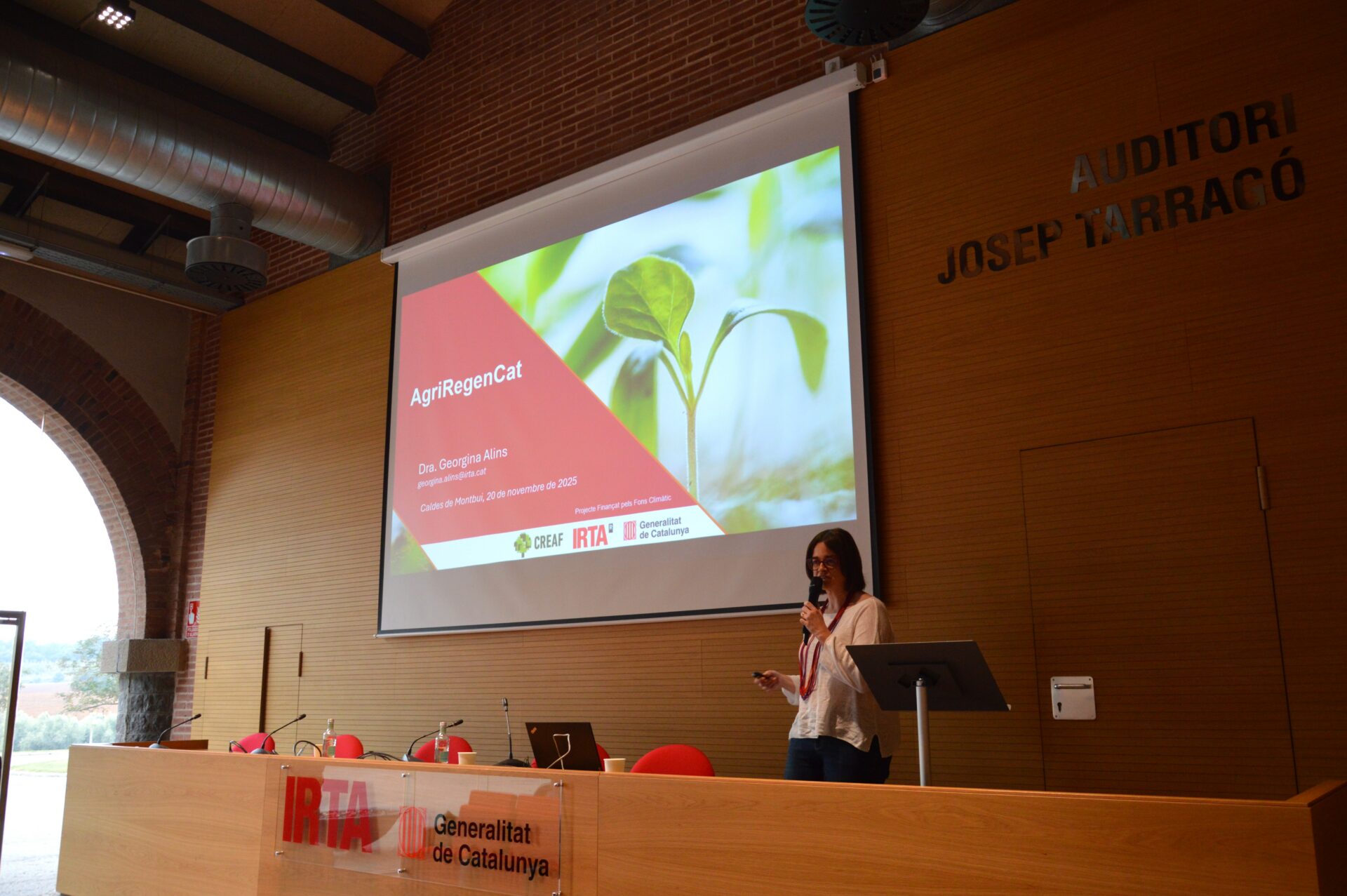
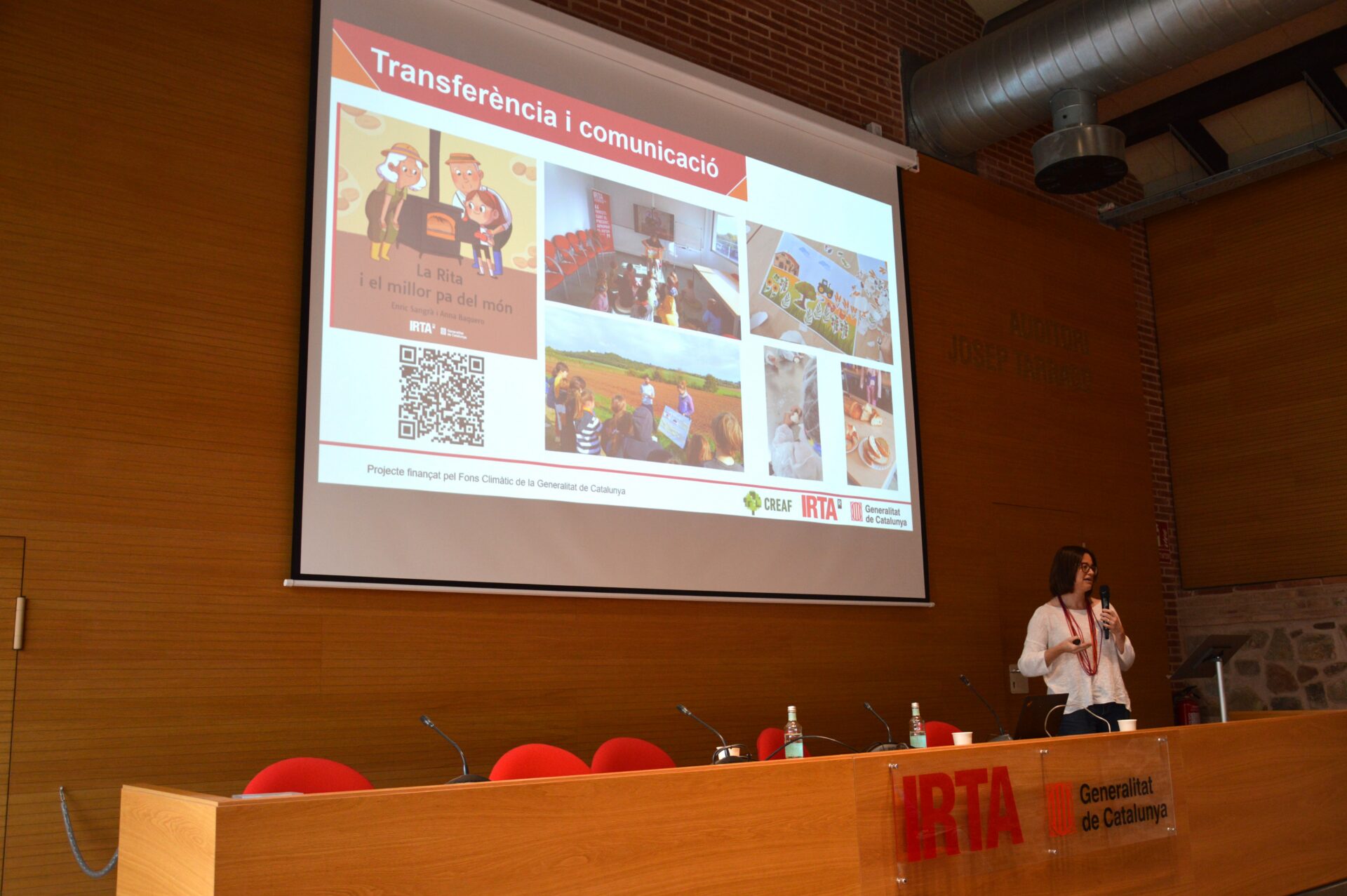
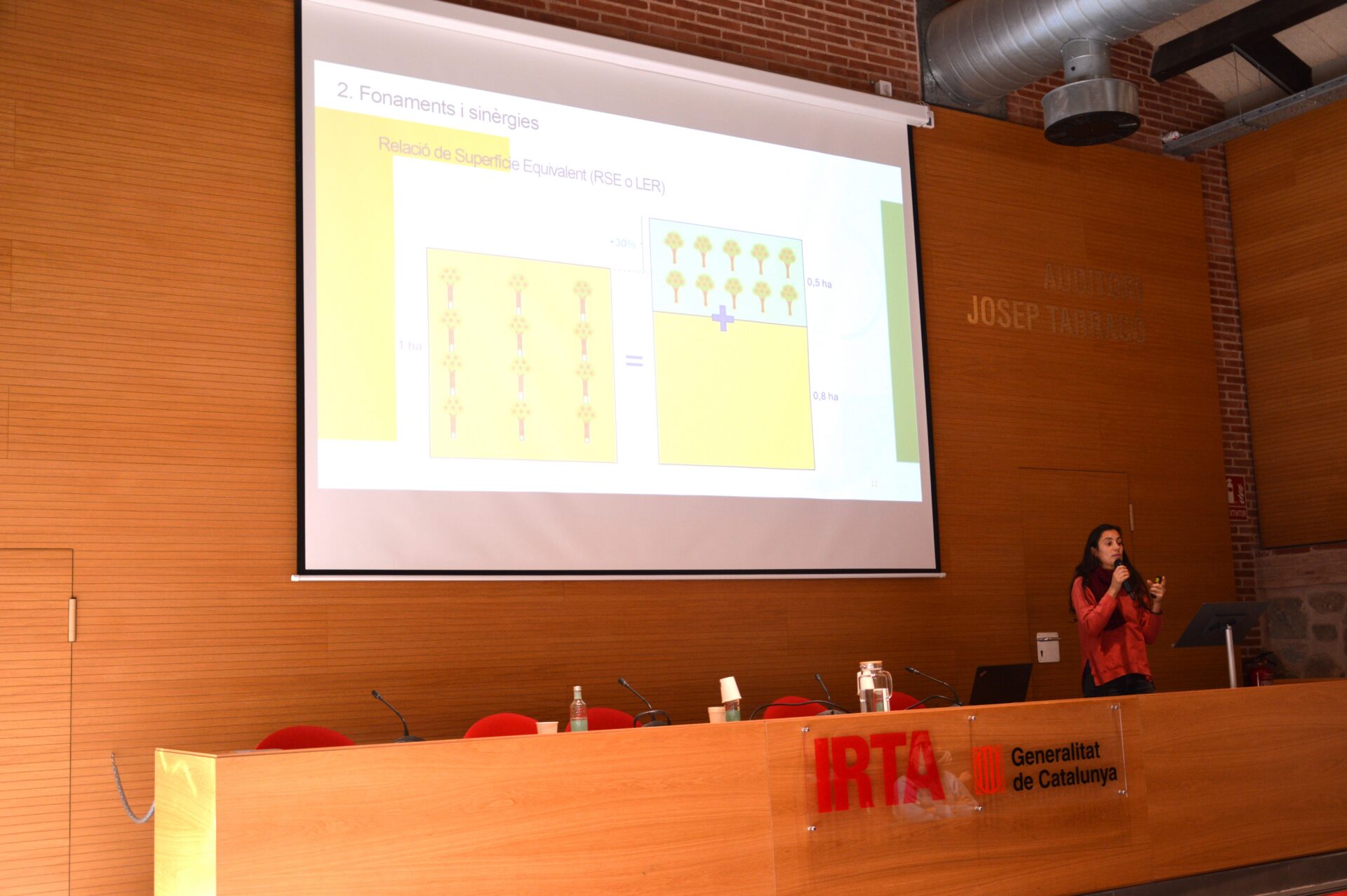
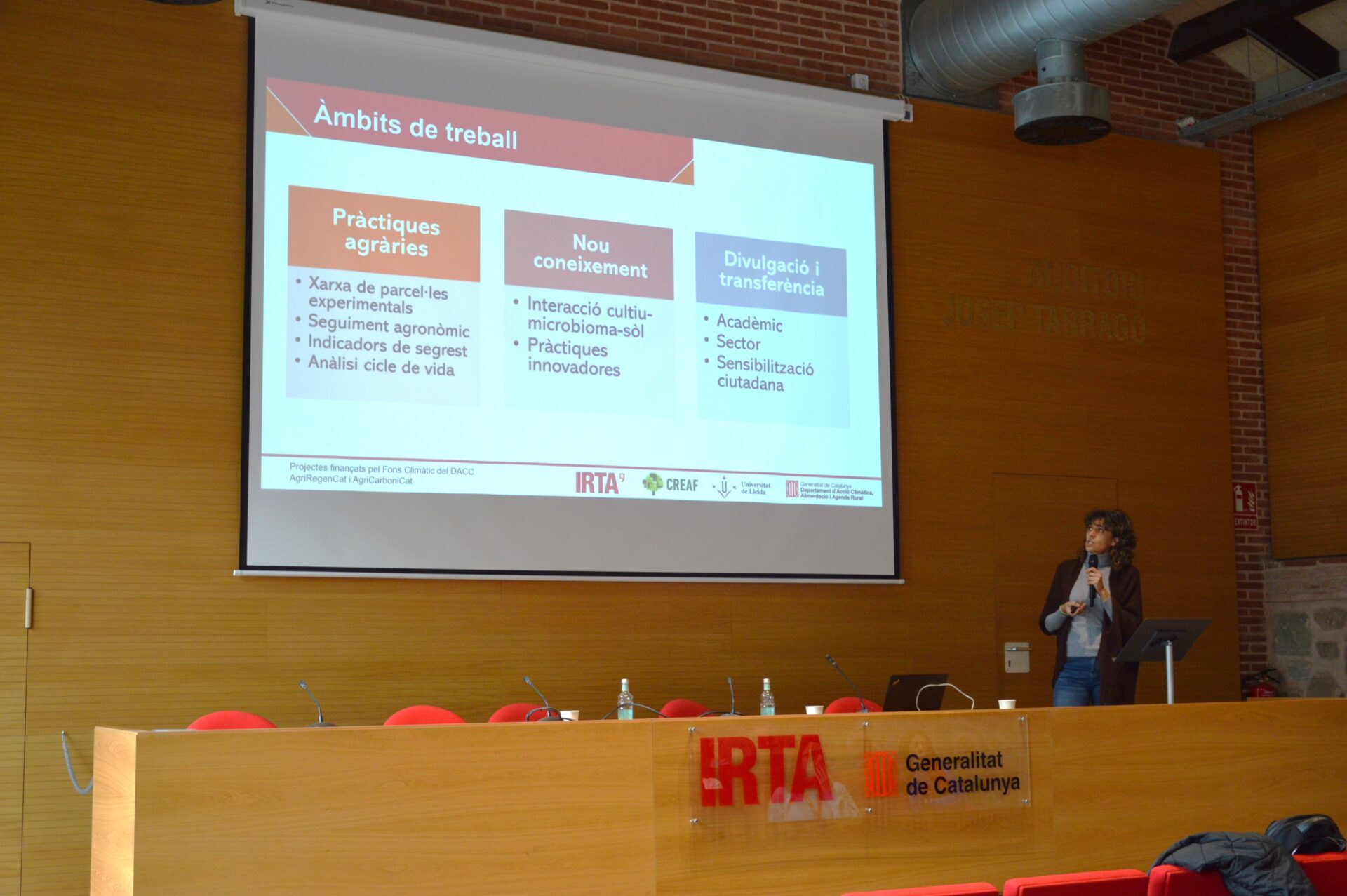
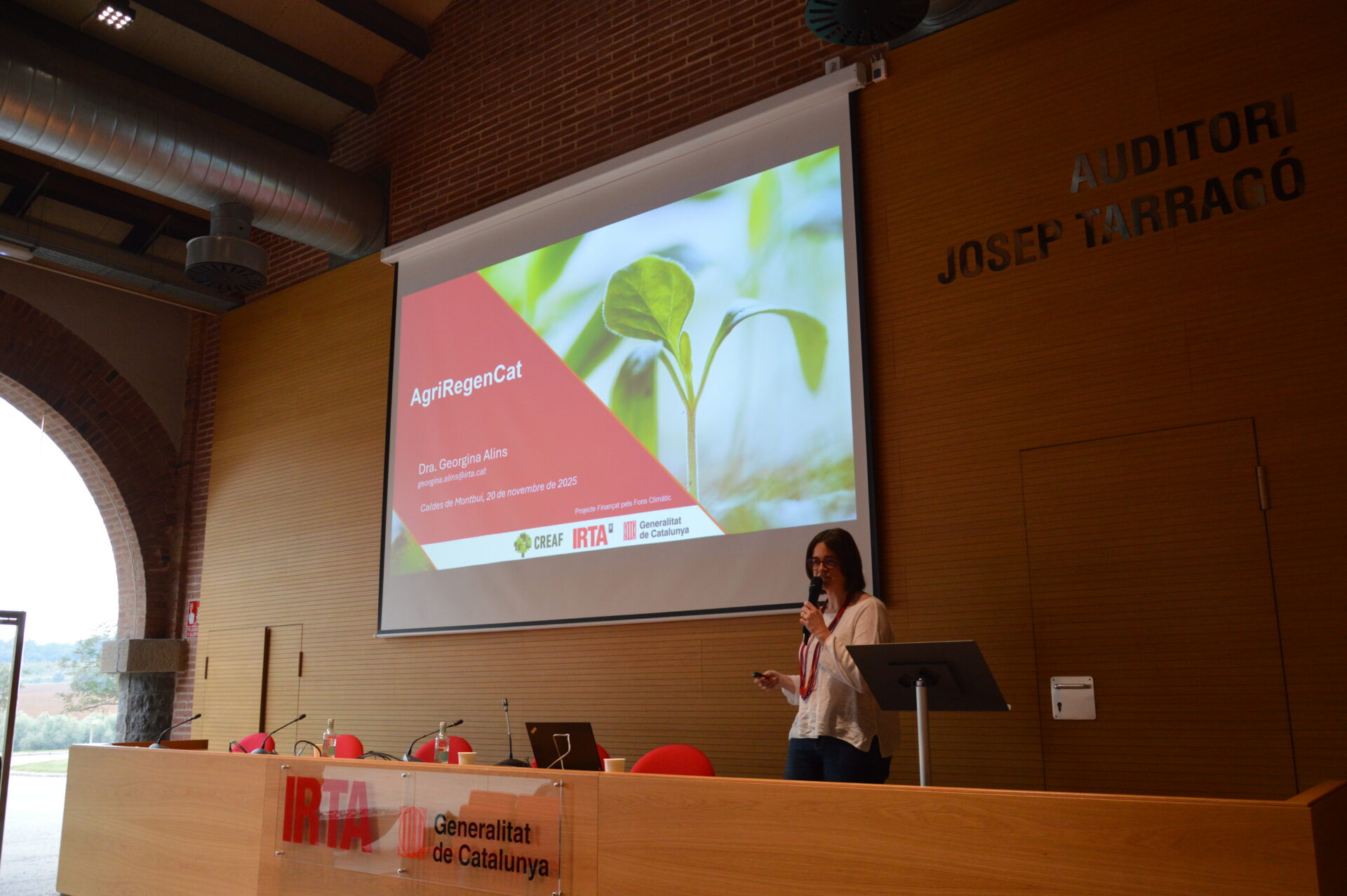
In the session dedicated to projects, Georgina Alins, a researcher in the IRTA’s Fruit Growing programme, presented the objectives and main results of AgriRegenCat, a project aimed at defining, testing and evaluating regenerative practices in different crops and agro-climatic conditions, working in collaboration with farmers and local stakeholders.
Alins has stressed that “producing sustainably involves protecting soil properties and preserving biodiversity, and this requires conducting research directly in the crops and territories where production takes place. Catalonia is diverse, and this diversity calls for a holistic and cross-cutting approach that takes into account all ecosystem levels and allows regenerative practices to be adapted to each agricultural reality.”
Next, the researcher from the IRTA’s Marine and Continental Waters programme, Maite Martínez-Eixarch has presented AgriCarboniCat, which has aimed to measure and increase carbon sequestration in agricultural soils, generating rigorous tools to assess its impact and providing data and creating incentive schemes and support mechanisms for the sector.
“Our research has enabled us to identify and create tools to reduce the application of chemical fertilisers, make better use of livestock by-products and organic amendments, decrease the use of insecticides and herbicides and CO2 emissions, to retain more carbon in the soil and plough less, focused on helping the sector reduce costs in agricultural production,” concludes Martínez Eixarch.
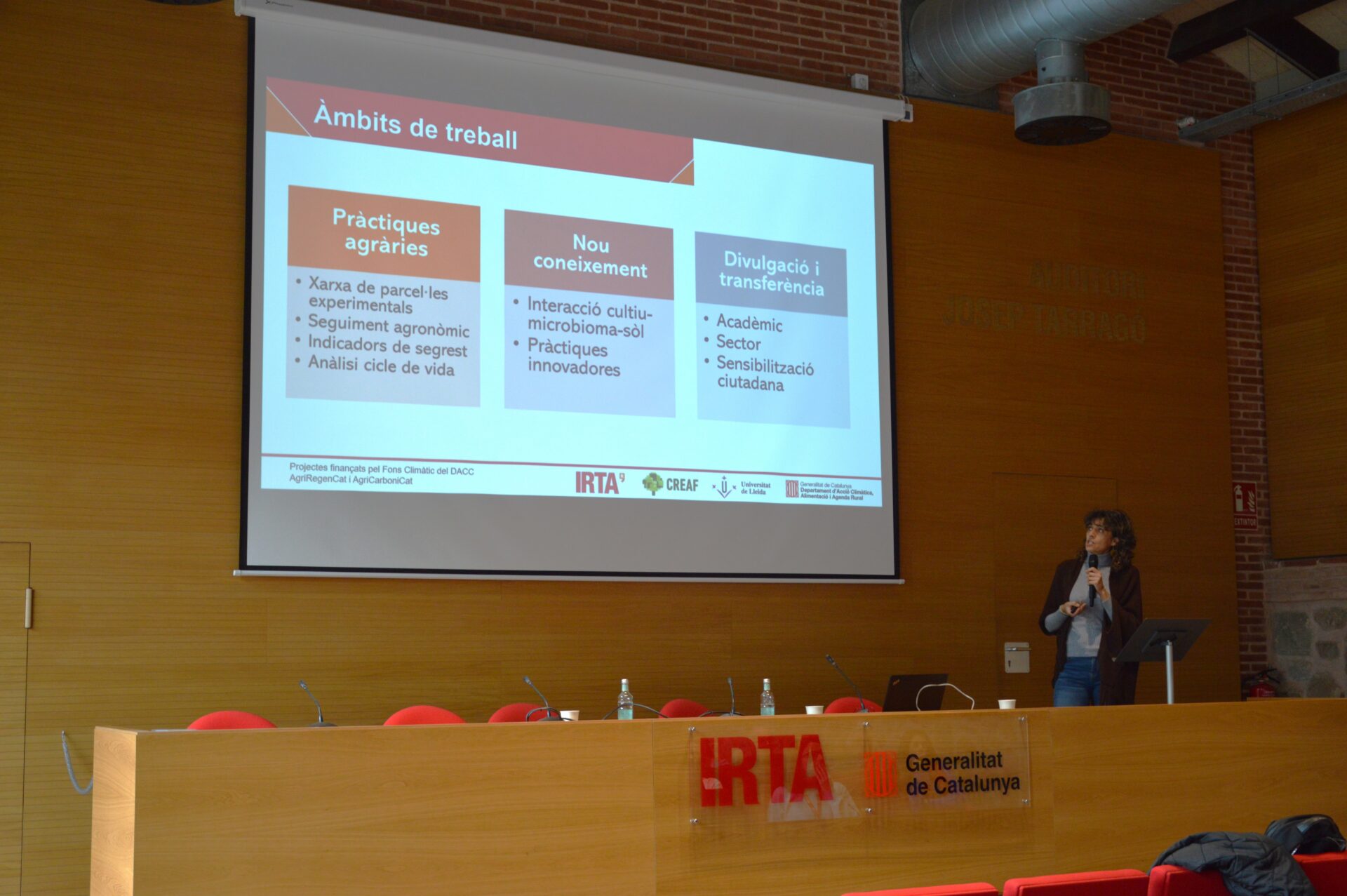
The presentation of these projects has been complemented by contributions from the RegeneraCat and Polyfarming programmes at CREAF, which reinforce the integrated vision of the regenerative model and its complementarity with sustainable forest management.
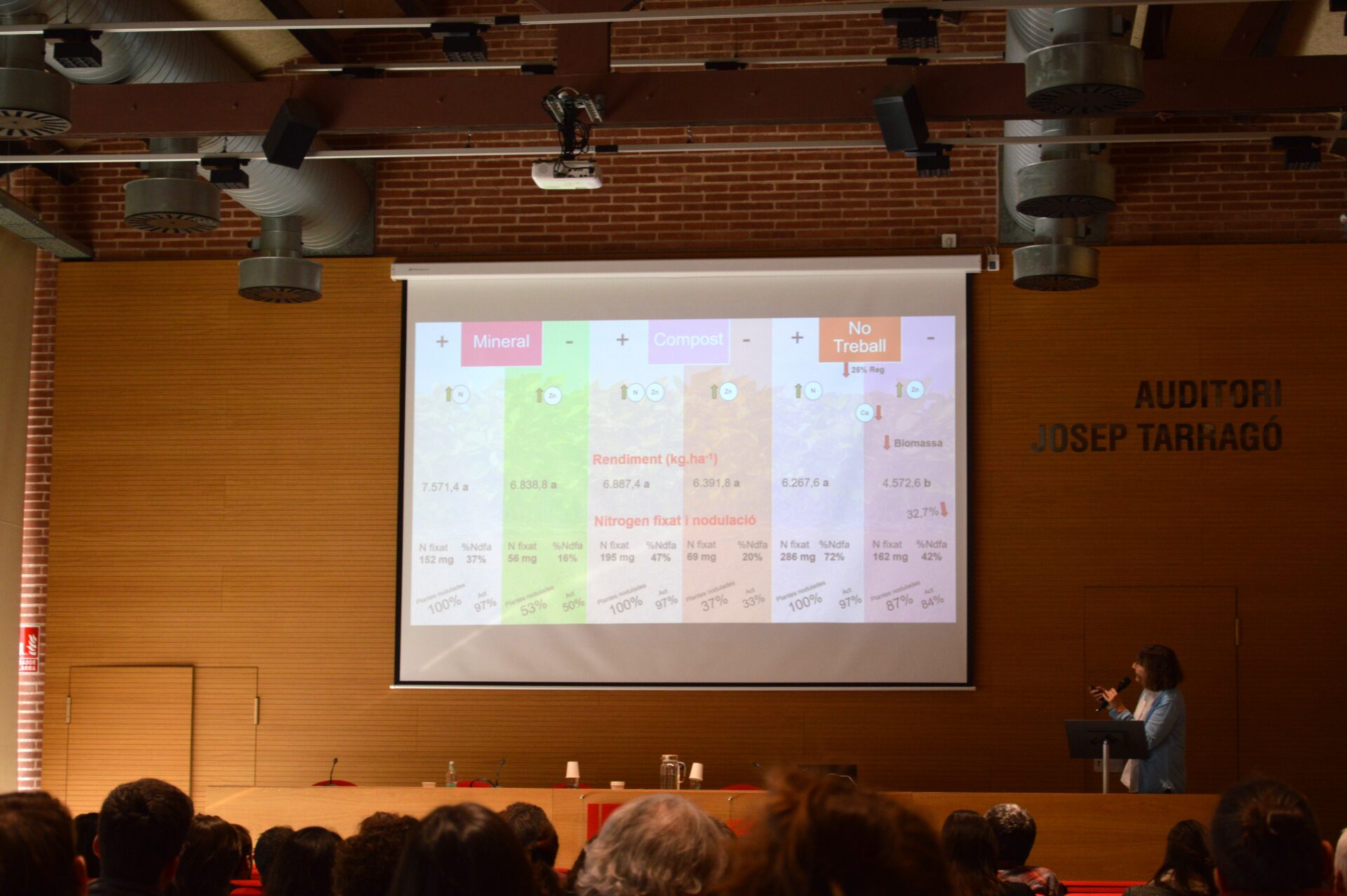
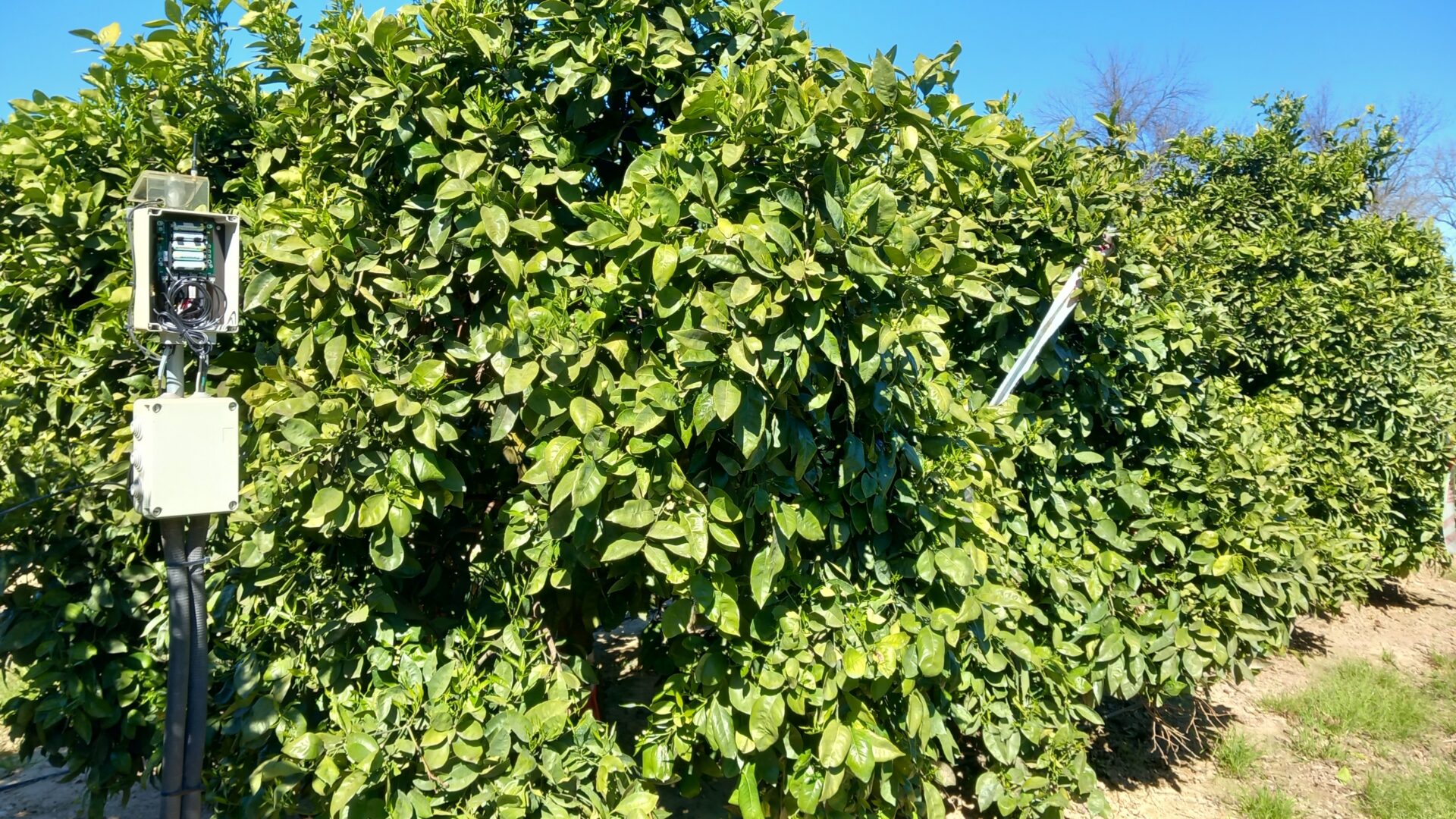
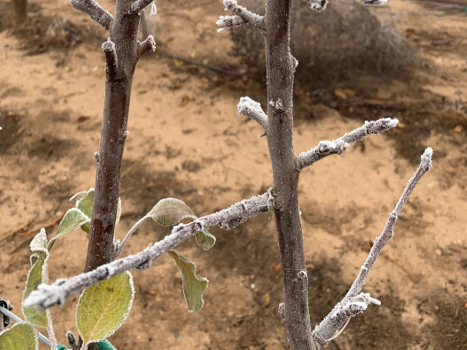
The day continued with a session dedicated to regenerative practices by crop, where various IRTA researchers presented the results of studies on arable crops, rice, horticultural crops, vineyards and apple orchards. This session has provided an opportunity to demonstrate how regenerative agriculture can improve soil fertility, increase climate resilience and contribute to the economic sustainability of farms.
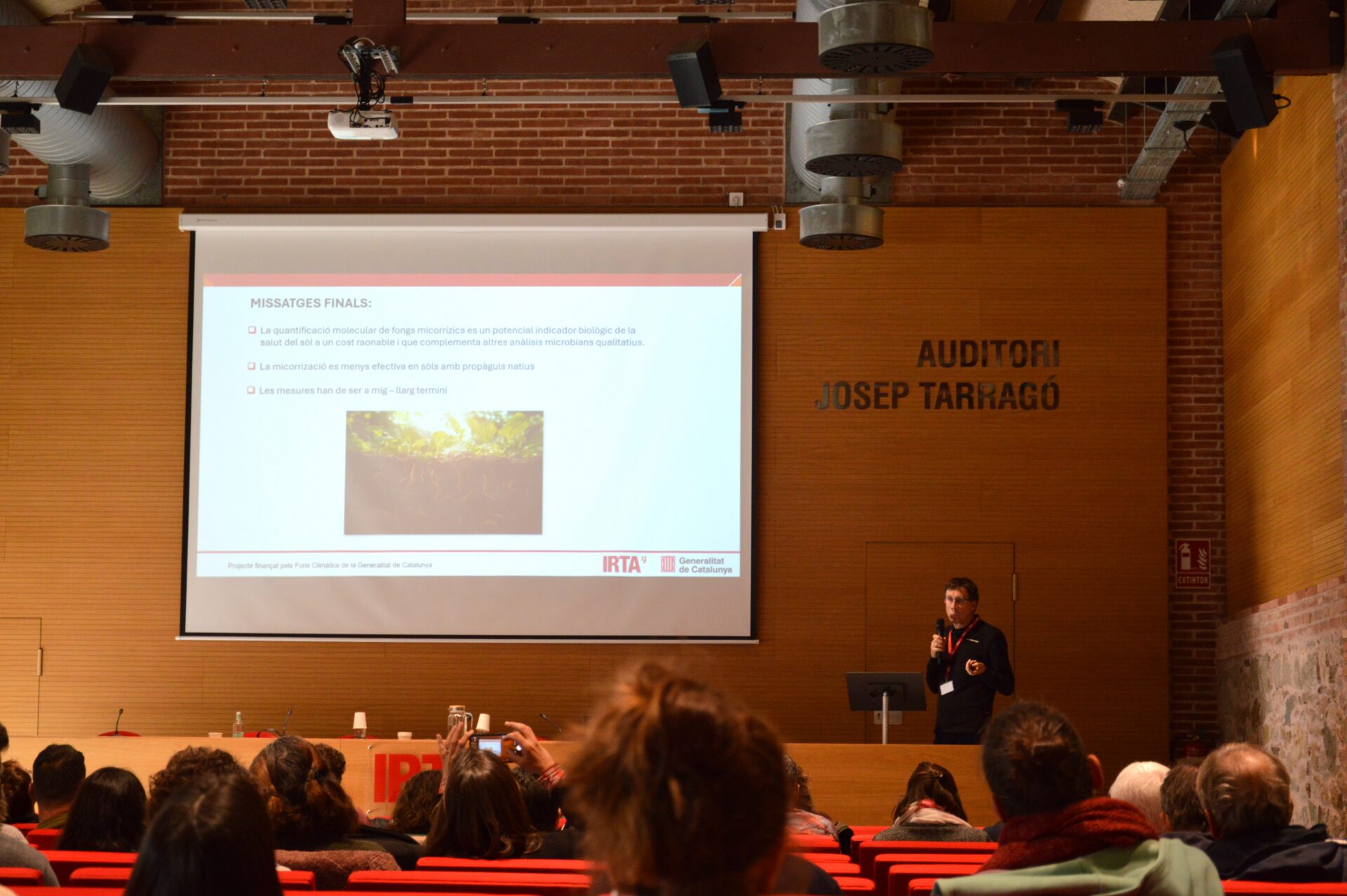
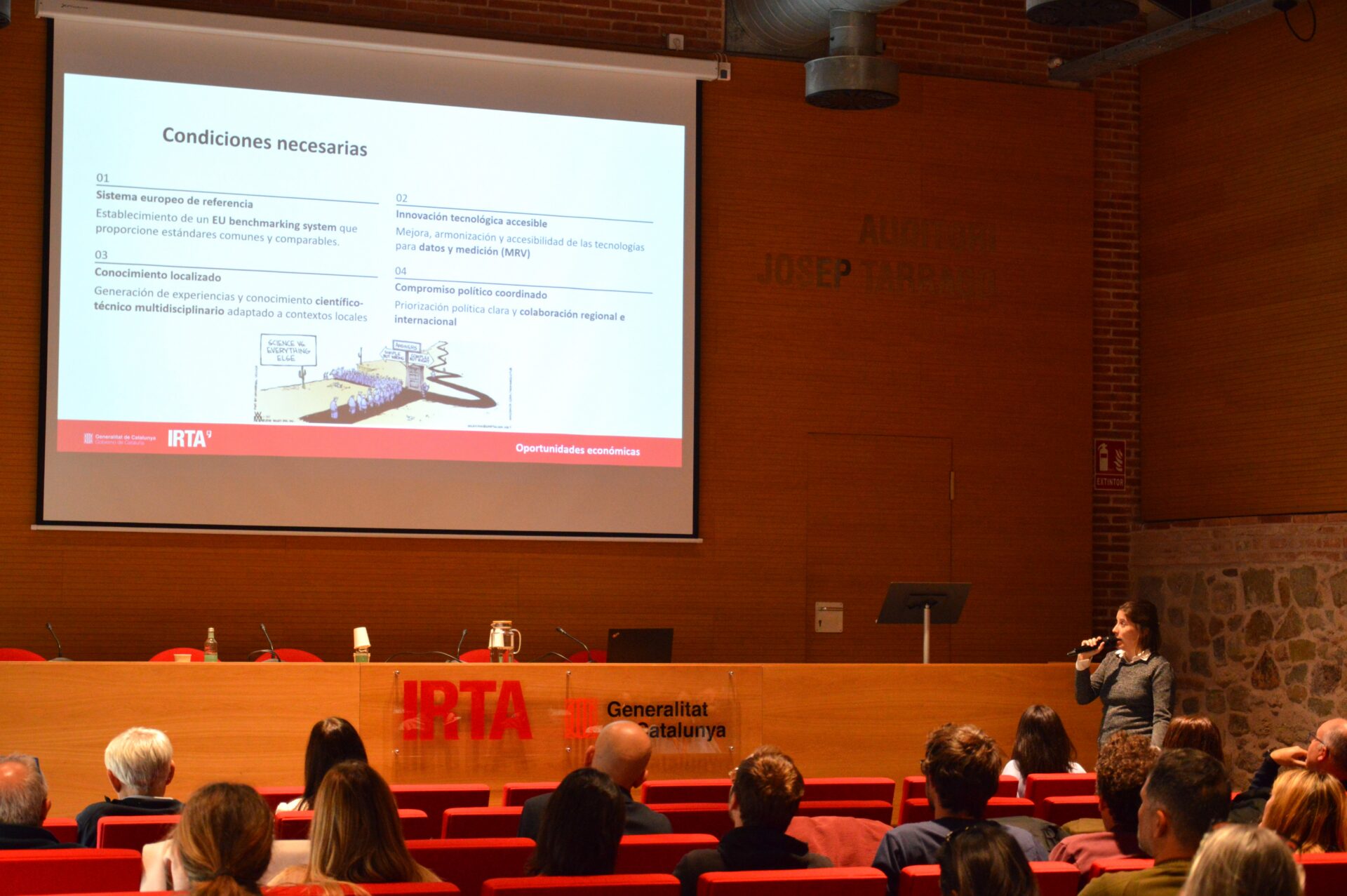
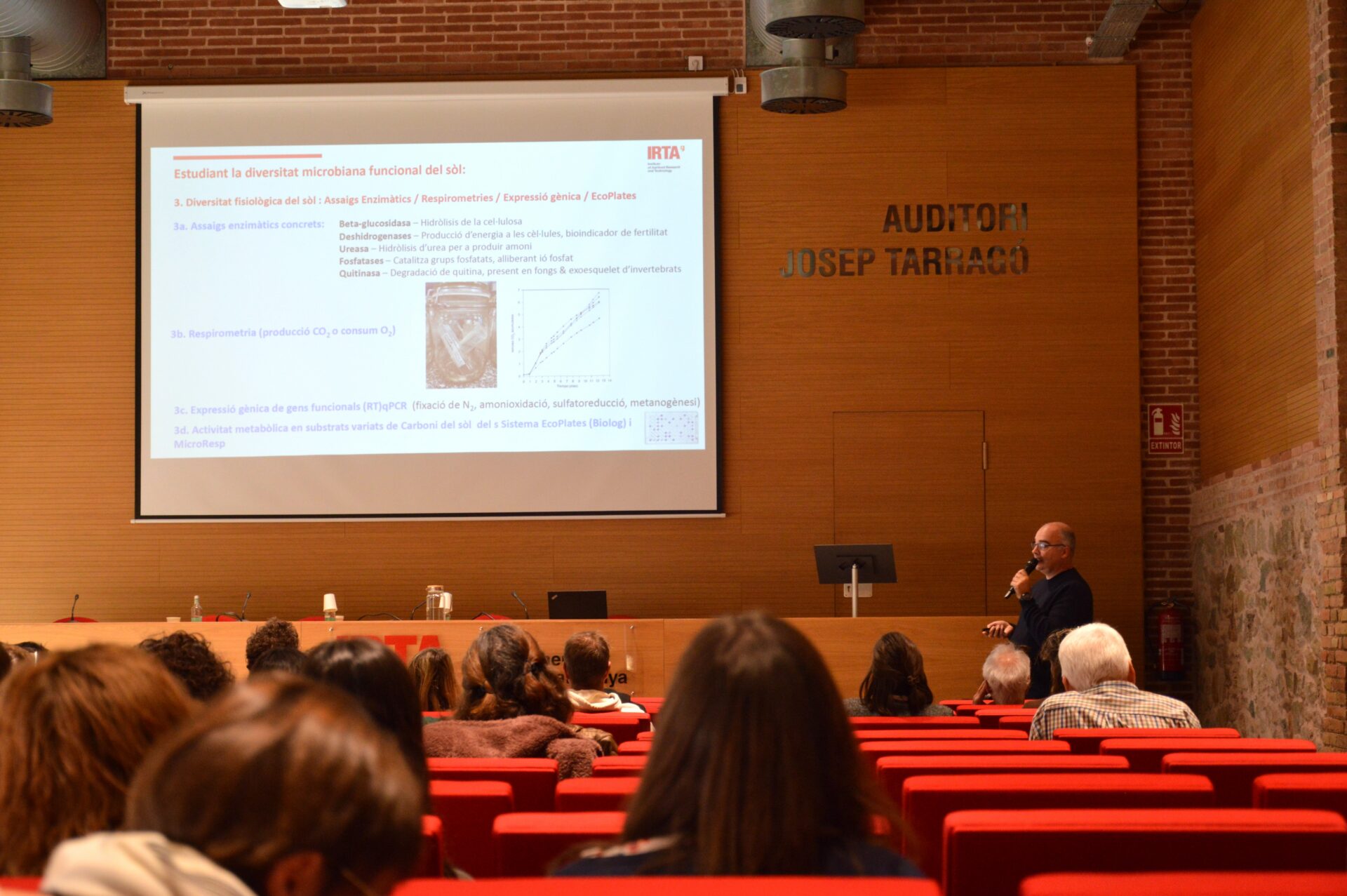
In one of the final presentations, Marc Viñas, a researcher in the IRTA’s Biosystems Sustainability programme, delved into the role of the microbiota and the rhizosphere in the productivity of agricultural soils, while Lucila Soledad González addressed the economic opportunities and possible incentive models associated with the regenerative transition, highlighting the need to align science, policy and economics to make the change of model viable.
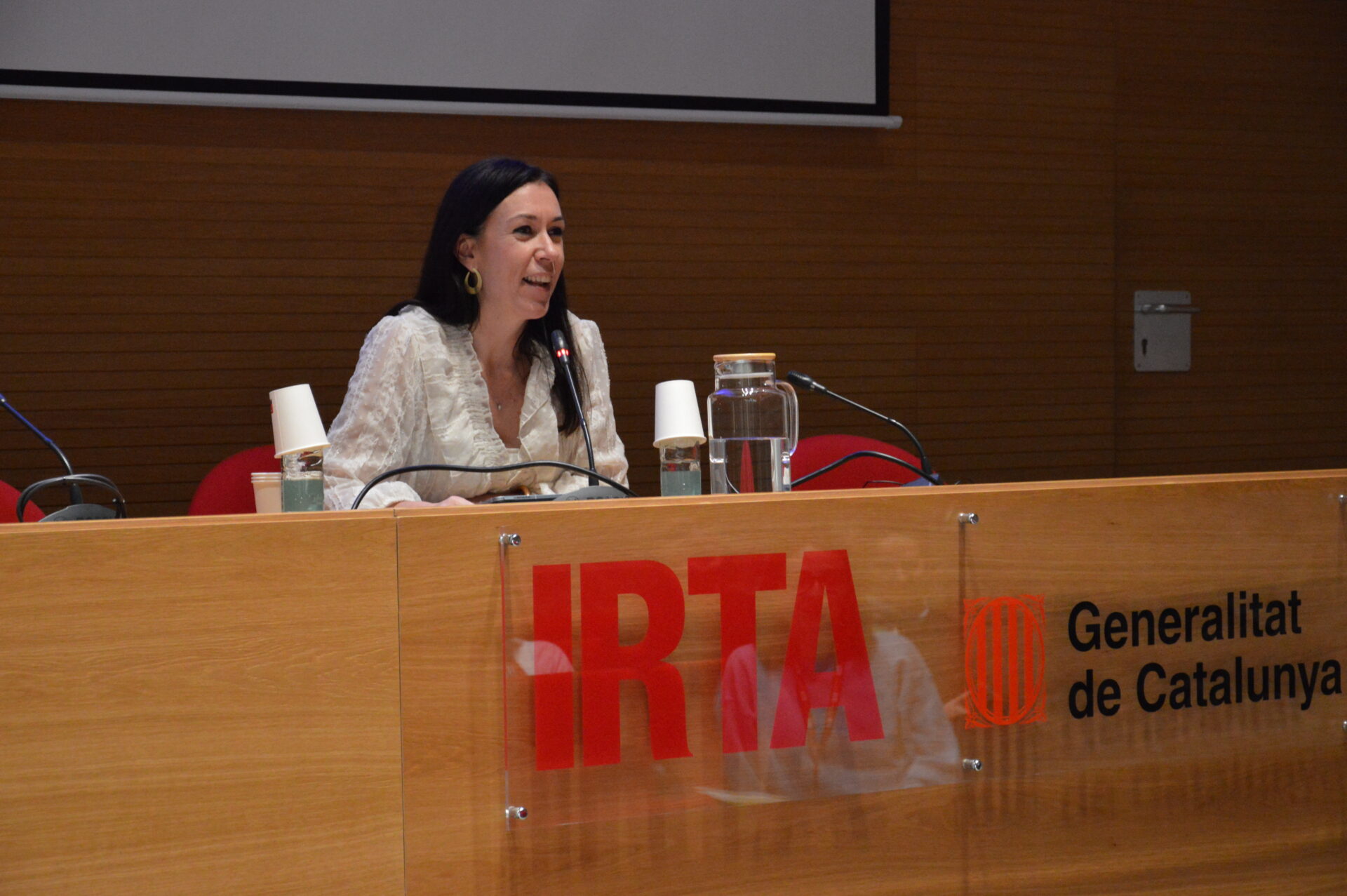
The Director General of Agriculture and Livestock, Rosa Altisent, concluded the session by highlighting the Department’s commitment to promoting projects that foster a more sustainable agricultural model and to strengthening policies that encourage environmentally friendly practices and have a positive impact on the territory.
The meeting has highlighted the importance of collaboration between research, administration and the productive sector to advance towards a healthier, more resilient agricultural model aligned with the Sustainable Development Goals, in order to respond to local and global challenges in a context of climate change.