The visit of the Minister for Agriculture, Livestock, Fisheries and Food, Òscar Ordeig, to China has served, among other purposes, to highlight the international dimension of IRTA’s scientific strategy. On this mission, the Minister was accompanied by Rosa Cubel, Secretary for Food; Josep Usall, Director General of IRTA; and the Institute’s Scientific Director, Jordi Garcia-Mas. Beyond promoting the agri-food sector, this agenda strengthens IRTA’s international presence and helps advance partnerships and opportunities for scientific cooperation.
The visit to Hainan constitutes the first stage of a broader institutional mission to China and is fully aligned with the partnership challenge set out in the IRTA Strategic Plan 2024-2027, which seeks to strengthen collaboration with leading international institutions in order to increase research impact, create new scientific opportunities and accelerate knowledge transfer to the agri-food sector.
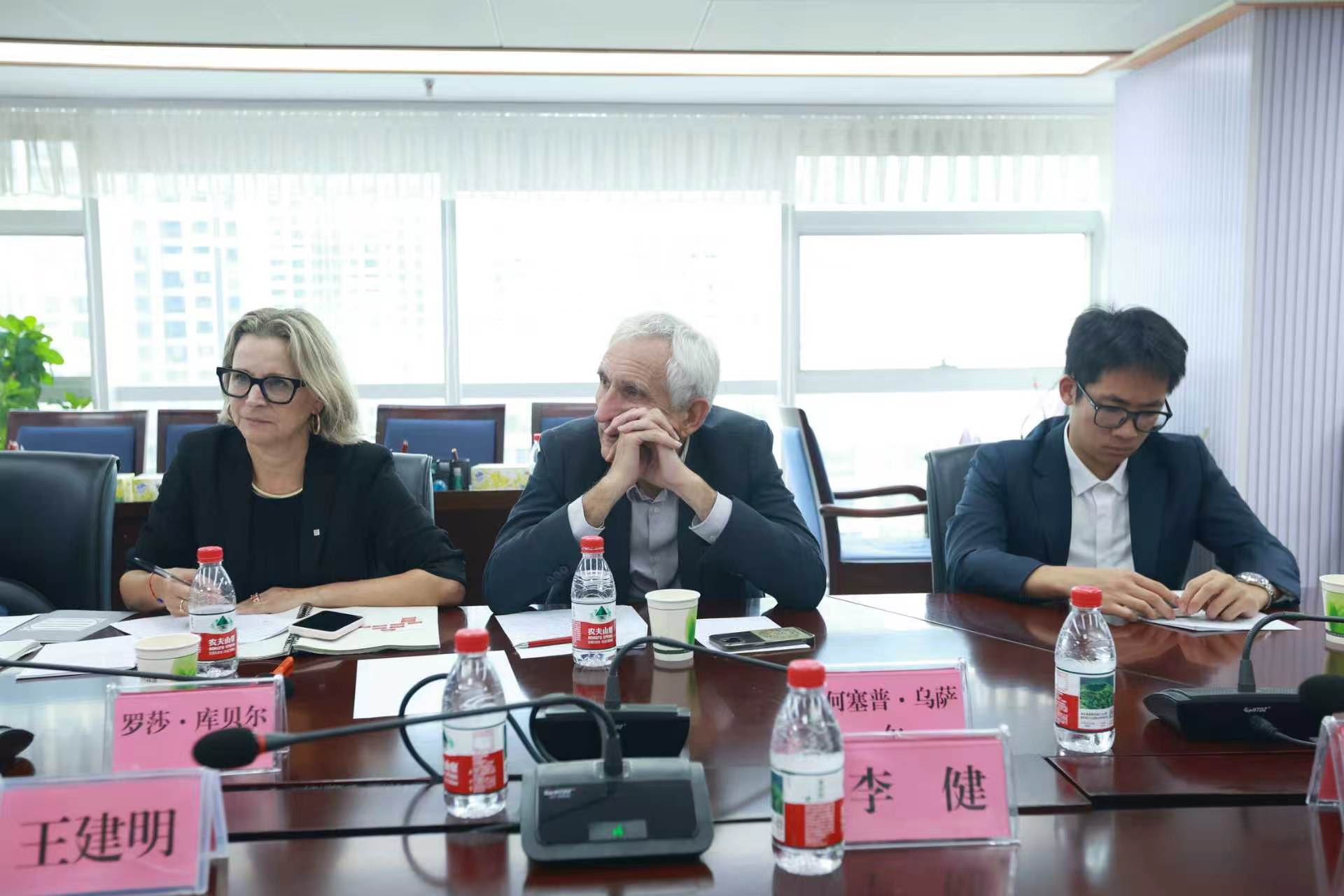
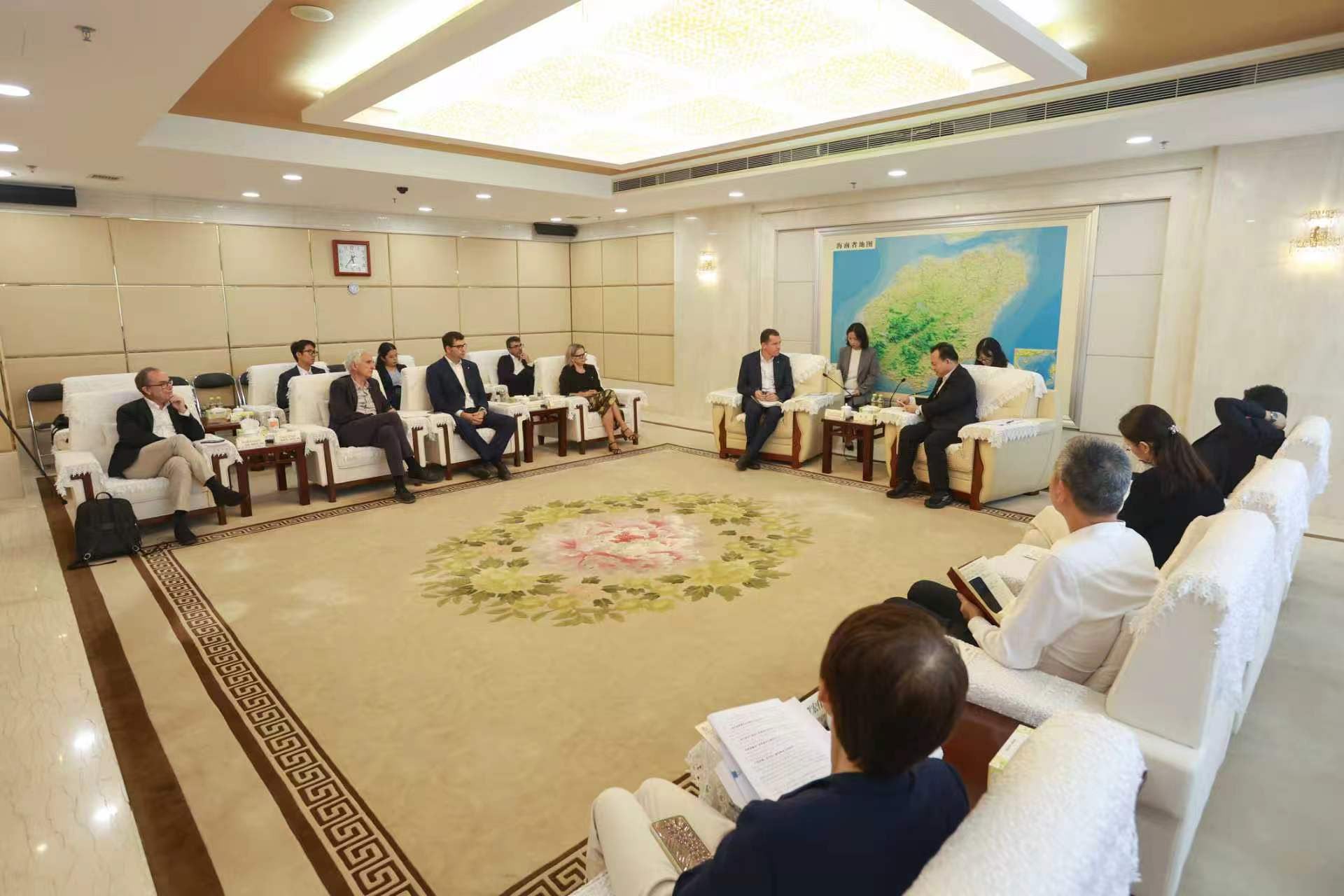
During their stay in Hainan, the IRTA delegation held institutional meetings with the Hainan Provincial Department of Agriculture and Rural Affairs and with the provincial authorities. These meetings helped identify areas for collaboration in agri-food innovation.
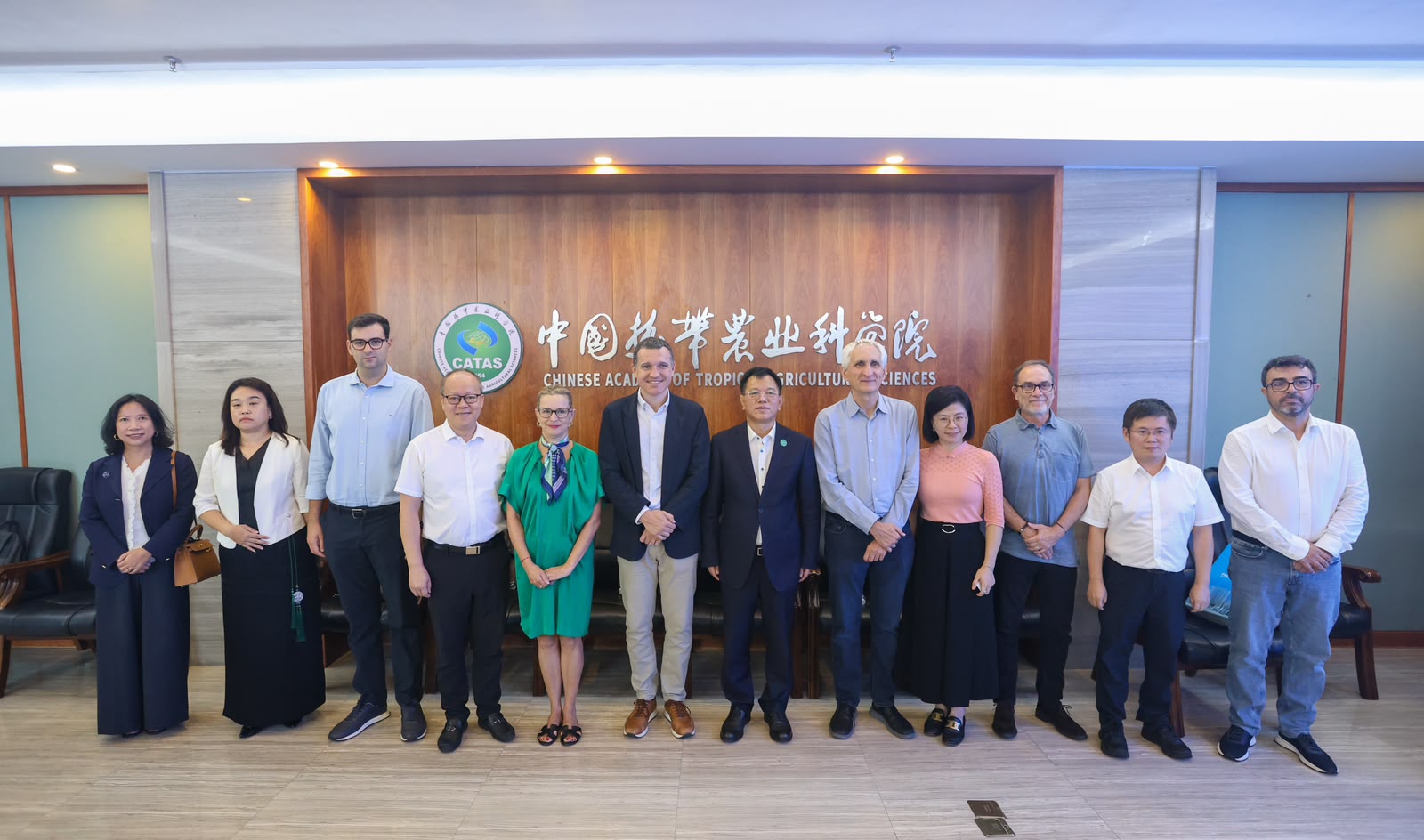
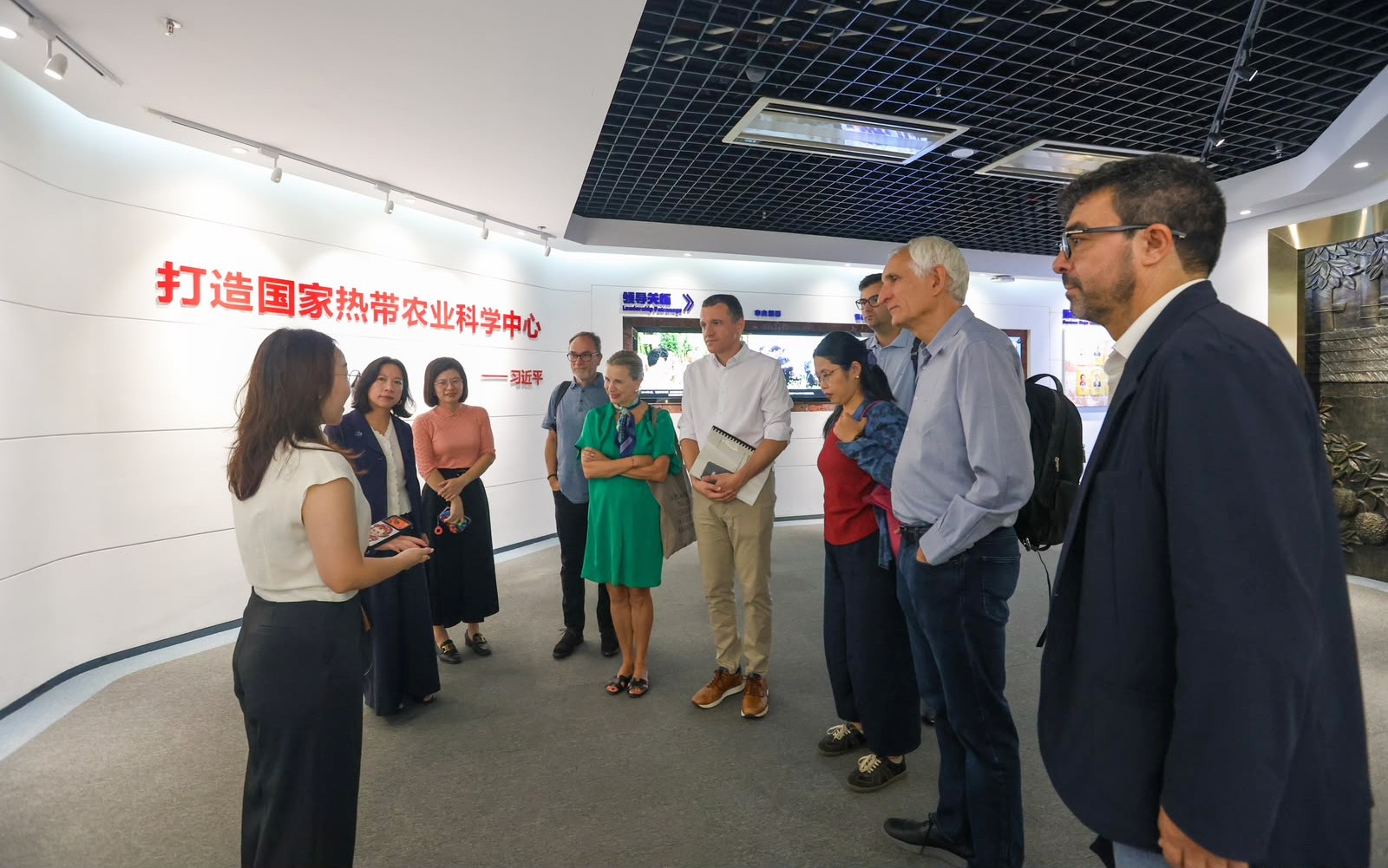
One of the central elements of the mission was the visit to the Chinese Academy of Tropical Agricultural Sciences (CATAS), China’s leading institution dedicated to tropical agriculture research. The Catalan delegation was received by Lu Yanhui, President of CATAS, accompanied, among others, by Liu Kui, Director of the Department of International Cooperation, and experts from institutes specialising in tropical biology and germplasm resources. The meeting included a visit to the academy’s exhibition centre and several presentations on scientific and technological innovation in tropical agriculture, international cooperation, and technologies for processing tropical agricultural products. The visit provided first-hand insight into the capabilities of one of the world’s leading centres in this field and enabled the exploration of potential synergies with IRTA’s research programmes.
Another key engagement of the mission was the visit to the Hainan Academy of Agricultural Sciences (HNAAS), the province’s leading public agricultural research centre. The day began with a tour of the institution’s exhibition space and research laboratories, providing an overview of its facilities, infrastructure and scientific projects. The delegation then took part in a working meeting with the academy’s Vice-President, Cao Zongxi, together with presidents and researchers from eight specialised research institutes. The meeting brought together experts in animal production, horticulture (fruit crops, vegetables and floriculture), food crops, agri-food processing and plant protection, among other fields. During the session, both institutions presented their main areas of activity and identified potential avenues for collaboration in research, innovation and technology transfer.
This first stage of the mission to China enabled IRTA to strengthen ties with some of Hainan’s leading scientific and agricultural institutions and to consolidate new opportunities for international cooperation.
This second stage of the mission enabled the consolidation of existing collaborations, the exploration of new cooperation opportunities and the strengthening of IRTA’s international position within one of the world’s most significant scientific ecosystems.
The stay in Beijing also forms part of the partnership challenge outlined in the IRTA Strategic Plan 2024-2027, which aims to strengthen relationships with leading international institutions in order to increase research impact, facilitate access to competitive opportunities and accelerate the generation and transfer of knowledge to the agri-food sector.
One of the most significant visits of the mission was to the Beijing Vegetable Research Center (BVRC), a leading horticultural research centre within the Beijing Academy of Agriculture and Forestry Sciences (BAAFS). The IRTA delegation held an institutional meeting with the centre’s management to exchange information on their respective research programmes and identify areas of mutual interest for future collaboration. The visit also included a tour of the BVRC’s robotics laboratories and scientific facilities. The delegation was subsequently received at the headquarters of BAAFS, where it met with the President of the academy, thereby strengthening ties with one of the most important agricultural research institutions in the Chinese capital.
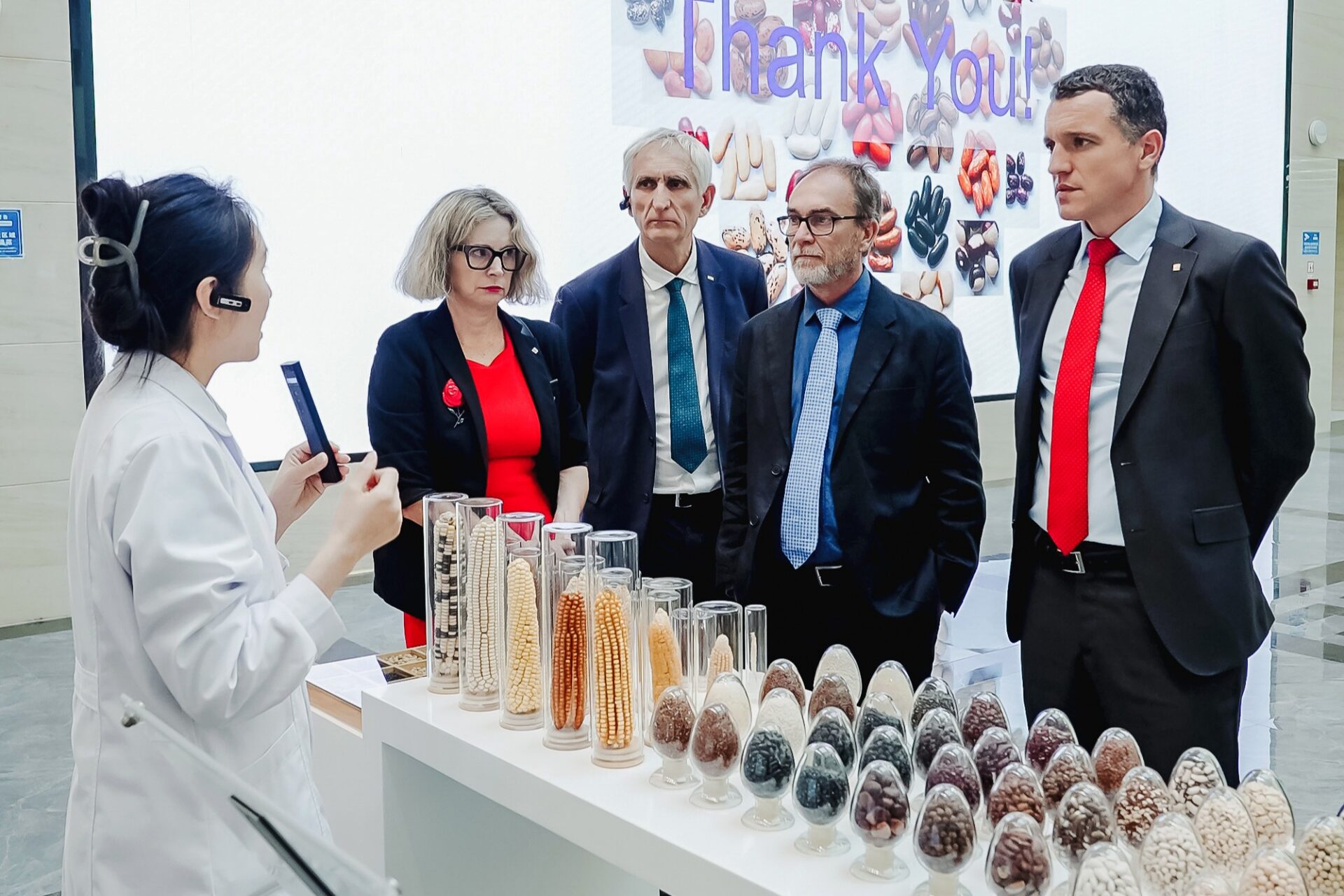
The Catalan delegation also visited the Chinese Academy of Agricultural Sciences (CAAS), China’s leading agricultural research organisation. The meeting with Vice-President Sun Tan and representatives of the Department of International Cooperation highlighted the long-standing collaboration between CAAS and IRTA. Both institutions have worked together in areas such as biosystems sustainability, plant protection, efficient water use, fruit growing and plant genomics. The meeting provided an opportunity to review these areas of cooperation and explore new opportunities for scientific and technological collaboration. The visit concluded with a tour of the National Crop Genebank, one of China’s principal facilities for the conservation of plant genetic resources.
Another key item on the Beijing agenda was the visit to the Institute of Botany, Chinese Academy of Sciences (IBCAS), an institution with which IRTA also maintains a well-established record of scientific cooperation, particularly through its post-harvest research teams. The delegation was welcomed by Zhenchang Liang, Deputy Director of IBCAS, together with scientific leaders from the institute and representatives of the Office of International Cooperation. During the meeting, Josep Usall presented IRTA and its main strategic priorities, while IBCAS representatives outlined research activities related to the National Botanical Garden, grapevine breeding and post-harvest pathology. The meeting served to deepen existing collaborations and identify new opportunities for joint work. The visit concluded with a tour of the laboratories, the National Botanical Garden and facilities dedicated to grapevine breeding and experimental winemaking.
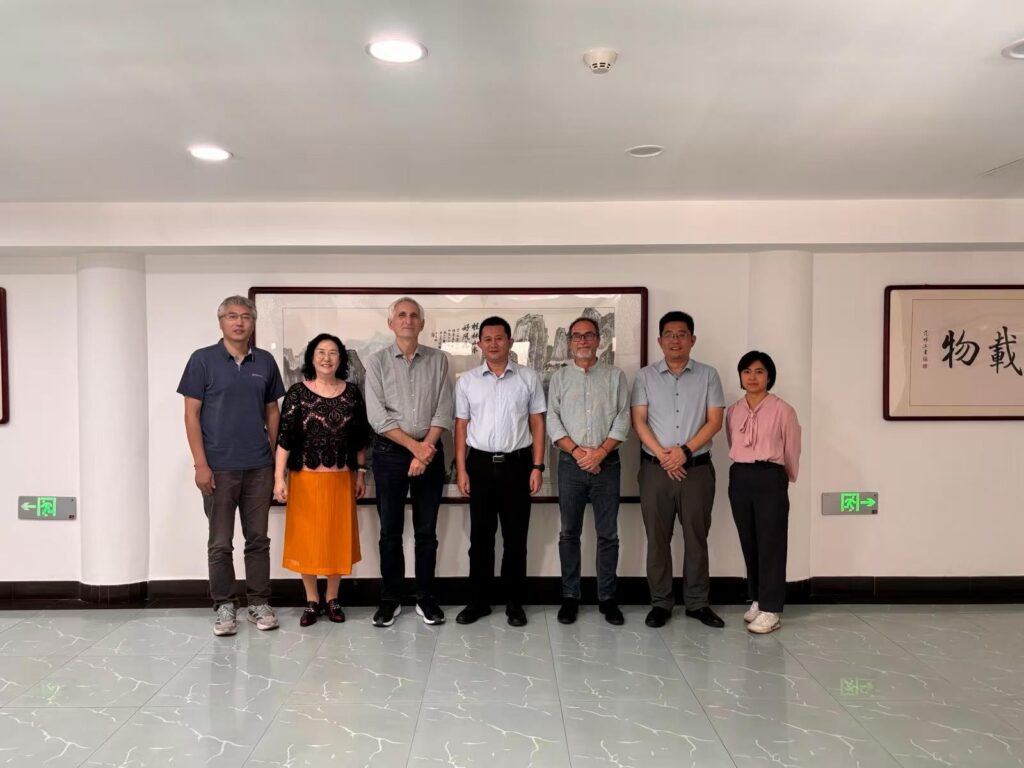
In parallel, the delegation held meetings with the Beijing office of ACCIÓ, representatives of the Embassy of Spain in China, and several stakeholders linked to the agri-food and commercial sectors. These meetings contributed to strengthening understanding of the country’s institutional and economic environment and expanding IRTA’s network of contacts. The agenda also included participation in a PRODECA promotional event dedicated to wines with protected designation of origin and Catalan cured meat products, an initiative aimed at increasing the presence of Catalan agri-food products in the Chinese market and strengthening trade relations between the two territories.
This second stage of the mission to China enabled IRTA to consolidate its relationships with leading international scientific institutions, deepen existing collaborations and identify new opportunities for cooperation in research, innovation and technology transfer, thereby contributing to the internationalisation and impact-generation objectives set out in the Institute’s Strategic Plan 2024-2027.