Què està passant?

Actualment, produir aliments té un impacte rellevant en el medi ambient, tant pel que fa a l’emissió de gasos
d’efecte hivernacle (GEH), és a dir, al canvi climàtic, com amb referència a l’emissió de compostos
contaminants als sòls i les aigües.

L’actual estratègia europea en aquest àmbit s’encamina cap a:

  • 01 – Ser més eficients en l’ús de les matèries primeres i, per tant, reduir els residus que generem
  • 02 – I aconseguir que els residus que inevitablement hem de generar es valoritzin, és a dir, es transformin per tornar a ser matèries primeres de la mateixa cadena de producció

Aquest és el detall de les principals matèries primeres i residus de l’agricultura, la ramaderia, l’aqüicultura i la indústria alimentària, i de com podem valoritzar els residus:
Agriculture
+
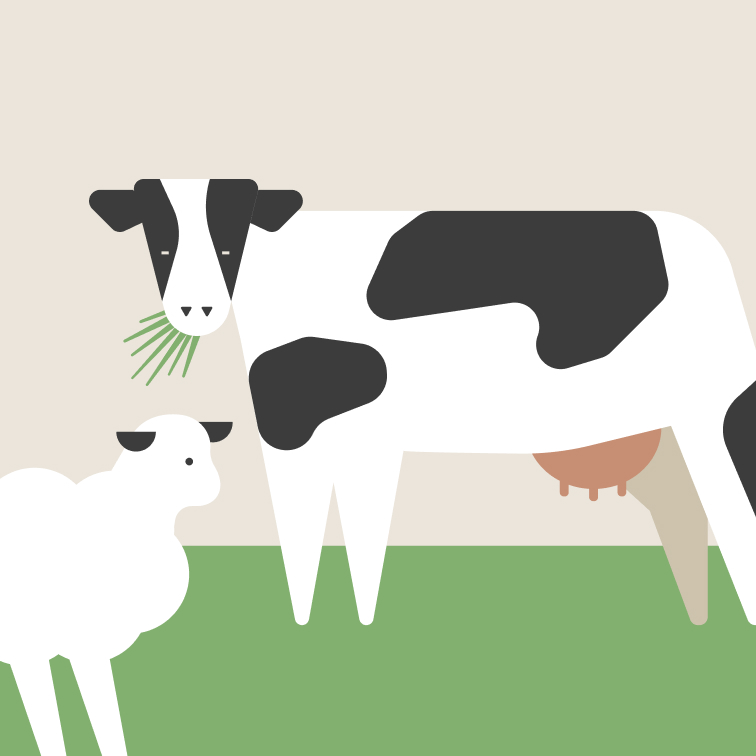
Livestock farming
+
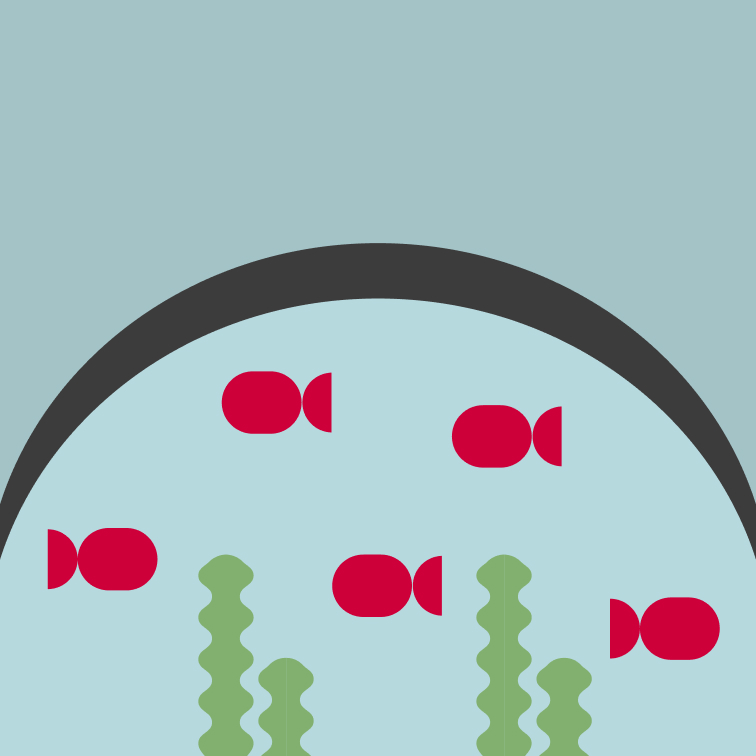
Aquaculture
+
Food industry
+
Main raw materials
  • Plastics
  • Water
  • Fuels
  • Energy
Main waste streams despite being efficient
  • Plastics
How to recover waste + x
  • Biogas
  • Fertilisers
  • Reclaimed water
  • Biofertilisers
  • Biostimulants
  • Biochar
  • Crude or hydrolysed protein
  • Microbial protein
  • Fibres and their components (hemicellulose, cellulose, lignin)
  • Dyes
  • Alcohols
  • Water-soluble sugars
  • Ingredients for animal or human feed
  • Molecules of cosmetic or medical interest

Valorisation is different from recycling

When we recycle (or reuse), we take the material as it is and use it. When we valorise it, we must transform it.

Main raw materials
  • Plastics
  • Water
  • Fuels
  • Energy
Main waste streams despite being efficient
  • Plastics
  • Crops
  • Herbaceous and woody residues
  • Silage residues
  • Products not meeting quality standards
How to recover waste + x
  • Biogas
  • Fertilisers
  • Reclaimed water
  • Biofertilisers
  • Biostimulants
  • Biochar
  • Crude or hydrolysed protein
  • Microbial protein
  • Fibres and their components (hemicellulose, cellulose, lignin)
  • Dyes
  • Alcohols
  • Water-soluble sugars
  • Ingredients for animal or human feed
  • Molecules of cosmetic or medical interest

Valorisation is different from recycling

When we recycle (or reuse), we take the material as it is and use it. When we valorise it, we must transform it.

Main raw materials
  • Plastics
  • Water
  • Fuels
  • Energy
Main waste streams despite being efficient
  • Plastics
  • Animals
  • Feed, silage and fodder
  • Manure
  • Residues from feed, silage and forage
How to recover waste + x
  • Biogas
  • Fertilisers
  • Reclaimed water
  • Biofertilisers
  • Biostimulants
  • Biochar
  • Crude or hydrolysed protein
  • Microbial protein
  • Fibres and their components (hemicellulose, cellulose, lignin)
  • Dyes
  • Alcohols
  • Water-soluble sugars
  • Ingredients for animal or human feed
  • Molecules of cosmetic or medical interest

Valorisation is different from recycling

When we recycle (or reuse), we take the material as it is and use it. When we valorise it, we must transform it.

Main raw materials
  • Plastics
  • Water
  • Fuels
  • Energy
Main waste streams despite being efficient
  • Plastics
  • Animal feed
  • Seaweed and fish
  • Feed residues
  • Algae and fish residues
  • Products not meeting quality standards
How to recover waste + x
  • Biogas
  • Fertilisers
  • Reclaimed water
  • Biofertilisers
  • Biostimulants
  • Biochar
  • Crude or hydrolysed protein
  • Microbial protein
  • Fibres and their components (hemicellulose, cellulose, lignin)
  • Dyes
  • Alcohols
  • Water-soluble sugars
  • Ingredients for animal or human feed
  • Molecules of cosmetic or medical interest

Valorisation is different from recycling

When we recycle (or reuse), we take the material as it is and use it. When we valorise it, we must transform it.

Main raw materials
  • Plastics
  • Water
  • Fuels
  • Energy
Main waste streams despite being efficient
  • Plastics
  • Wastewater
  • Main raw materials
  • Plant residues
  • Animal residues
  • Animal by-products not intended for human consumption
  • Products not meeting quality standards
How to recover waste + x
  • Biogas
  • Fertilisers
  • Reclaimed water
  • Biofertilisers
  • Biostimulants
  • Biochar
  • Crude or hydrolysed protein
  • Microbial protein
  • Fibres and their components (hemicellulose, cellulose, lignin)
  • Dyes
  • Alcohols
  • Water-soluble sugars
  • Ingredients for animal or human feed
  • Molecules of cosmetic or medical interest

Valorisation is different from recycling

When we recycle (or reuse), we take the material as it is and use it. When we valorise it, we must transform it.