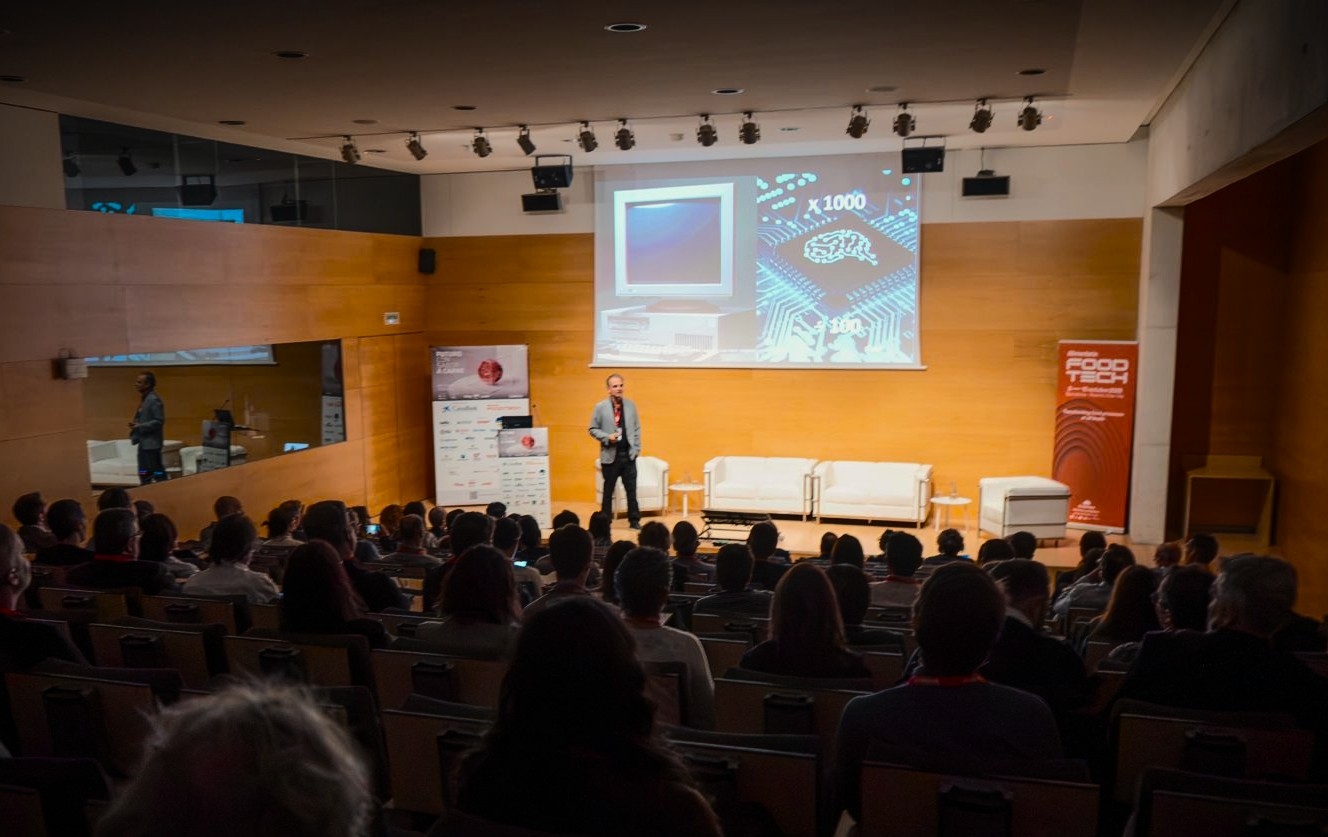
Nearly 200 attendees gathered today in Girona to share experiences, identify the challenges facing the meat processing industry and explore new business opportunities
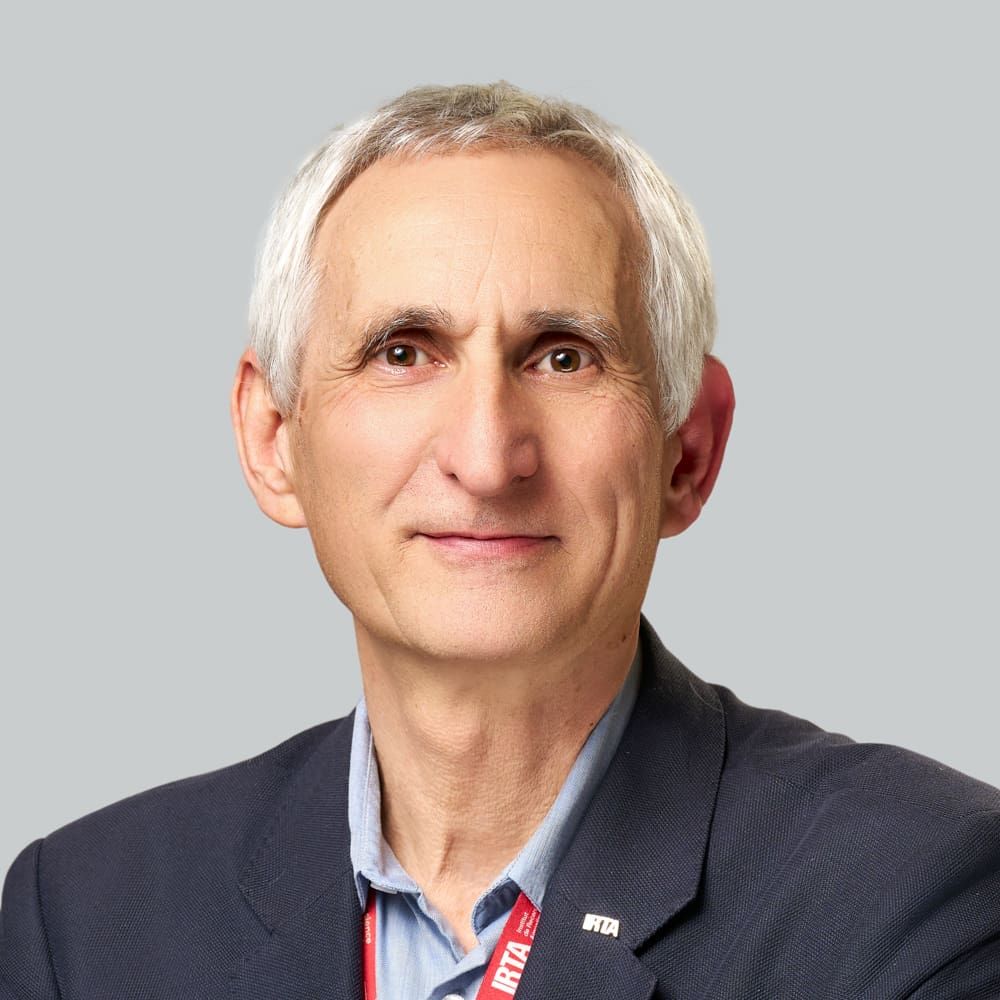
IRTA highlighted the role of innovation in the evolution of the meat industry, with Jacint Arnau; the importance of science in combating misinformation and strengthening consumer confidence, with Lluís Guerrero; and the need to reinforce dialogue between research, businesses and public administration, with Anna Carabús
The Catalan meat industry is facing a period of transformation marked by instability in international markets, environmental requirements, technological advances and changing consumer habits. Against this backdrop, the 7th Meat Forum brought together nearly 200 attendees today, including industry professionals, researchers and institutional representatives, at the Girona Conference Centre Auditorium. The event, organised by IRTA and Interempresas Media, celebrates ten years as a meeting point and forum for discussion on the future of the meat industry.
Under the slogan “A Future Flavoured by Meat”, the Forum addressed the main challenges facing the meat sector, from the evolution of products and processes to the opportunities offered by artificial intelligence and data utilisation. The event also focused on the need to strengthen consumer confidence and on the role of science in countering misinformation, in a sector seeking new ways to innovate, generate added value and maintain competitiveness in a changing environment.
Josep Usall, Director General of IRTA, emphasised the role of public research in this transformation: “The meat sector has demonstrated a remarkable capacity for adaptation, but we are now facing a new transformation. The challenge is not only to produce more, but to produce better: reducing environmental impact, advancing animal welfare and, at the same time, remaining competitive. Through research, we must anticipate these challenges and turn knowledge into practical and viable solutions for companies and farms,” he said.
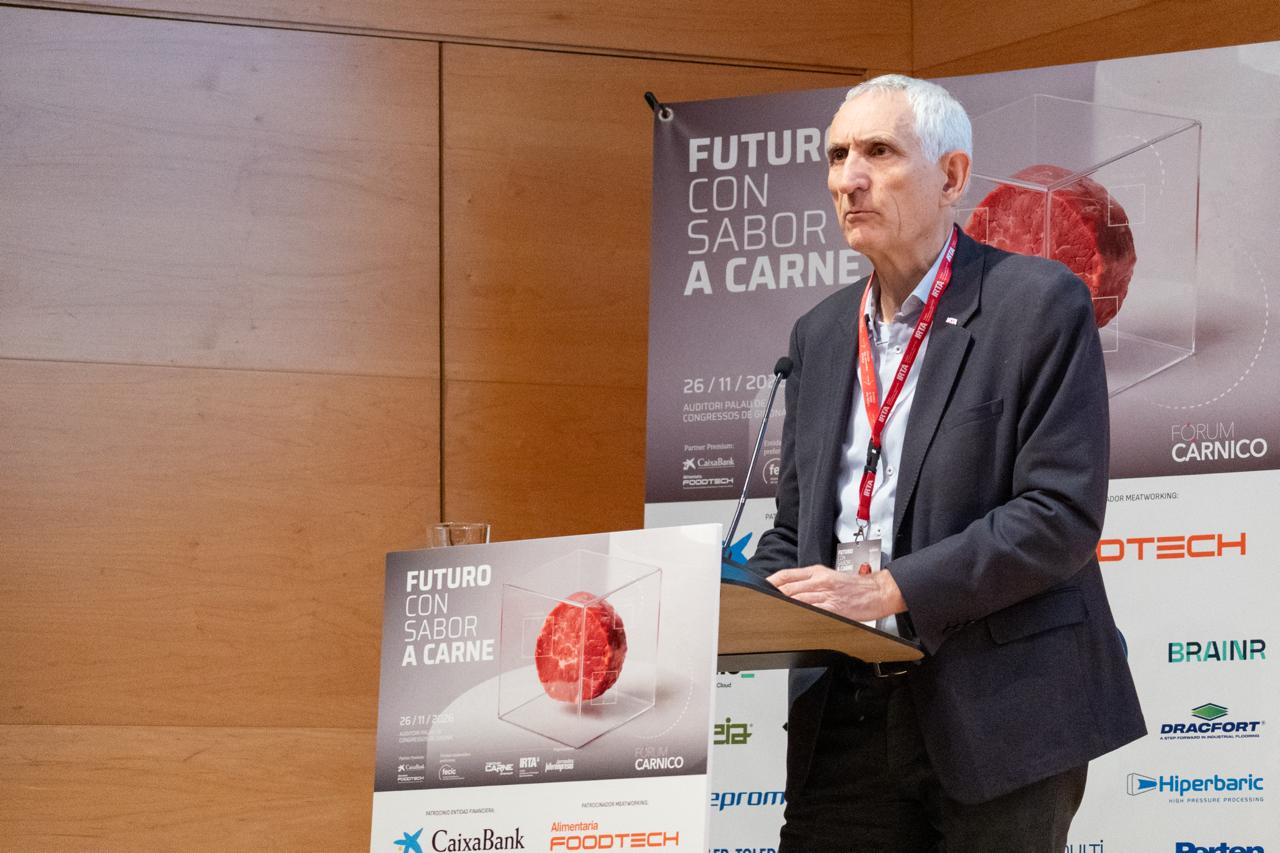
Despite social challenges and international competition, the sector has demonstrated a remarkable capacity for reinvention. Market diversification, process innovation and the development of higher value-added products are emerging as key ways to strengthen its competitiveness.
Consumption data suggest that simplistic conclusions should be avoided. According to the latest report from Spain’s Ministry of Agriculture, Fisheries and Food, household meat purchases increased by 3.5% in 2025, reaching 43.11 kilograms per person per year. However, this recent recovery does not erase the 8.2% decline recorded over the past decade as a whole. Nor are all types of meat evolving in the same way: poultry and pork are gaining ground in recent purchases, while other categories are showing different trends.
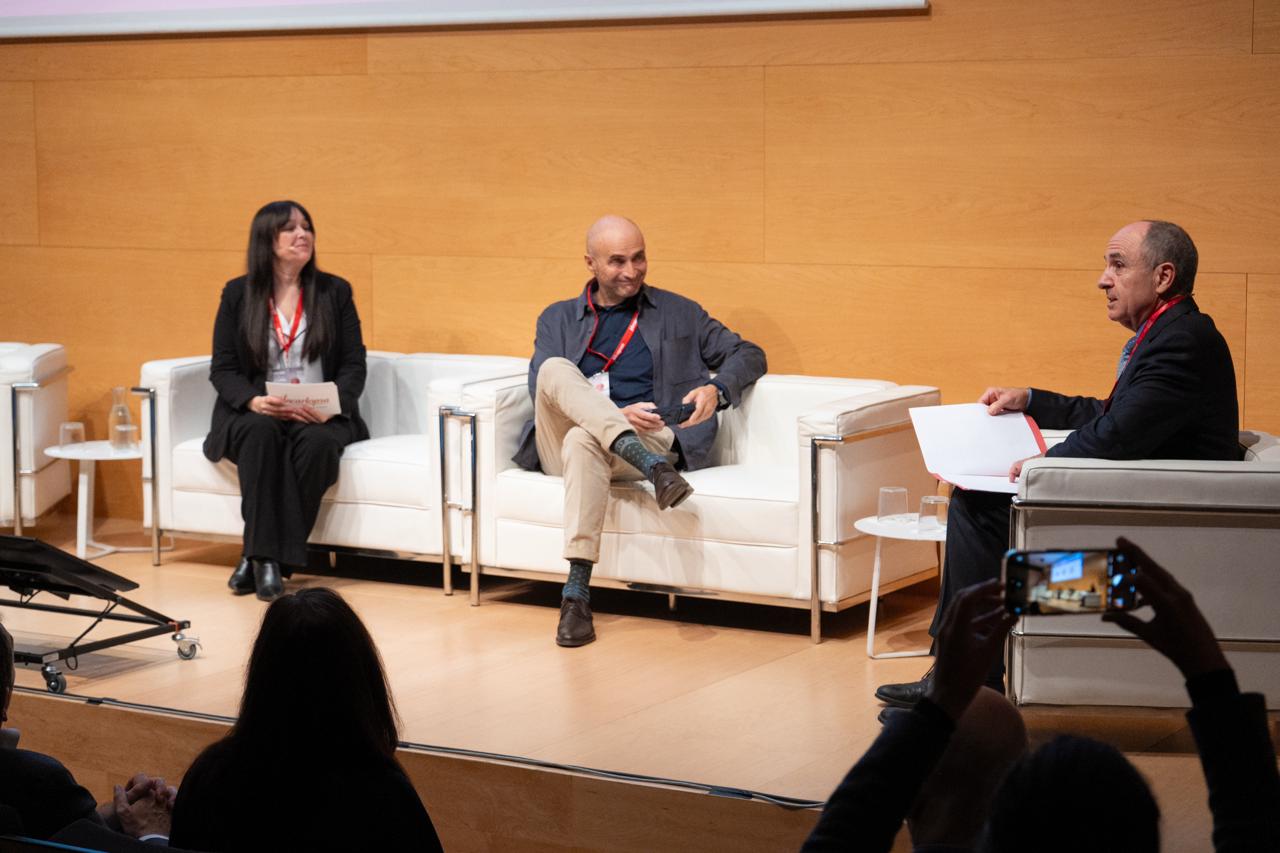
Innovation in products and processes was one of the main themes of the event, looking at the evolution of the meat industry and the challenges that lie ahead. Jacint Arnau, Senior Researcher affiliated with IRTA, reviewed the path travelled by the sector, from traditional knowledge and techniques to new development opportunities. His presentation was followed by a discussion with Montse Garcia, Quality and R&D&I Director at Incarlopsa, and Juan Vicente Olmos, Chief Executive Officer of Monte Nevado, who shared the business perspective on innovation and its application within the industry.
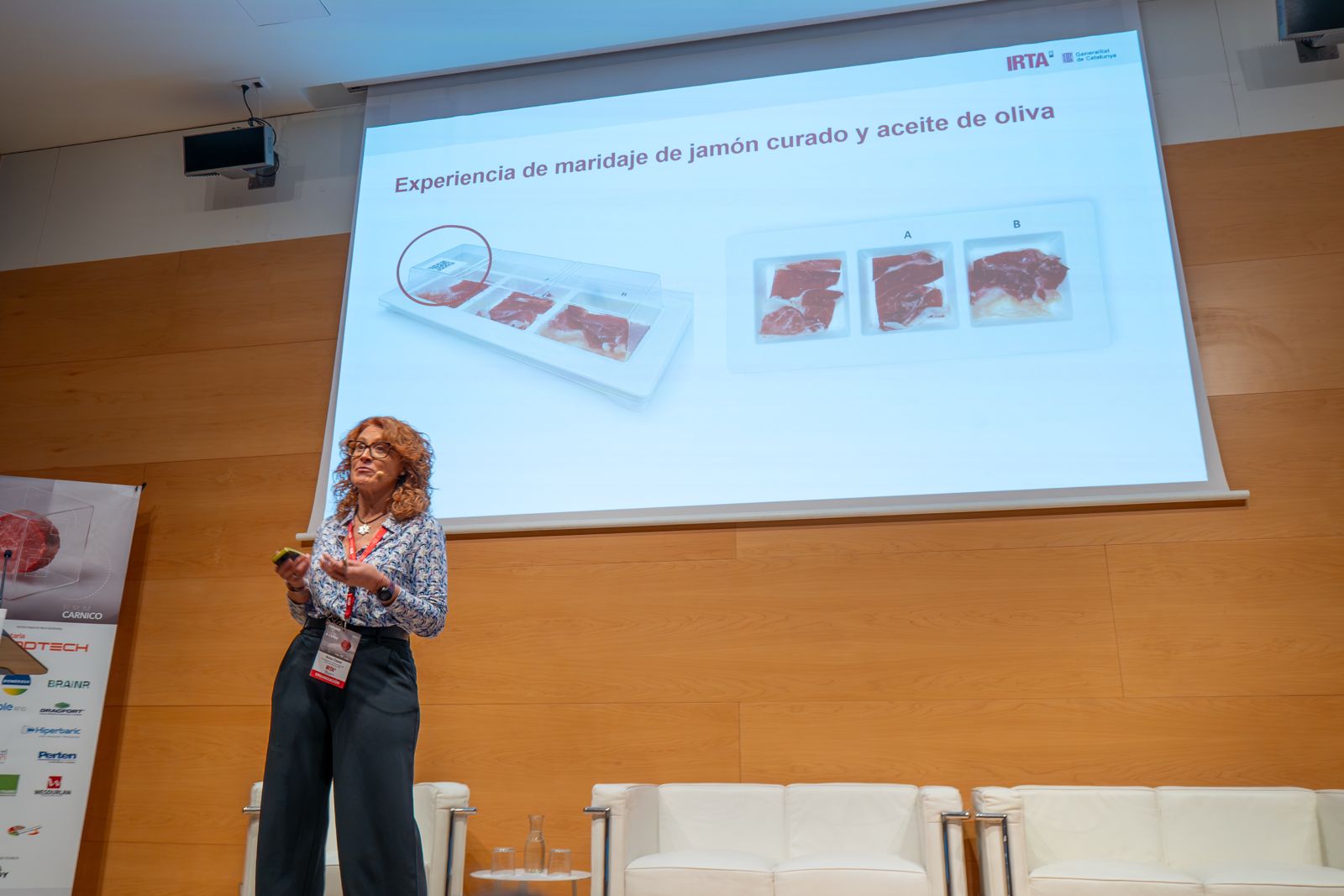
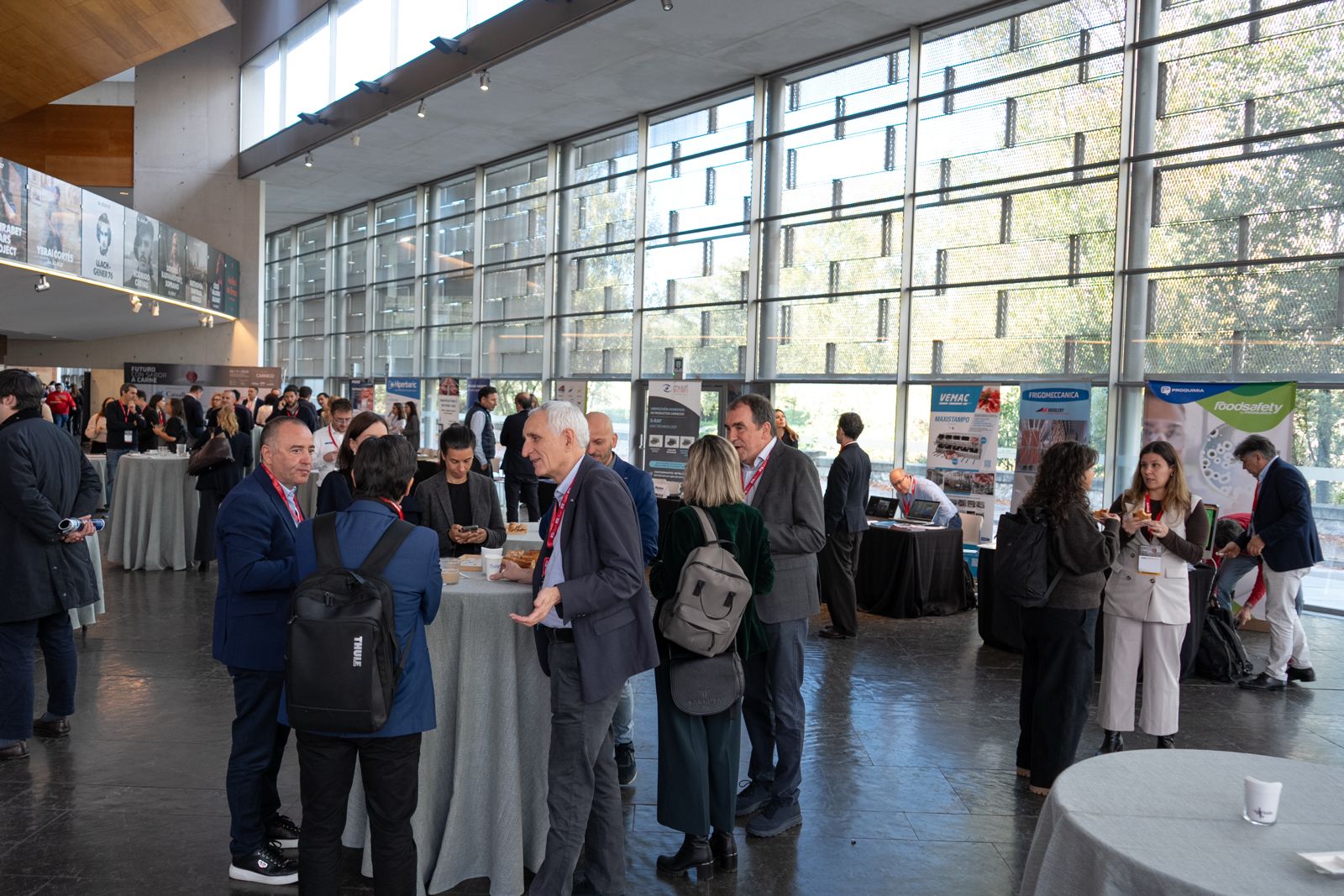
The Forum also invited attendees to discover the science behind food perception through two sensory experiences led by Anna Claret, Researcher in Sensory and Consumer Science at IRTA. During networking sessions, participants explored the nuances of pairing cured ham with extra virgin olive oil and tasting aged beef accompanied by wine. In the first experience, participants put their senses to the test to identify their preferred cured ham, illustrating how aromas, textures and expectations influence our perception of meat products. These activities helped bring sensory research closer to industry from a practical and gastronomic perspective, highlighting the quality and diversity of meat products.
The Forum programme explored the opportunities offered by digitalisation through presentations by Albert Esplugas, CEO of Futuria, and Ivan Monells, founder of MNLabs, who examined the potential of artificial intelligence and data utilisation to improve business decision-making.
AI is already transforming some processes within the meat industry, from demand forecasting to stock management and quality control. At the Forum, Albert Esplugas discussed the possibilities of agentic AI and highlighted the automation of slaughterhouse processes in other companies as an example. Despite these advances, he warned that the adoption of new technologies must also meet economic viability criteria.
For his part, Ivan Monells suggested that humanoid robots could begin to be introduced into some production plants within the next three or four years. Unlike traditional robotics, these systems could adapt to a variety of tasks within the same facility. Monells highlighted the growing interest among companies in these technologies, although their implementation still presents significant challenges.
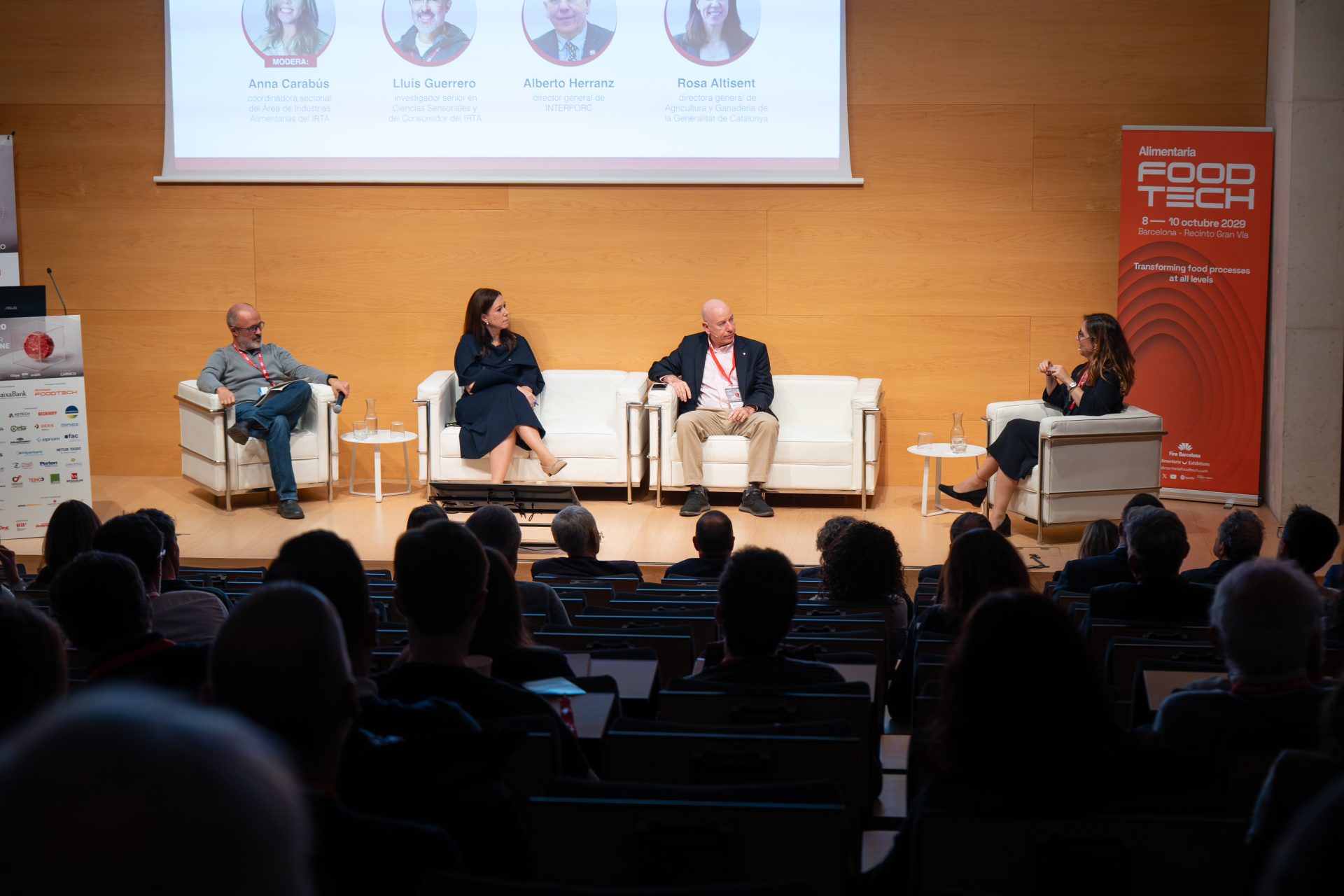
Consumer confidence and the role of science in tackling misinformation were the focus of the Forum’s final session. Lluís Guerrero, Senior Researcher in Sensory and Consumer Science at IRTA, reflected on the need to base communication within the sector on scientific evidence in order to strengthen public trust. The event then moved on to a three-way discussion between science, industry and public administration, moderated by Anna Carabús, Sector Coordinator of the Alternative Proteins Innovation Centre (CIPA), with the participation of Guerrero himself, Alberto Herranz, Director General of INTERPORC, and Rosa Altisent, Director General for Agriculture and Livestock of the Government of Catalonia. The debate explored the sector’s challenges from three complementary perspectives: scientific knowledge, industry needs and the role of public policy.
The seventh edition of the Meat Forum coincides with the tenth anniversary of an initiative that has grown thanks to collaboration between companies, research centres and sector organisations. Over the past decade, the Forum has established itself as a space for networking and knowledge exchange, supported by partners such as IRTA, the Spanish Federation of Meat and Meat Industries (FECIC) and sponsoring companies that have helped drive the project since its beginnings or joined in subsequent editions.
For Imma Borràs, Commercial Director of the Food Division at Interempresas Media, this journey is the result of the trust and partnerships built over the years. Beyond celebrating the anniversary, Borràs highlighted the value of knowledge transfer and the connections between research, businesses and professionals, which have helped turn the Forum into a benchmark event for the meat industry. “Ten years on, we remain convinced that sharing knowledge is one of the best ways to drive the present and build the future of the sector,” she said.
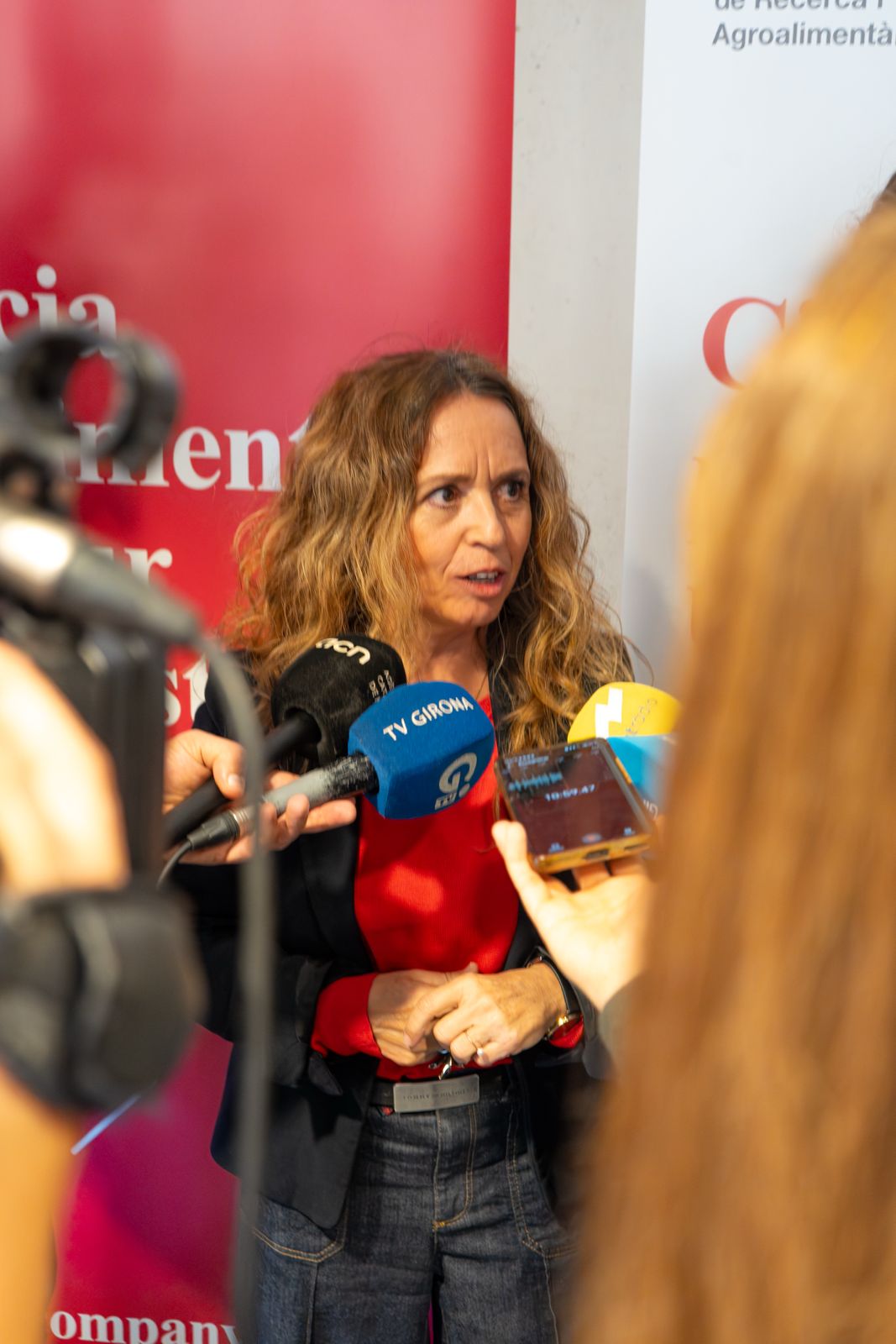
The institutional closing session was delivered by Rosa Cubel, Secretary for Food of the Government of Catalonia, who highlighted the role of the primary sector and the agri-food industry in shaping our gastronomic culture. “Gastronomy begins in our fields, on our farms and in our seas,” she reminded the audience. Cubel emphasised the everyday work of producers and companies that make it possible for food to reach our tables, as well as the role of gastronomy and culinary professionals in bringing products and their stories closer to consumers. She also underscored the importance of collaboration between the sector and public institutions in transforming the strength of the Catalan food industry into future leadership.
The 7th Meat Forum thus brought to a close a day that combined the knowledge accumulated by the industry, new technological possibilities and the need to strengthen ties with consumers. Ten years after its creation, the Forum continues to champion dialogue between businesses, research and public administration as a means of addressing the sector’s challenges and opening up new opportunities for innovation.
Further information: www.forumcarnico.com