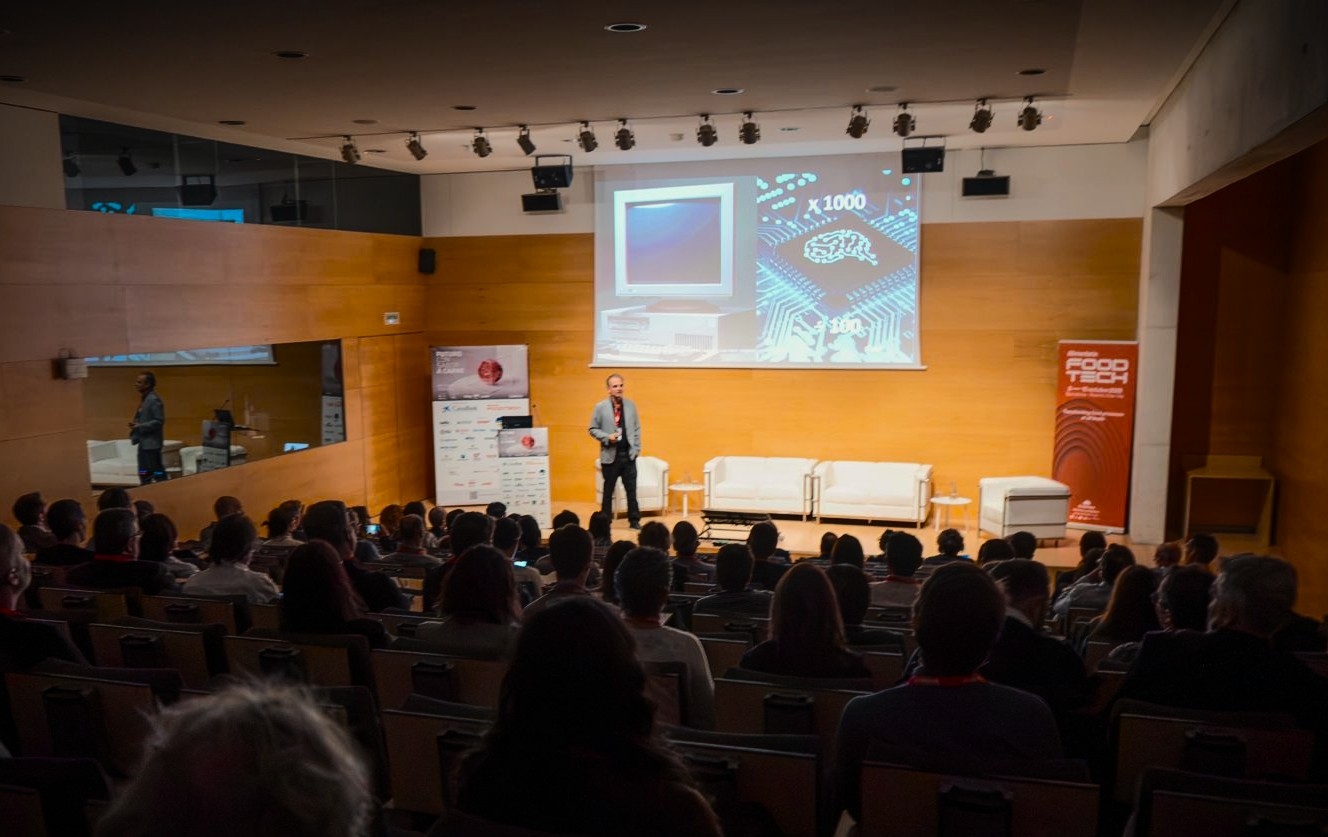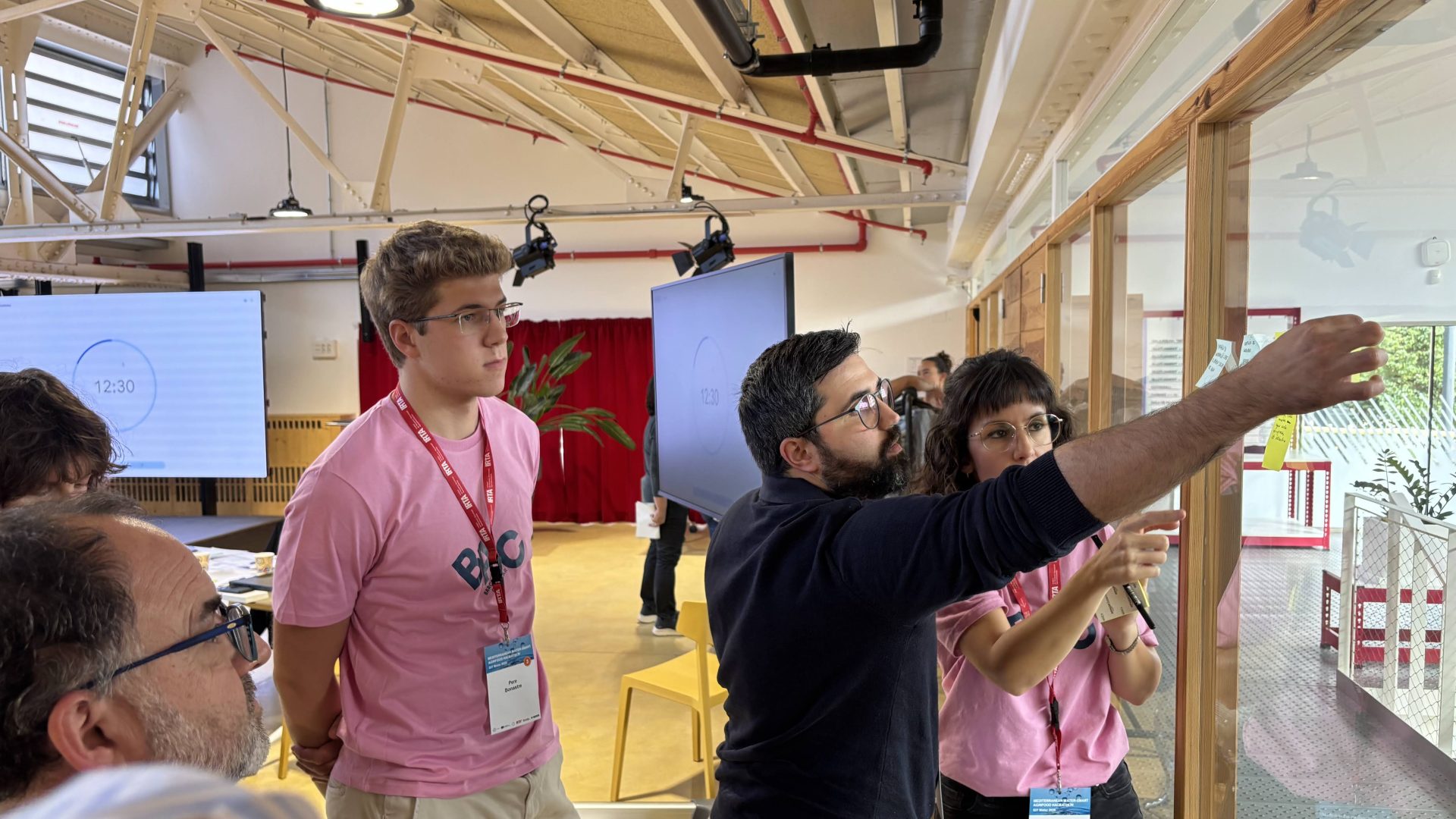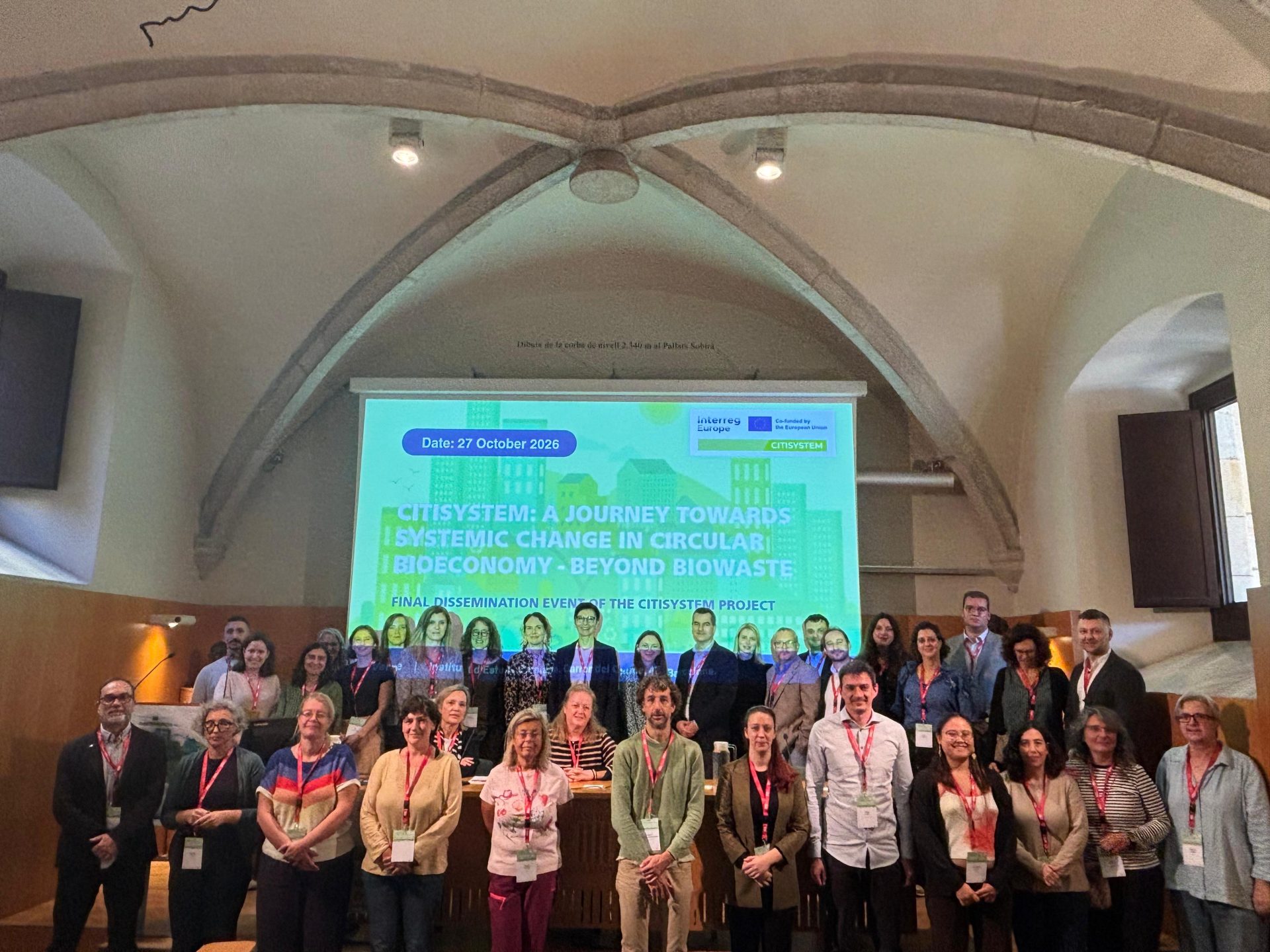
The final Interreg Europe project event, held in Barcelona, highlighted how cooperation between six European regions has helped integrate the circular bioeconomy into new public policies and territorial strategies.
The headquarters of the Institut d’Estudis Catalans hosted the final dissemination event of the CITISYSTEM project, a European initiative that has identified 31 good practices and contributed to the approval or improvement of five regional policies related to the circular bioeconomy. The project began in 2023 and will run until May 2027. Six European regions or cities are involved in its implementation, represented by project partners, regional stakeholders and associated public administrations.
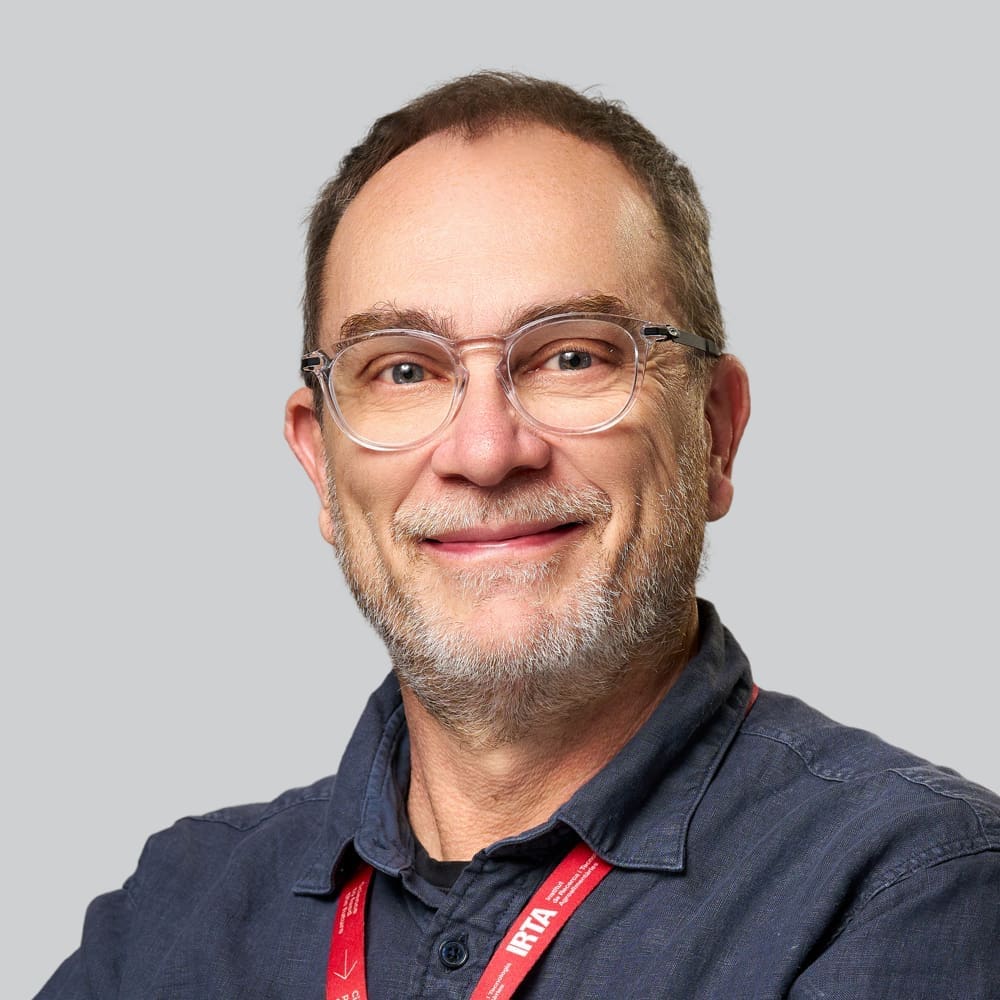
Jordi Garcia-Mas, Scientific Director of IRTA, delivered the institutional opening of the event. He highlighted the importance of IRTA’s research on circular bioeconomy processes as a basis for developing good practices and integrating them into regional policies, which is precisely the main objective of Interreg Europe projects, the co-funding instrument supporting this initiative.
The CITISYSTEM project is part of a systemic shift in the way resources are managed and utilised. This transformation is linked to the development of actions that enable cities and regions to accelerate the transition towards models based on biosustainable solutions. Katerina Medkova, from LAB University and coordinator of the project, highlighted the role of good practices, interregional learning, stakeholder engagement and pilot actions in bringing about this systemic change.
The circular bioeconomy is a model that seeks to make better use of biological resources and organic waste, turning them from a challenge into valuable new products and resources such as fertilisers, materials or renewable energy. In this way, waste is reduced, sustainability is promoted and dependence on fossil resources is limited.
Ségolène Jean, Financial Officer at the Interreg Europe programme, highlighted the main objective of this European funding instrument: improving regional policy development through the identification and transfer of good practices among European regions. In this regard, the CITISYSTEM project has successfully achieved its objective, as it has led to the improvement and adoption of five regional policies aimed at the valorisation and use of urban organic waste.
Agata Kotkowska, Deputy Head of the Sustainable Materials and Bioeconomy Unit at the EU Directorate-General for Environment, emphasised the importance of the bioeconomy at a time when a global and systemic shift in resource management is required. The development of the European Bioeconomy Strategy reflects this importance and Europe’s ambition to become a leader in this global transformation. Achieving this objective requires providing the sector with tools to foster innovation and support the scaling-up of processes. Such scalability must be linked to the growth of a bioeconomy-based market through increased interest in and demand for biobased products.
Meanwhile, the region of Košice, in Slovakia, has developed a regional cooperation framework linking biowaste management with regional development and the circular bioeconomy. This initiative was presented by Roman László, representative of the Košice Department of Energy, and František Janke, researcher at the Technical University of Košice.
The importance of interregional connections was particularly emphasised during the intervention of Dimitra Chasandra, from the innovation department of the Region of Central Macedonia in Greece. In this region, participation in the project has enabled the transfer of urban organic waste management initiatives to the territorial level. It has also helped identify inspiring initiatives for regional implementation, such as the Catalan Municipal Waste Platform.
Among the policies approved or revised as a result of the project is the Catalan Bioeconomy Strategy. Míriam González, head of the DARPA Bioeconomy Strategy, explained how, during the latest revision of the strategy and thanks to the project’s activities, it became clear that the valorisation of municipal biowaste should be incorporated. In addition, Teresa Guerrero, Head of Selective Collection at the Catalan Waste Agency, outlined the challenges and changes associated with the separate collection of urban organic waste.
In the Finnish city of Lahti, improvements to two major policy instruments stemmed from the international collaboration fostered through the CITISYSTEM project and its multi-stakeholder approach. Jenni Rahkonen, Climate Manager for the City of Lahti, explained the changes introduced through these policies: the inclusion of bioeconomy-related obligations in municipal budgets for the 2024–2026 period and the development of an educational programme on circular economy and waste separation for primary schools.
In the city of Mechelen, in Belgium, CITISYSTEM has led to the adoption of a selective organic waste collection policy for the hospitality sector and the development of a pilot organic waste collection scheme in municipal offices. The presentation highlighted the importance of beginning implementation within public administrations, given their reach and capacity to intervene in publicly managed spaces. Els Houttequiet, Project Coordinator for the City of Mechelen, and Rebecca Tierney, member of the waste management company IVAEM, presented the details of these actions.
Finally, Helena Cvenkel presented the good practices and solutions that have been incorporated into the development programme of the Gorenjska region in Slovenia.
Rafaela Cáceres, IRTA researcher, coordinator of the event and regional participation in the project, closed the event. During the closing session, she highlighted the importance of collaboration among partner organisations and stakeholders, as well as the role of research and knowledge transfer in accelerating the transition towards circular bioeconomy models. She also thanked the Catalan organisations involved in the project for their commitment and praised the outcomes achieved.