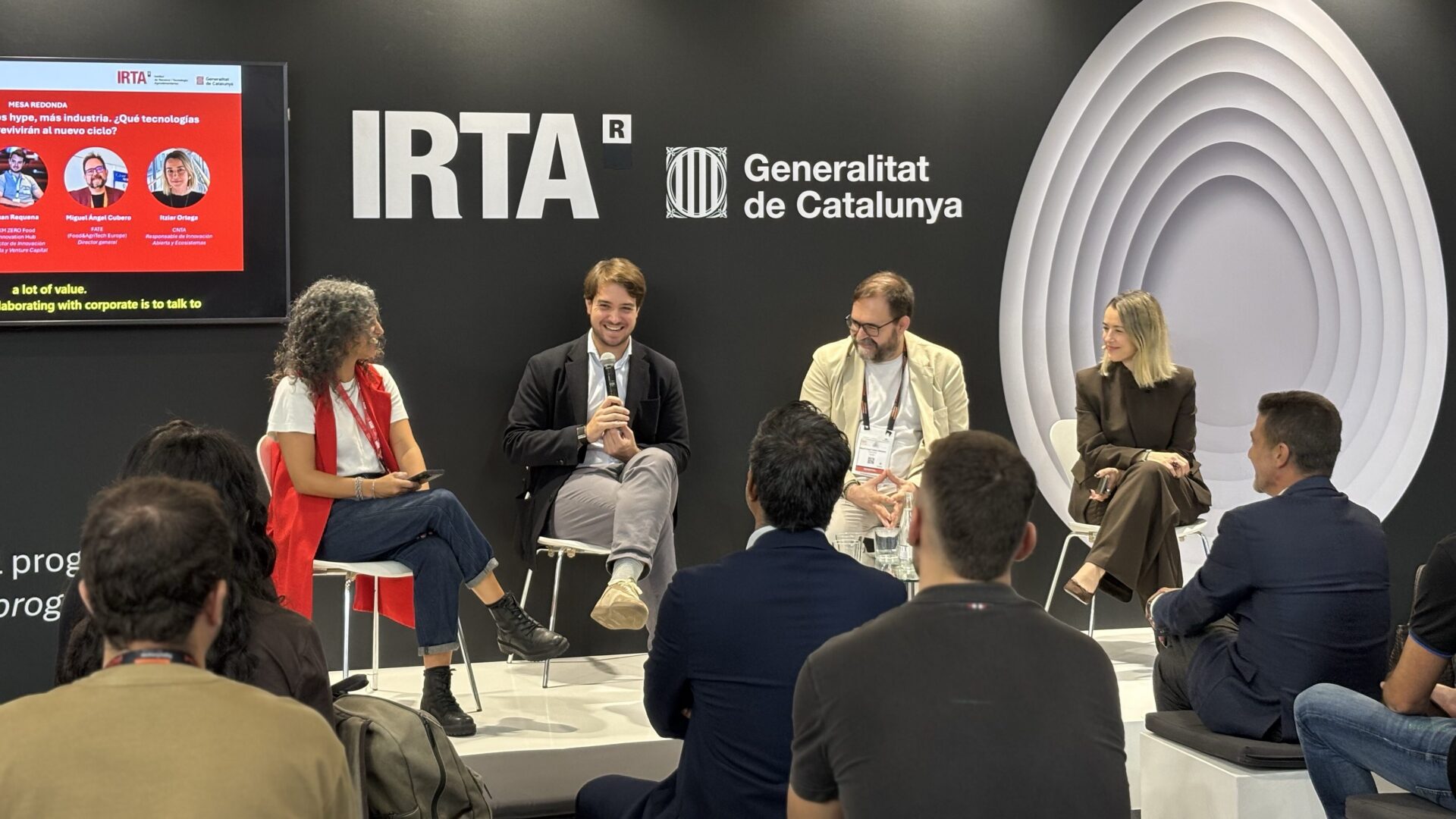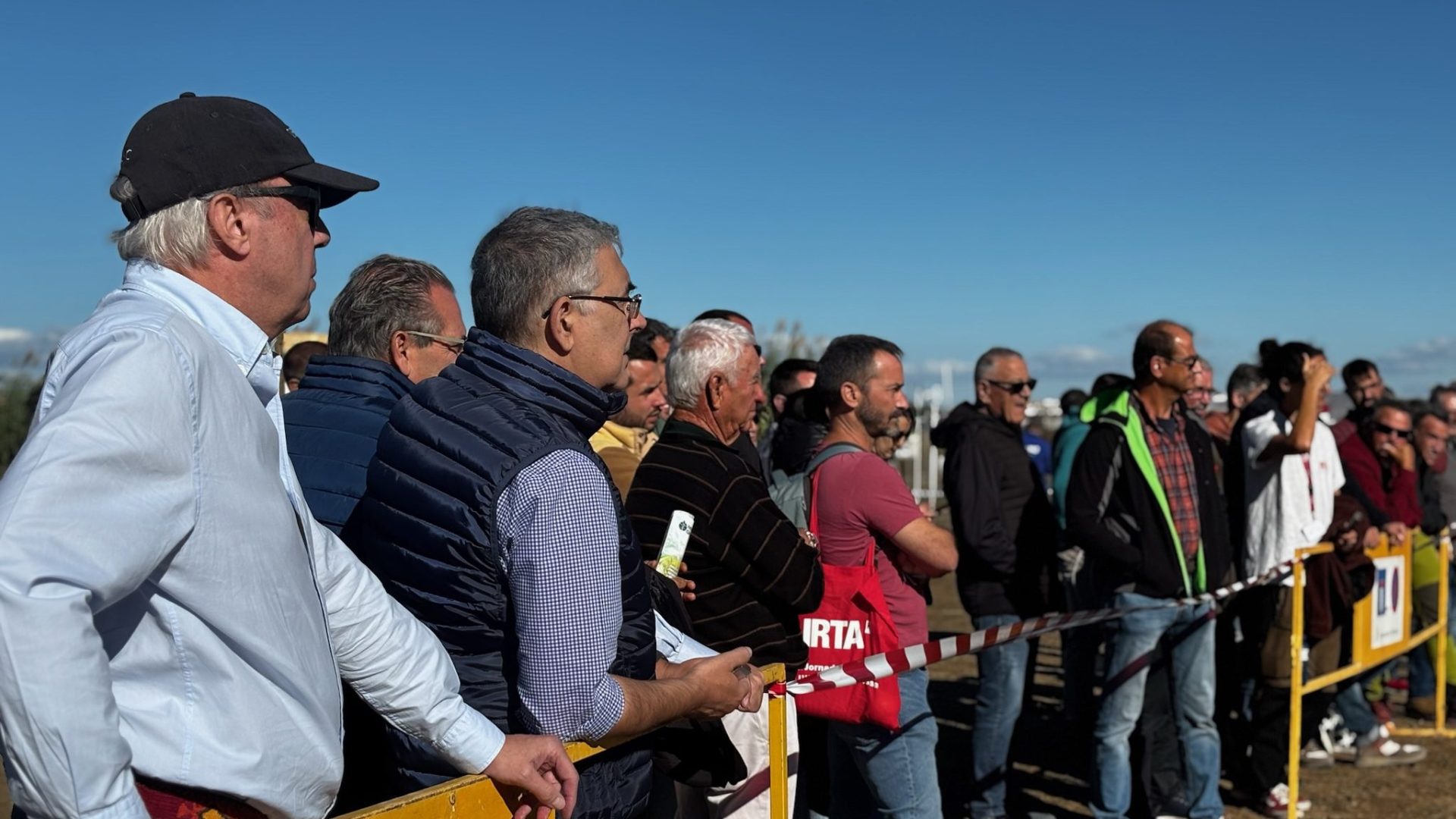
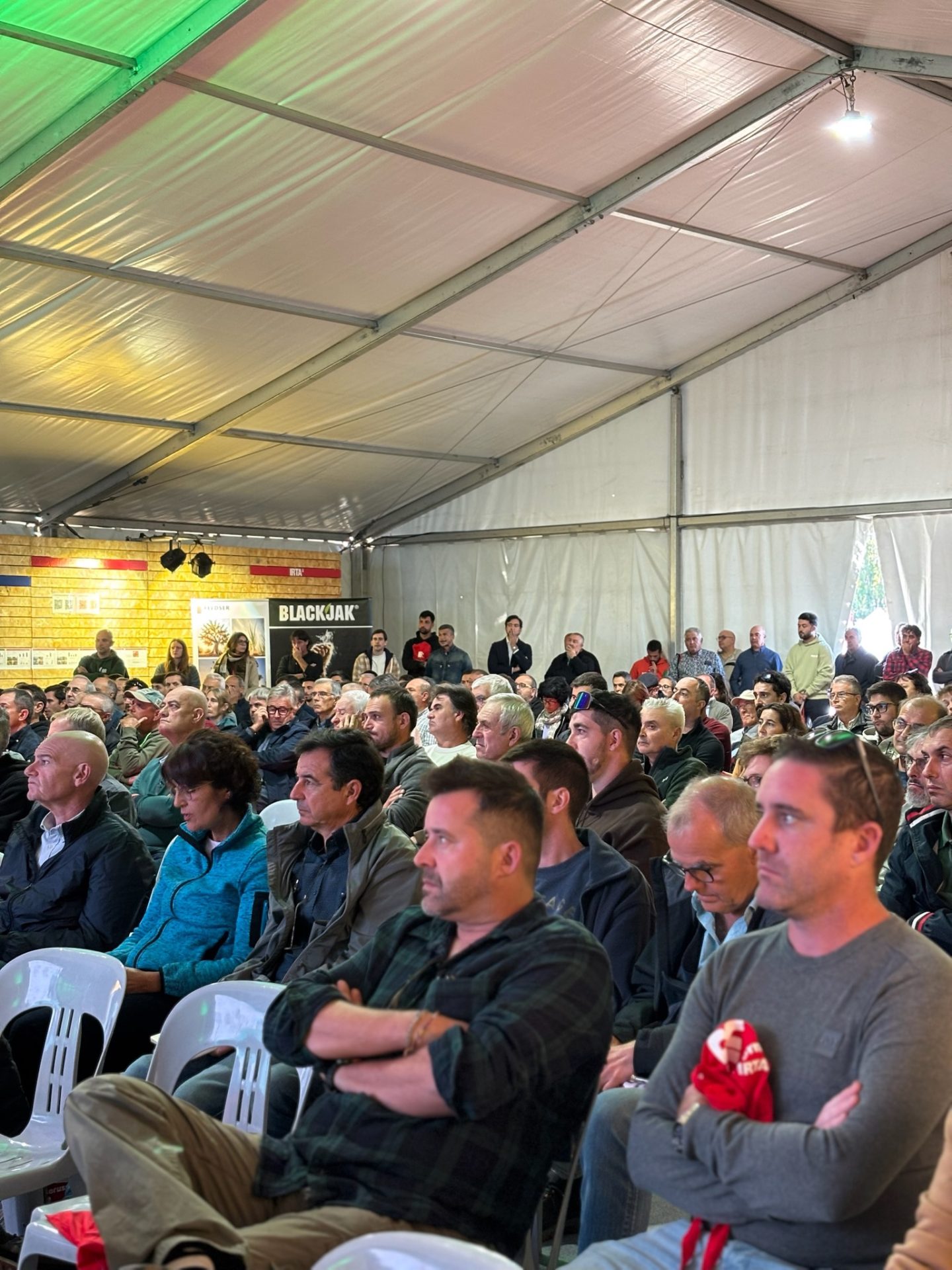
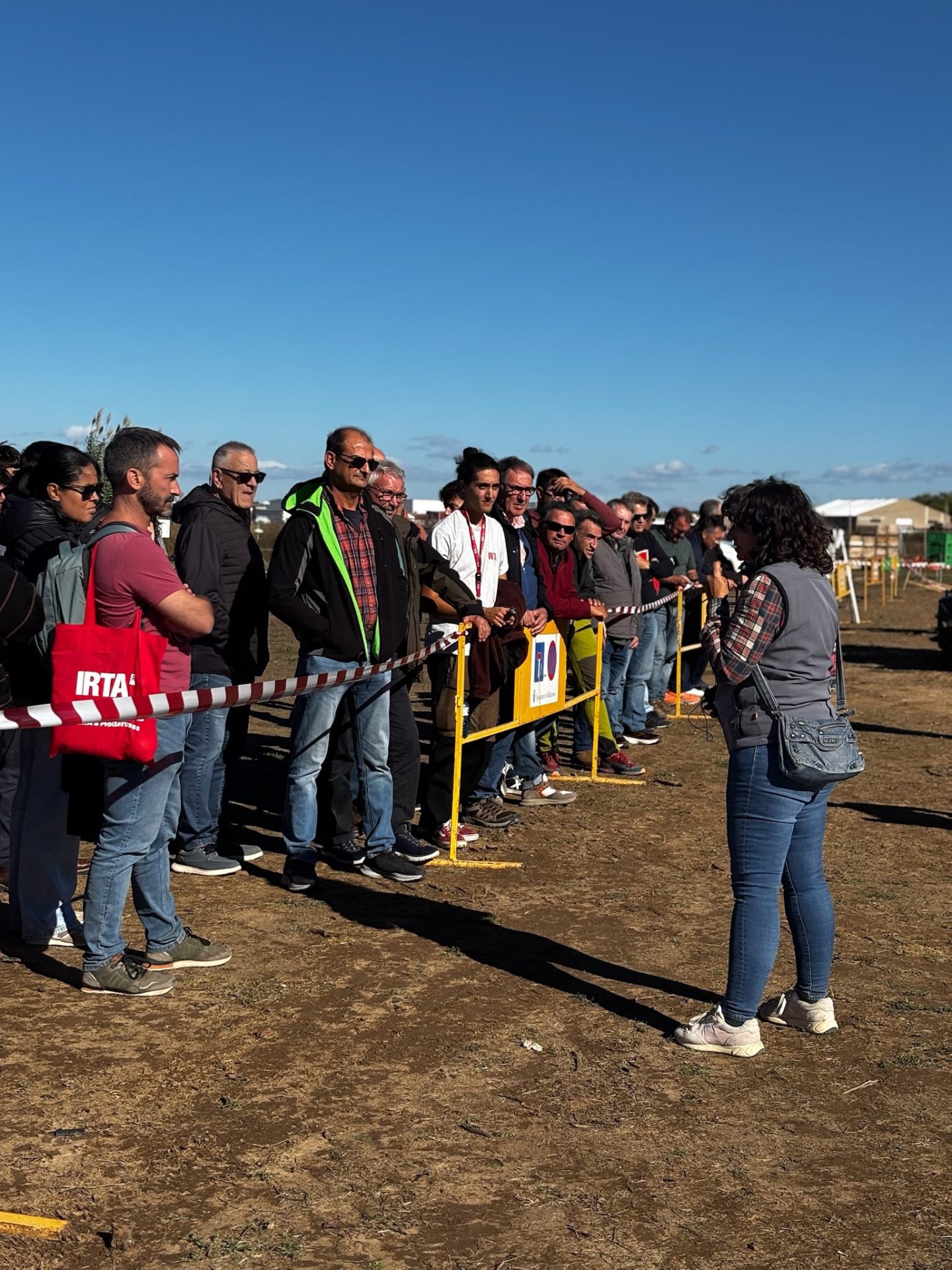
The IRTA farm in Mollerussa hosted the 31st IRTA Fruit Growing Day on October 21 and 22, bringing together nearly 1,500 industry professionals, including producers, technical and research staff, and companies. The gathering, one of the main technology transfer events in southern Europe’s fruit sector, has once again established itself as a reference space for sharing knowledge, showcasing innovations, and addressing the main challenges in sweet fruit production.
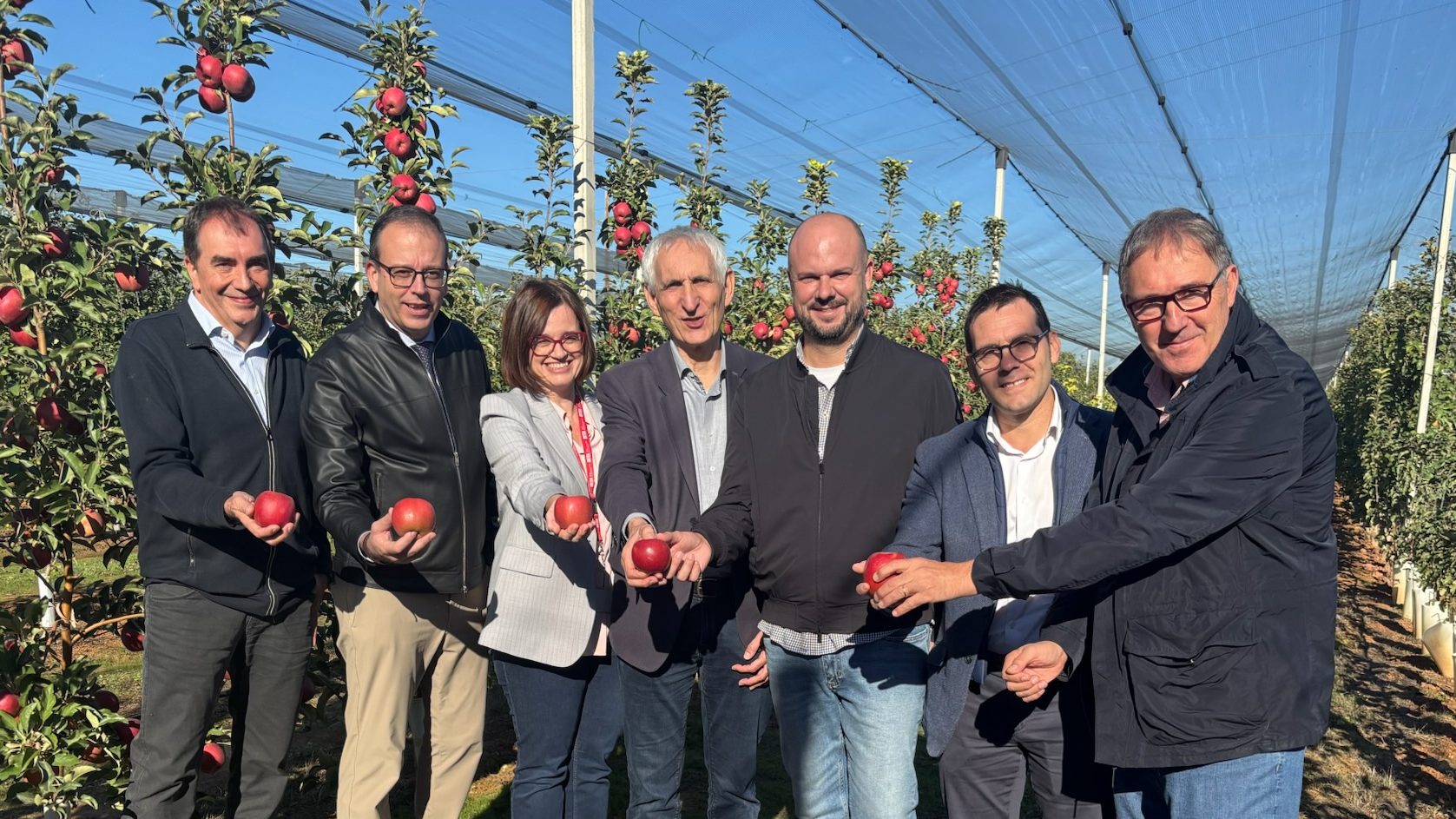
One of the most notable new features of this edition was the presentation of ADORE™, a new line of apple varieties developed to maintain quality and productivity in increasingly high temperatures. This innovation is the result of more than two decades of research in genetic improvement within the framework of the Hot Climate Partnership, an international program driven by IRTA, the Bioeconomy Science Institute of New Zealand, FruitFutur, and VentureFruit.
“The Fruit Growing Day is an example of IRTA’s commitment to knowledge transfer and to innovation in service of the industry. Bringing together producers, technicians, companies, and research staff every year allows us to accelerate the arrival of new solutions in the field. The launch of ADORE is precisely a demonstration of how long-term research ultimately transforms into new opportunities for the Catalan and international fruit industry,” emphasized Josep Usall, Director General of IRTA.
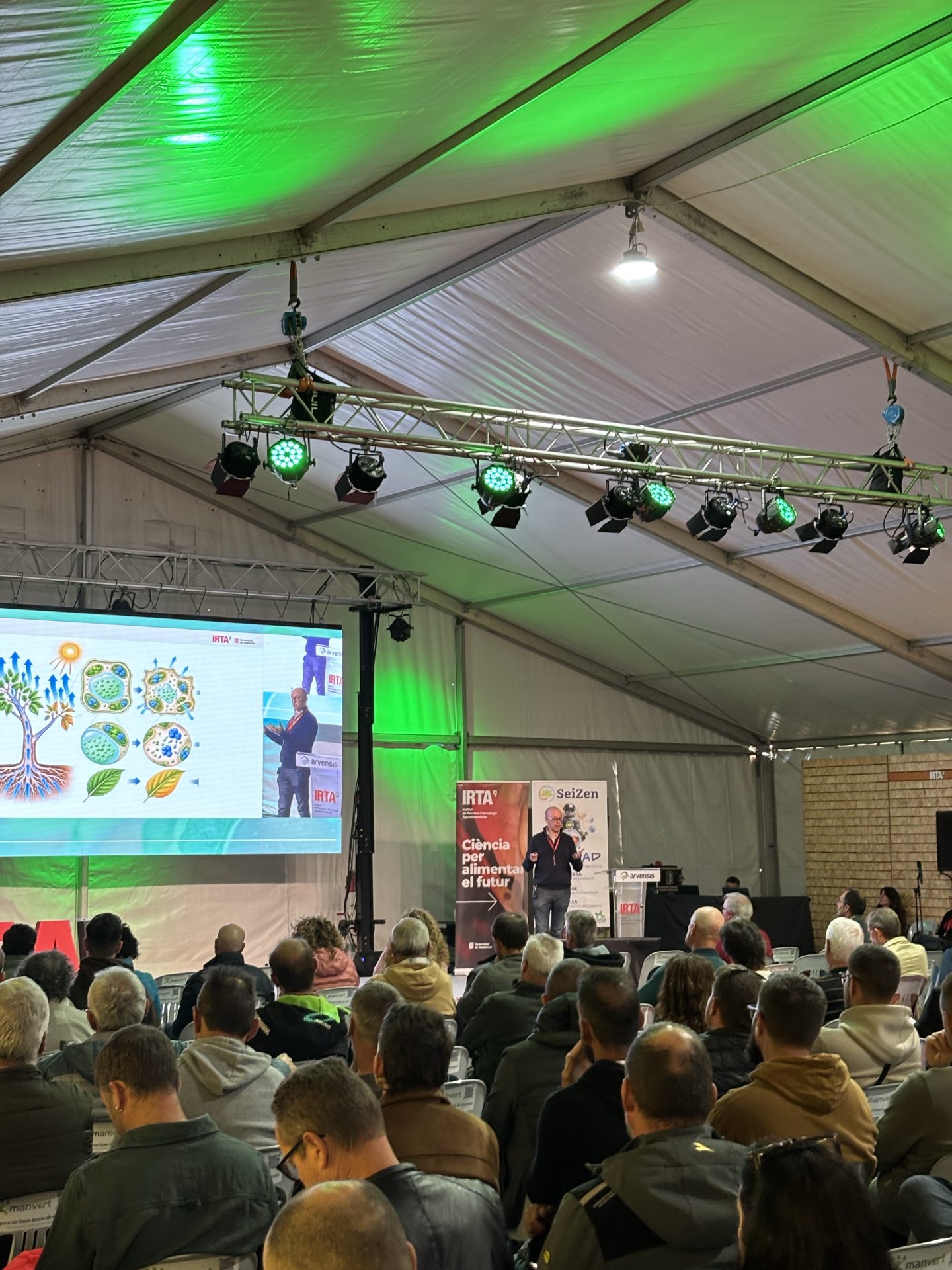
Beyond new varieties, the 31st Fruit Growing Day addressed some of the main challenges facing the sector. The presentations covered efficient water use and irrigation challenges in Catalonia, the effects of climate change on peach, pear, and apple crops, and strategies to improve the agronomic and sanitary management of plantations.
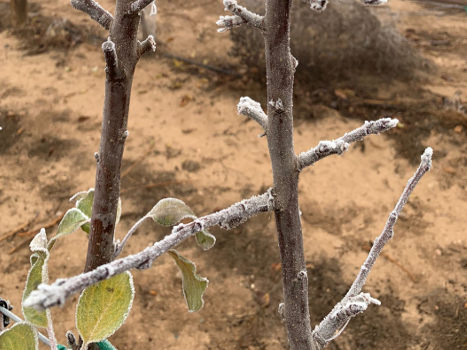
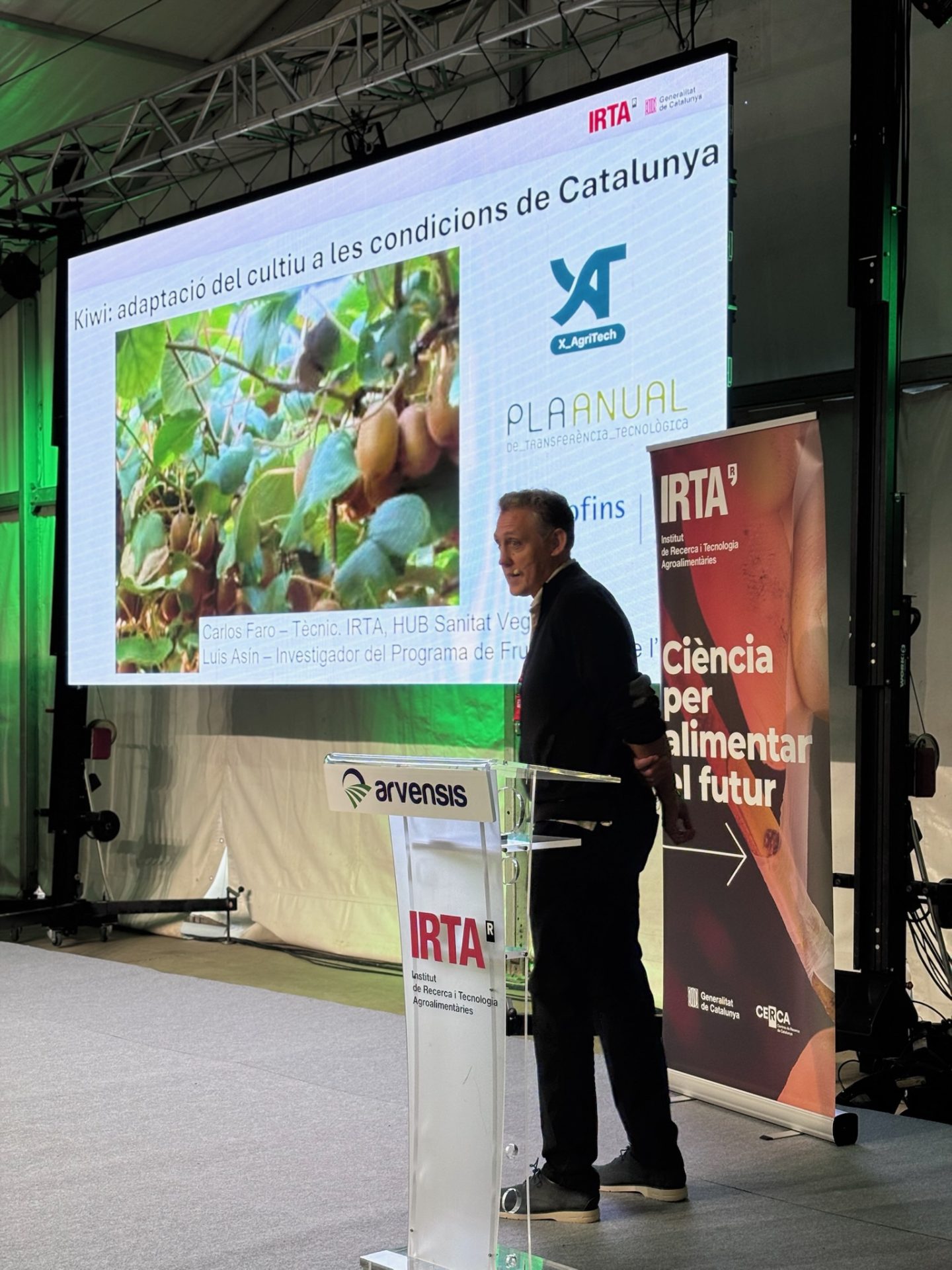
The program also included content on adapting the kiwi crop to Catalan conditions, new peach and nectarine varieties, fruit tree training systems, and foliar desiccation in Conference pears. The status of bacterial fire blight and protection strategies against spring frosts have completed the content related to plant health and climate risk management.
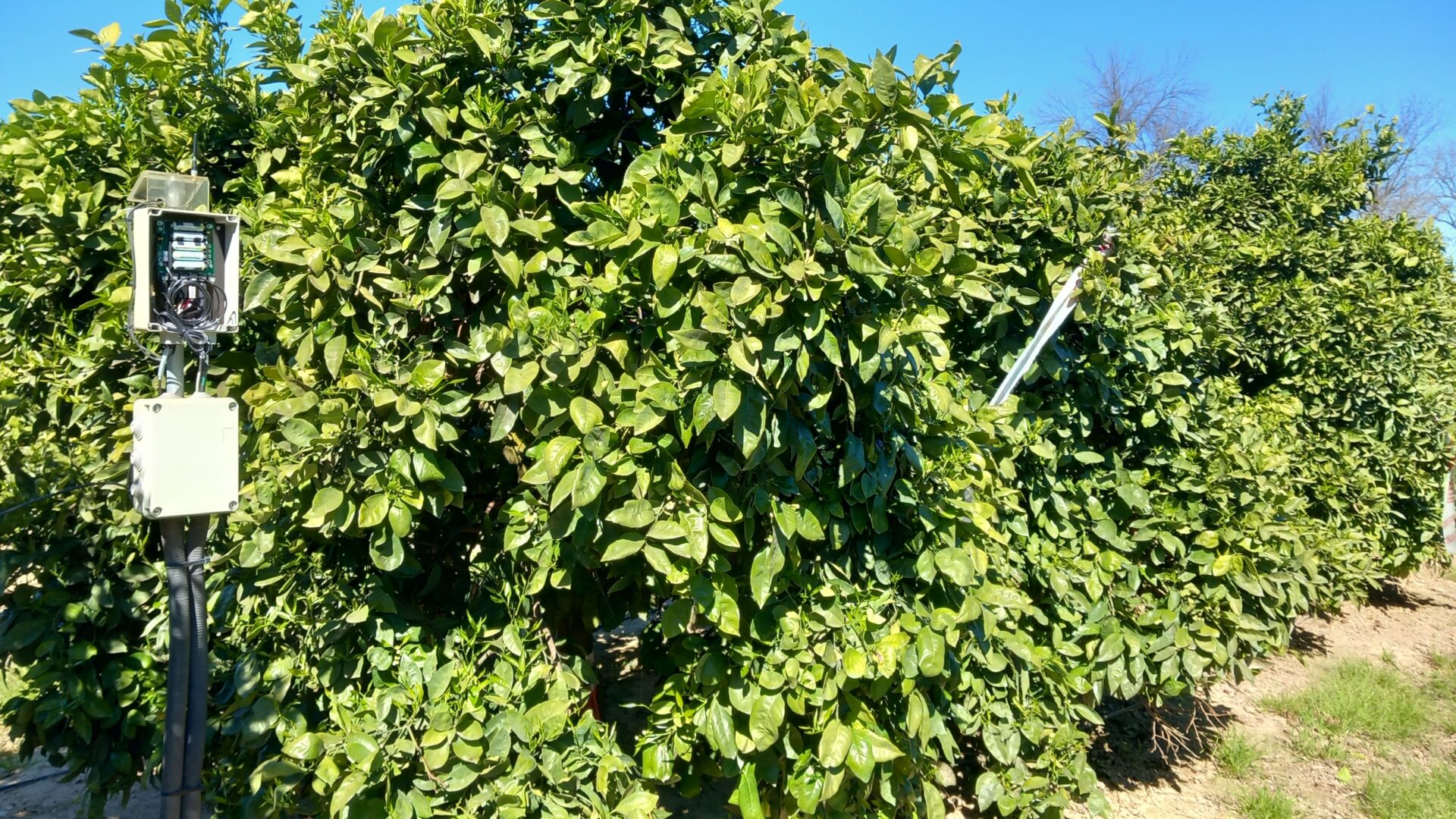
In this context, knowledge related to the CLIMAFRUIT demonstration projects was presented, focusing on the effects of climate change on the cultivation of apples and pears in Catalonia throughout the 21st century, and MICROGEL, dedicated to evaluating the effectiveness and efficiency of different micro-sprinkler systems for active protection against spring frosts in fruit trees.
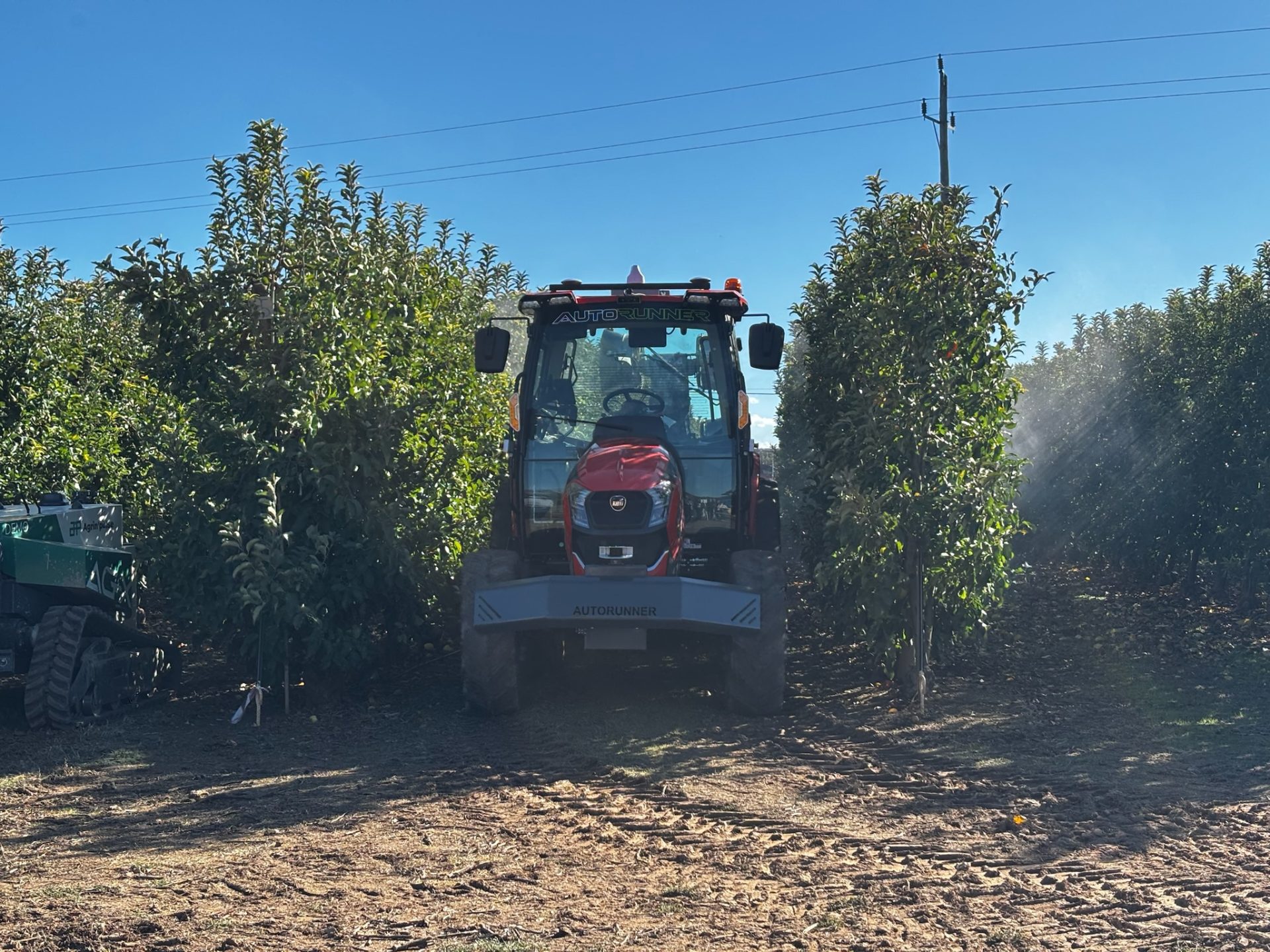
Field demonstrations have once again been one of the highlights of the event, featuring technological solutions applied to fruit production. Attendees were able to see low-water-use frost control systems and specialized agricultural machinery, as well as new technologies aimed at improving farm efficiency.
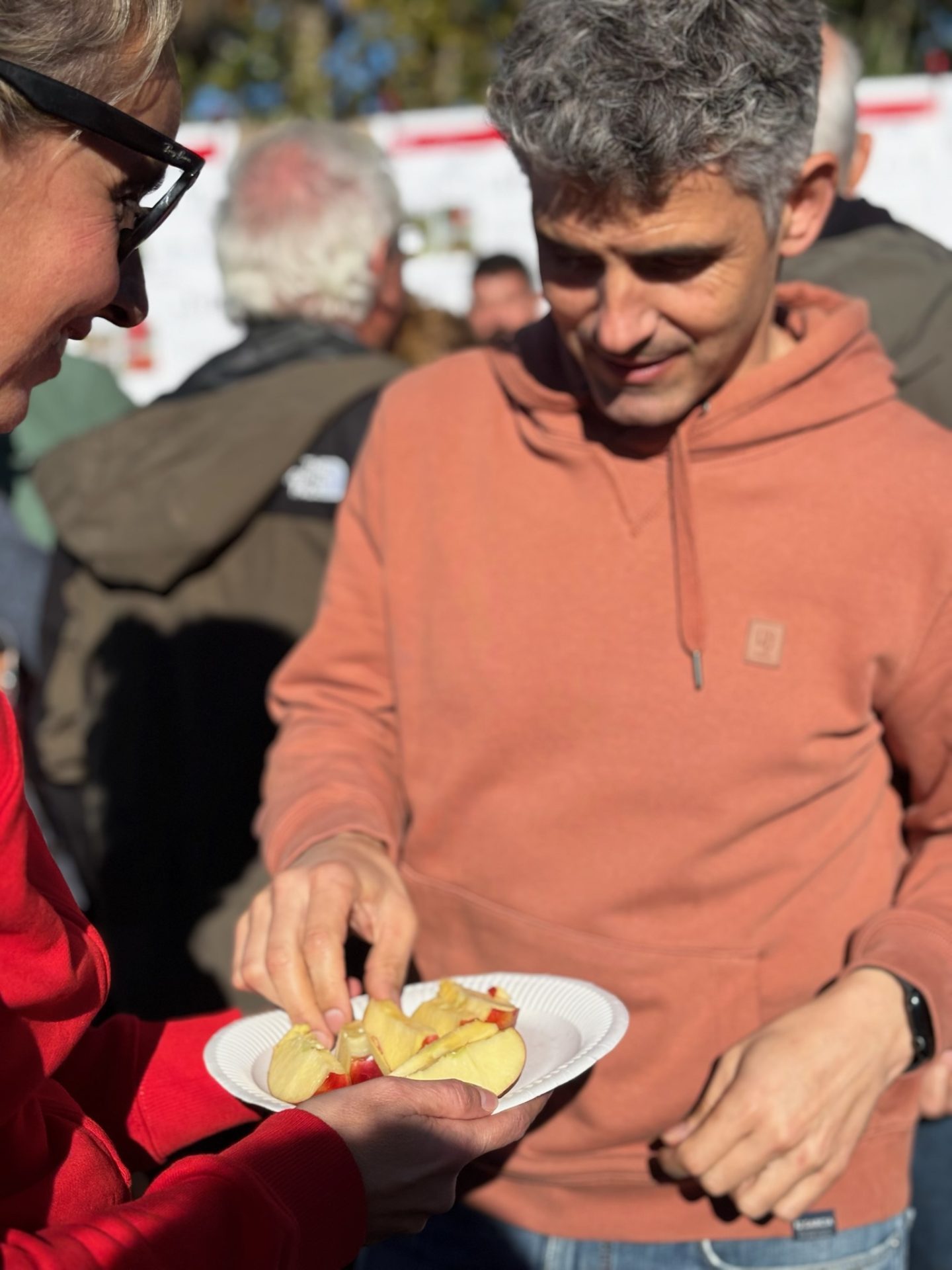
The program also included the presentation of driverless agricultural vehicles adapted for fruit cultivation, a tasting of the most notable apple varieties from the 2026 campaign, and the presentation of the first field results on the application of UV-C radiation in apple trees.
The combination of technical presentations and practical demonstrations has allowed professionals to learn firsthand about the innovations developed by IRTA and other industry stakeholders, and to explore their potential applications on farms.
With thirty-one editions, the IRTA Fruit Growing Day in Mollerussa has established itself as a key gathering for connecting research with the needs of the production sector. The participation of nearly 1,500 professionals in this edition underscores the interest in incorporating new tools and knowledge to improve the competitiveness and sustainability of farms.
With this initiative, IRTA reaffirms its commitment to knowledge transfer and applied innovation to advance towards a more efficient, competitive, and resilient fruit industry in the face of the environmental, production, and economic challenges of the coming years.

Head of programme / Ecological infraestructures and regenerative agriculture researcher specialist