


To:
Plants that are sown alongside crops, or alternated with the main crop, to:
From sheep to donkeys or chickens, because:
Organic amendments include compost or manure and are used for fertilisation:
Crop residues include pruning remains, stubble or straw. When left on the soil, they form a mulch that allows:
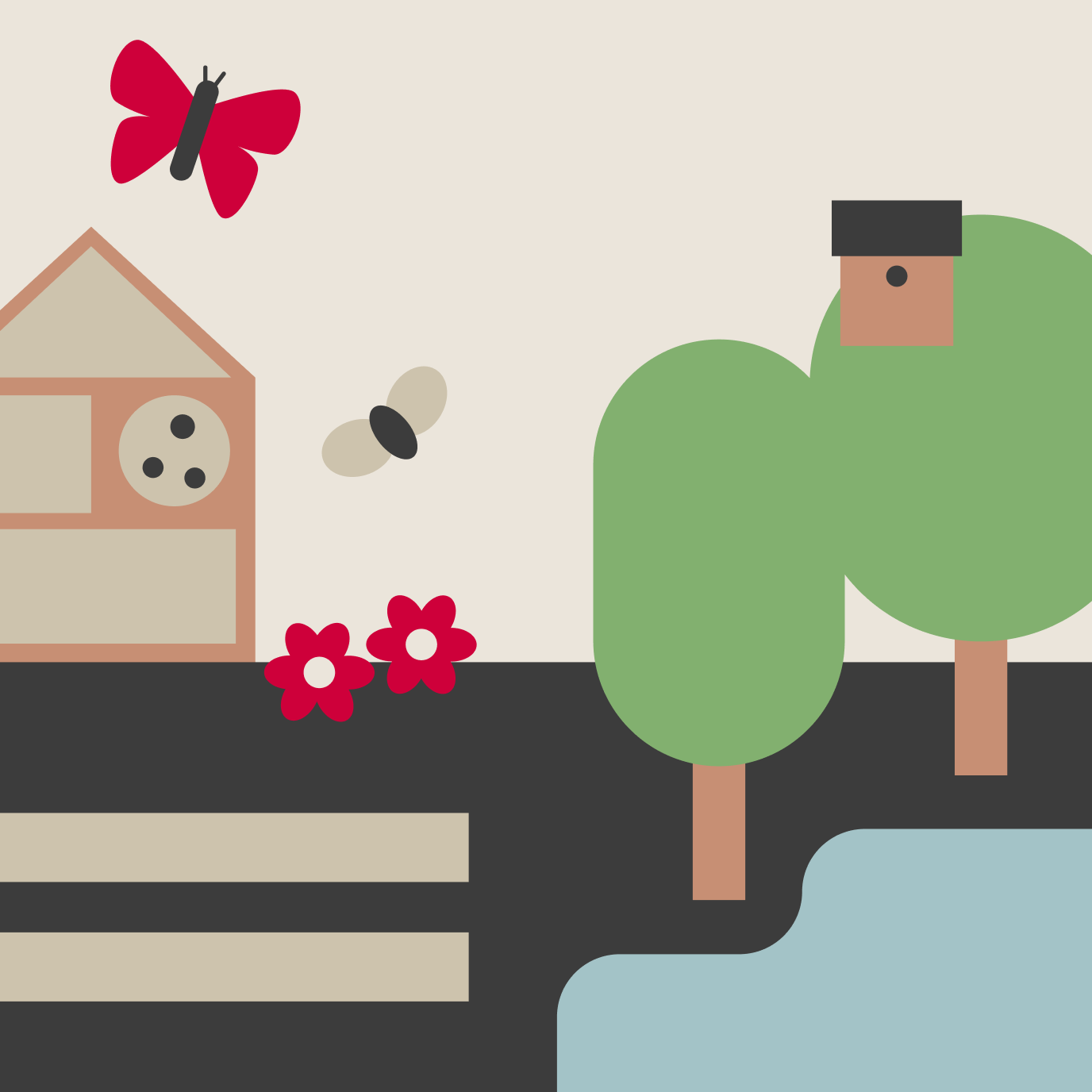
In addition to helping restore biodiversity, they contribute to carbon sequestration, erosion reduction, water regulation, pollination, pest control, connectivity between different ecosystems such as fields, forests and streams, and the creation of a mosaic landscape. These include:
Agroforestry consists of combining crop management with forest management.
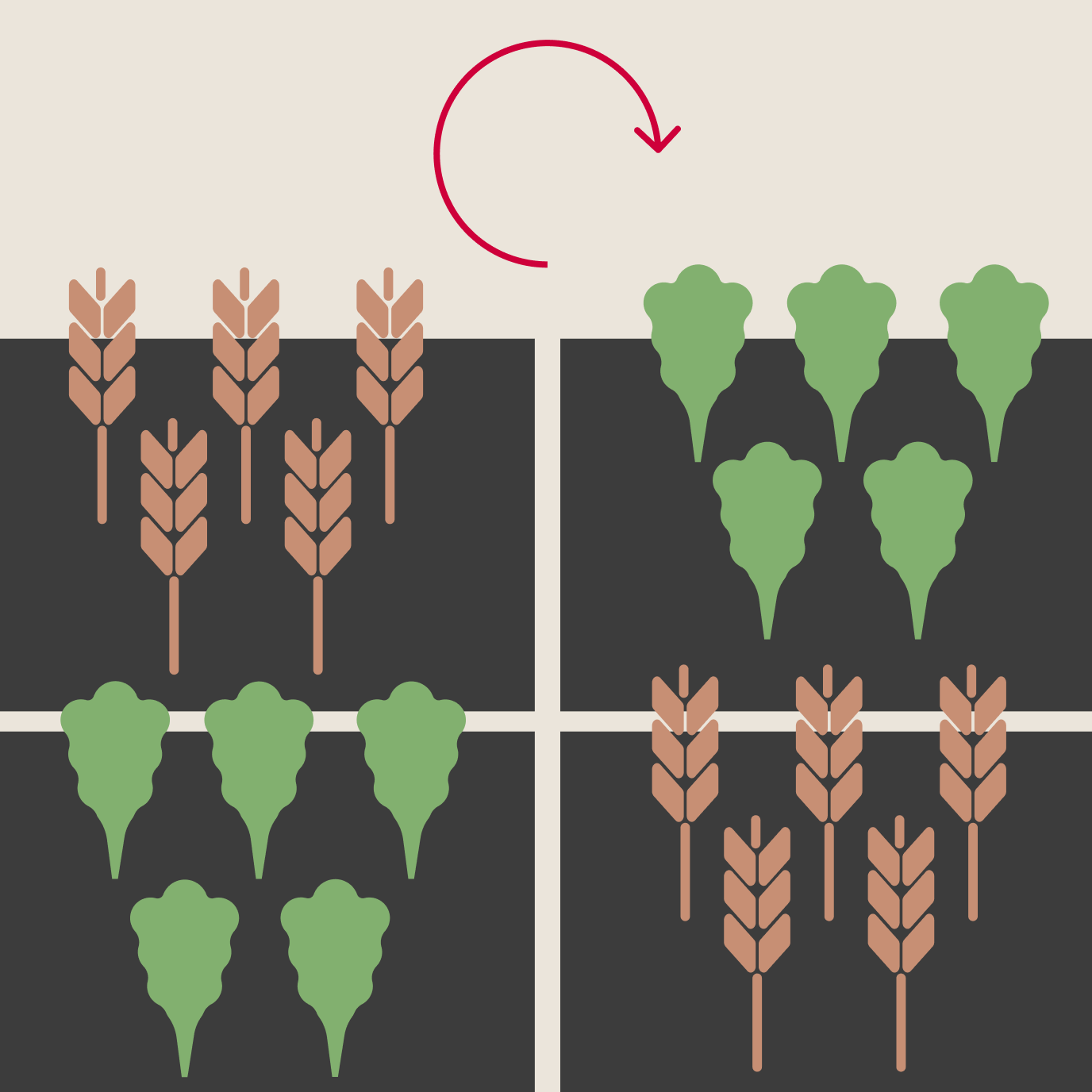
Diversification includes practices such as intercropping or crop rotation, which involve combining different types of crops, either simultaneously (e.g. cereals and legumes) or sequentially (e.g. cereals followed by legumes).
Overall, the outcomes of these practices can vary greatly depending on the crop, the land and the climate. What is beneficial in some cases may be counterproductive in others.

