The new headquarters is born with a vocation to serve the Pyrenees and a commitment to boosting the mountain bioeconomy
A strategic step to bring research and innovation closer to the agri-food sector of the Pyrenees
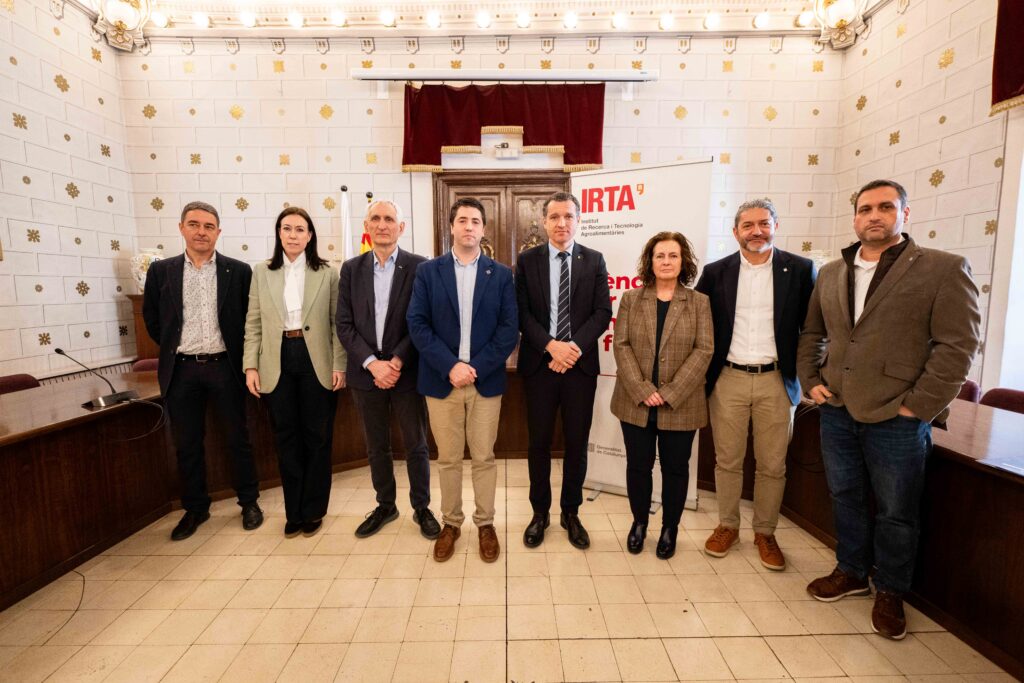
IRTA today launched its new center in La Seu d’Urgell, IRTA Pirineu, at a presentation event attended by the Minister of Agriculture, Livestock, Fisheries and Food, Òscar Ordeig; the Mayor of the city, Joan Barrera; and the Director General of IRTA, Josep Usall. The event introduced a project designed to strengthen the presence of research and innovation in mountain regions.
With this new headquarters, IRTA is making a strategic commitment to bring science closer to the valleys of the Pyrenees and to work hand in hand with livestock farmers, crop farmers, forest managers, companies, and institutions in the area. The aim is to transform knowledge into economic, environmental, and social progress for the people who live and work there.
Specifically, IRTA has launched IRTA Pirineu as a new center conceived to address the major challenges facing mountain areas: the resilience of agri-livestock activity, food sufficiency, generational renewal, and the agri-forestry bioeconomy.
IRTA Pirineu is born as a meeting and collaboration space, designed to listen to the territory and turn its real needs into concrete R&D&I projects, technology transfer, training, and advisory services. The center will initially open in a temporary space at the Casa dels Parcs de l’Alt Pirineu and, later on, will be located in the heart of La Seu d’Urgell, at Ca l’Armenter.
From its new center, IRTA aims to strengthen the connection between research and the Pyrenean ecosystem and to implement actions aligned with a shared territorial agenda. Its activity will focus especially on strengthening agri-food value chains and the agri-forestry bioeconomy. It also seeks to support the sector in processes of innovation, digitalization, and adaptation to climate change, as well as to generate real opportunities for young people to live and work in the Pyrenees.
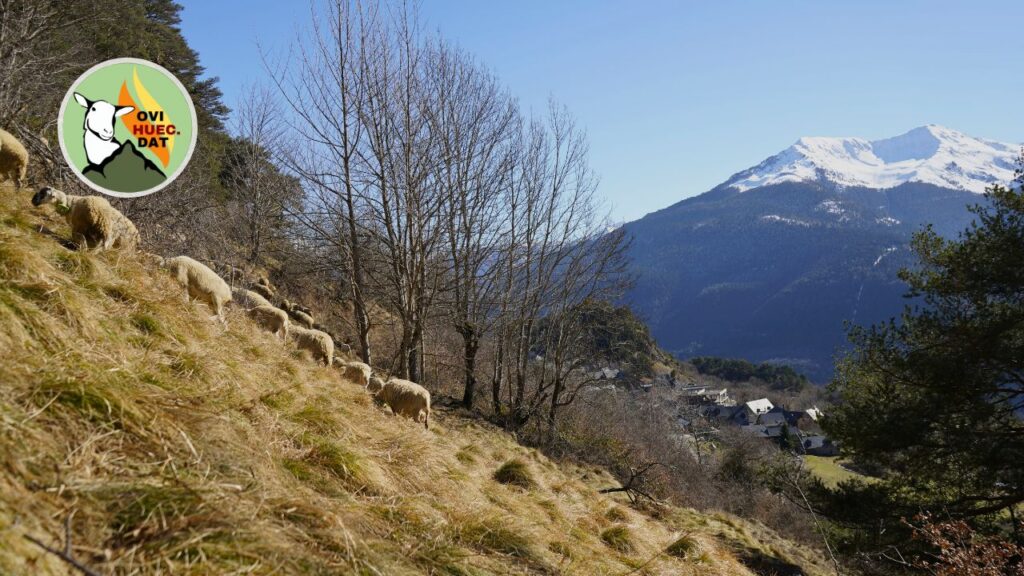
All of this is approached with a highly applied perspective, taking a cross-cutting view: from the sustainable management of pastures and forests to the valorization of local products, the improvement of animal welfare, the introduction of new crops adapted to changing climate conditions, and the promotion of the circular economy.
The IRTA Pirineu center has been conceived to grow with the territory and at the territory’s pace. This means regularly listening to local institutions, the productive sector, social entities, and the research ecosystem in order to agree on priorities and promote actions that provide real usefulness and return for the Pyrenees.
This approach was evident during the presentation event, where IRTA’s Director General, Josep Usall, stated that “with IRTA Pirineu we strengthen our scientific presence in mountain regions and make available to the agri-food sector of this territory the full potential of the institution’s R&D, infrastructure, and research talent.”
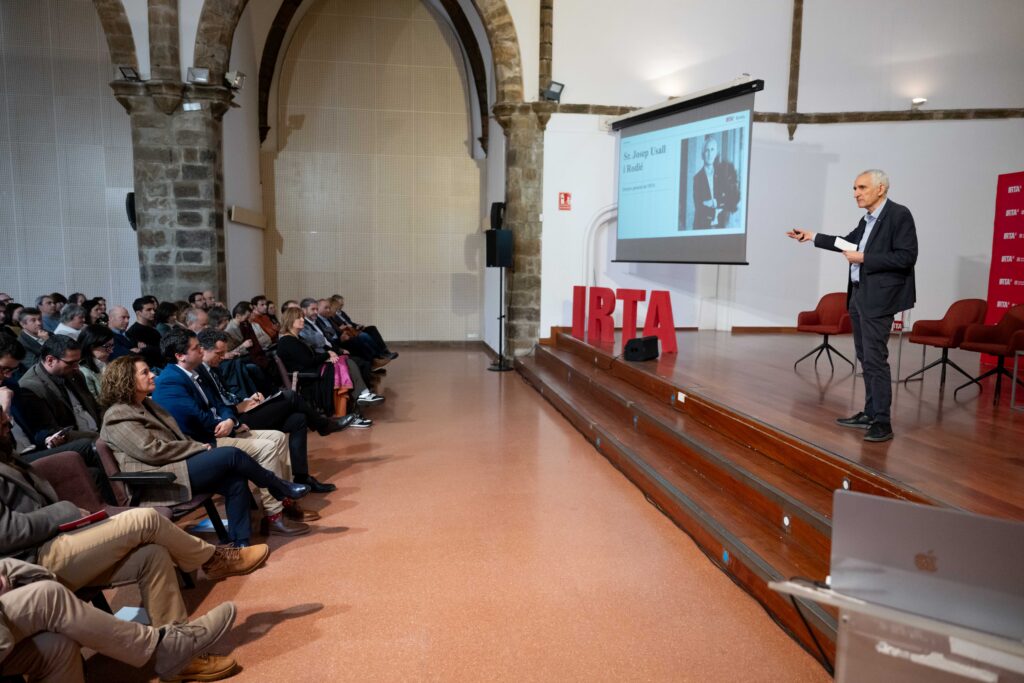
Usall emphasized that “we want this center to become a benchmark in applied research on mountain agri-food systems and an innovation hub capable of generating useful, transferable knowledge aligned with the sector’s major challenges.”
The Mayor of La Seu d’Urgell, Joan Barrera, highlighted that “the inauguration of IRTA’s center in the Pyrenees is a historic milestone for the city and for the entire Alt Pirineu. For the first time, our territory is part of the country’s agri-food research network, with a facility designed from the territory and for the territory.”
The Mayor added that “this center is born with a clear vocation of service to the primary sector, of support for livestock and crop farmers, and of knowledge generation. It is also a matter of territorial justice: Catalonia could not continue advancing in agri-food innovation without the Pyrenees.”
For his part, the Minister of Agriculture, Livestock, Fisheries and Food, Òscar Ordeig, stressed that the launch of IRTA Pirineu “is a strategic step to bring agri-food research closer to mountain regions and to turn knowledge into real opportunities.”
The Minister underlined that innovation “must be born from listening to the sector’s everyday needs, ensuring knowledge, technology, and fair incomes for farmers.”rca agroalimentària a les comarques de muntanya i convertir el coneixement en oportunitats reals”.
The event included a round table entitled “IRTA in the Pyrenees: a story of impactful projects,” featuring participants who have collaborated with IRTA on recent initiatives in the Pyrenean counties.
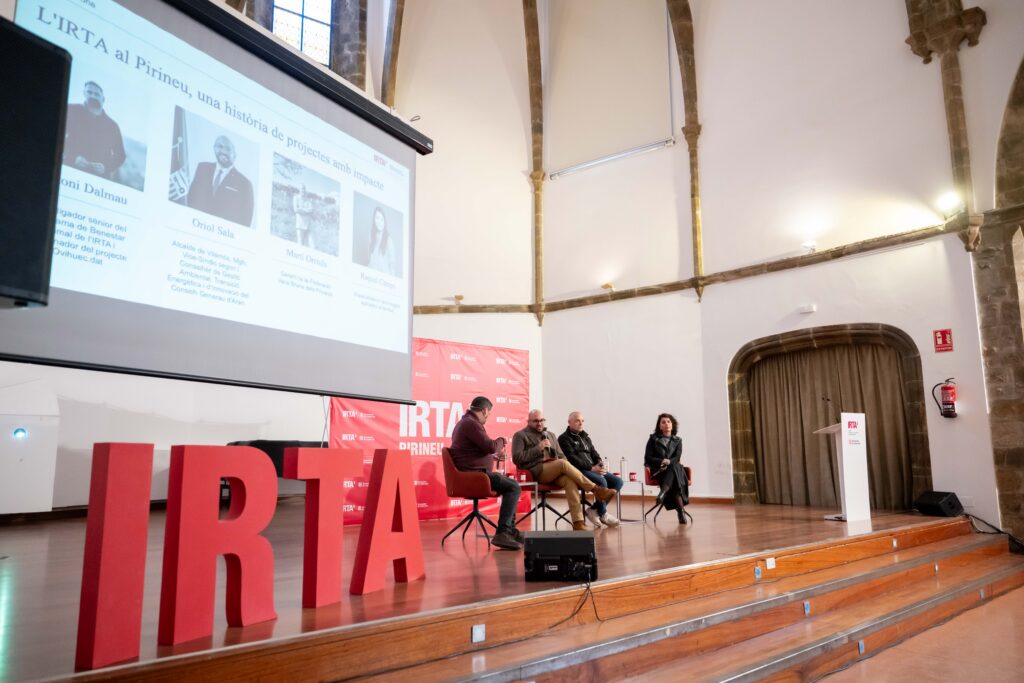
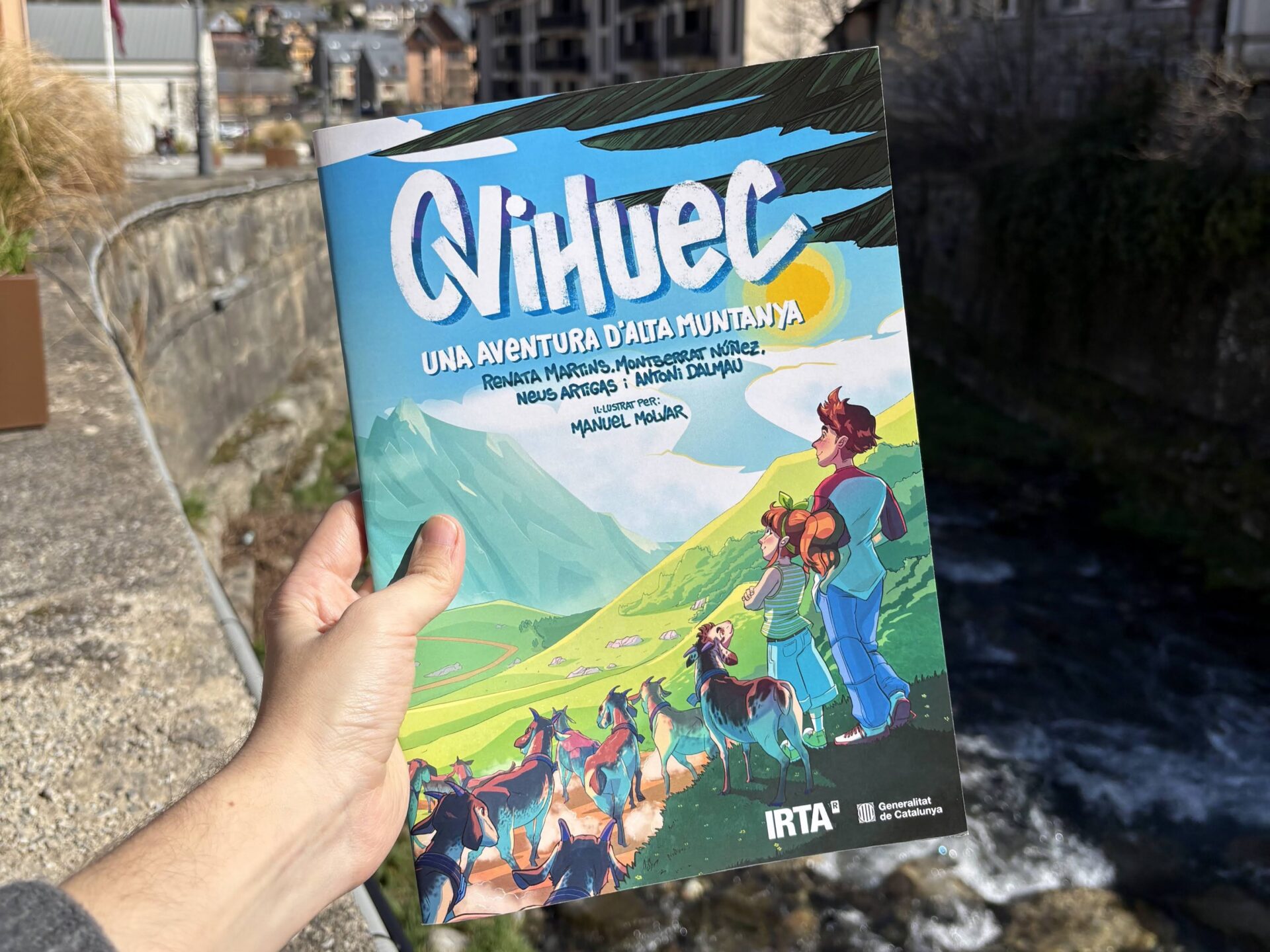
During the round table, experiences such as Ovihuec, Bruna dels Pirineus, and rural digitalization projects were highlighted, showing how innovation—when it emerges from the territory and is built collaboratively—can help anchor activity, talent, and opportunities in mountain areas.
With IRTA Pirineu, IRTA strengthens its commitment to mountain regions and takes a step forward in turning scientific knowledge into a key tool for the future of the Pyrenees.