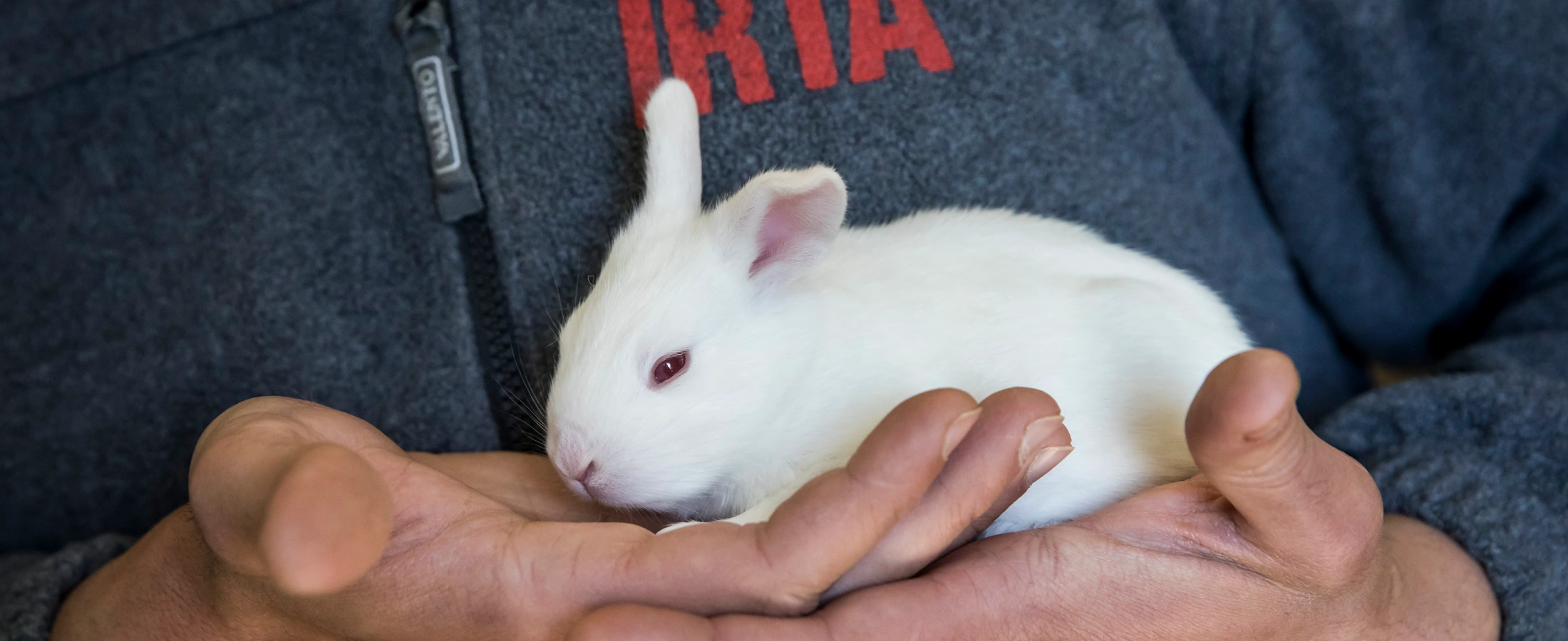
Animal welfare is recognized as one of the fundamental pillars of sustainable livestock farming, not only for its impact on productive efficiency, where it has an unquestionable impact, but also for the ethical and social dimension of sustainability itself, since a system cannot be sustainable if it is not morally acceptable. The direct effect of welfare on productive efficiency, on the environmental impact and social acceptance of livestock farming makes it an essential element of sustainable livestock farming.
The science of animal welfare uses a definition based on five criteria: that the animal has good nutrition, an adequate environment, good health, appropriate behavior and a good mental state.

Pig welfare
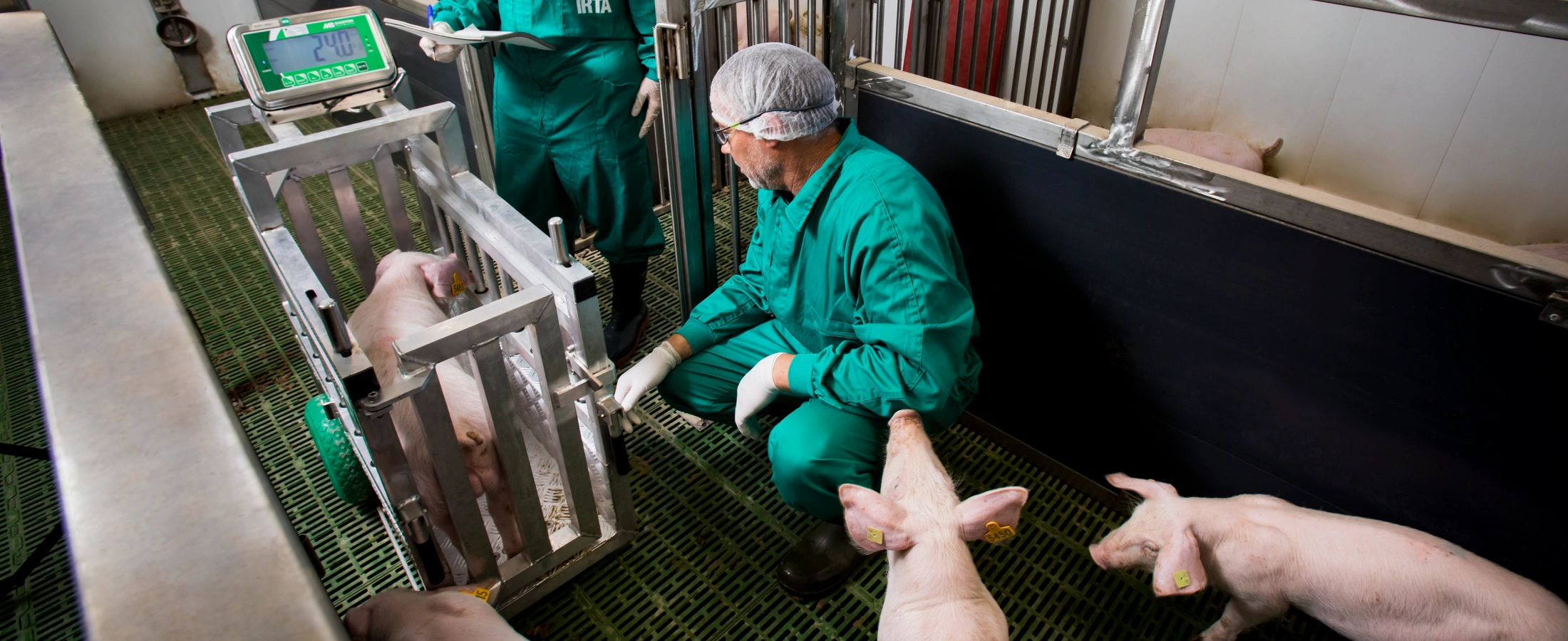
We study alternative livestock farming systems, such as new maternity housing or organic production, alternatives to slaughter and the role of the intestinal microbiota in the behavior and emotional state of pigs and their resilience to stress factors.
Welfare in birds and rabbits
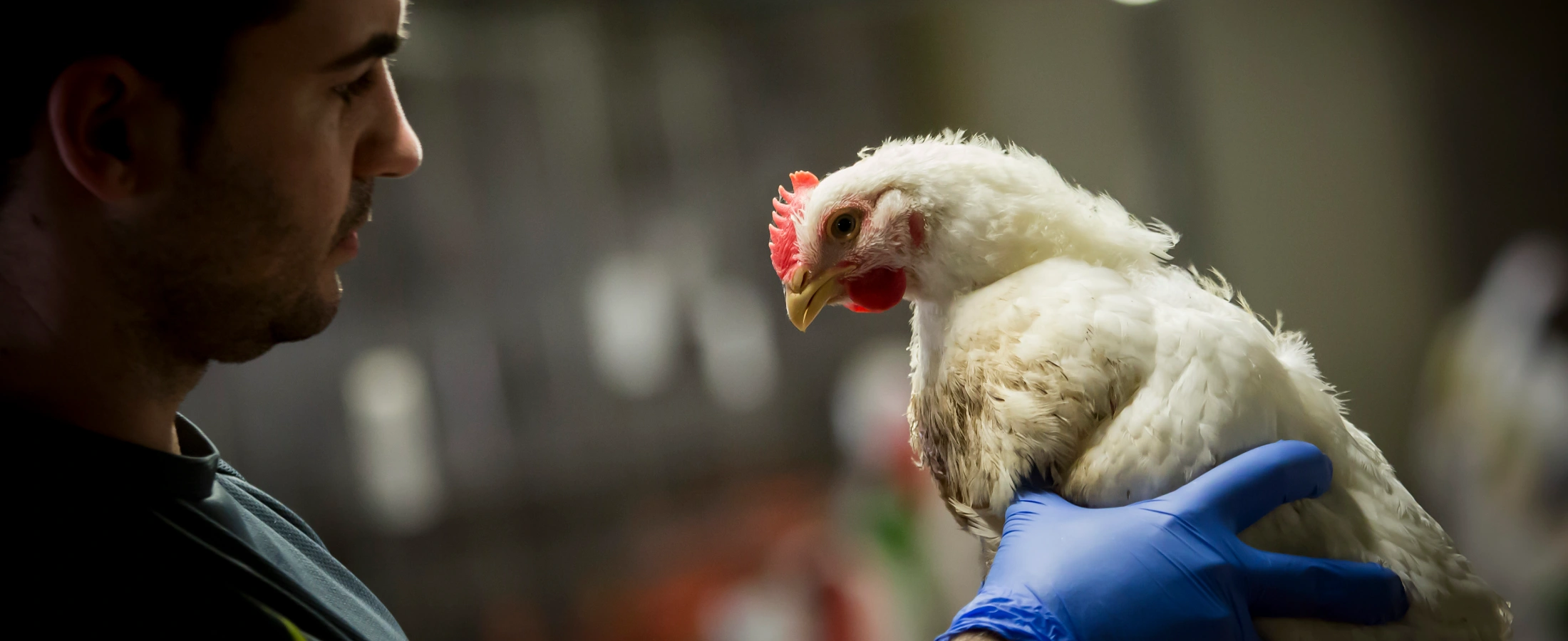
We are members of the European Union Reference Centre for the Welfare of Poultry and Other Small Farm Animals (EURCAW-Poultry-SFA). We study new housing systems and improvements in livestock practices that adapt to the needs of the animals.
Well-being in slaughter
We are a world-leading program in the study of stunning systems in different species such as pigs, ruminants and poultry for humane animal slaughter (without pain, suffering or stress), both on farms and in slaughterhouses.
Validation and development of well-being indicators
We base our work on the animals’ life experience and not just on defining the environment in which they live; that is, we work to ensure that the protocols take into account the animals’ behavior and emotional state.
Extensive well-being
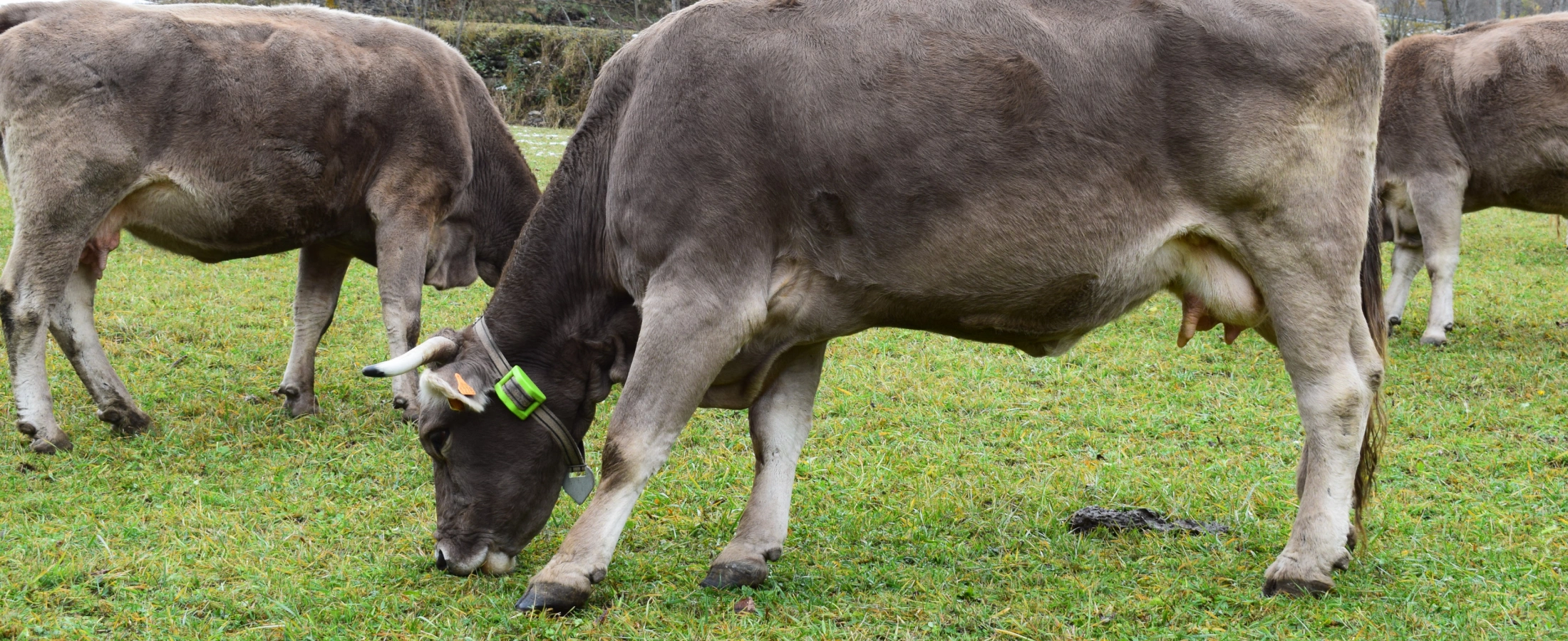
The welfare line in extensive herds includes the development of specific animal welfare indicators for animals in extensive regimes, including the use of new technologies that, through behavioral monitoring, show us how animals interact with the environment, predict when they may be at risk due to a disease, accident or the presence of predators, anticipate births in the mountains, or know which environments they prefer, what limitations they encounter, how they feed and interact with each other and what they need to express their physiological and behavioral potential.