


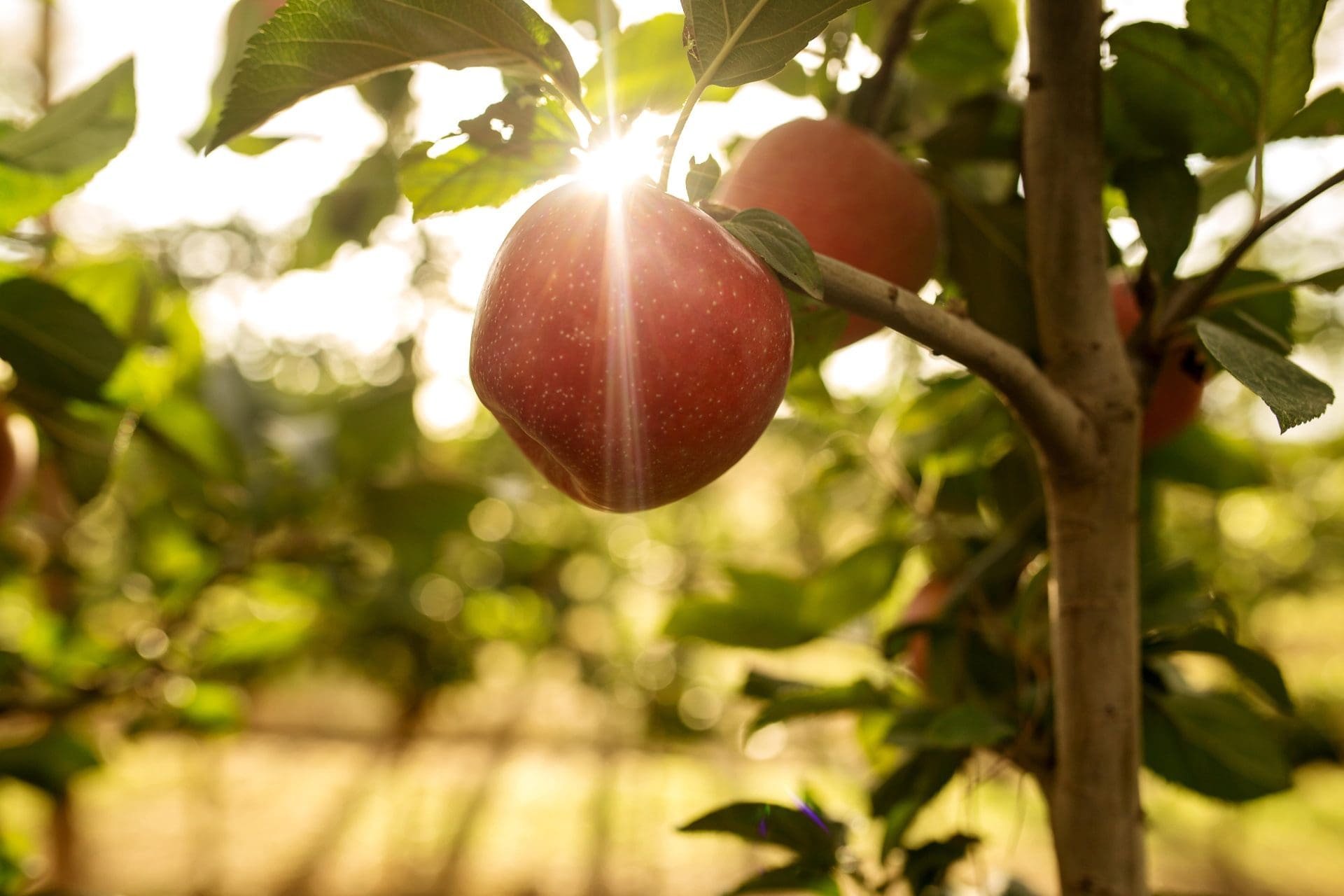
Current global challenges, such as the climate and energy crisis, are unprecedented. At IRTA, we have identified a growing need to transform current food systems in order to provide sufficient and healthy food for the population, making them more sustainable, safe, fair, resilient and compatible with the well-being of future generations.
As global demand for food increases, ecosystem degradation, dietary imbalances, water scarcity and biodiversity loss are growing in parallel. The food sector and food itself face major challenges, but at the same time they have immense potential to promote the health and well-being of the population, ensuring the sustainability of the planet.
In Catalonia, agri-food is the leading industrial sector in terms of turnover and employment and is a pillar of our economy. It is led by the meat industries and supported by a solid business ecosystem that covers the entire value chain.
In the current context, innovation is key, and the sector is advancing along three major trends: sustainable food production, healthy eating, and the application of new technologies and digitalisation.
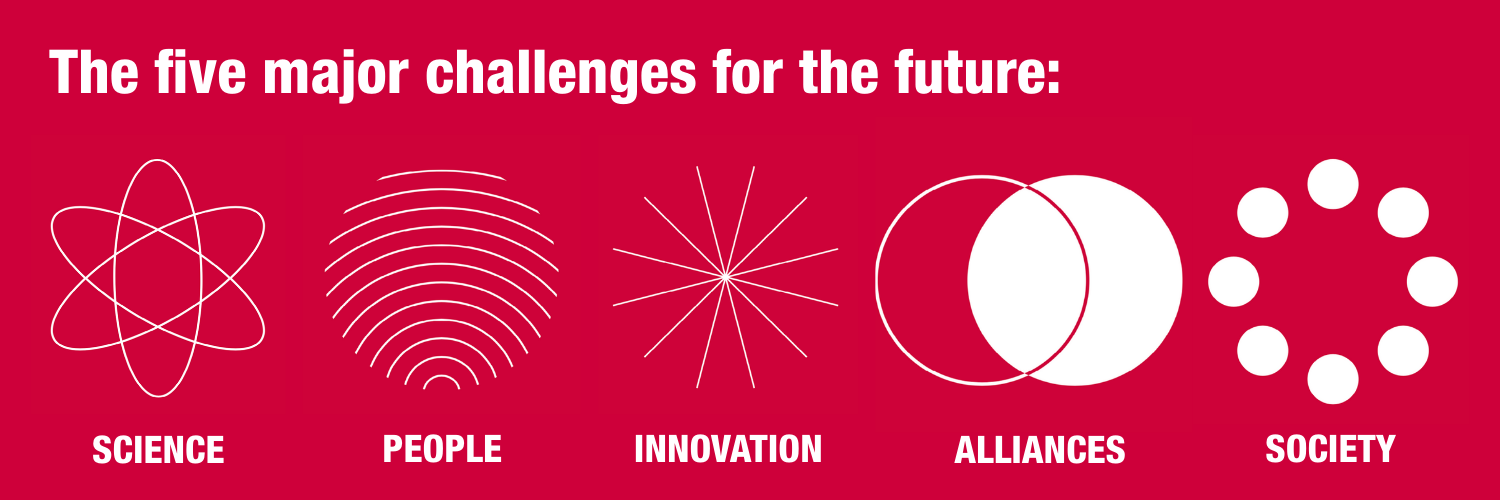
In the 2024-2027 Strategic Plan, we address five challenges for the future, focusing particularly on scientific objectives to provide solutions to the challenges facing the agri-food sector in the medium and long term.
In addition to scientific challenges, we want to attract and retain the best professionals, promoting talent recruitment. We also want to reinforce the value and impact of our research and establish alliances with key players in the sector, both nationally and internationally.
In this context, communication with society is essential in order to listen to its concerns and put knowledge at its service.
Challenge 1: Science

Our efforts focus on four areas of research aligned with the United Nations Sustainable Development Goals.
Trabajamos para reforzar la resiliencia al cambio climático, desarrollando soluciones que ayuden a la adaptación de los sistemas agroalimentarios; impulsar la intensificación sostenible de la producción, optimizando los rendimientos sin comprometer los recursos naturales; avanzar en el enfoque One Health, abordando de forma integrada la salud humana, animal y ambiental para garantizar la seguridad alimentaria; y fomentar la digitalización y la aplicación de tecnologías transformativas para mejorar la eficiencia y la innovación en el sector agroalimentario.
We work to strengthen resilience to climate change by developing solutions that help agri-food systems adapt; promoting sustainable intensification of production, optimising yields without compromising natural resources; advancing the One Health approach, addressing human, animal and environmental health in an integrated manner to ensure food security; and promoting digitalisation and the application of transformative technologies to improve efficiency and innovation in the agri-food sector.
1. Promoting the digital transformation of the agri-food sector
Digital transformation has great potential for improving the environmental, social and economic sustainability of the agri-food sector.
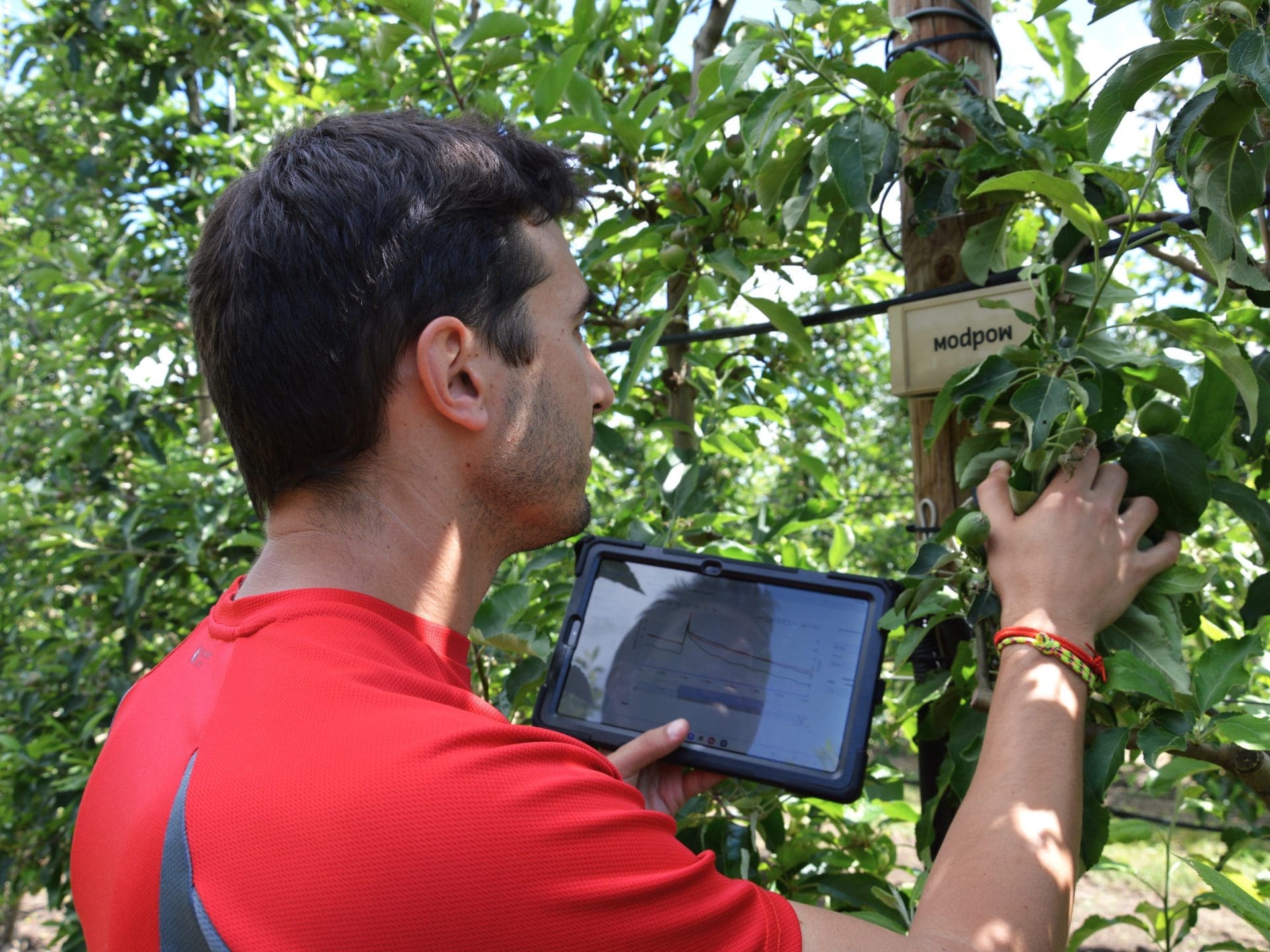
To contribute to its full potential, IRTA is promoting the creation of DIGITAL AGROLABS with the creation of spaces for testing and experimenting with new digital technologies, the development of digital twins for agriculture, livestock and the food industry, and a Data and Services Platform.
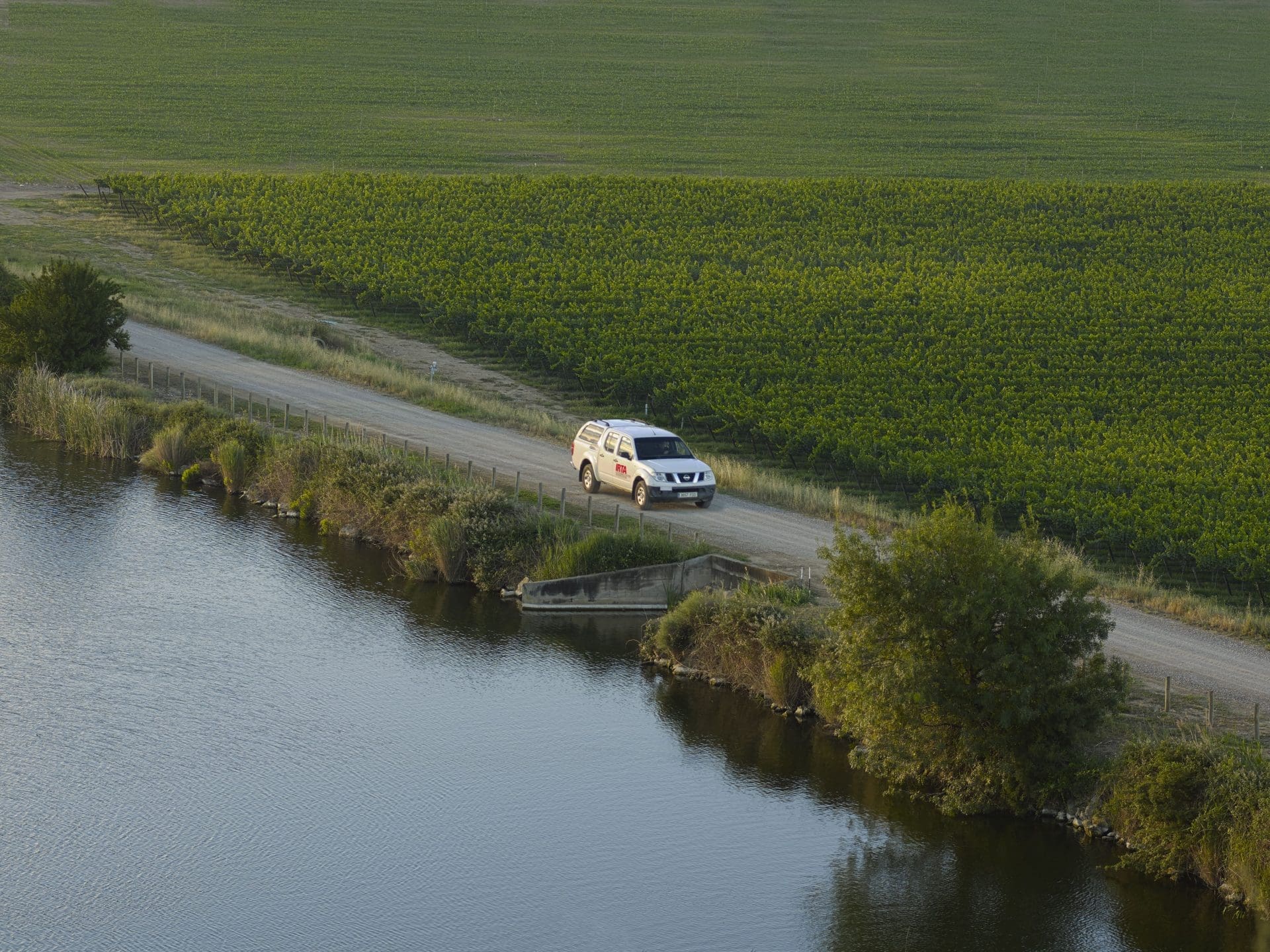
2. Optimising water management for agricultural uses
Our objective is to optimise water management for agricultural uses, aware of its importance as a scarce resource.
Over the last 30 years, we have led various initiatives to improve water efficiency and will continue to drive innovations that enable comprehensive and more sustainable management.
We work to advise irrigation communities and develop platforms that facilitate the monitoring of water needs, with a view to a more efficient and responsible future in the agricultural sector.
3. Improving carbon sequestration and soil health
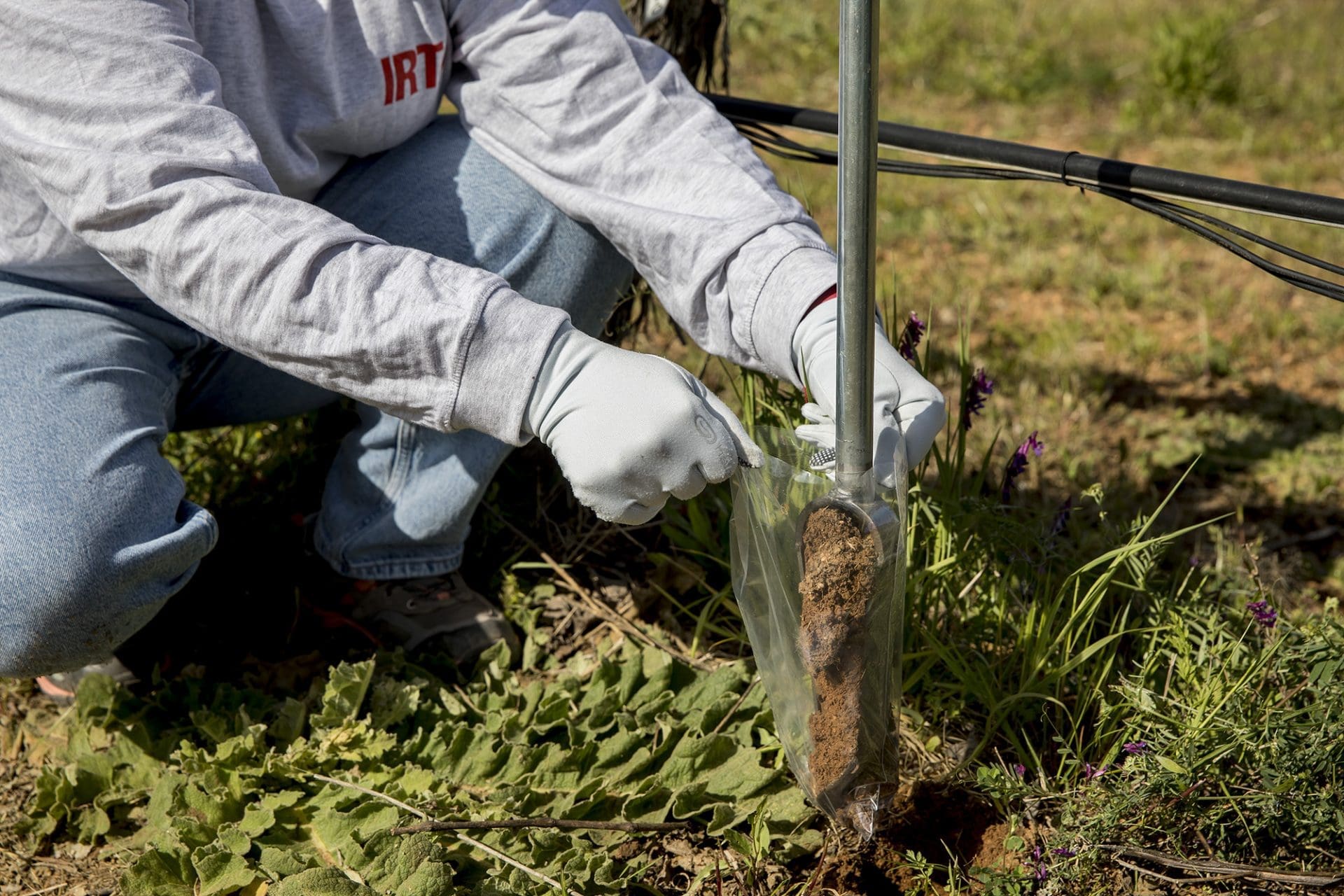
At IRTA, we work to improve soil health and promote carbon sequestration, recognising its fundamental role in environmental sustainability and the fight against climate change.
This improvement benefits biodiversity and contributes to the resilience of agricultural ecosystems and the production of quality food. We want to promote practices that encourage more responsible use of resources.
4. Promoting the bioeconomy by valorising organic waste and agri-food by-products
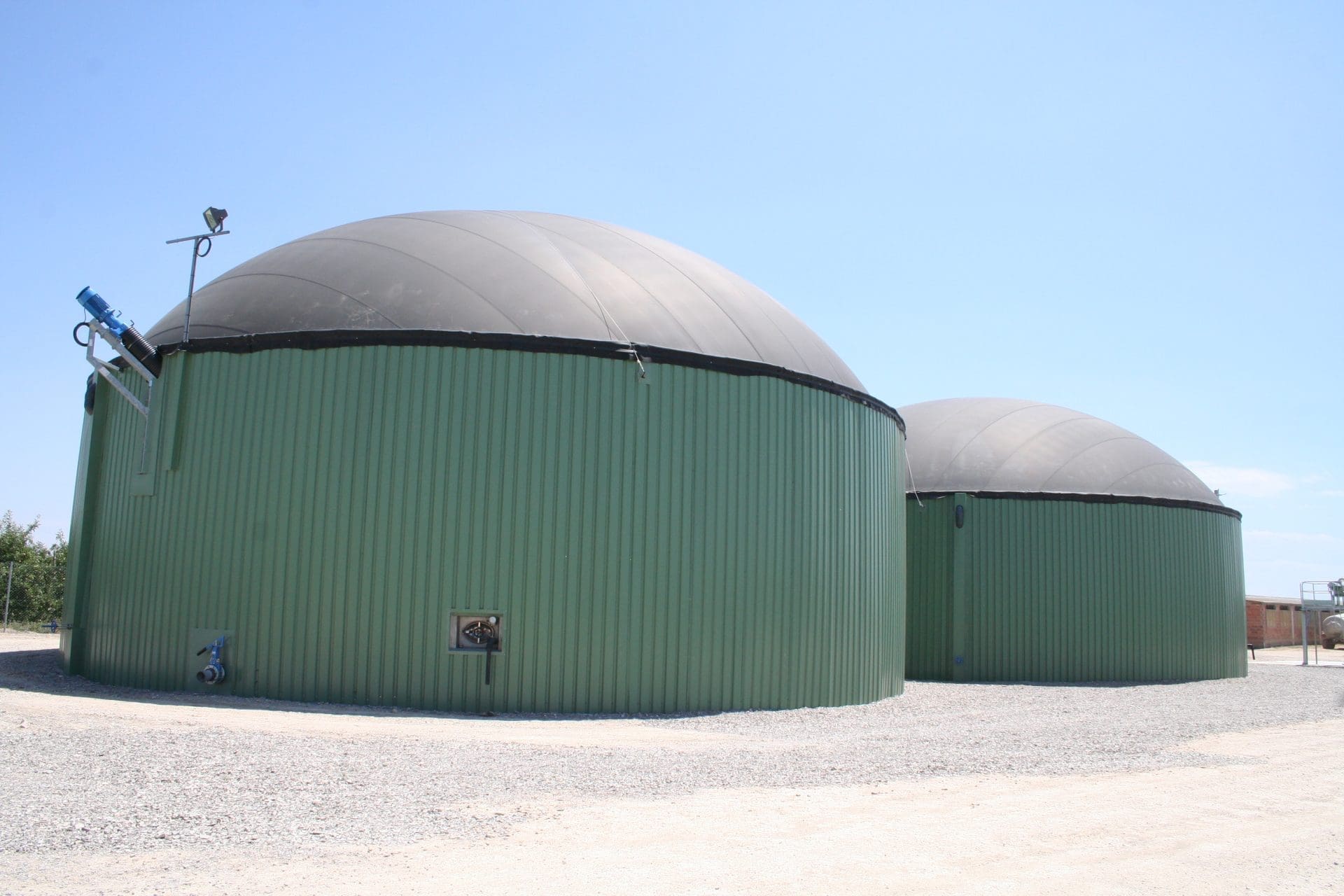
At IRTA, we are committed to transforming these resources into sustainable solutions that not only reduce environmental impact but also generate added value for the agri-food sector.
Through innovation and the use of advanced technologies, we contribute to a more circular and efficient system, where waste is converted into raw materials for new products and services.
5. Boosting the alternative protein sector
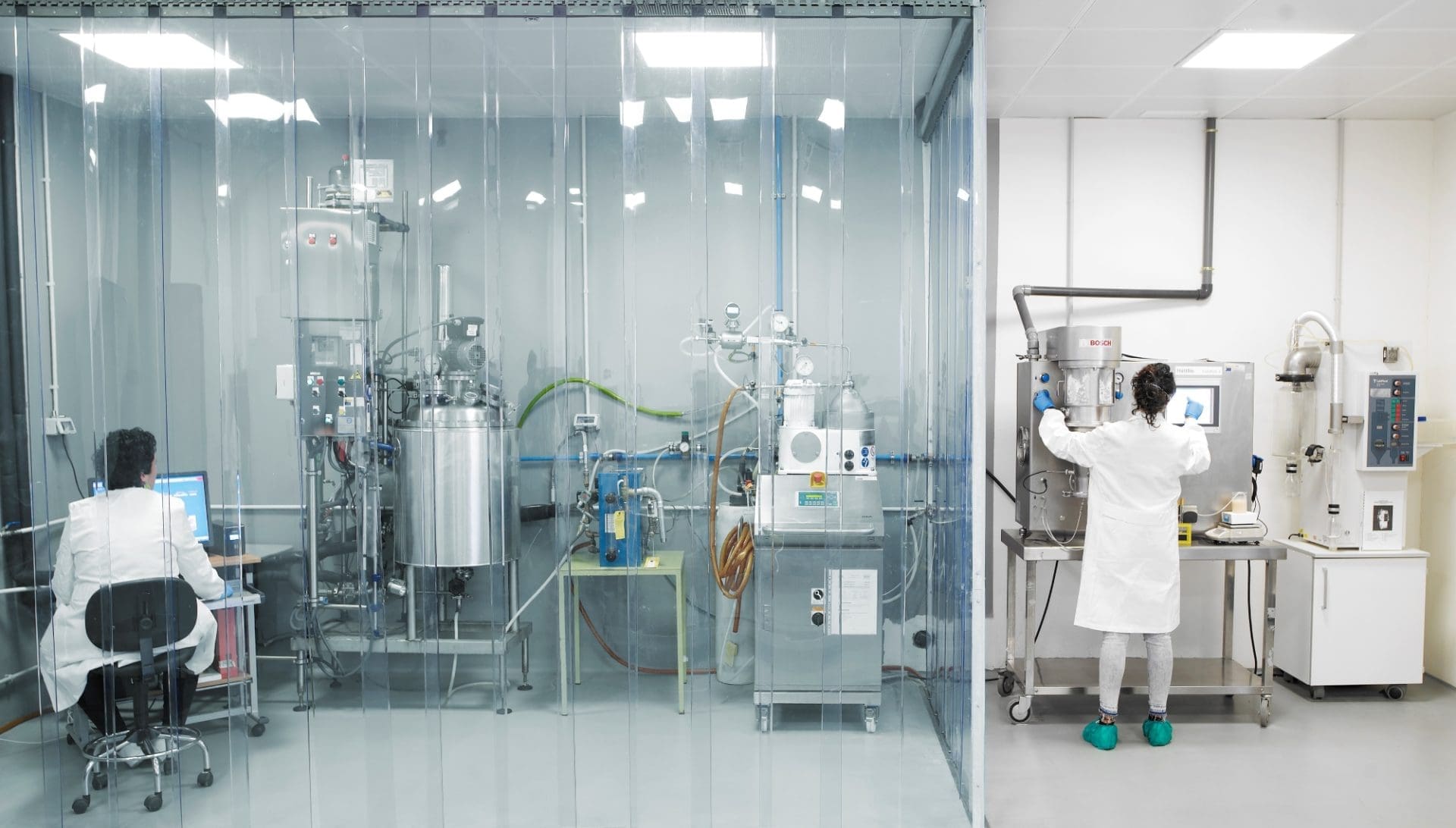
We are driving forward the alternative protein sector, aligning ourselves with the European Union’s strategy for protein transition, which seeks to improve the sustainability of the food system and health.
With a legal framework established for insect, plant and microalgae proteins, as well as the interest of the Department of Agriculture, Livestock, Fisheries and Food in developing these alternatives, we are promoting innovation in protein ingredients and biorefinery processes, creating a more sustainable and competitive future.
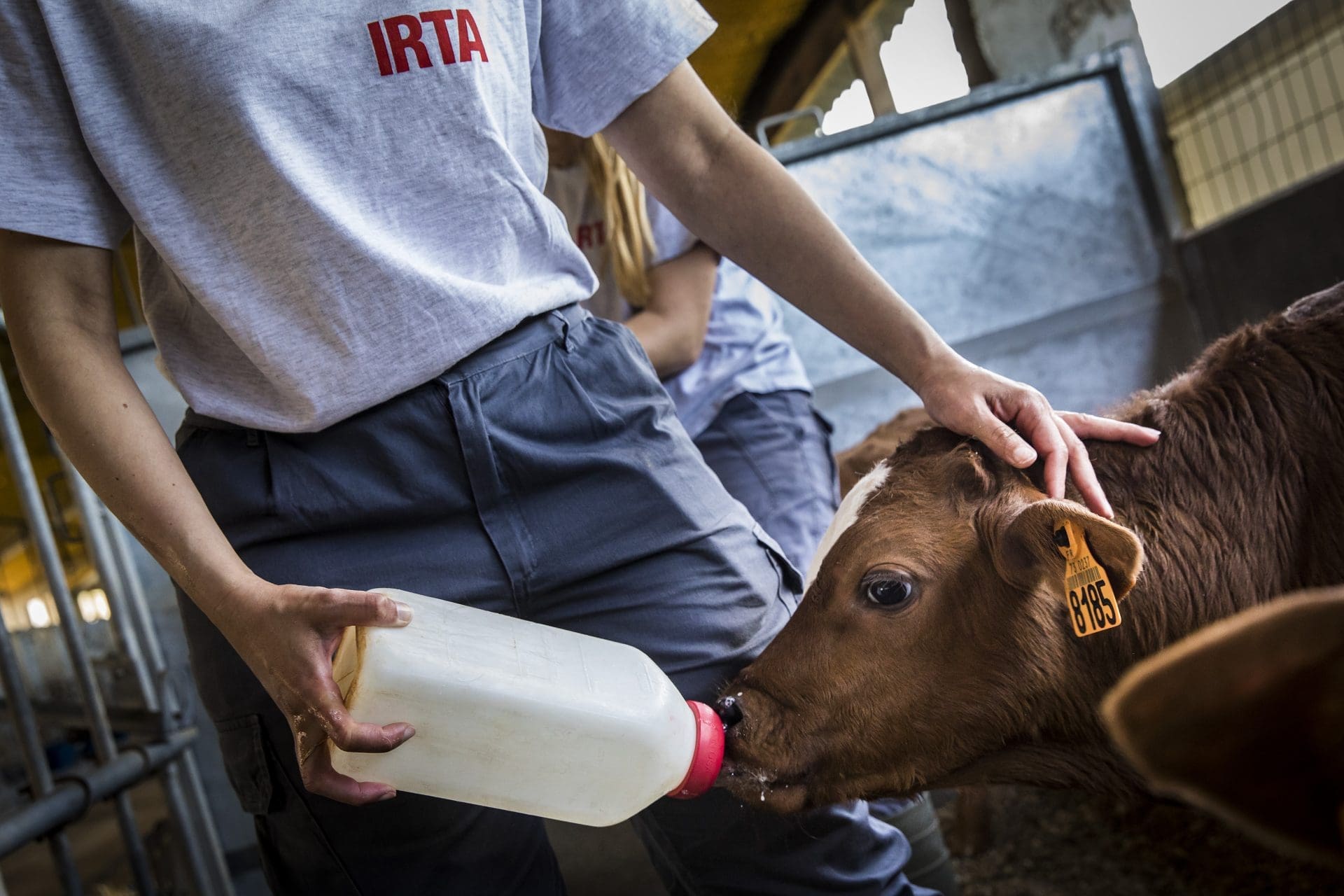
6. Ensuring animal health and welfare in the context of antibiotic reduction
We are ensuring animal health and welfare in a context of antibiotic reduction, following European policies that set clear targets for this reduction. We focus on animal welfare by seeking effective solutions to address current challenges.
7. Strengthening resilience to emerging biological risks
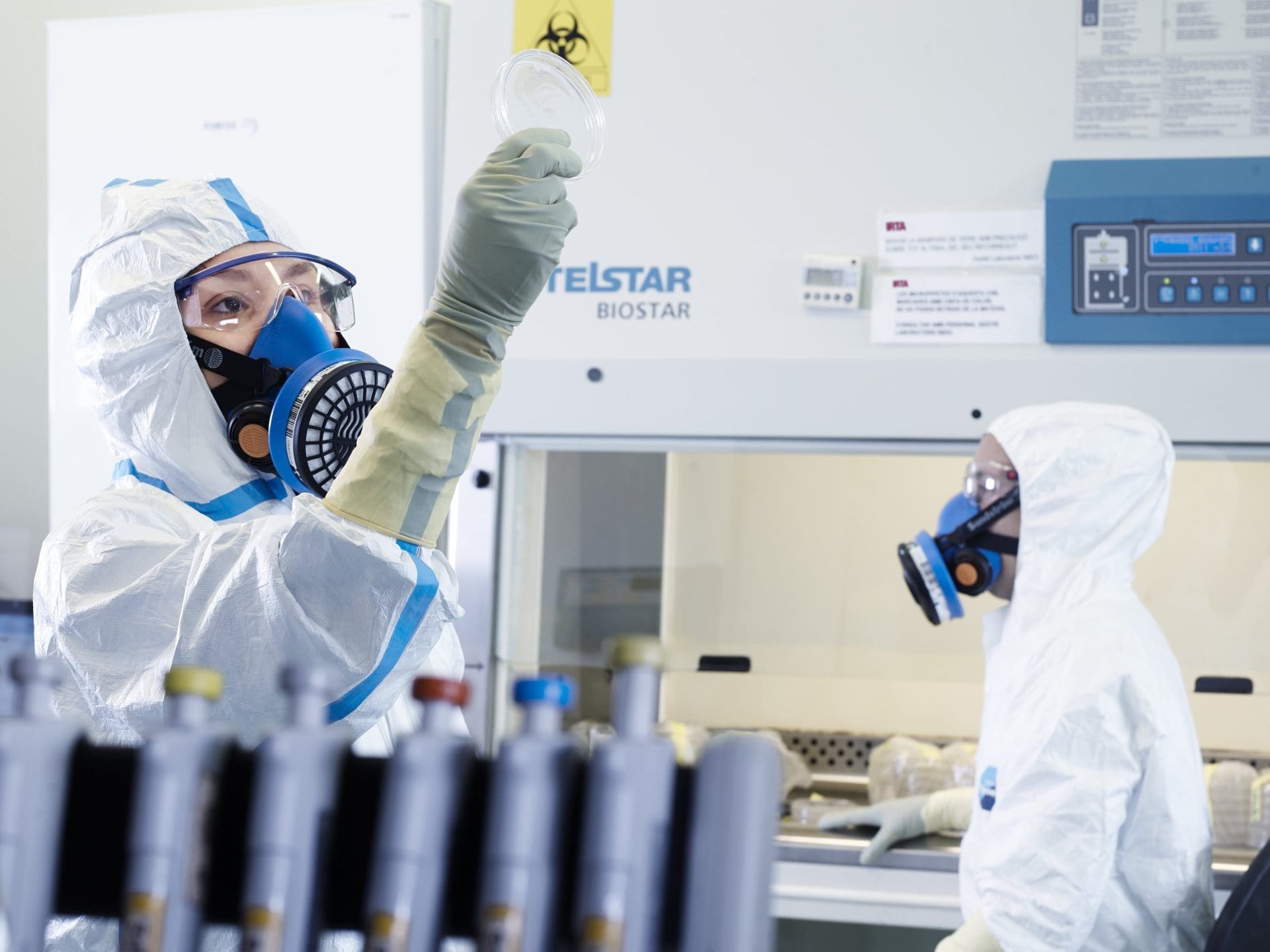
We are working to address emerging biological risks through close collaboration with the Department of Agriculture, Livestock, Fisheries and Food.
With solid experience in animal health and food safety, we are expanding our activities to include soil and plant health.
8. Promoting research in viticulture in the face of new challenges facing the sector
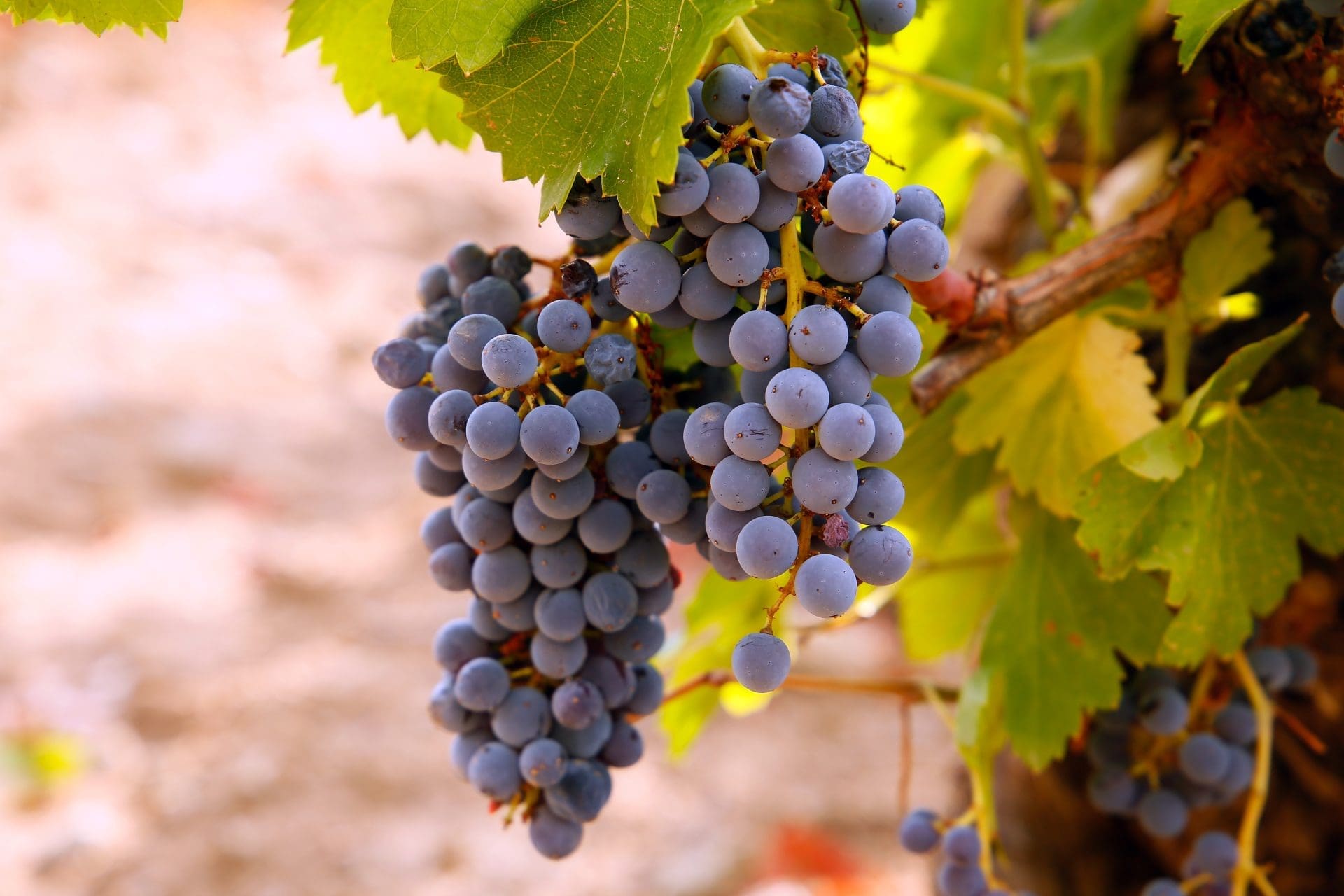
The wine sector is fundamental to Catalonia, but it is currently affected by a lack of specific research into viticulture and an insufficient understanding of the effects of climate change.
At IRTA, we have expertise in agronomy, pathology, water management and plant material, and we are committed to the i4Vi Alliance to increase our research in viticulture.
Challenge 2: People

At IRTA, we care for our team and are committed to their professional growth. We know that employee experience is key to attracting and retaining new talent, which is why we strive to create a satisfying and enriching work environment.
We are committed to continuous improvement, offering tailored training and creating opportunities for professional development. We also value internal communication and effective, conscious leadership to ensure that our team feels motivated and committed, thereby guaranteeing long-term talent retention.
Challenge 3: Innovation

We are a leading institution in the field of technology and innovation; we develop technology to address the challenges facing the agri-food sector. We transfer technology and knowledge to companies and support them in their development with the aim of improving their competitiveness under sustainability criteria.
Innovation is a fundamental pillar for IRTA; we generate new products and services through innovation projects, promoting open and collaborative innovation with different agents. We explore and adapt new relational models and models for exploiting research results in conjunction with companies, in order to adapt to their needs, which allows us to have a positive impact on the sector.
Our experience and knowledge enable us to train and advise, offering theoretical and practical courses to provide valuable learning in response to the growing demand for specialised training.
Challenge 4: Partnerships

Our ability to interact with the scientific community, the business world and public administrations is essential for creating strategic alliances and closer collaboration.
We are exploring new collaborations that will enable us to grow and innovate, as well as opening up further in Europe to maximise opportunities in European calls for proposals and strengthen our impact in the sector.
Challenge 5: Society

At IRTA, we have the capacity to generate impactful content in coordination with the Department of Agriculture, Livestock, Fisheries and Food, aimed at society and the agri-food sector. Initiatives such as Research Night and Women and Girls in Science Day are examples of this.
In addition, there is growing interest in food issues, where our experts position us as scientific leaders. We aspire to craft messages that not only convey technical results, but also connect with the interests and concerns of society.
Do you want to discover all the details of the IRTA Strategic Plan?

