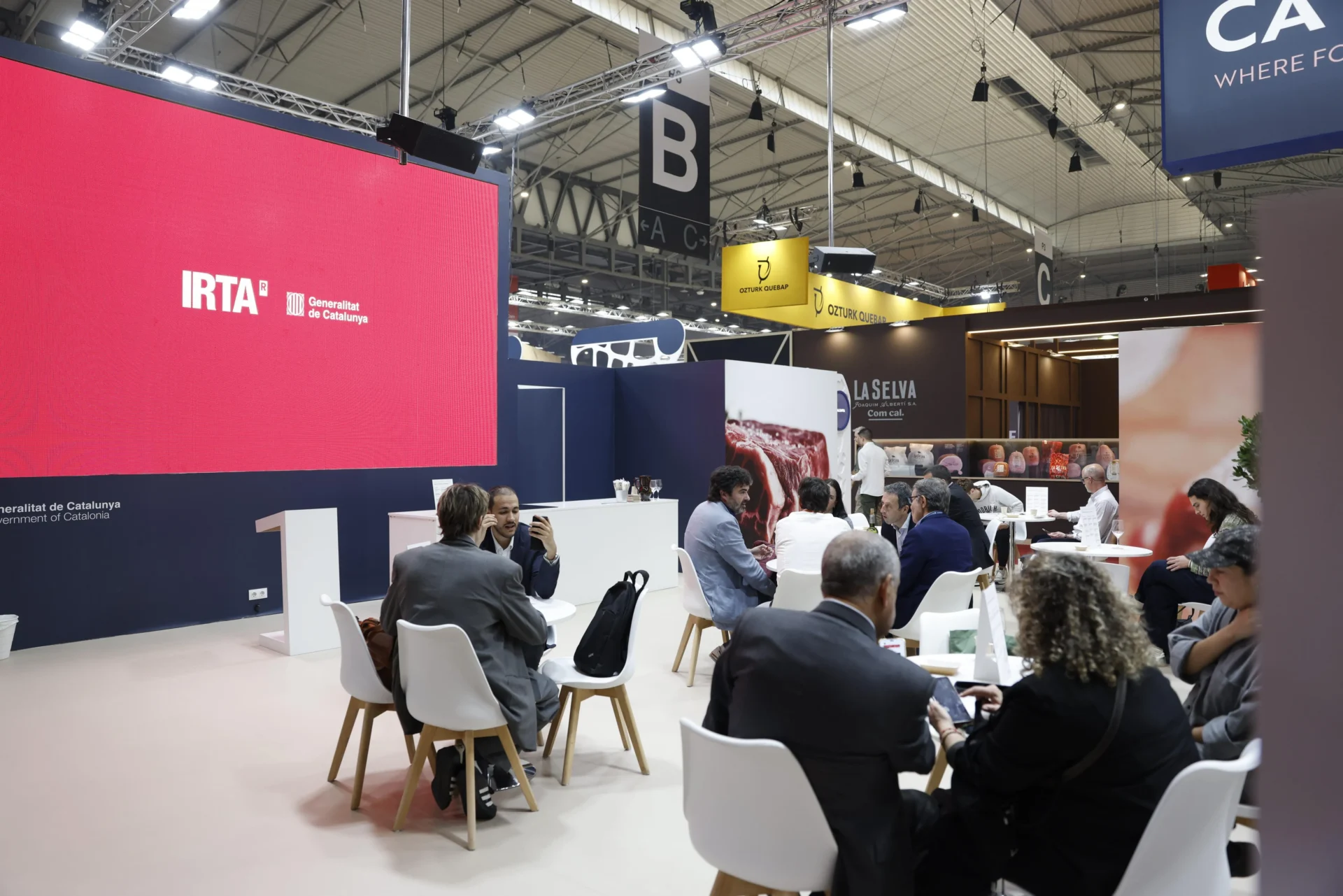
As part of the Alimentaria exhibition, IRTA has organised a round-table discussion with representatives from leading companies in the sector
The convergence of various outbreaks of animal diseases over recent months in Catalonia has shown how important partnerships are for the sector in the areas of biosecurity and innovation
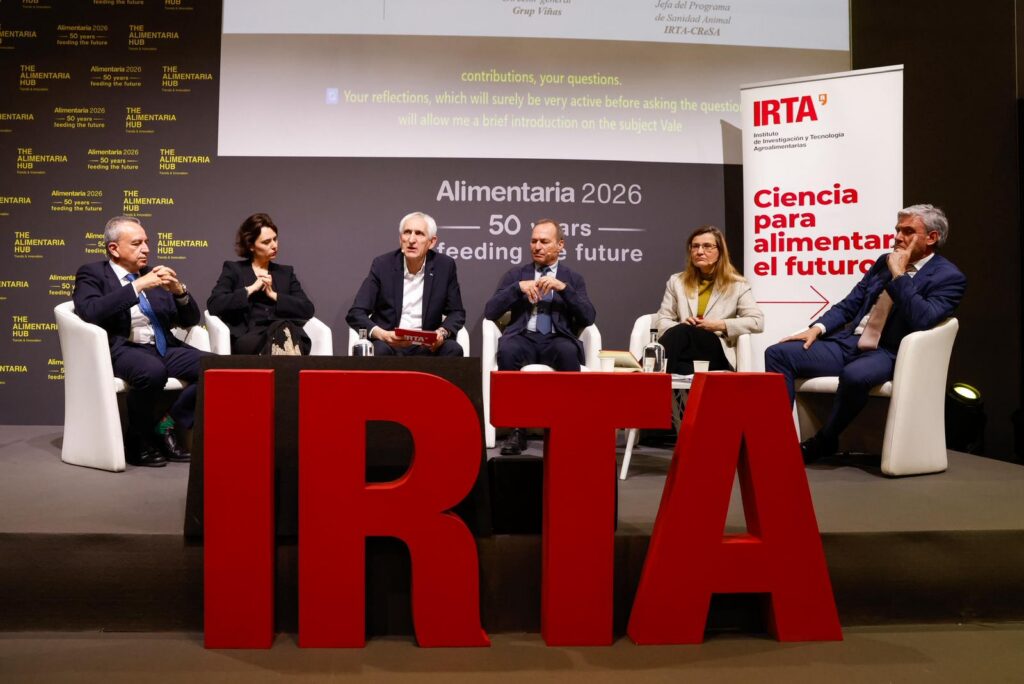
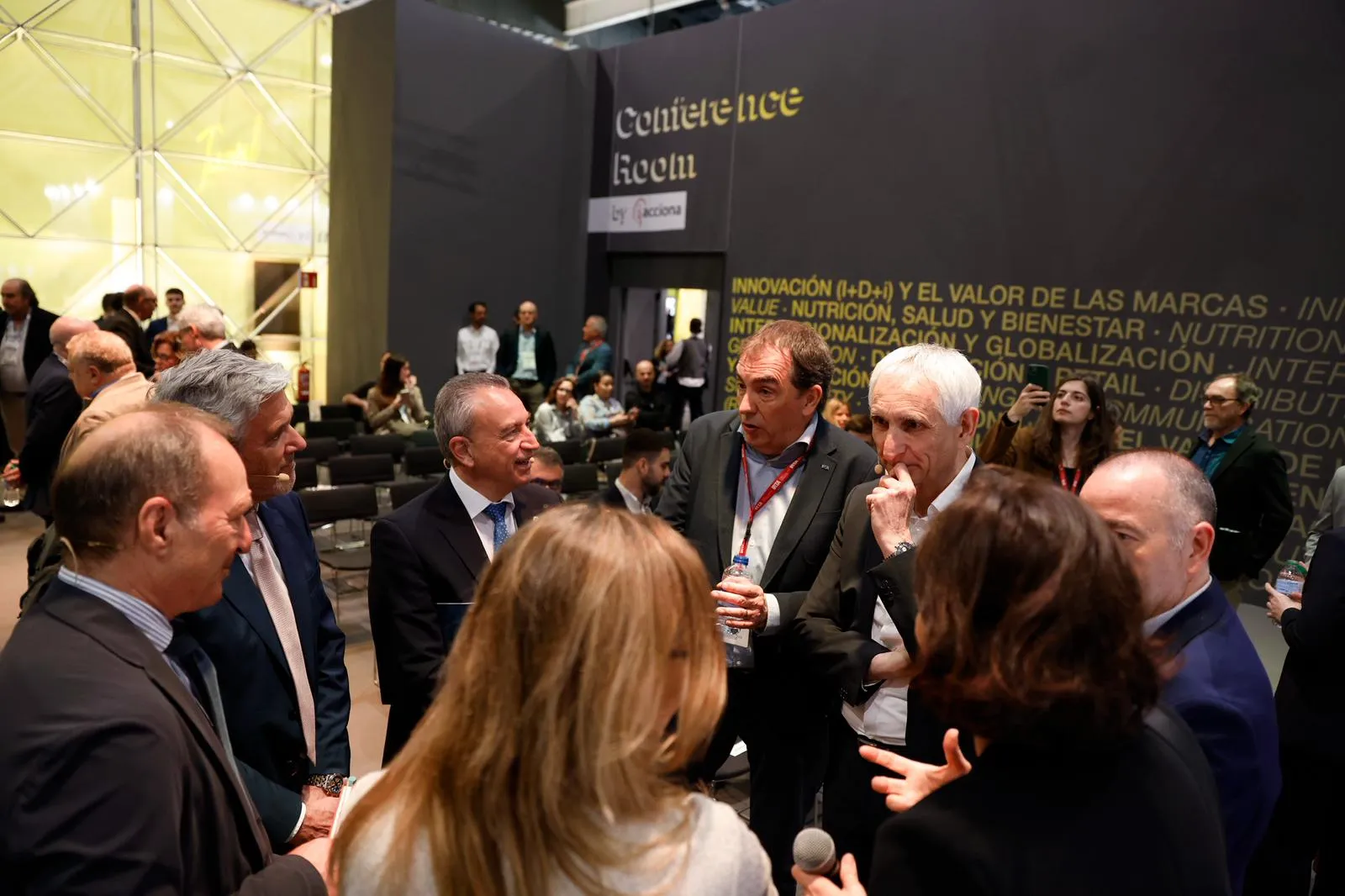
The meat industry and the animal health research sector today discussed the challenges and solutions needed to tackle an increasingly demanding health context, at a round-table discussion organised by IRTA as part of the Alimentaria exhibition.
Under the title “The cost of animal health: opportunities and threats to competitiveness”, the aim of the round table was clear: to highlight that, in the face of current animal health challenges—exacerbated by climate change, globalisation and the intensification of production over recent decades—collaboration and partnerships between producers and the scientific community are essential.
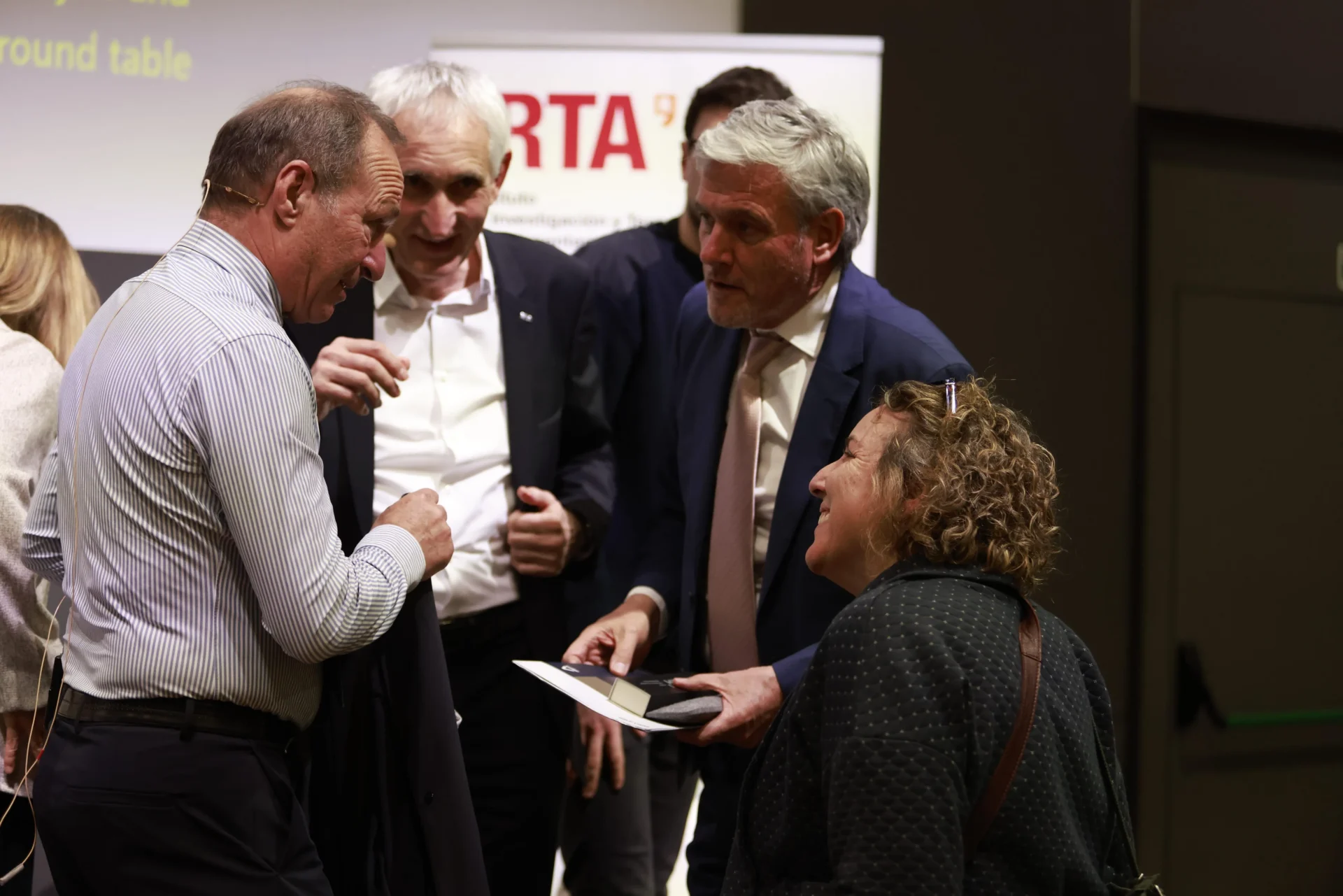
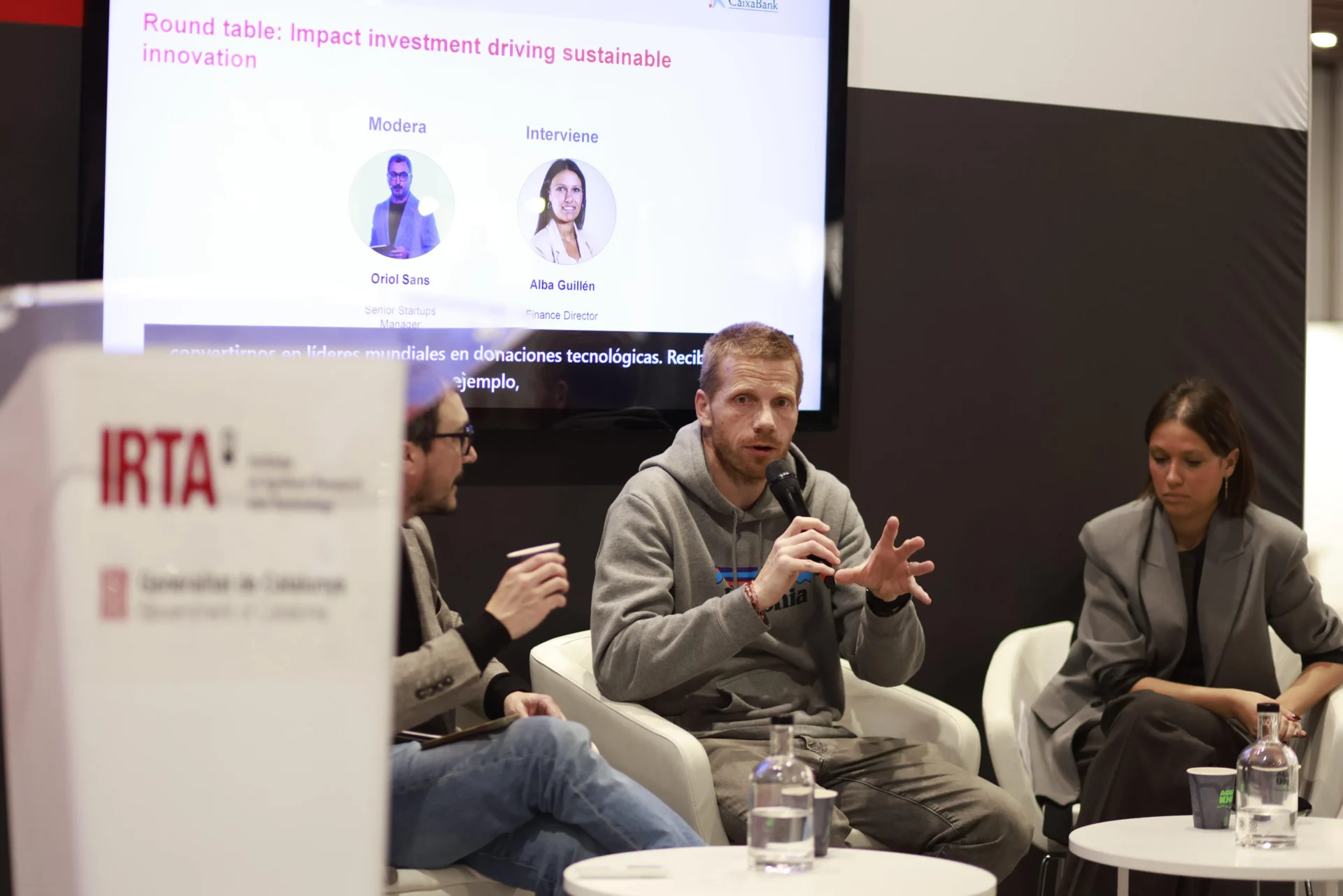
The event, chaired by the Chief Executive of IRTA, Josep Usall, was attended by Josep Solé, Managing Director of the Poultry Division at the Vall Companys Group; Ramon Alsina, Chief Executive of the bonÀrea Group; Alba García, Head of Corporate R&D&I at the Costa Group; and Josep Viñas, Chief Executive of the Viñas Group.
It also included Natàlia Majó, head of the IRTA’s Animal Health Programme and a professor at the UAB, who carries out most of her scientific and innovation work at the IRTA-CReSA, one of the more than twenty sites where IRTA operates across Catalonia.
Climate change may lead to an increase in the transmission of diseases carried by insects, as well as shifts in wildlife populations. The intensification of agricultural production means that there are areas of the country with a high density of animals. And globalisation facilitates the movement of people, animals, food products, pathogens and the vectors that carry these pathogens across the globe.
All of this reinforces the concept of One Health, which means that the health of people, animals, plants and ecosystems is closely interconnected. One statistic that illustrates this is that, over the last three decades, more than thirty new human pathogens have been identified, 75% of which originated in animals.
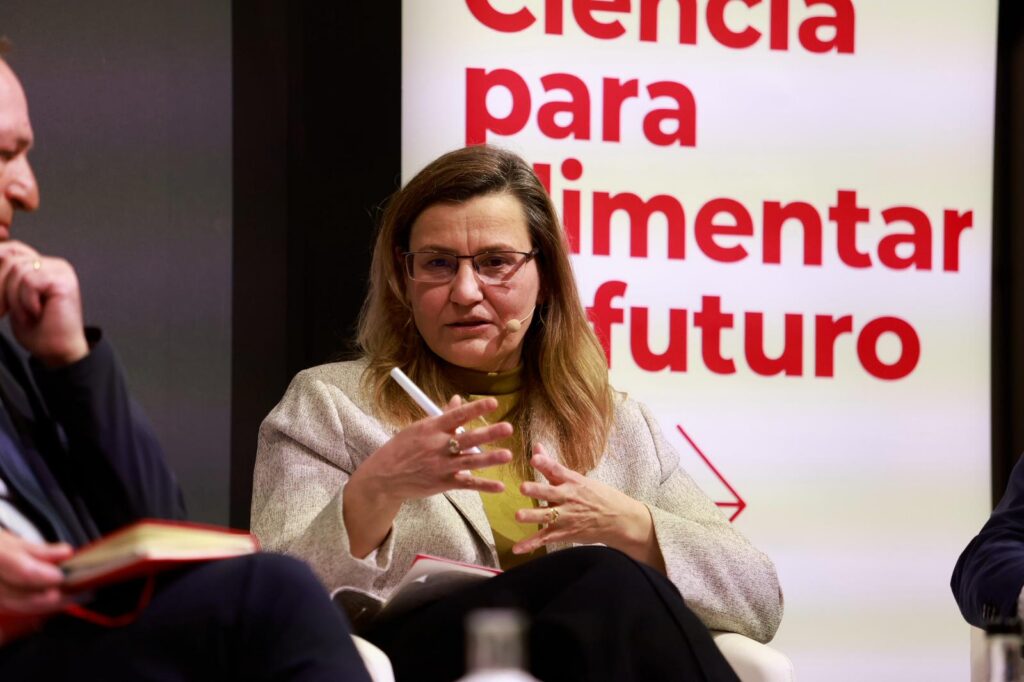
In this context, participants agreed that research and surveillance in animal health are a strategic factor for the future of the sector, with direct implications for production, international trade and consumer confidence.
In this context, Josep Solé, of the Vall Companys Group, pointed out that “this meeting has gone beyond the technical level, and this shows that there is a growing awareness within the sector that animal health is a factor that is very much present and must be taken into account.”
The participating companies have highlighted the efforts made to adapt to this new situation, including measures such as strengthening biosecurity, improving control and traceability systems, and enhancing strategic planning in the event of potential health crises.
As Alba García pointed out, everyone present agreed that “the key word is biosecurity. Biosecurity is cost-effective; beyond mere compliance with regulations, it is a driver of competitiveness”.
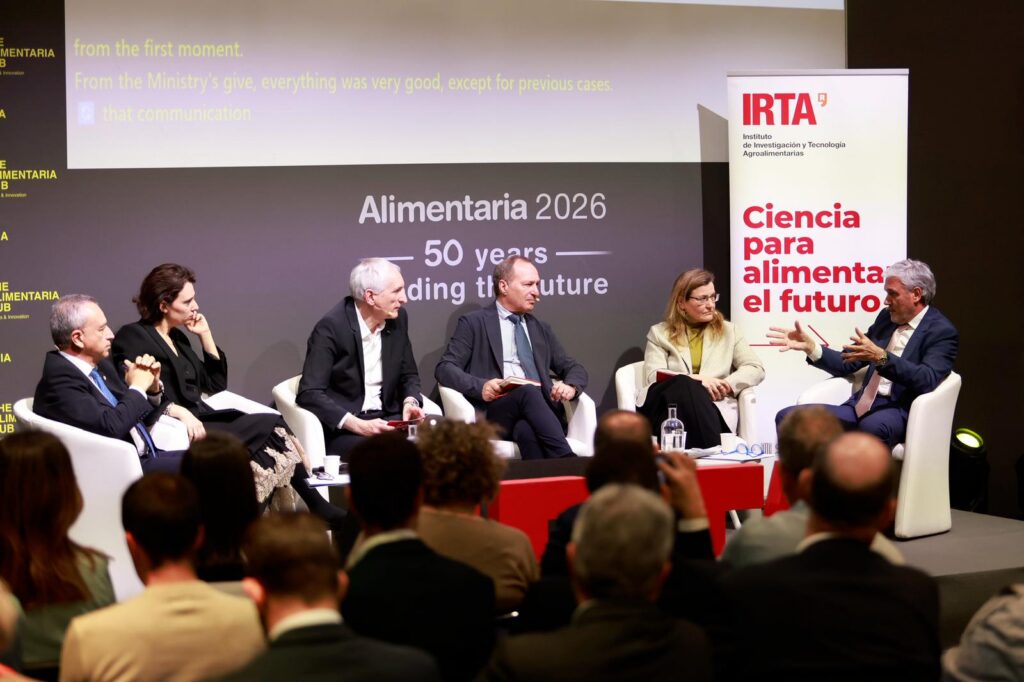
In the same way, Ramon Alsina explained that “hygiene, prevention, training and cooperation between public authorities are essential”. He also highlighted the importance of responding swiftly to such situations, as well as cooperation between businesses. “All of this leads to greater consumer confidence,” he said.
Similarly, the importance of maintaining market confidence has been emphasised, particularly at international level, where health and safety requirements are becoming increasingly stringent.
From a scientific perspective, the conference highlighted the vital role of research in anticipating risks and developing effective solutions, such as maintaining surveillance systems, continuing research into vaccines, and supporting the sector with tools and insights into how solutions have been found in neighbouring countries.
Indeed, over the past few months, IRTA-CReSA has chaired the scientific committee on contagious nodular dermatosis, analysed and processed more than 2,500 wild boar samples to test for African swine fever as part of the Catalan Government’s surveillance programme, and has continued to work on research into new diagnostic tools and vaccines. IRTA-CReSA has a permanent staff of over 150 professionals working across twelve lines of research in animal health.
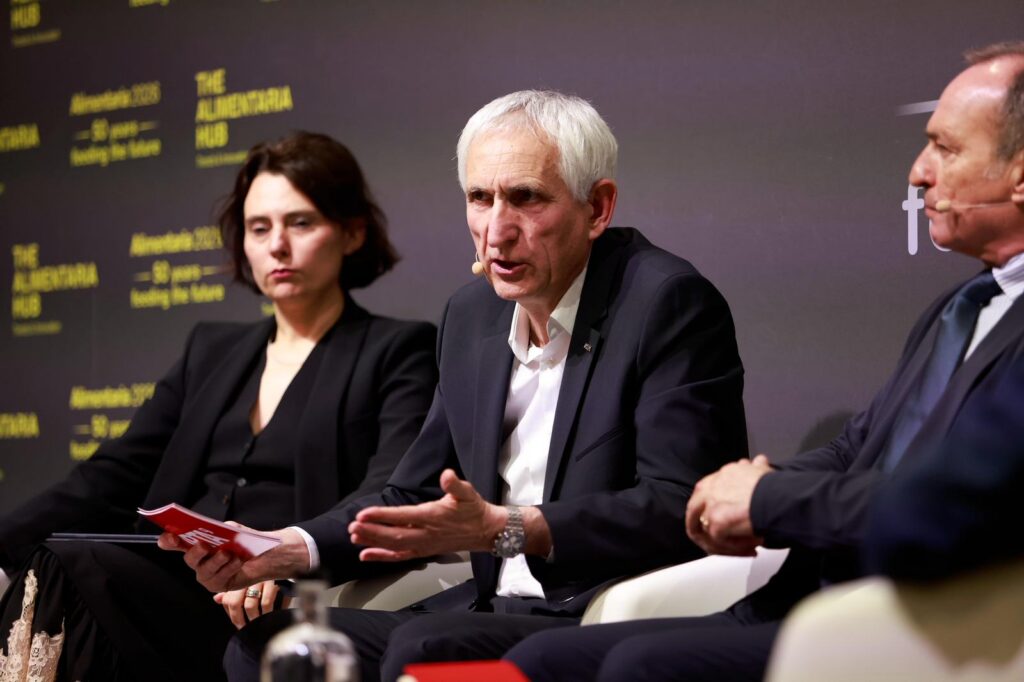
“It is essential that the country has high-level biosafety facilities such as IRTA-CReSA, which are indispensable for working with certain pathogens. And the scientific knowledge that this generates is also vital in supporting the sector and the government in facing these new health challenges,” said Natàlia Majó.
In this regard, IRTA has reaffirmed its commitment to the sector to continue generating applied and transferable knowledge aimed at improving the prevention and management of animal diseases. Indeed, with the expansion of IRTA-CReSA, which is already underway, it is anticipated that both the volume of research and collaborations with other organisations and centres will increase significantly, leading to more research in all these areas.
One of the main consensus points of the round table was the need to move towards a more collaborative working model between companies, research centres and the administration.
The participants agreed that the complexity of current challenges requires a coordinated response based on innovation, prevention and the sharing of knowledge.
“The current challenges in animal health cannot be tackled in isolation. It is essential to work together with the sector to make progress in prevention, innovation and knowledge transfer. At IRTA, we are committed to being a strategic partner on this journey,” said Josep Usall.
Josep Viñas added that “transparency on the part of the authorities and effective communication are vital” when dealing with this sort of situation.
The round-table discussion concluded with a call to strengthen this collaboration as a means of ensuring the sustainability, competitiveness and resilience of the meat sector in the coming years.
The event concluded with the announcement of the “Meat Forum: A Future with the Taste of Meat”, which will be held at the Girona Auditorium on 26 November.
Other meetings were also held throughout the day in various areas of the Alimentaria exhibition. This morning saw the signing of the IRTA-Banco Santander partnership agreement, under which the bank has pledged financial support for various IRTA events, such as the Mollerussa Fruit Conference, the International Symposium on Almonds and Pistachios, and the 2026 Porc d’Or Capa Blanca Awards. The agreement was signed by Josep Usall and the Director of Business and Institutions at Santander Spain, Olga Abad, in the presence of Simó Alegre, Director of Research and Innovation Development, who is responsible for the agreement.

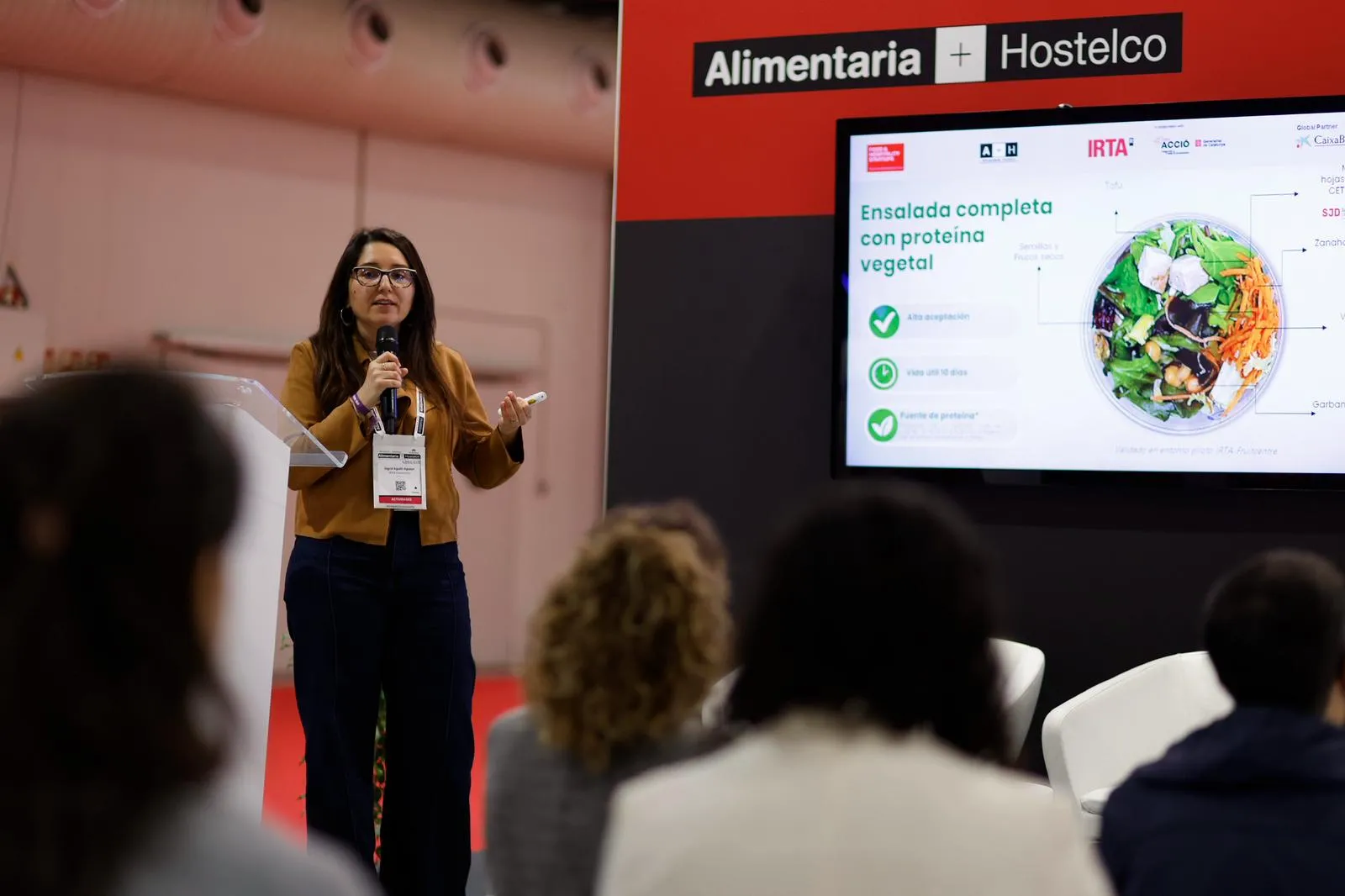
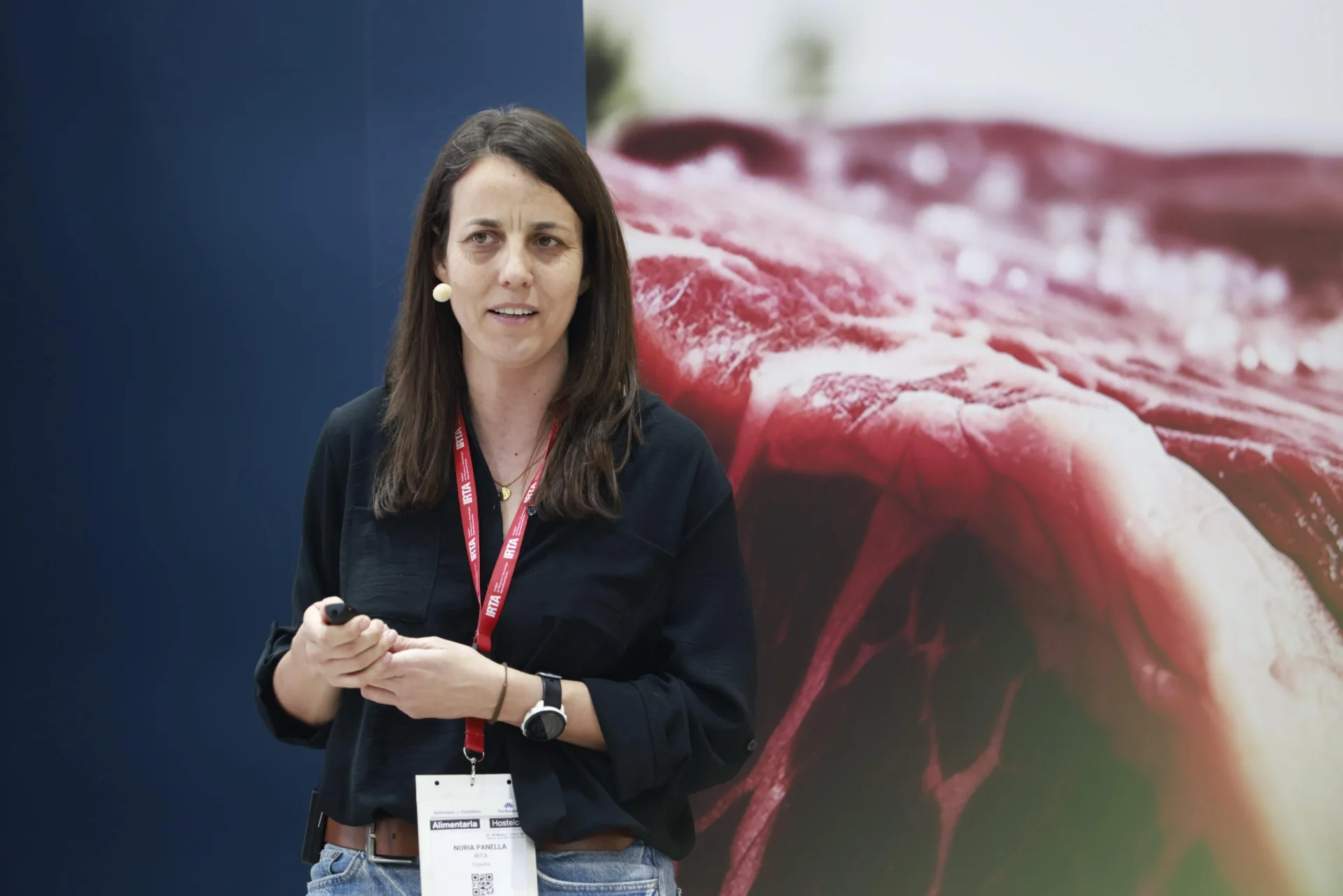
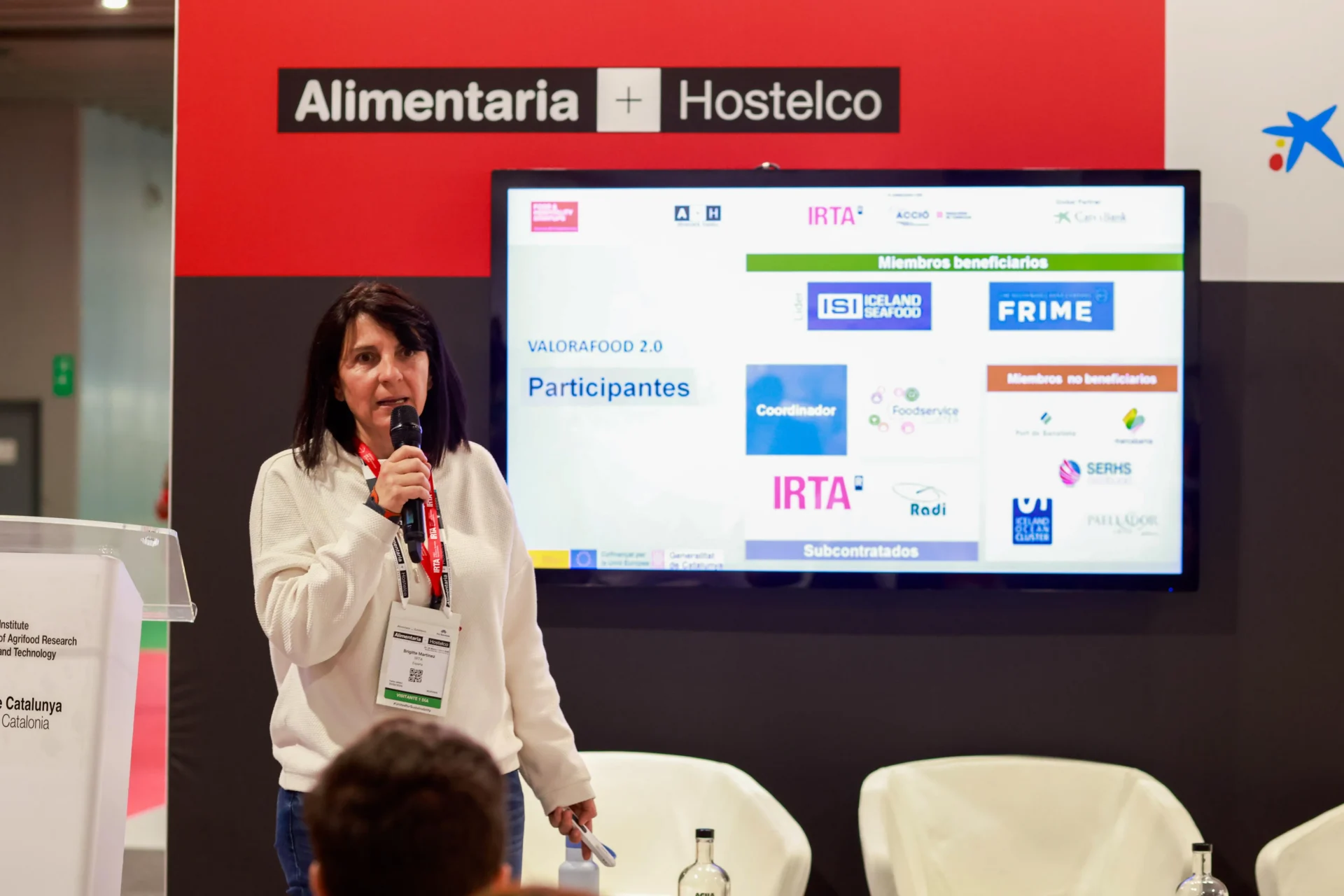
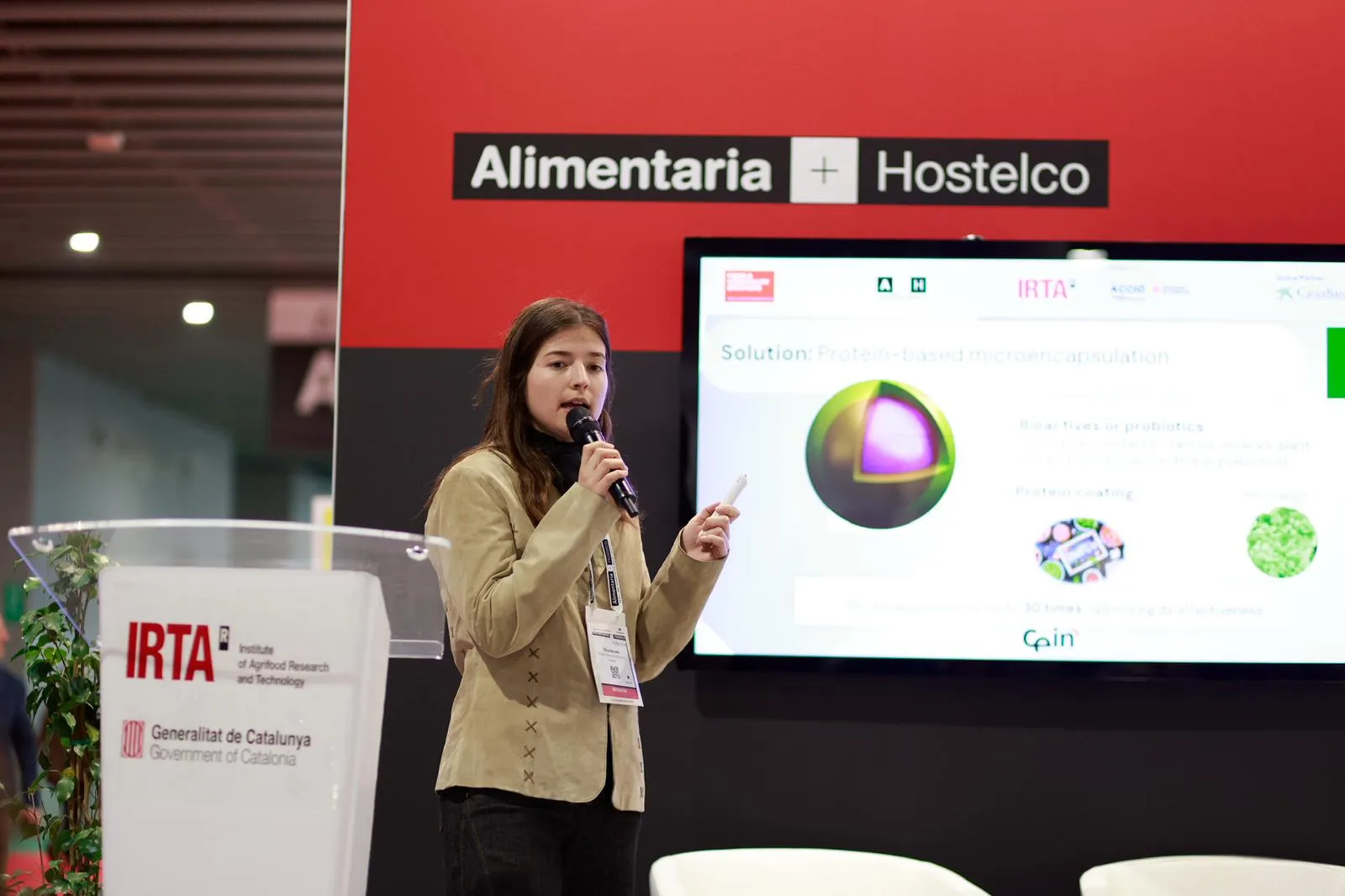
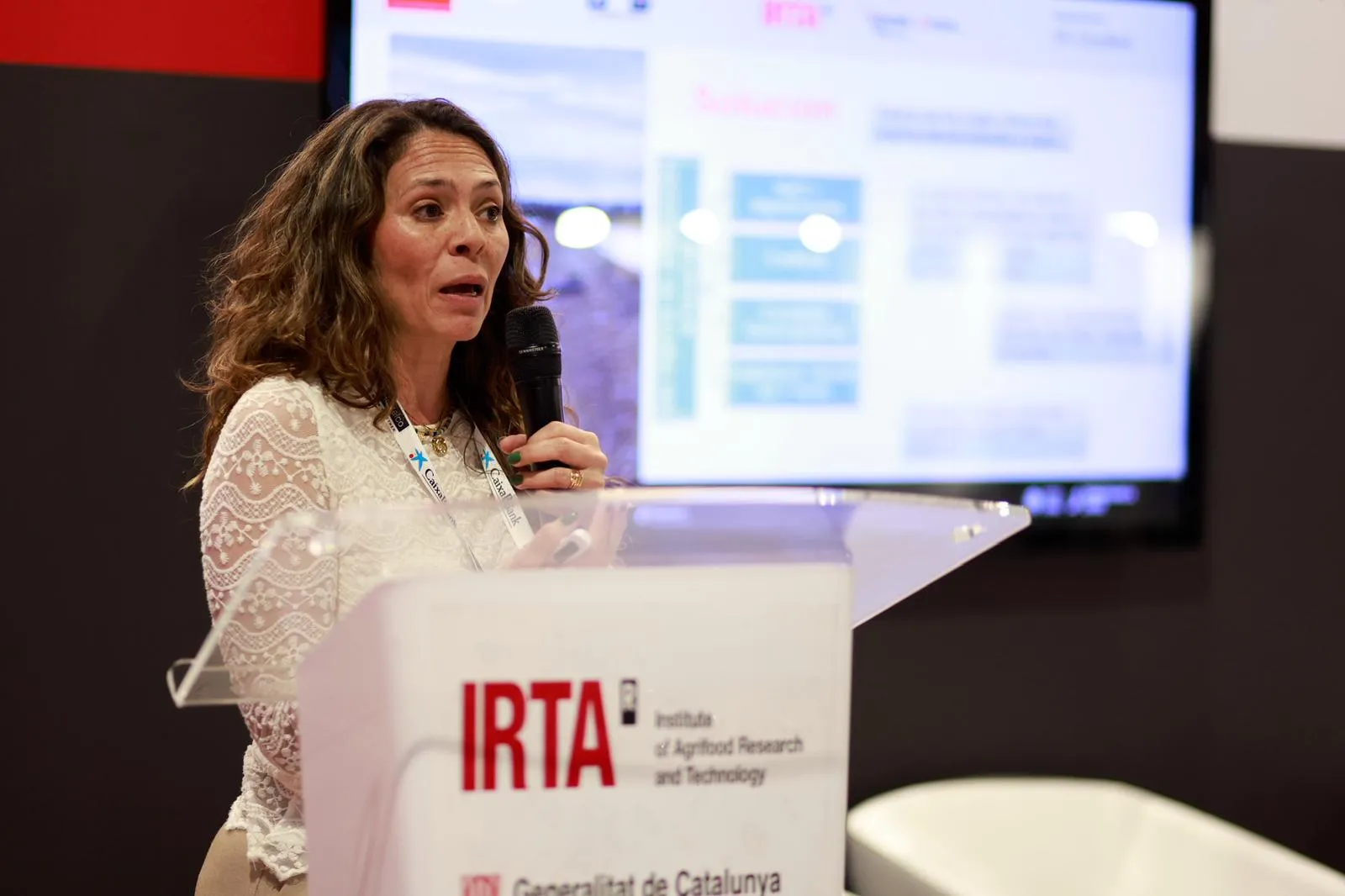
Meanwhile, IRTA researcher Ingrid Aguiló presented new plant-based foods and innovation specialist Elsa Lloret showcased new textured protein products, whilst researcher Núria Panella shared the latest developments in aged meat and specialist Brigitte Martínez presented complementary meat products.
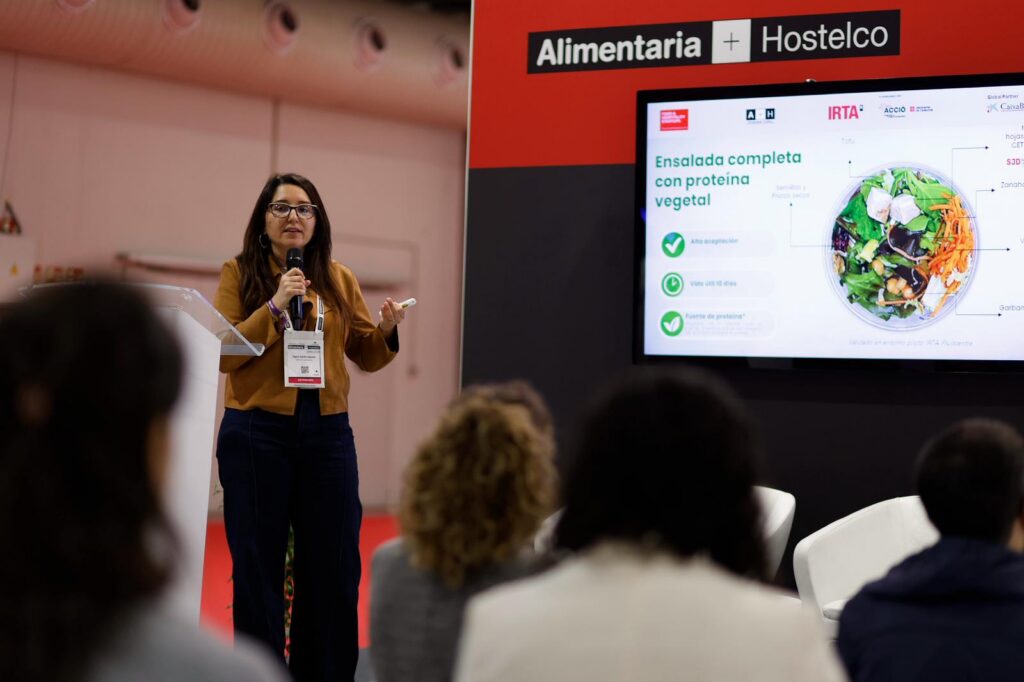
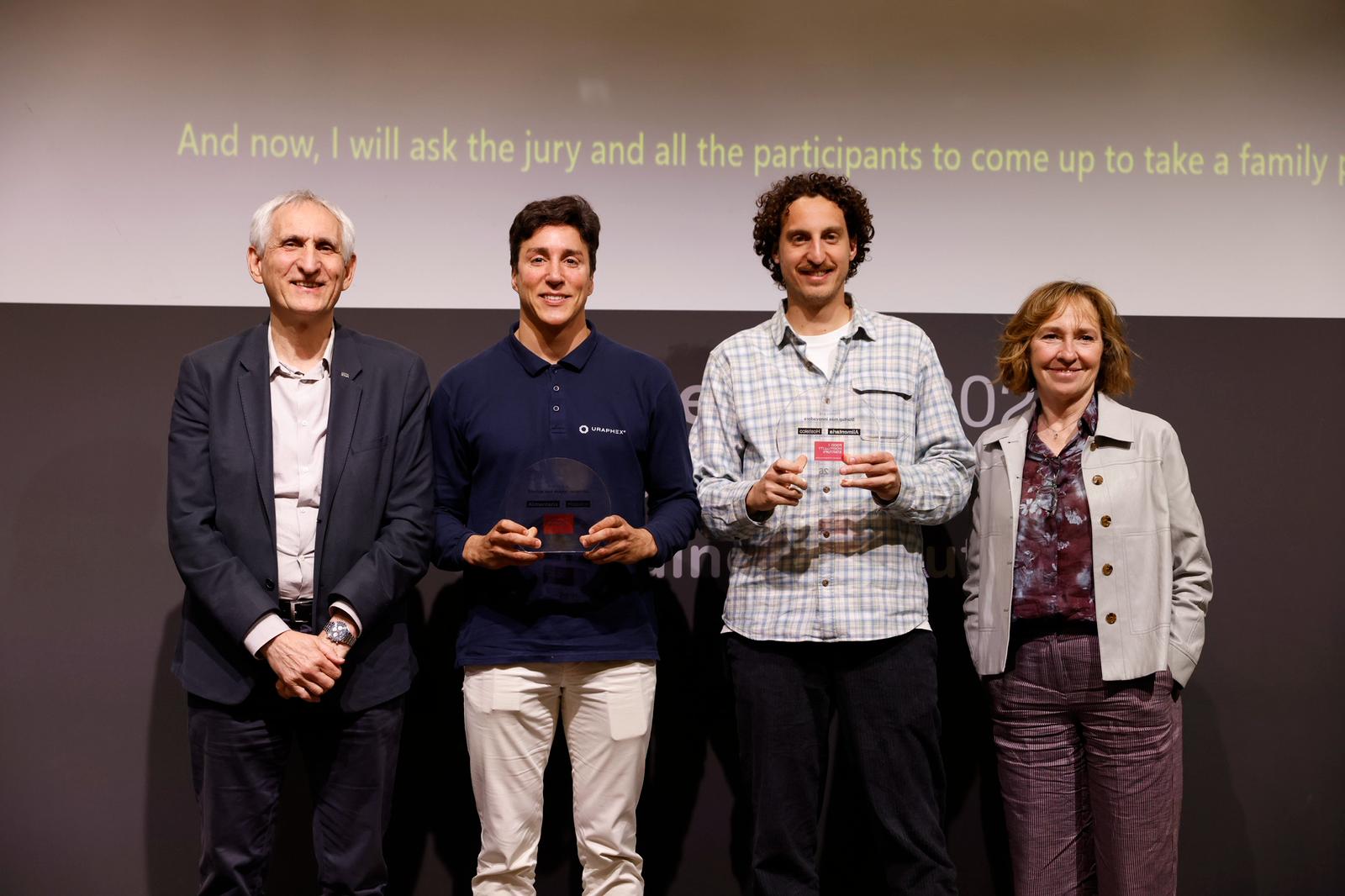
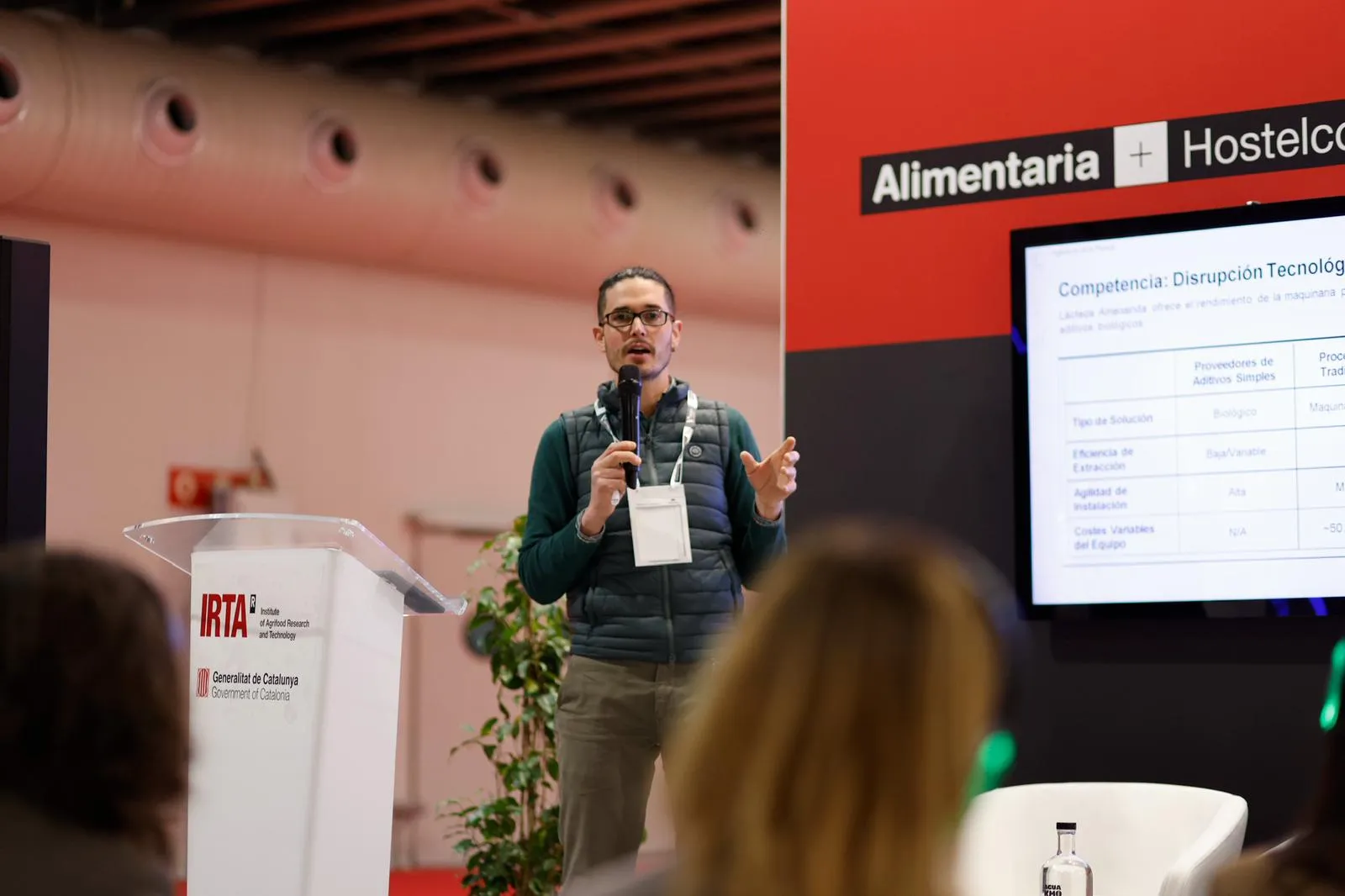
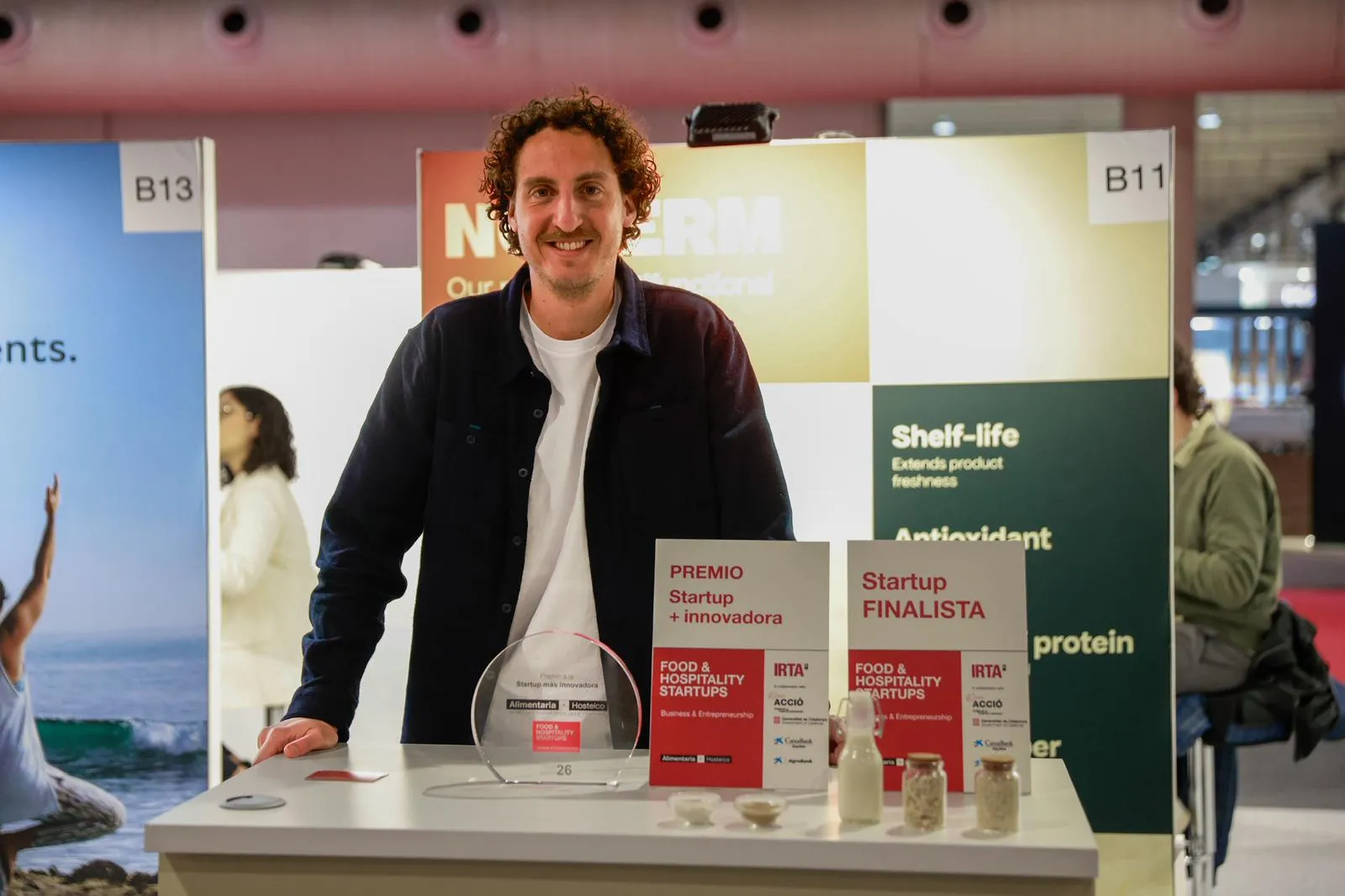
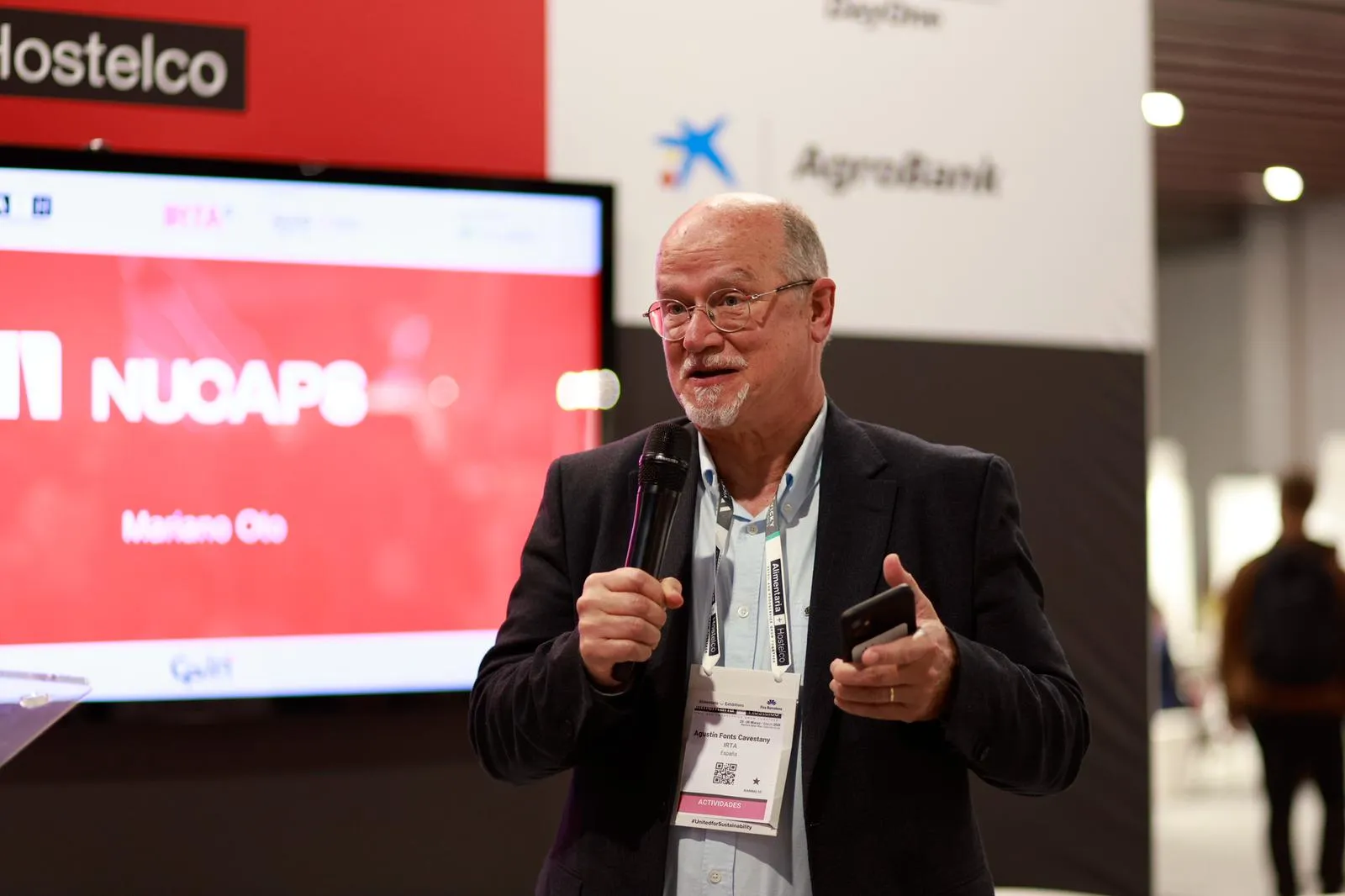
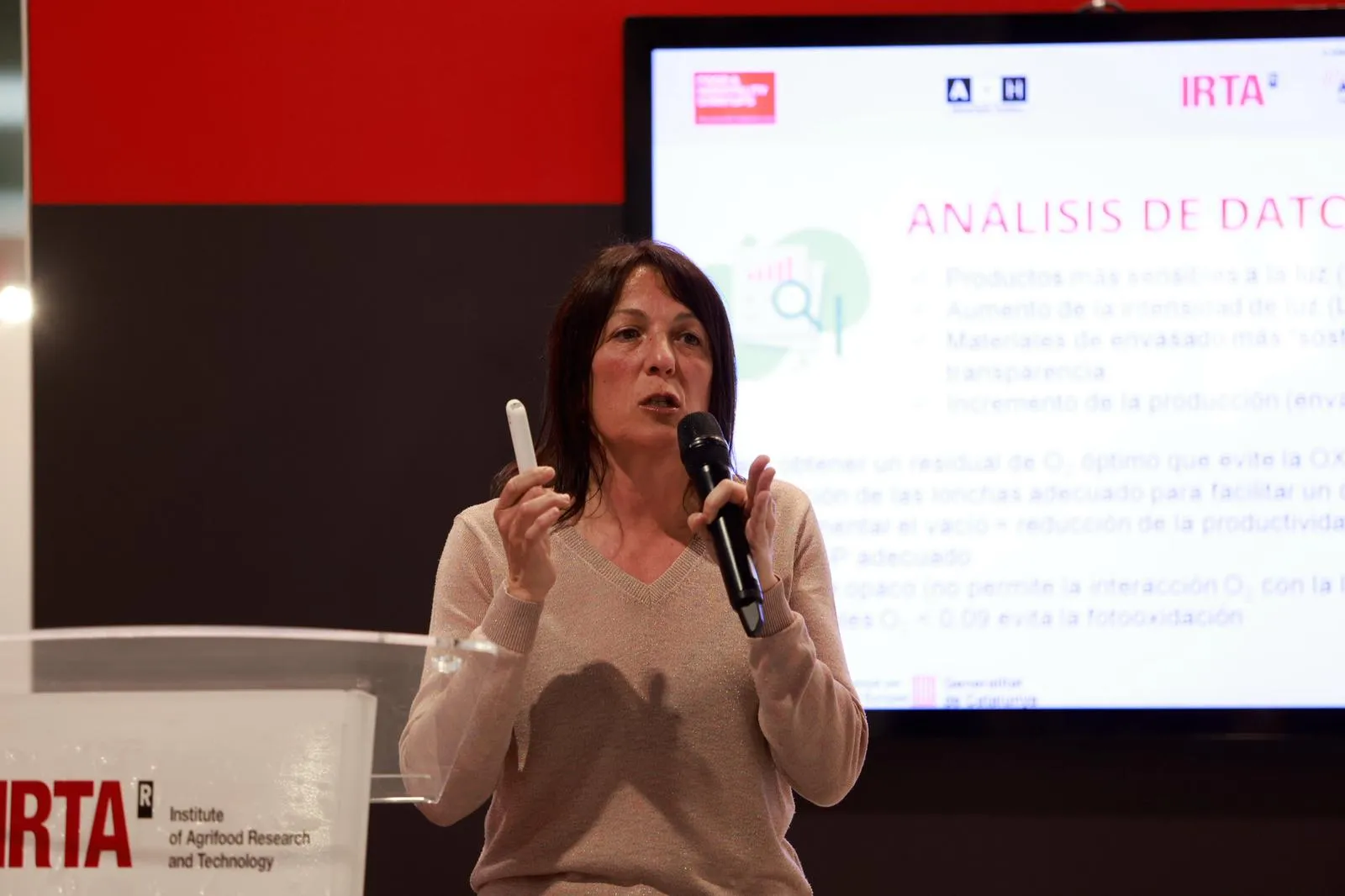
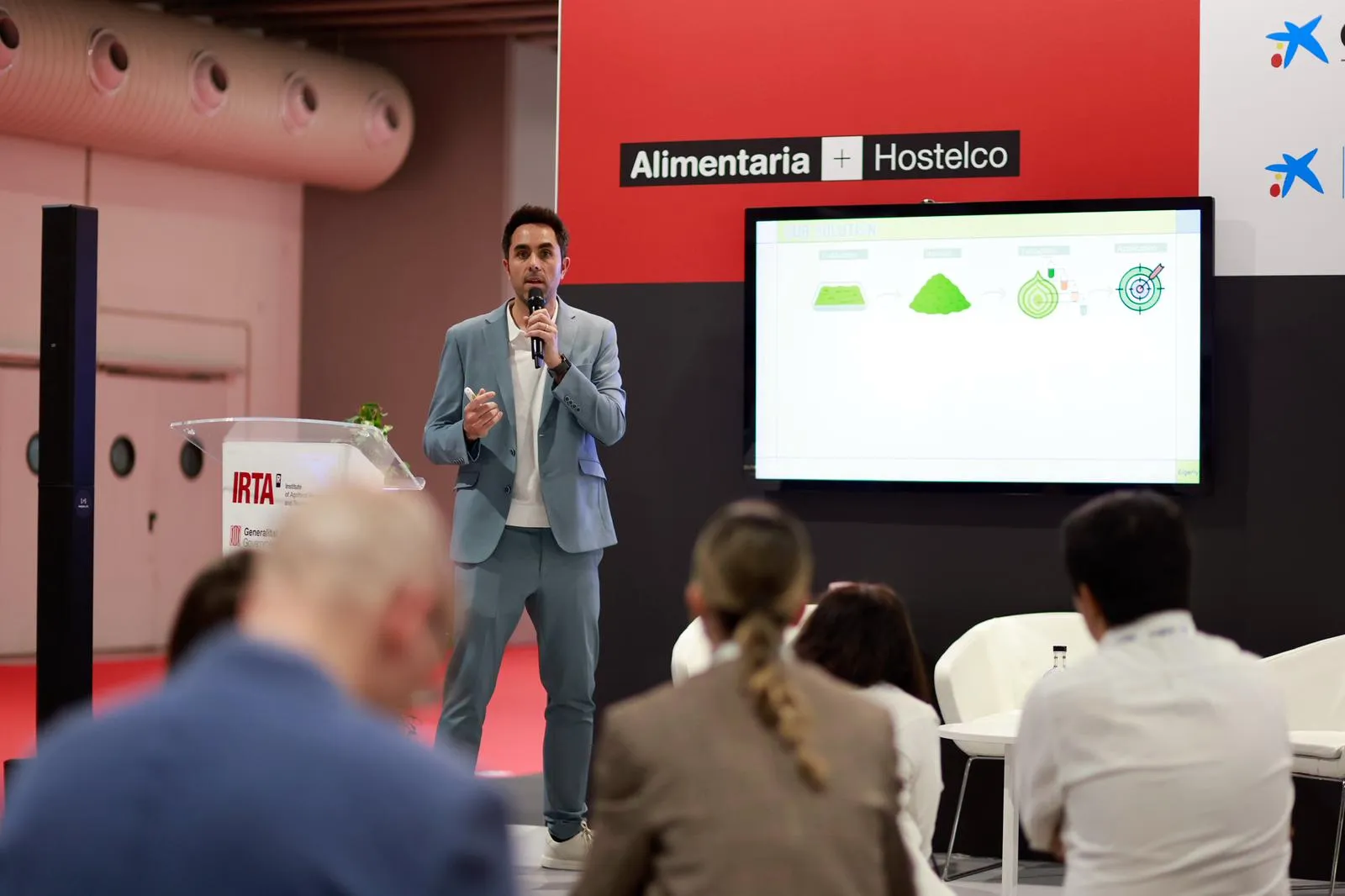
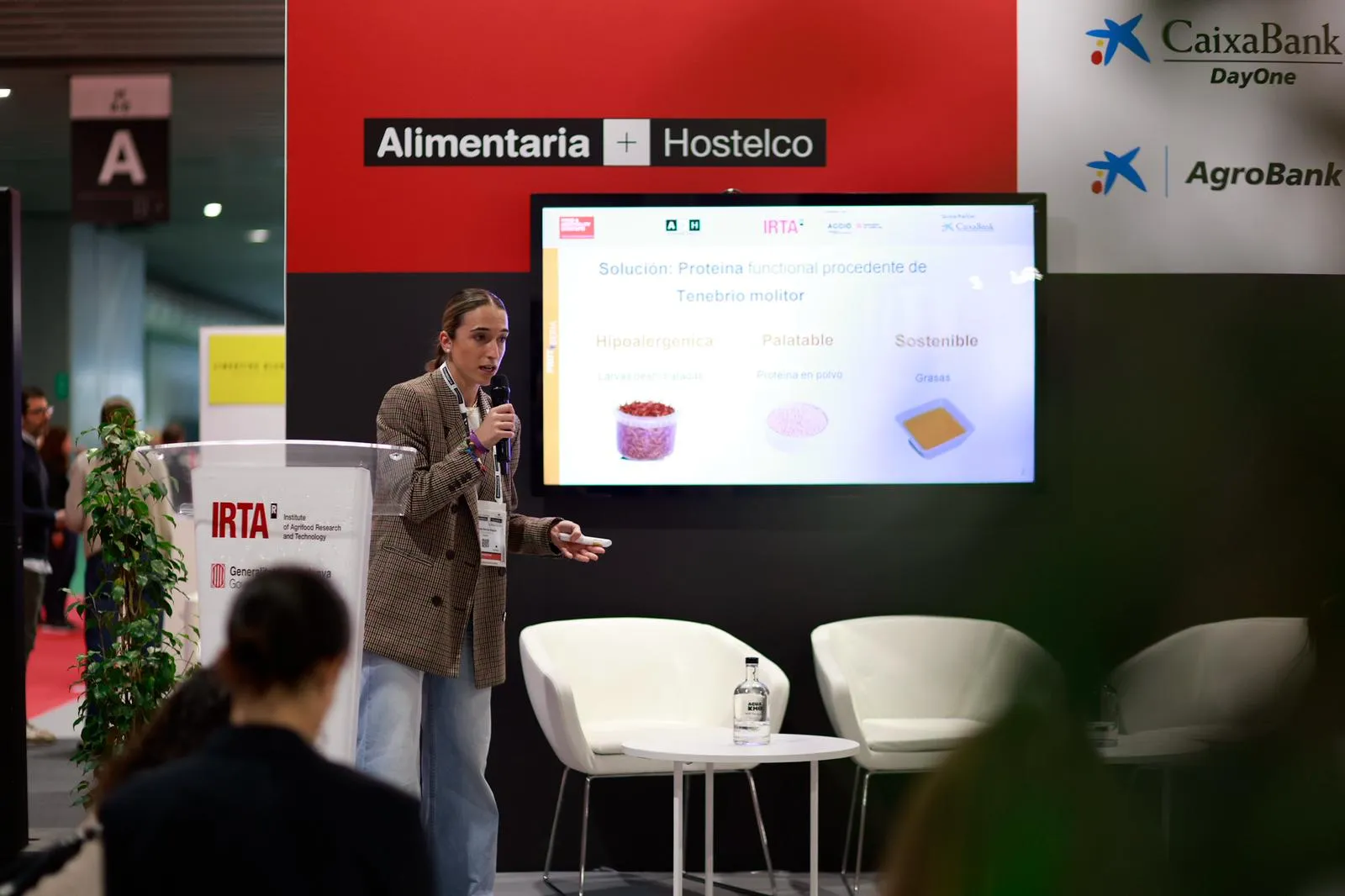
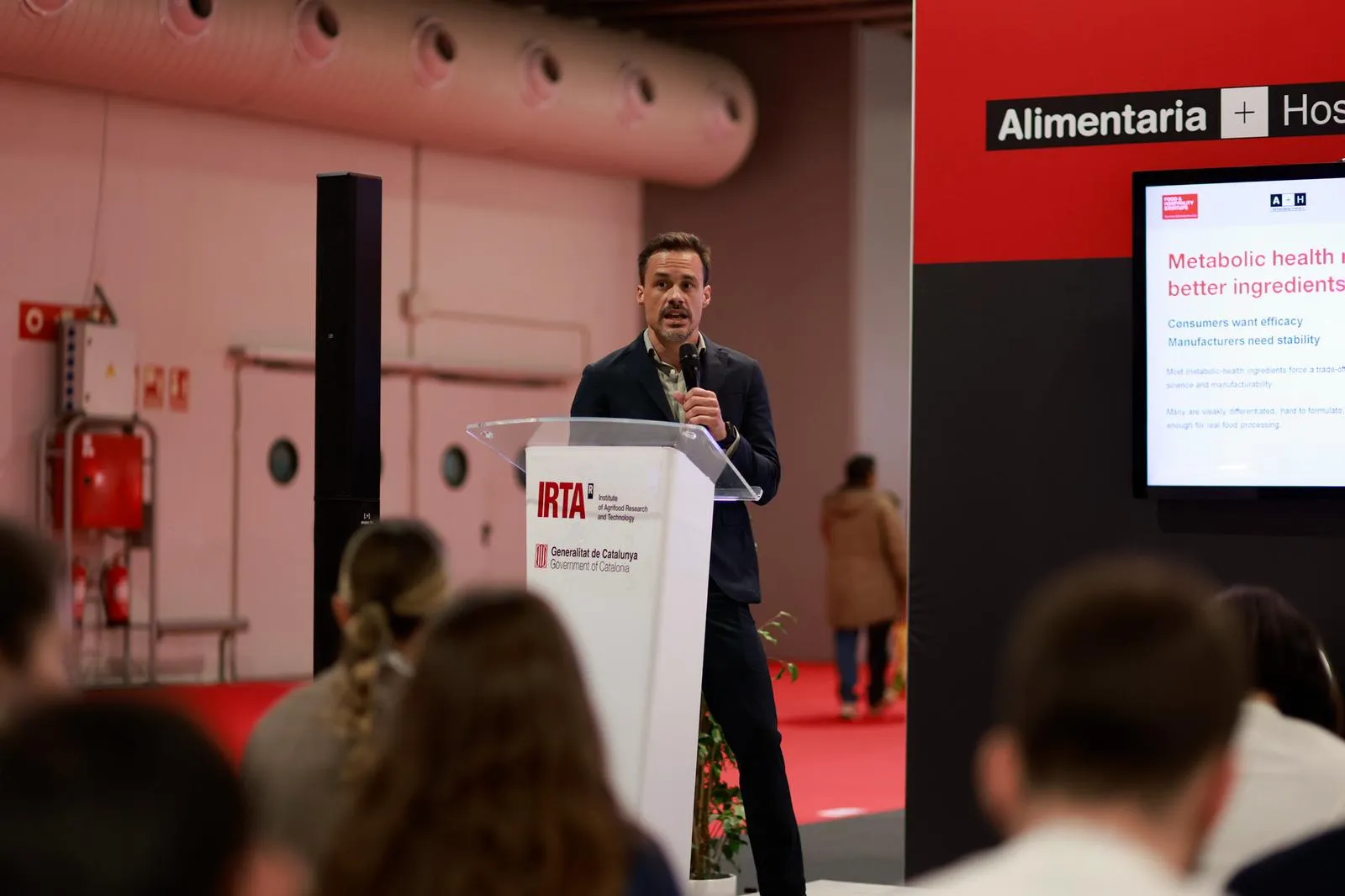
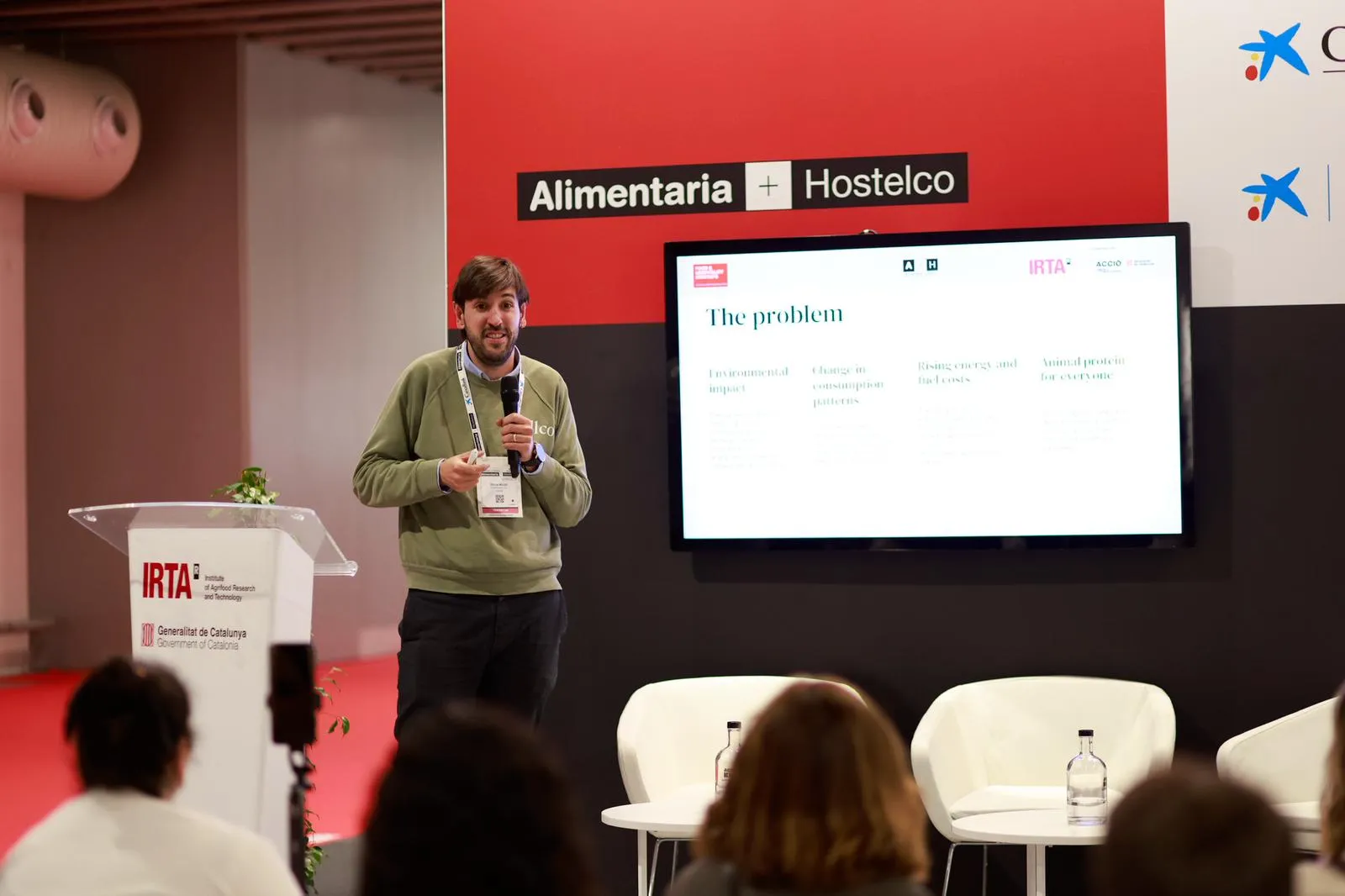
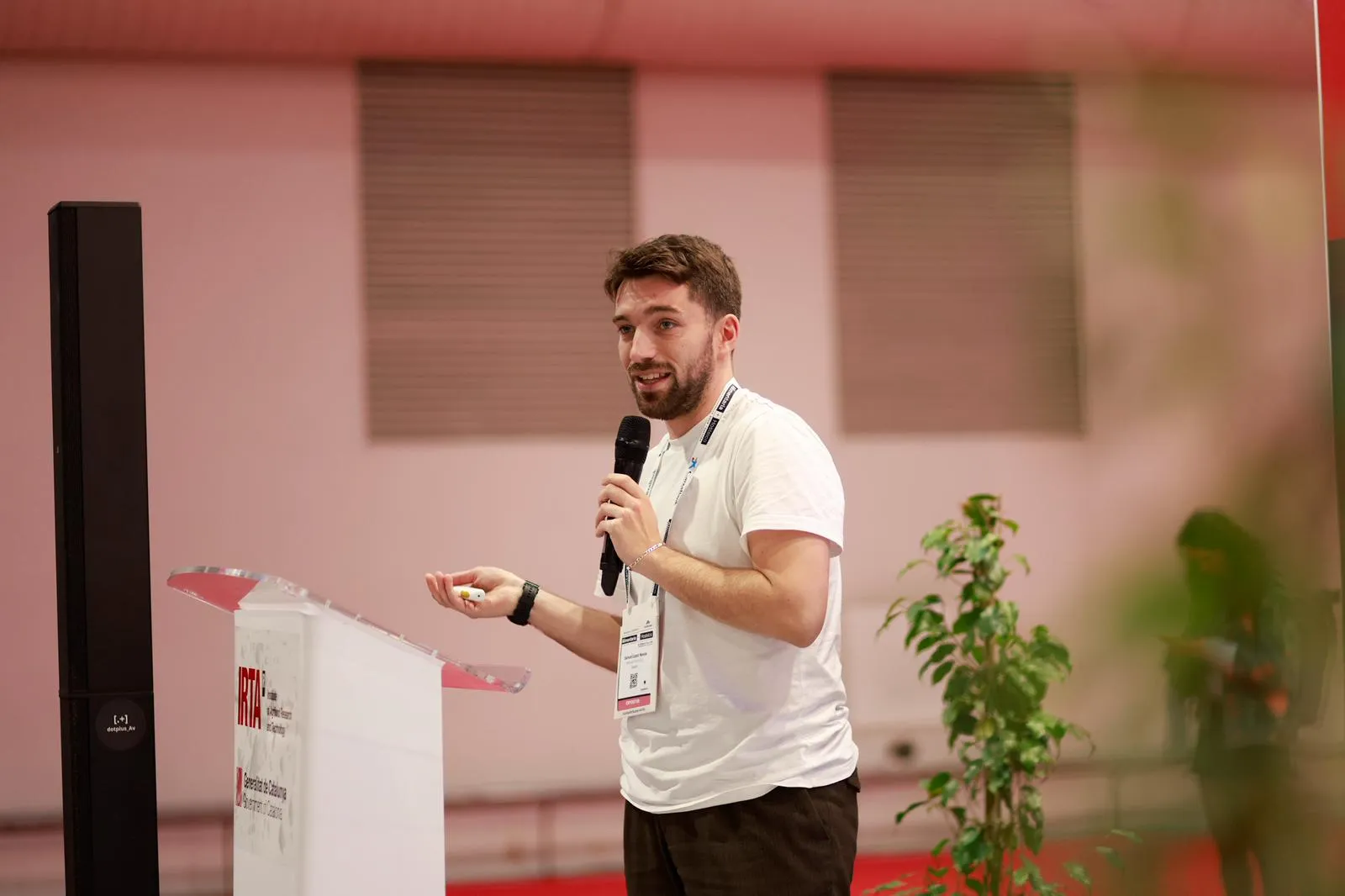
Meanwhile, presentations by selected start-ups continued in the Food & Hospitality Startups area. The session began with companies specialising in next-generation proteins and ingredients, such as Protiberia, Algemy, Nucaps, VPM Insect, Genbioma, Neboda Farms and Salaria Productos. Next came the turn of the food chain and logistics sector, featuring Bumerania Robotics, Oktics ATZ, Neosanix, Zertifier, HCS and Enoengineering; and finally, those focused on the consumer experience and markets, including Menuveo Enterprise, RepScan, Cook’s Tribute and Biyectiva.







Innovation technitian in thermal processing and food technology