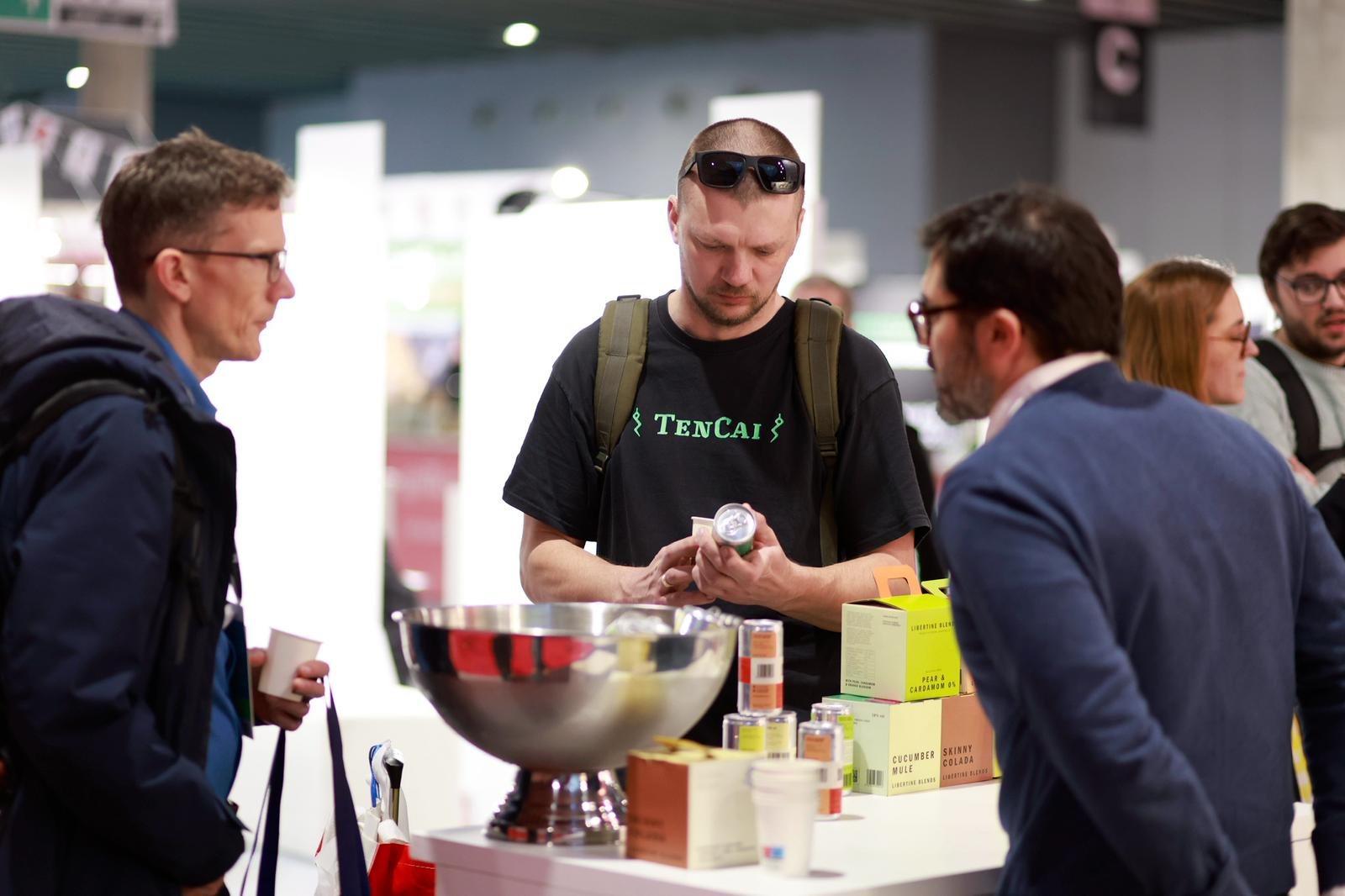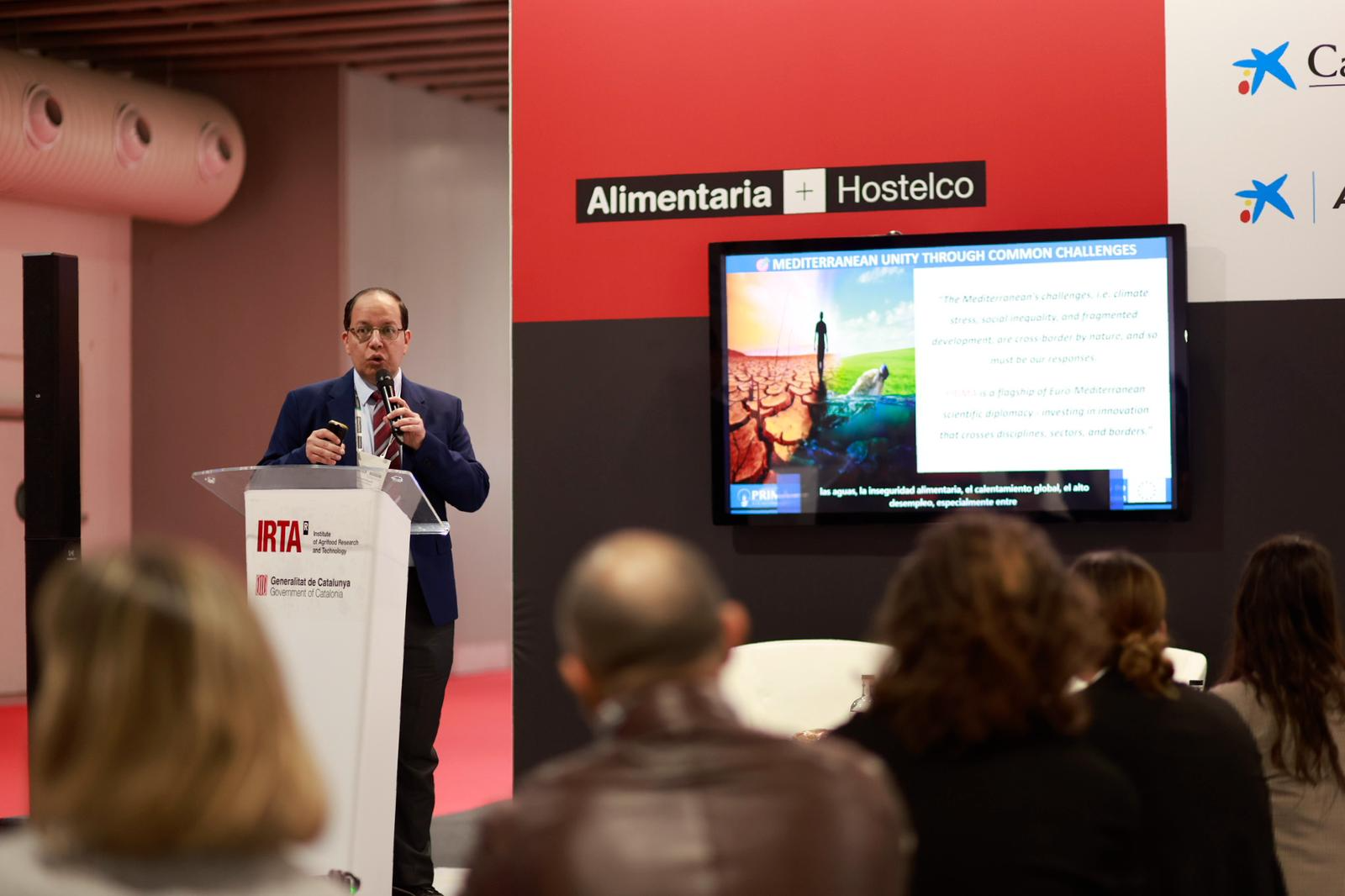
The major international food fair, Alimentaria, which opened on Monday 23 March at Fira Barcelona’s Gran Via venue, closed its doors today having attracted 109,600 visitors, 25% of whom were international, and 1.6% more attendees than the previous edition, making it the most-attended event organised by Fira, surpassing Mobile, which took place in February.
The fair has brought together 3,300 exhibiting companies, 1,200 of which are international, from 70 countries, and up to 350 different activities have been organised. The opening ceremony was presided over by King Felipe VI, who, before officially declaring the fair open, toured the seven halls of the venue, accompanied by the Minister of Agriculture, Luis Planas; the Regional Minister for Agriculture, Òscar Ordeig; the heads of Fira de Barcelona; and the presidents and directors of the Alimentaria and Hostelco trade shows. The President of the Catalan Government, Salvador Illa, later joined the delegation.
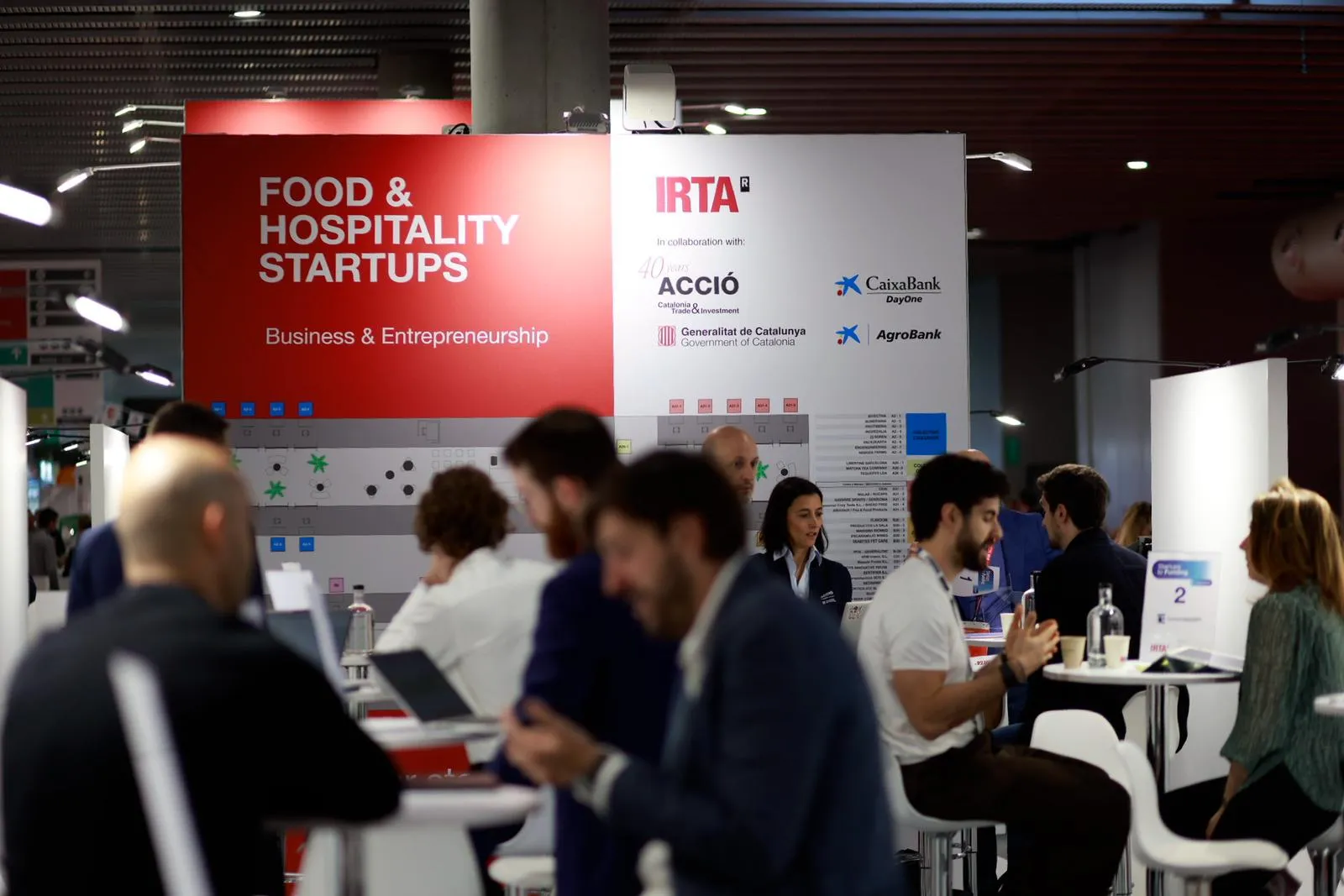
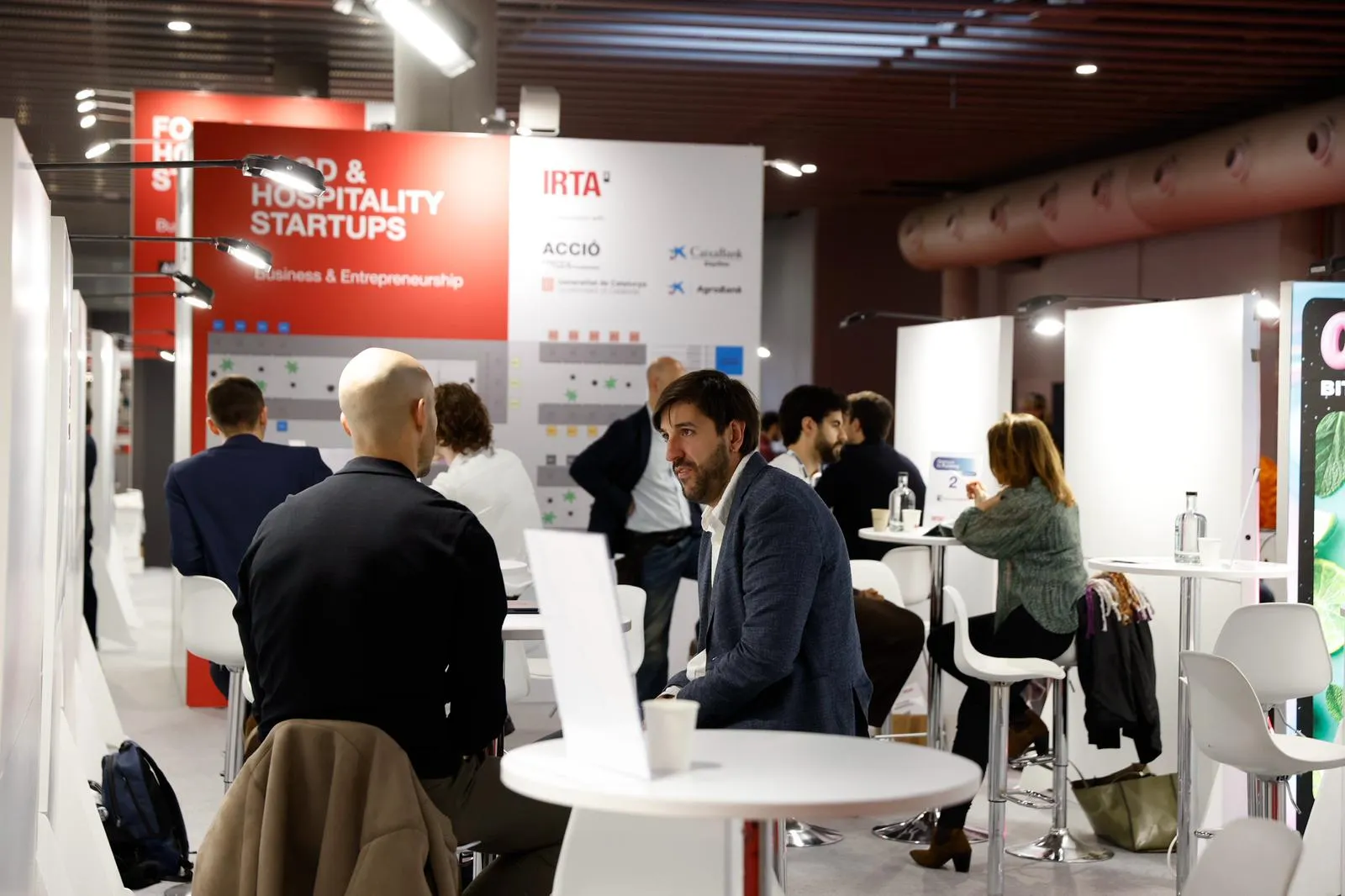
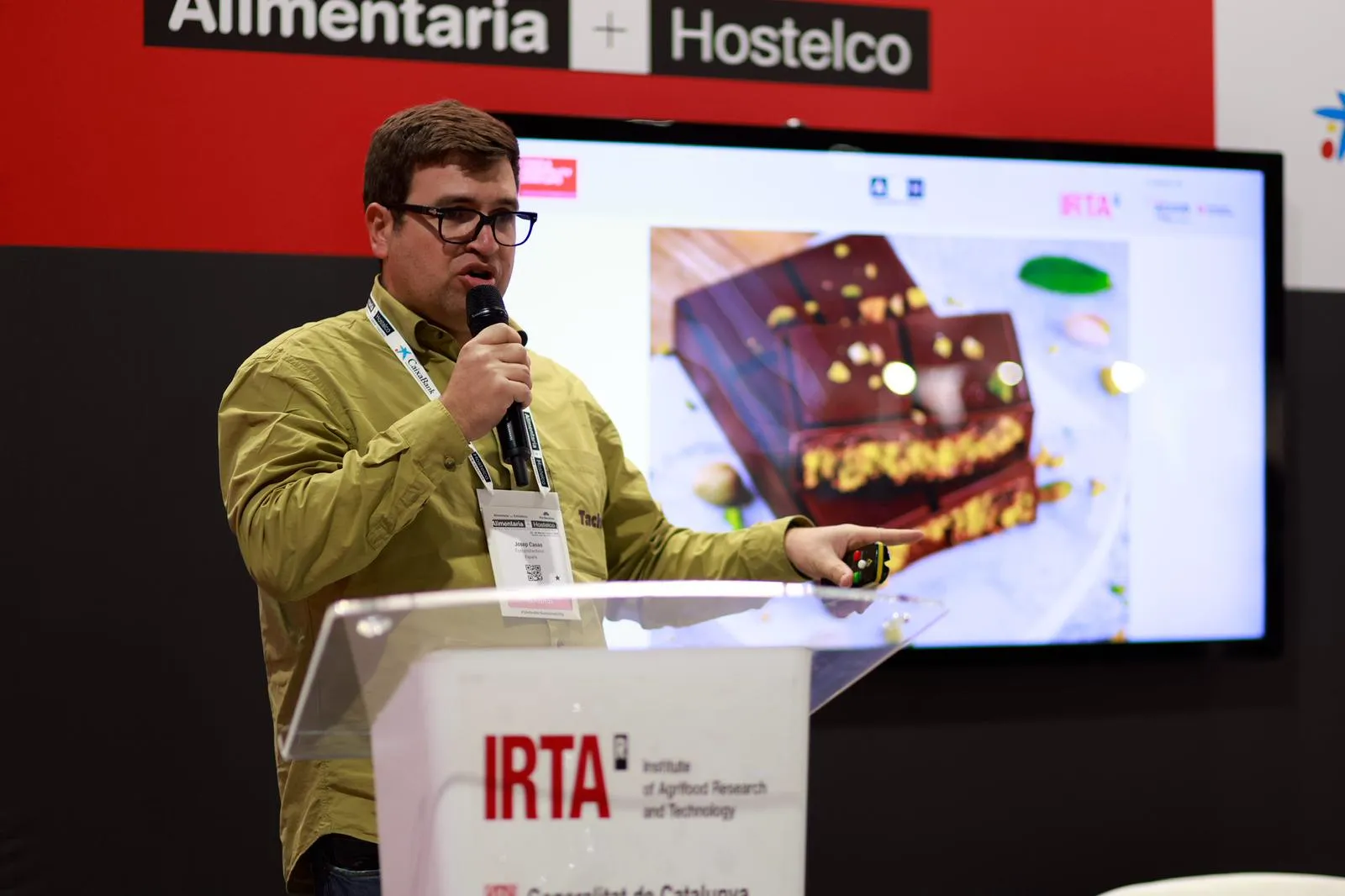
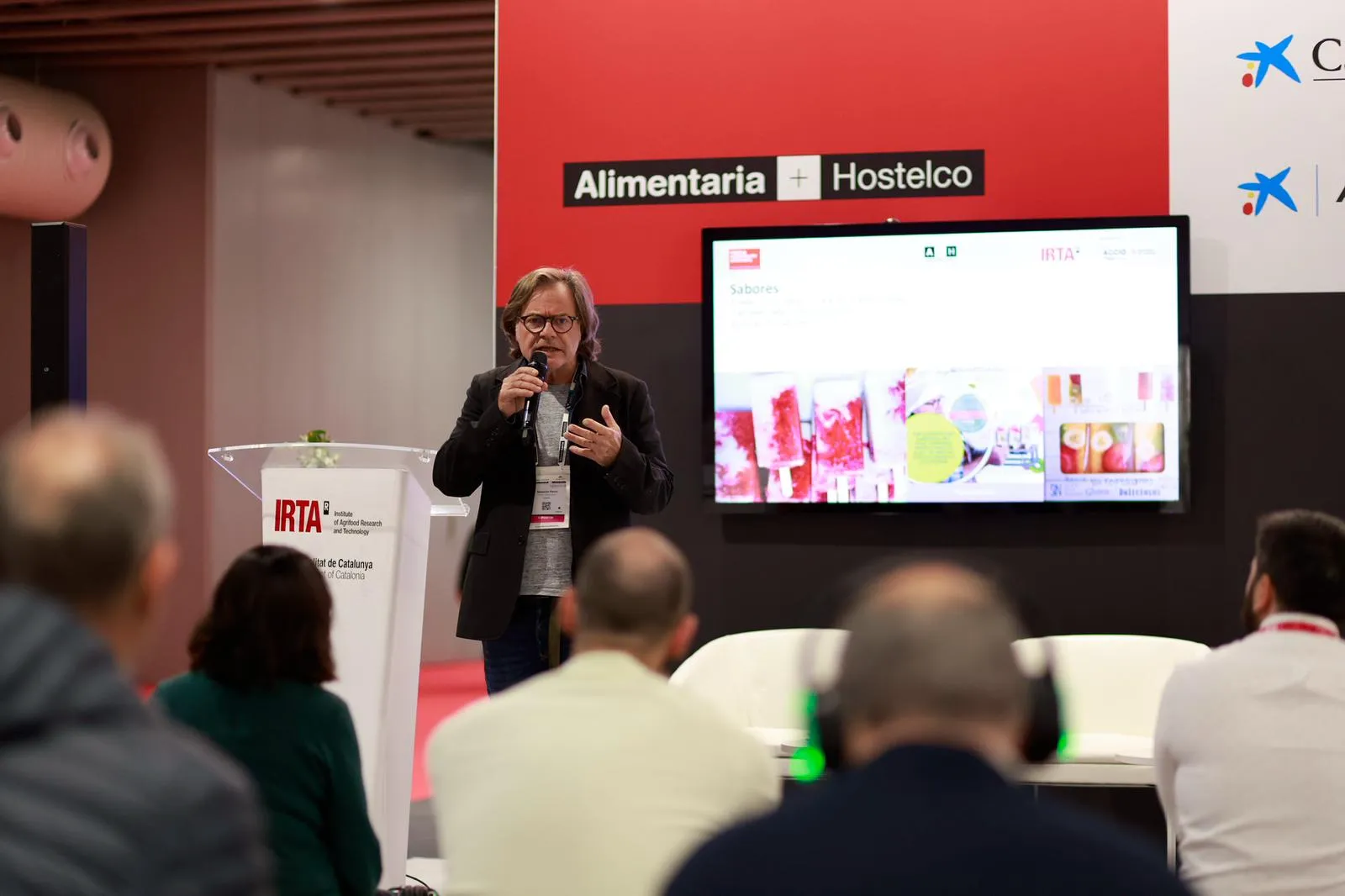
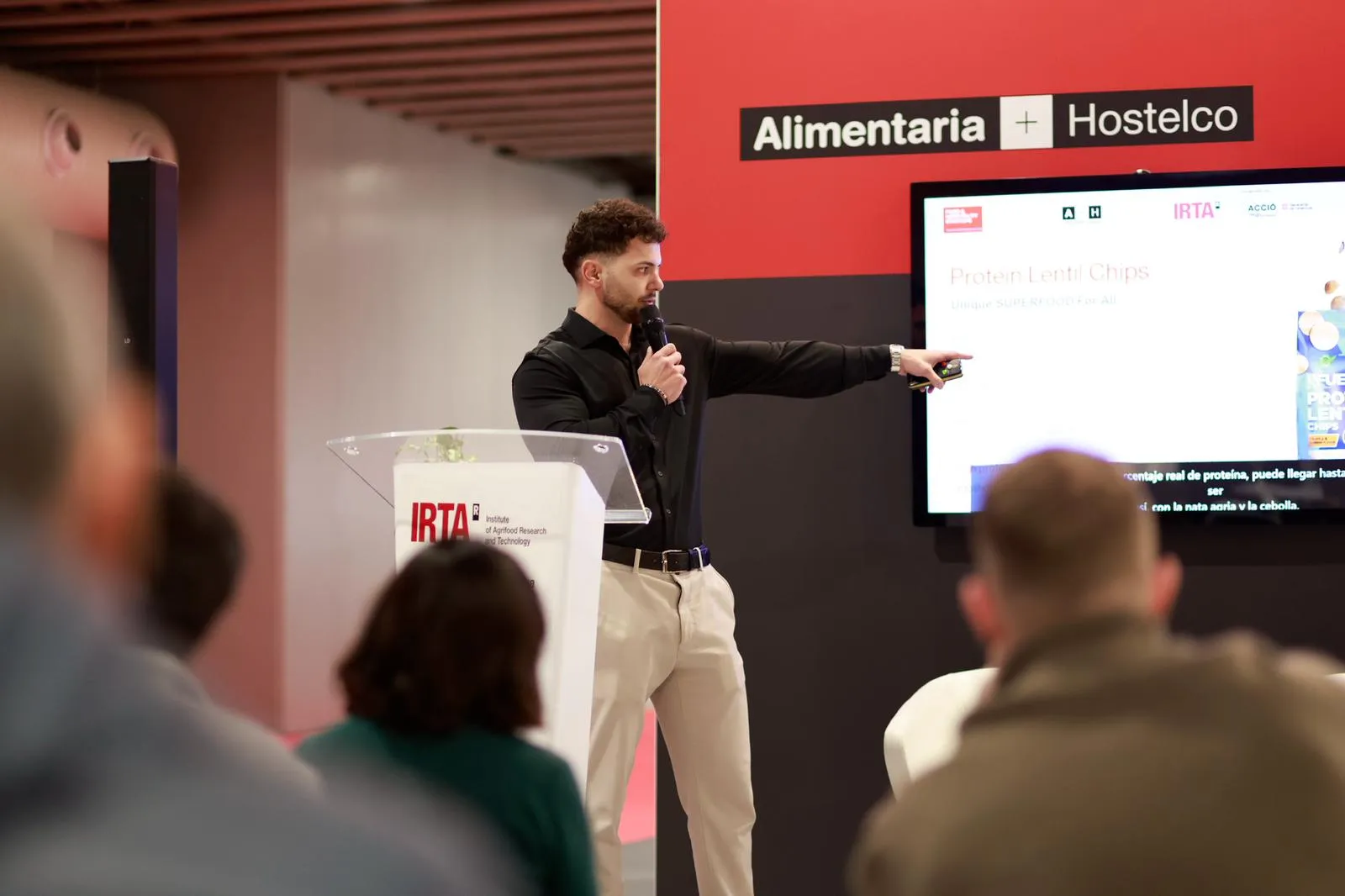
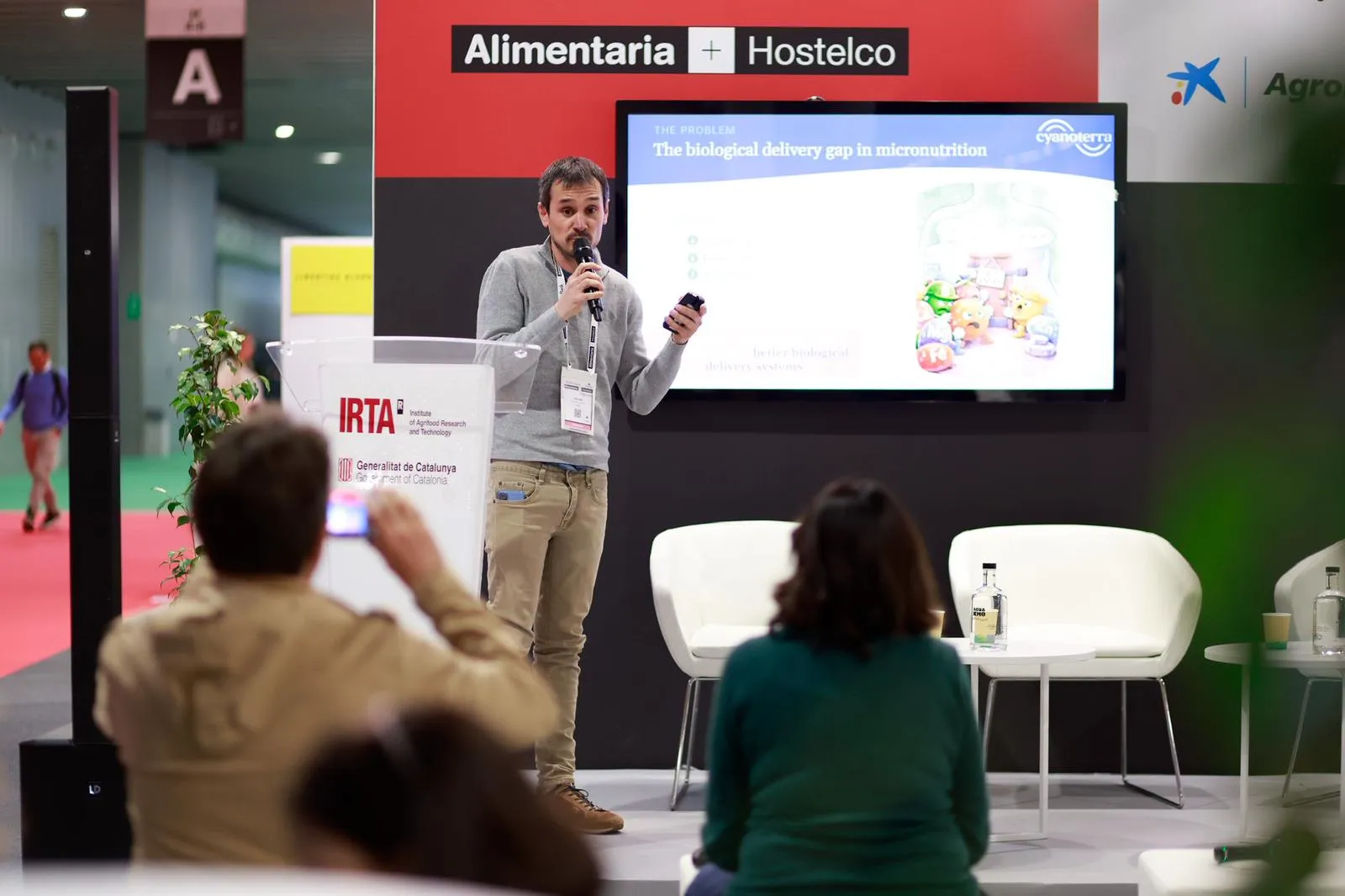
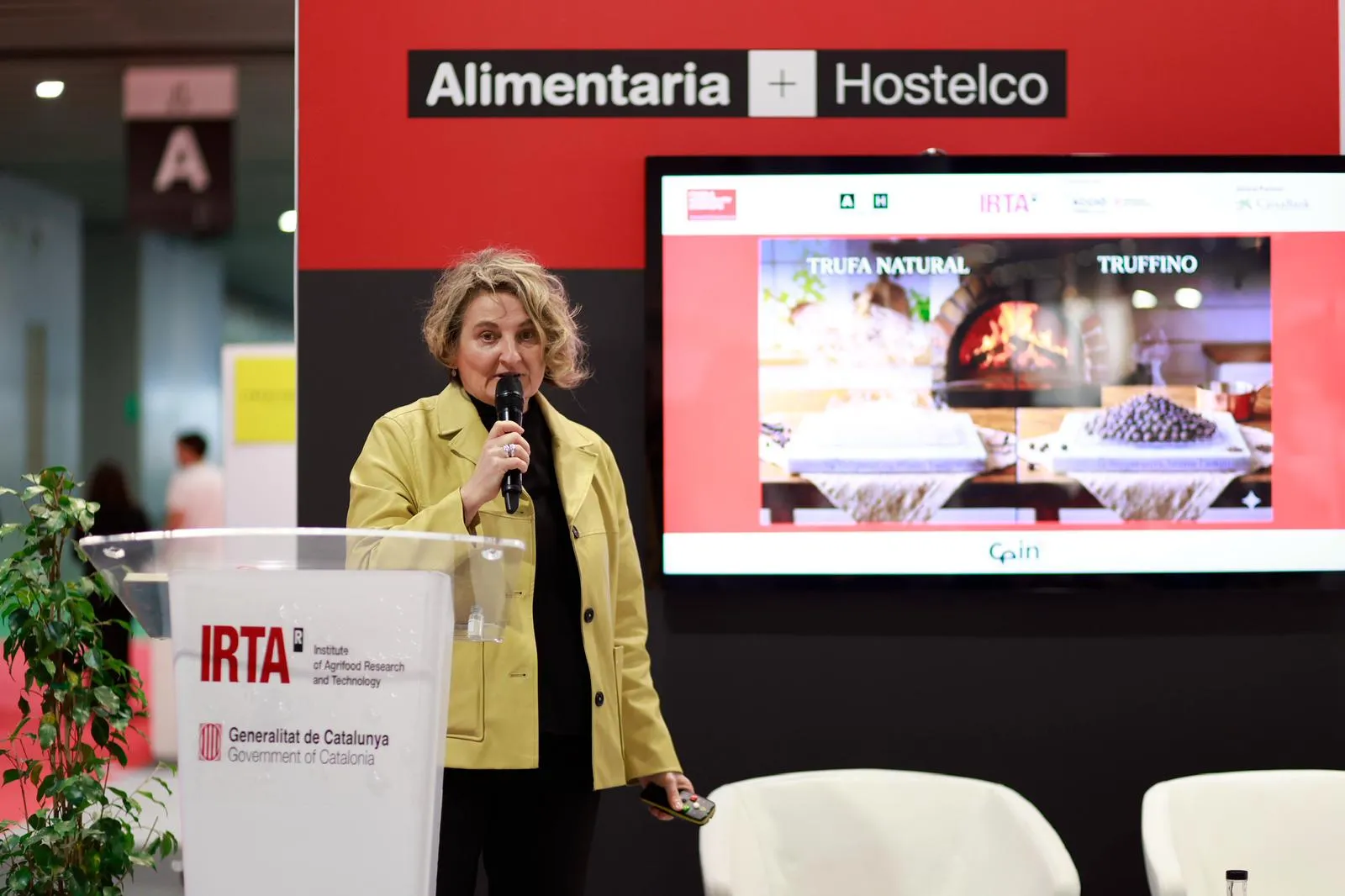
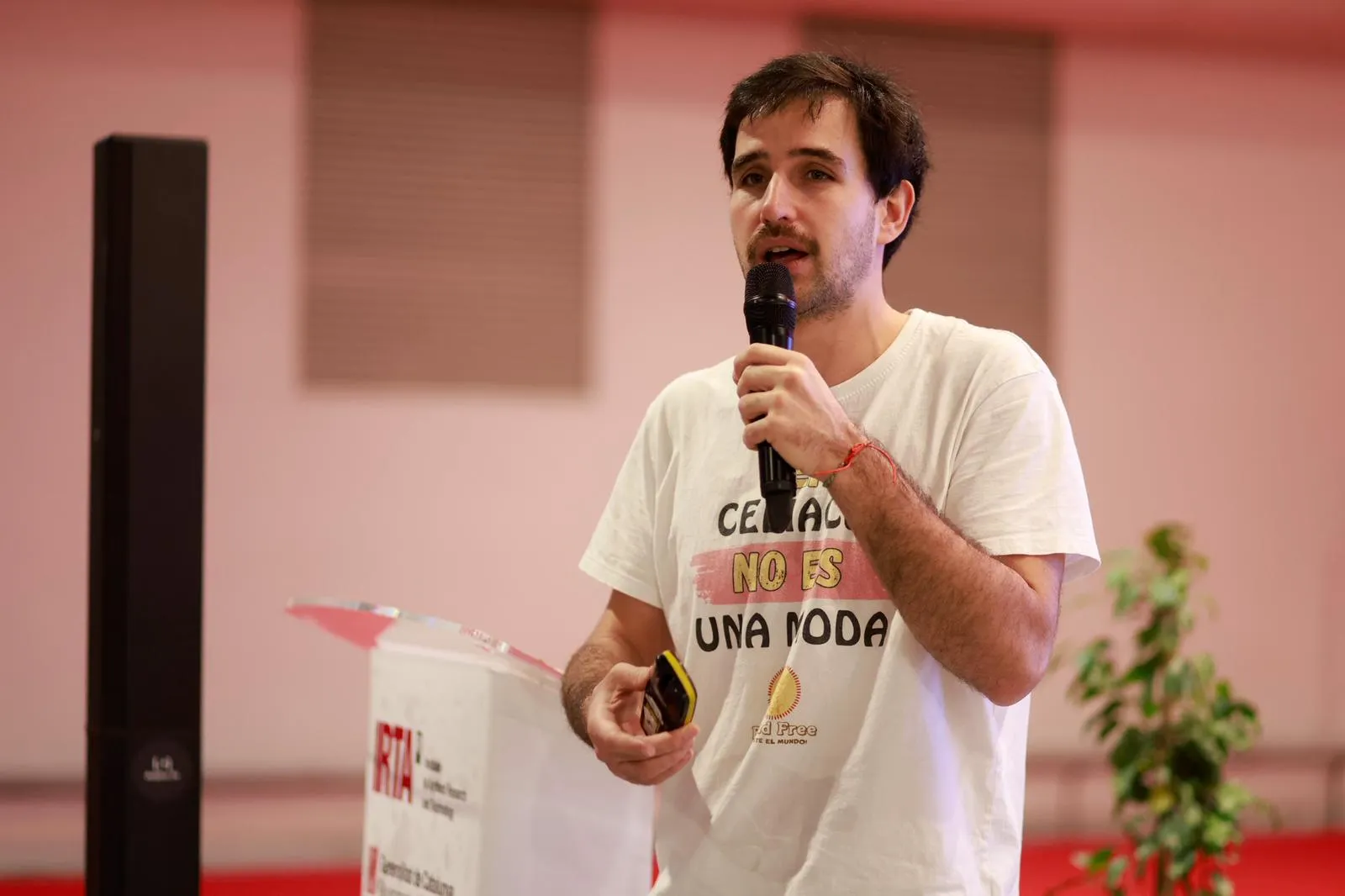
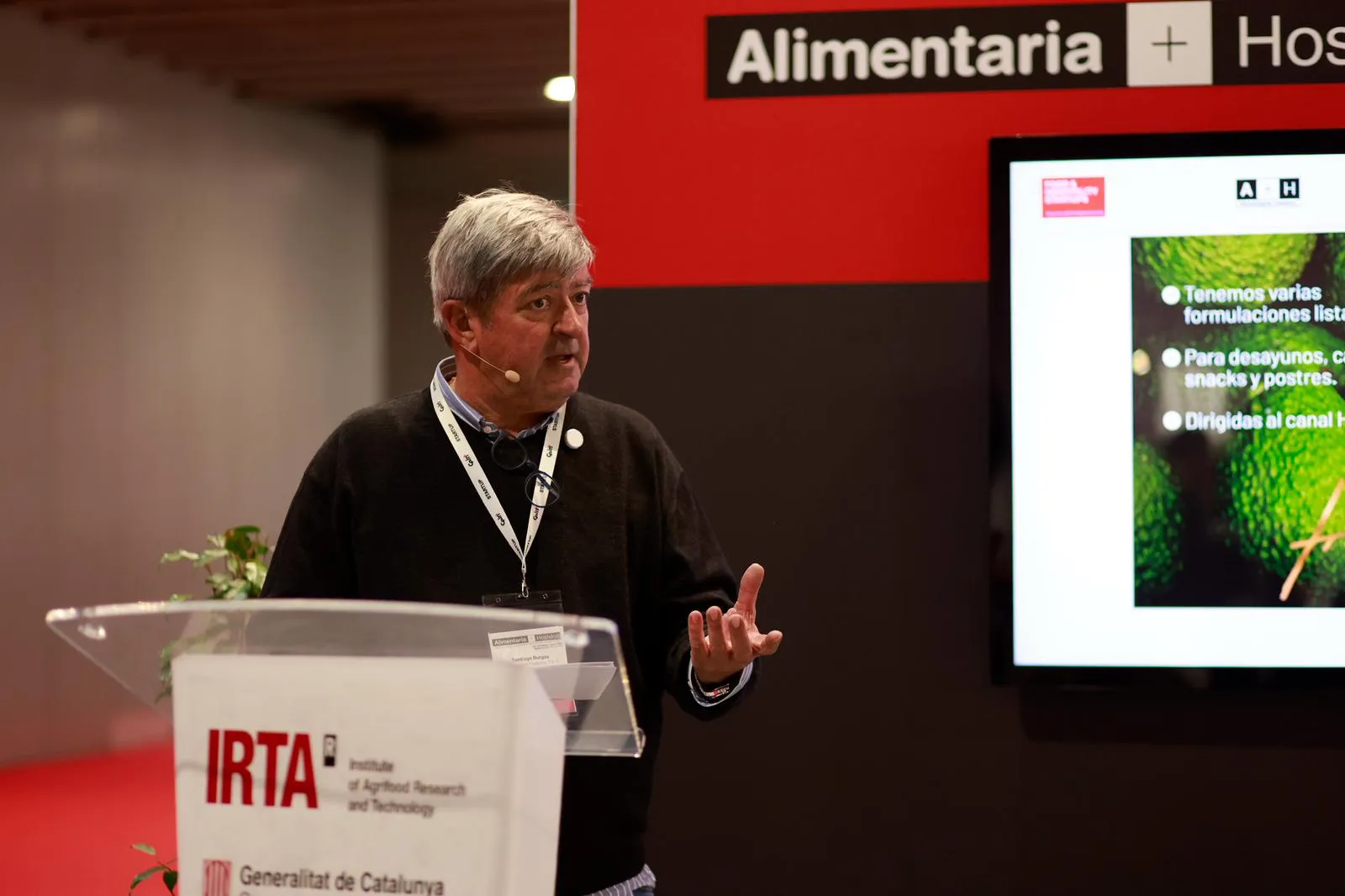
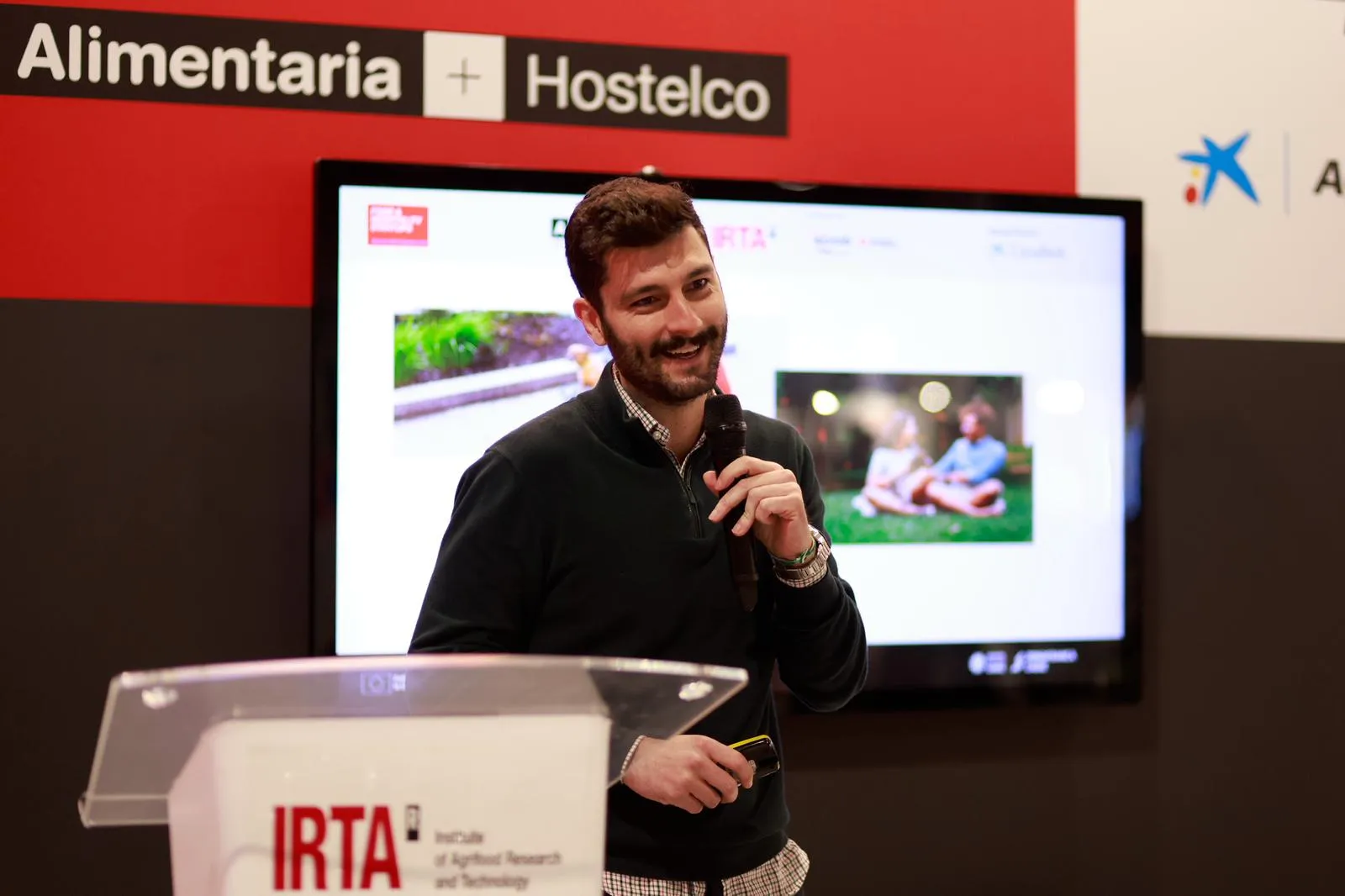
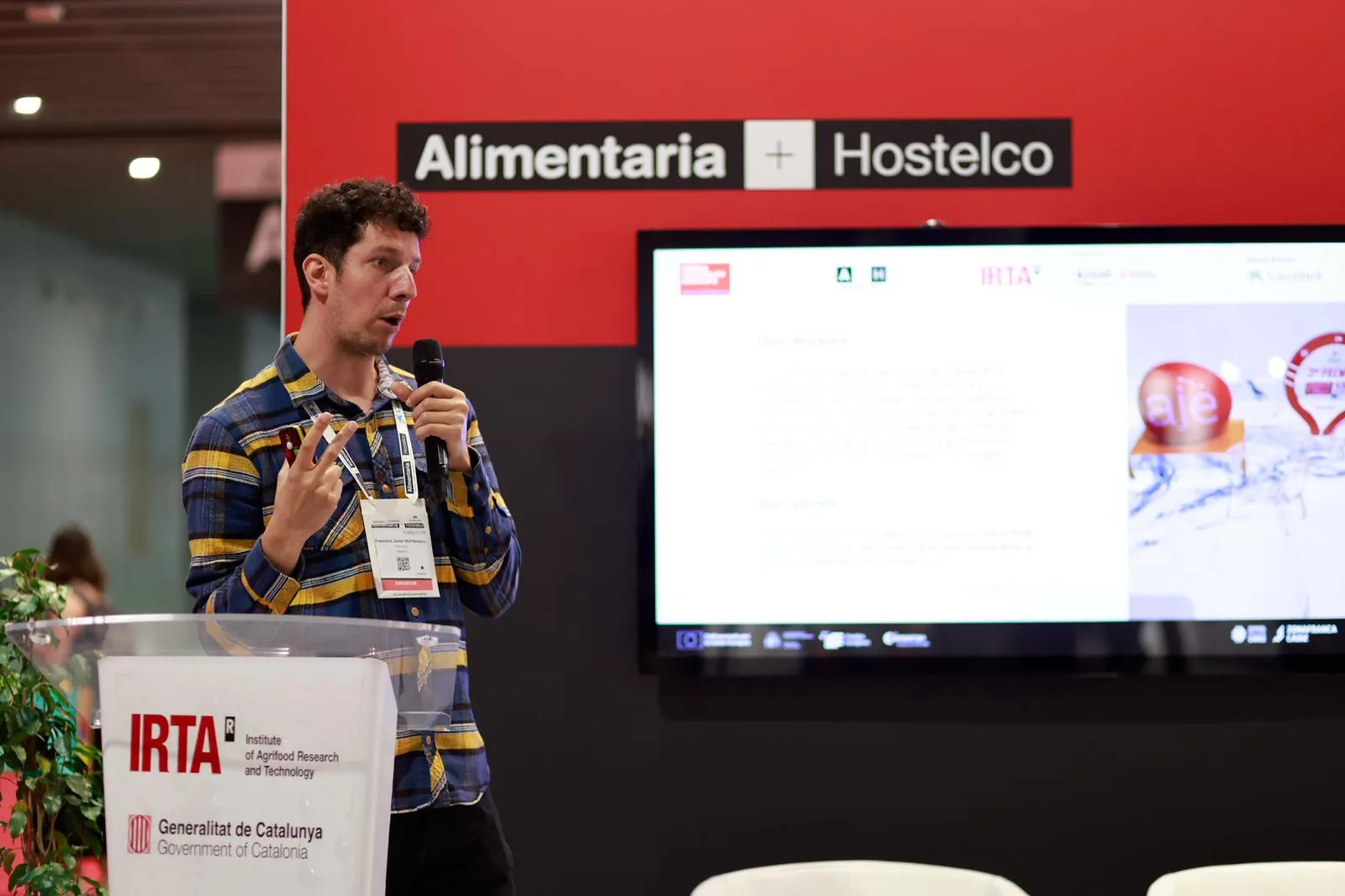
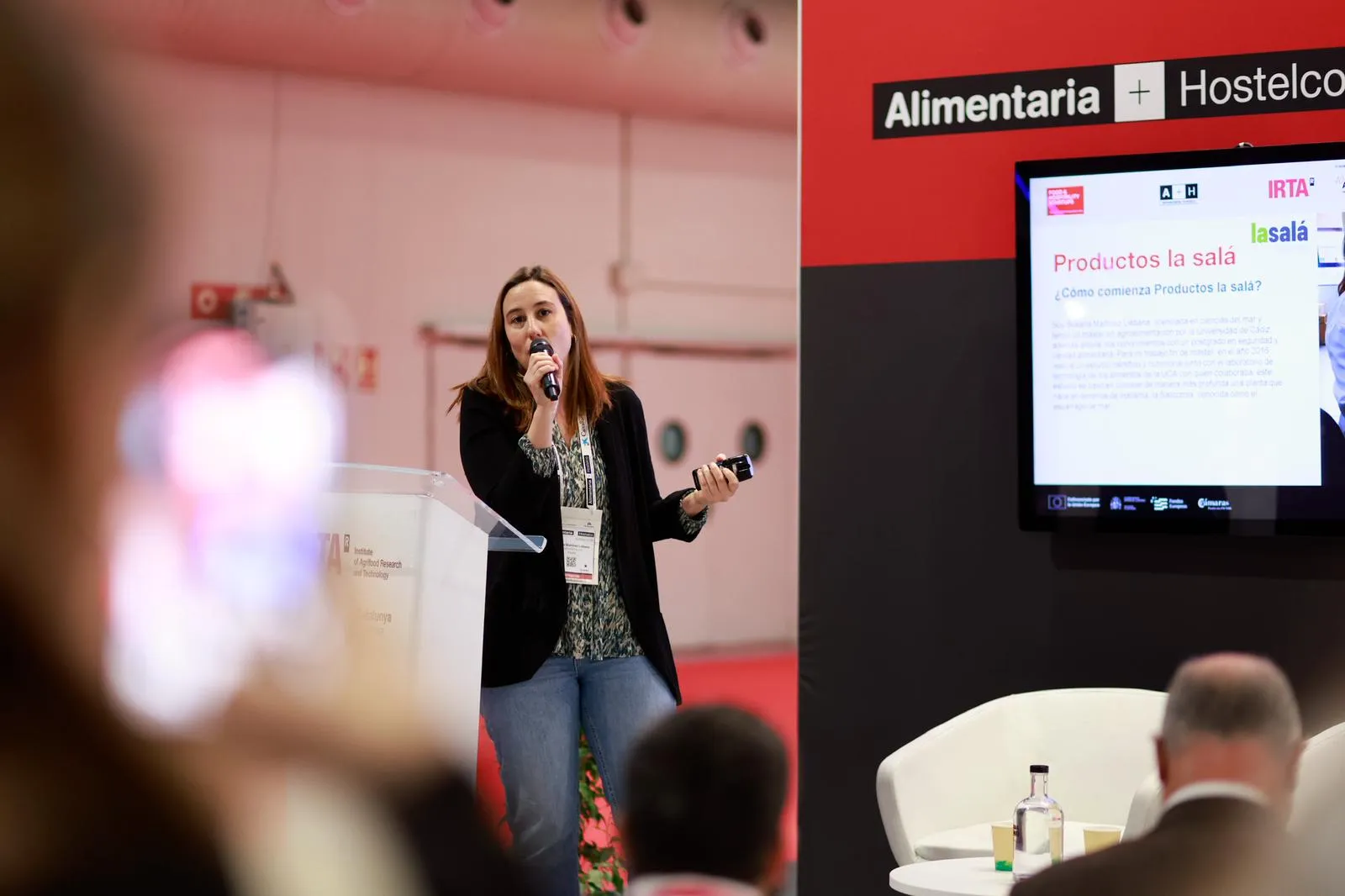
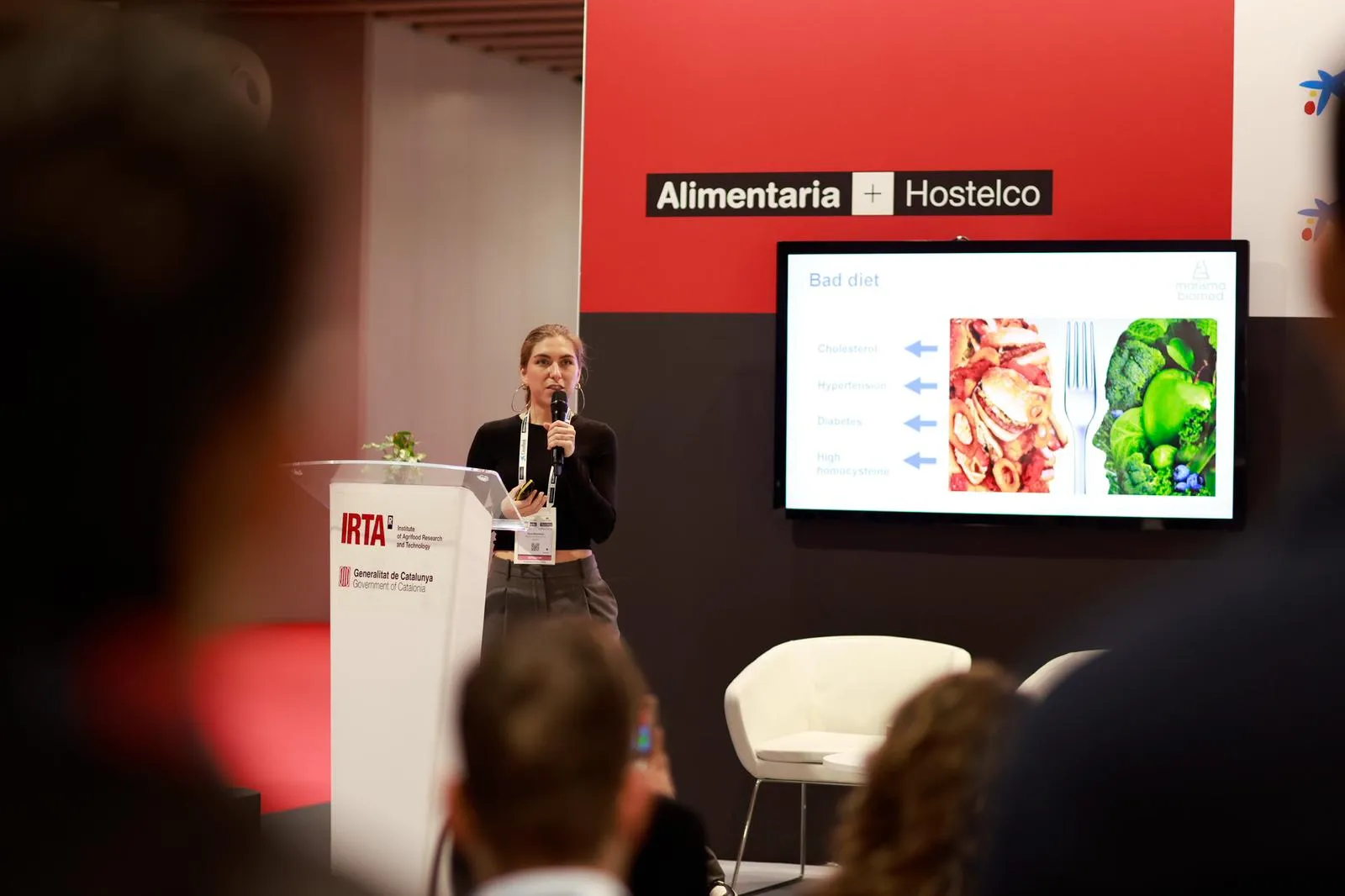
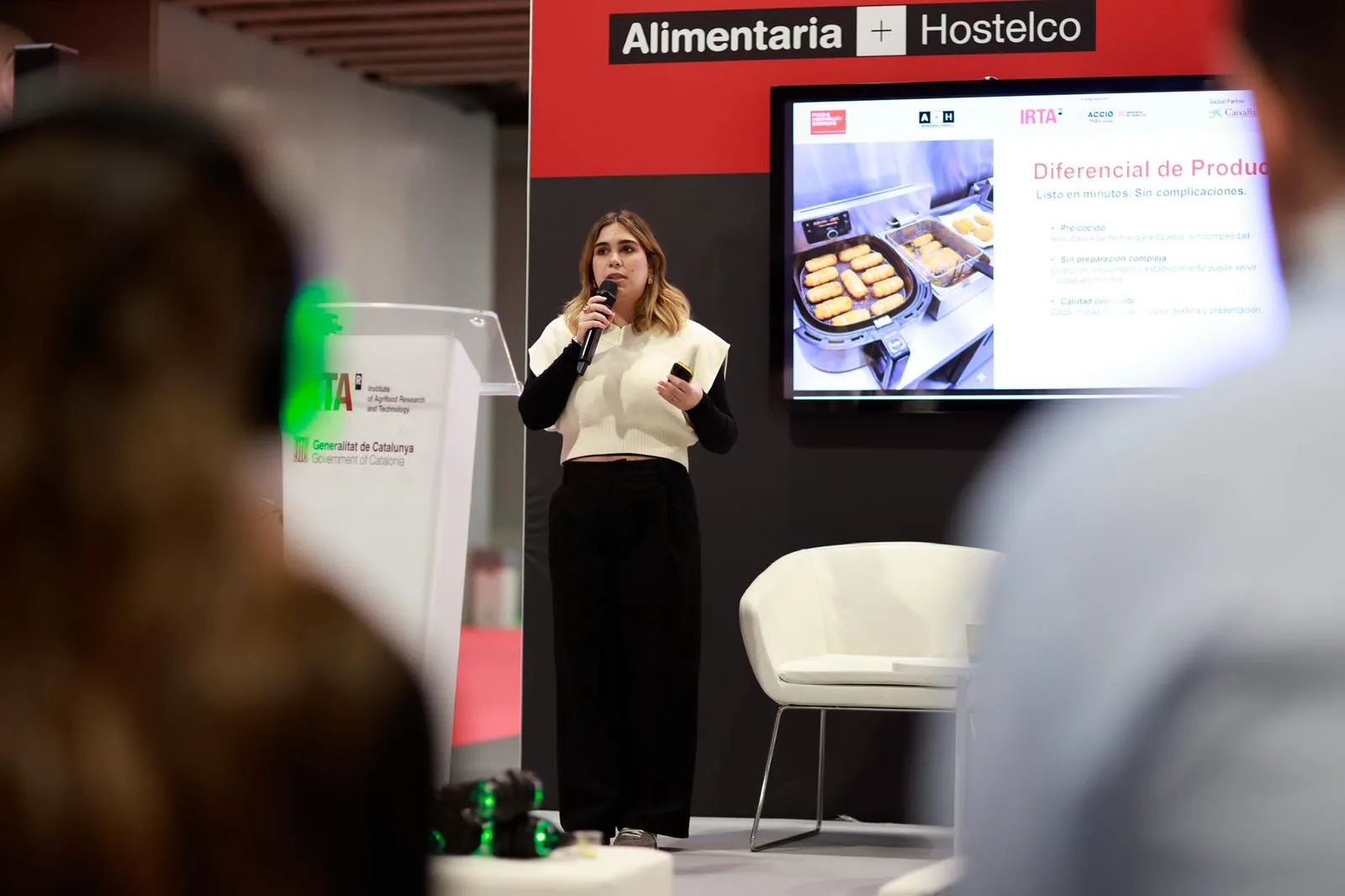
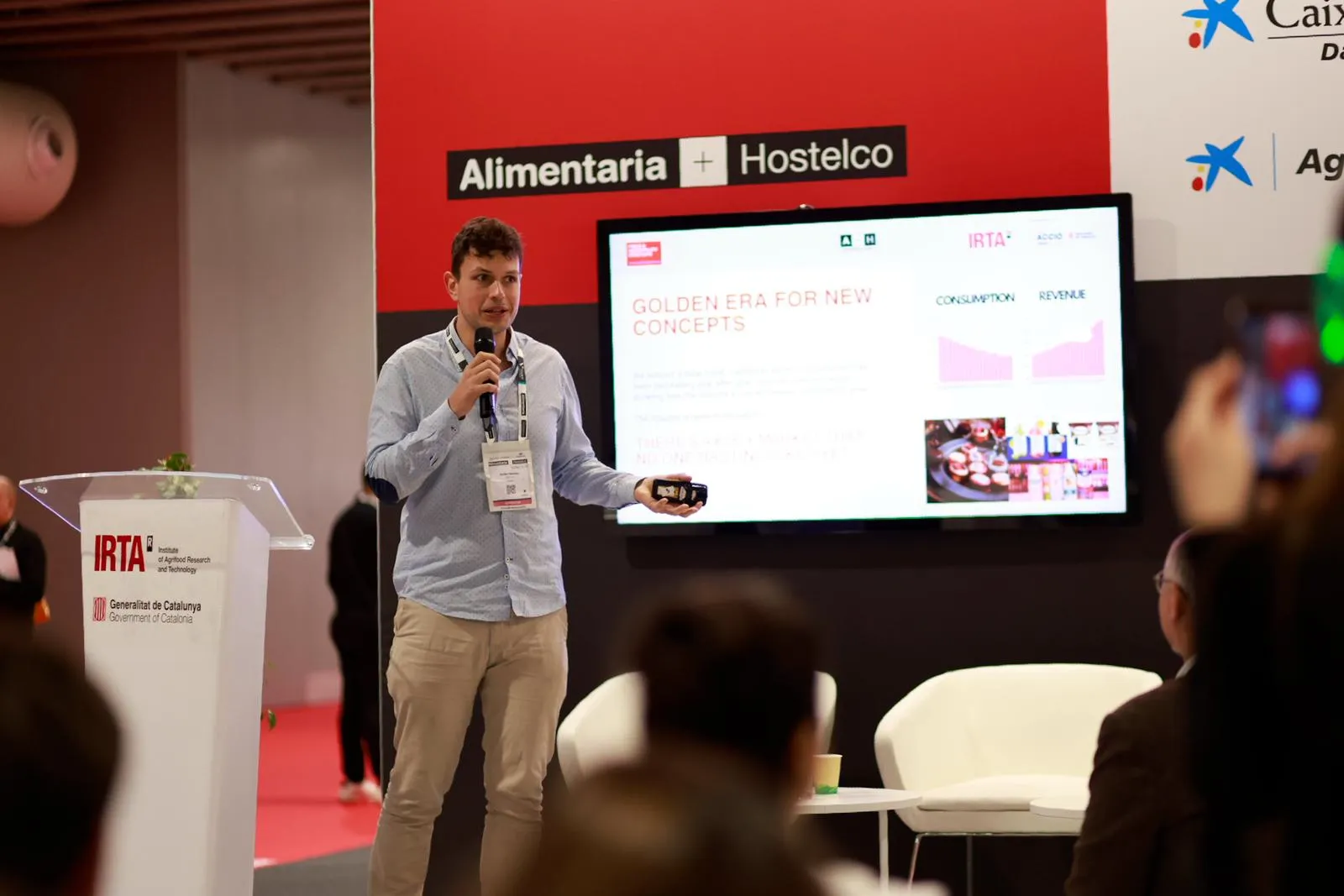
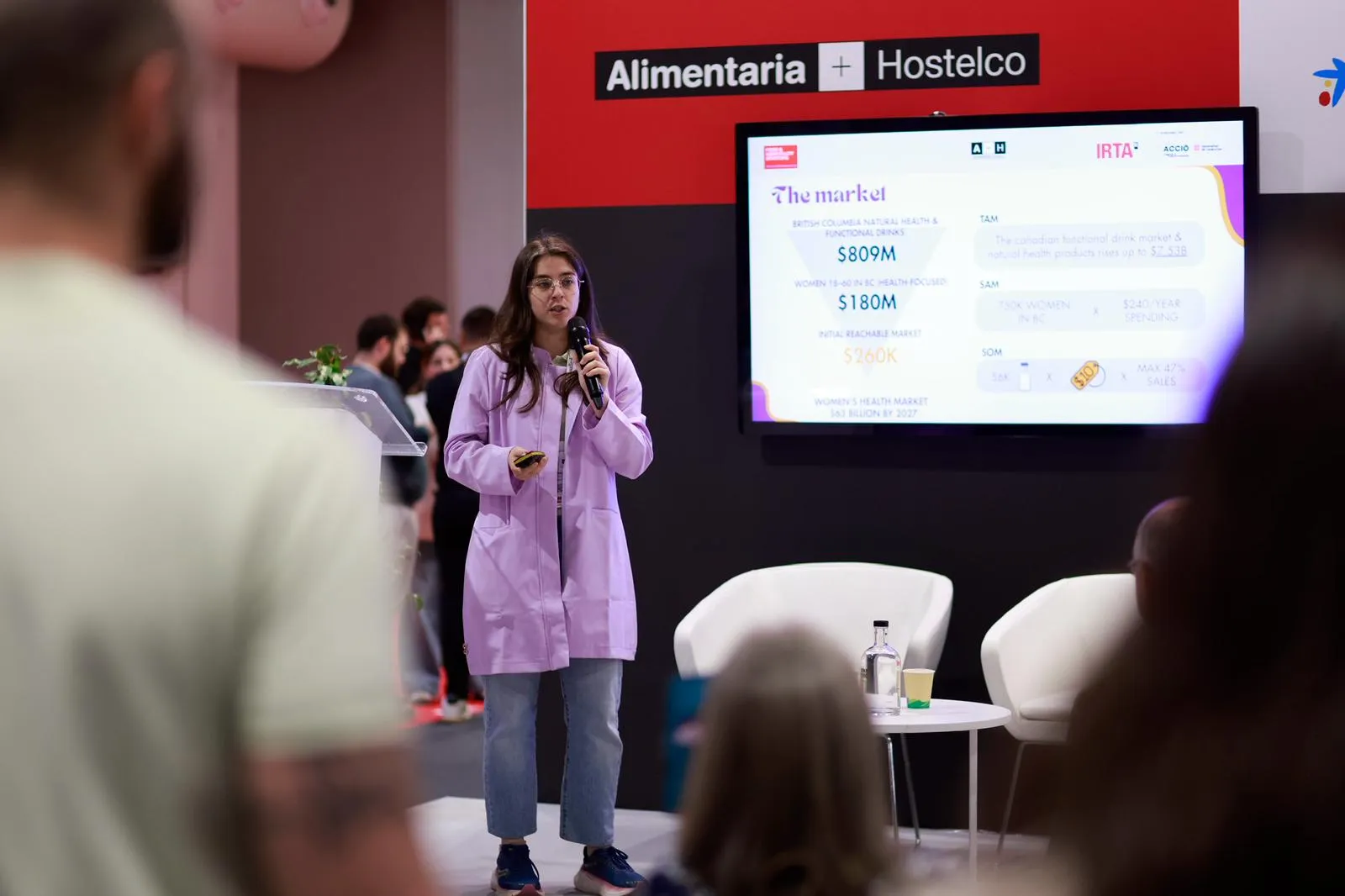
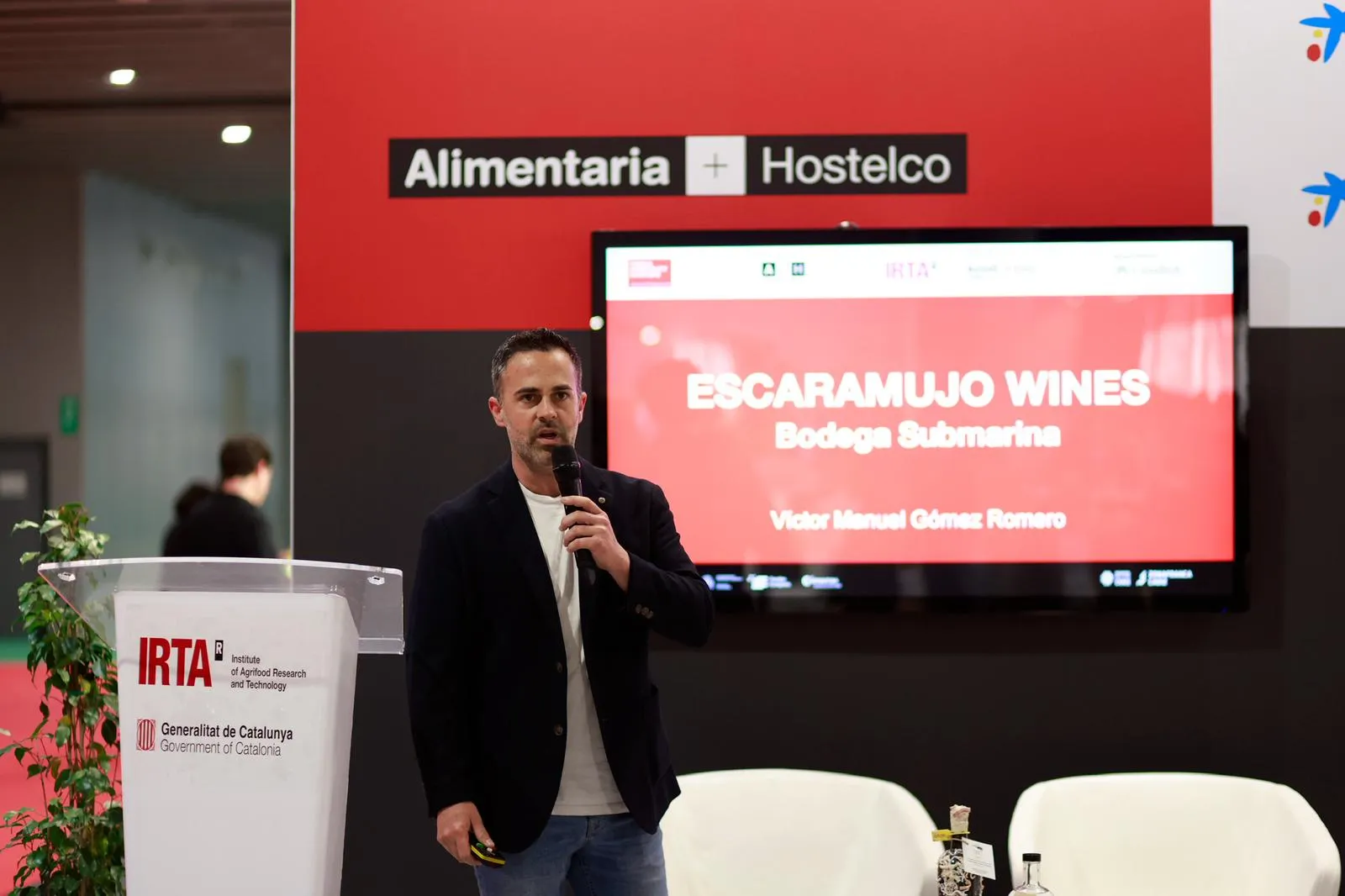
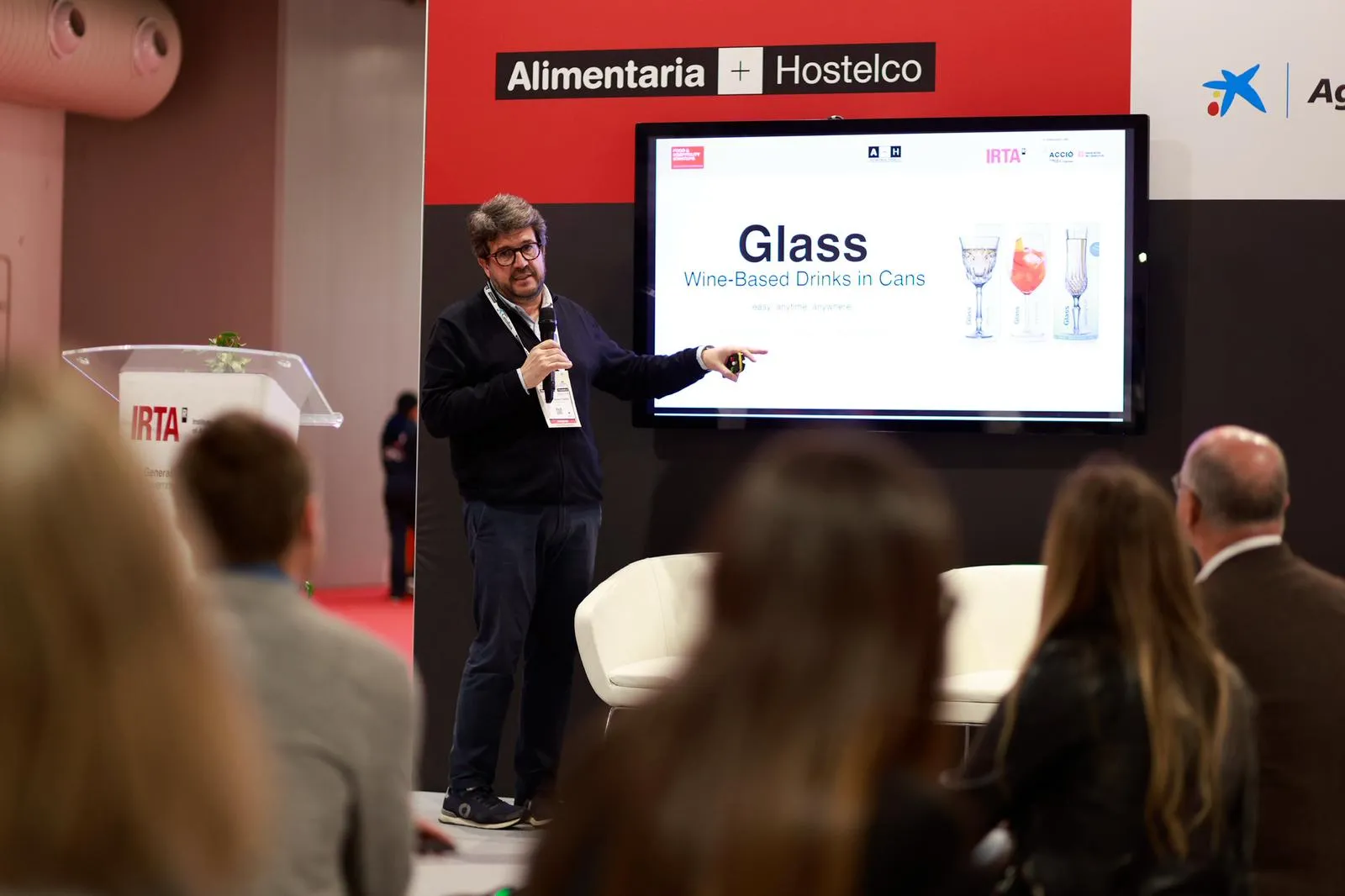
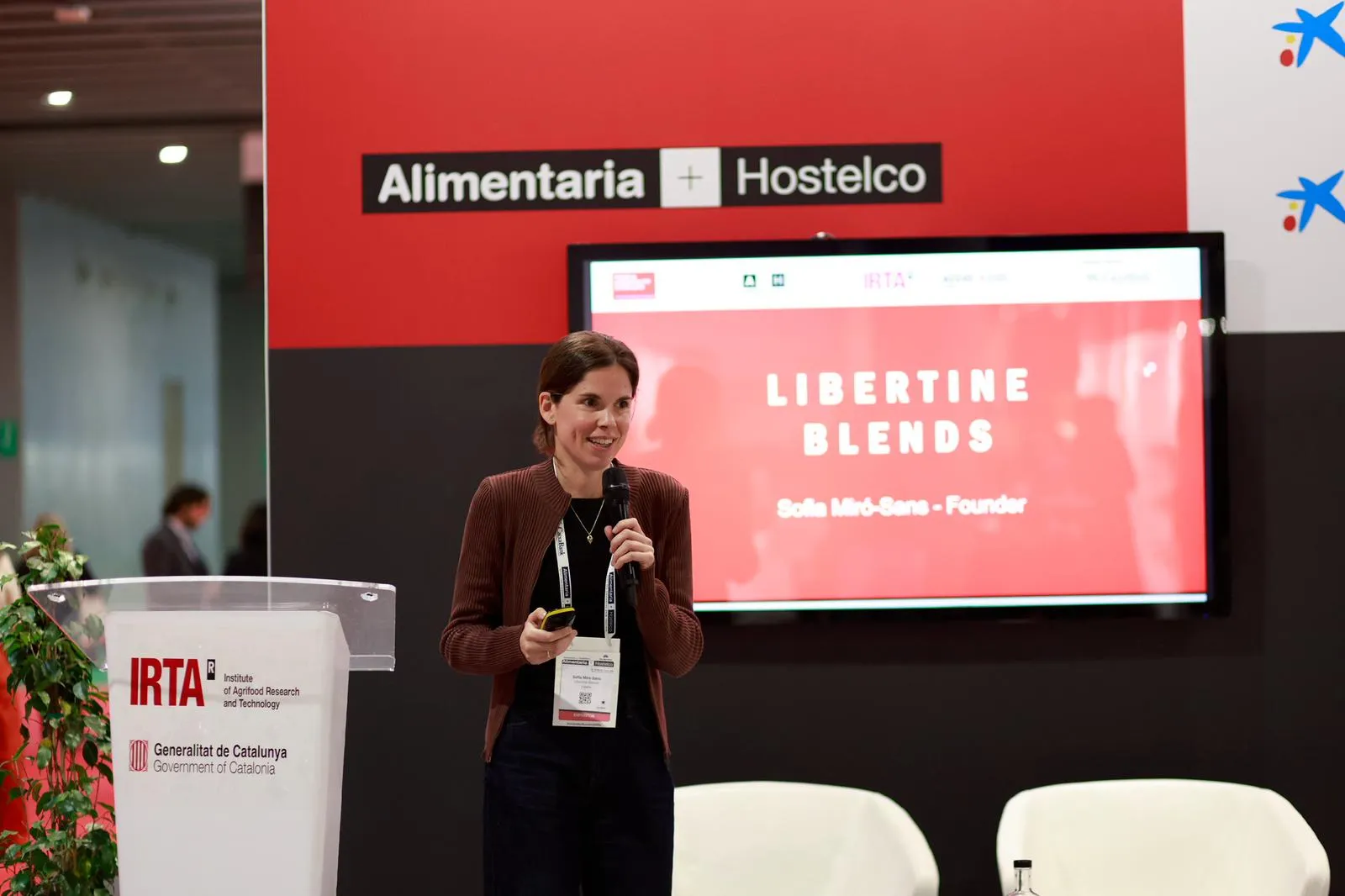
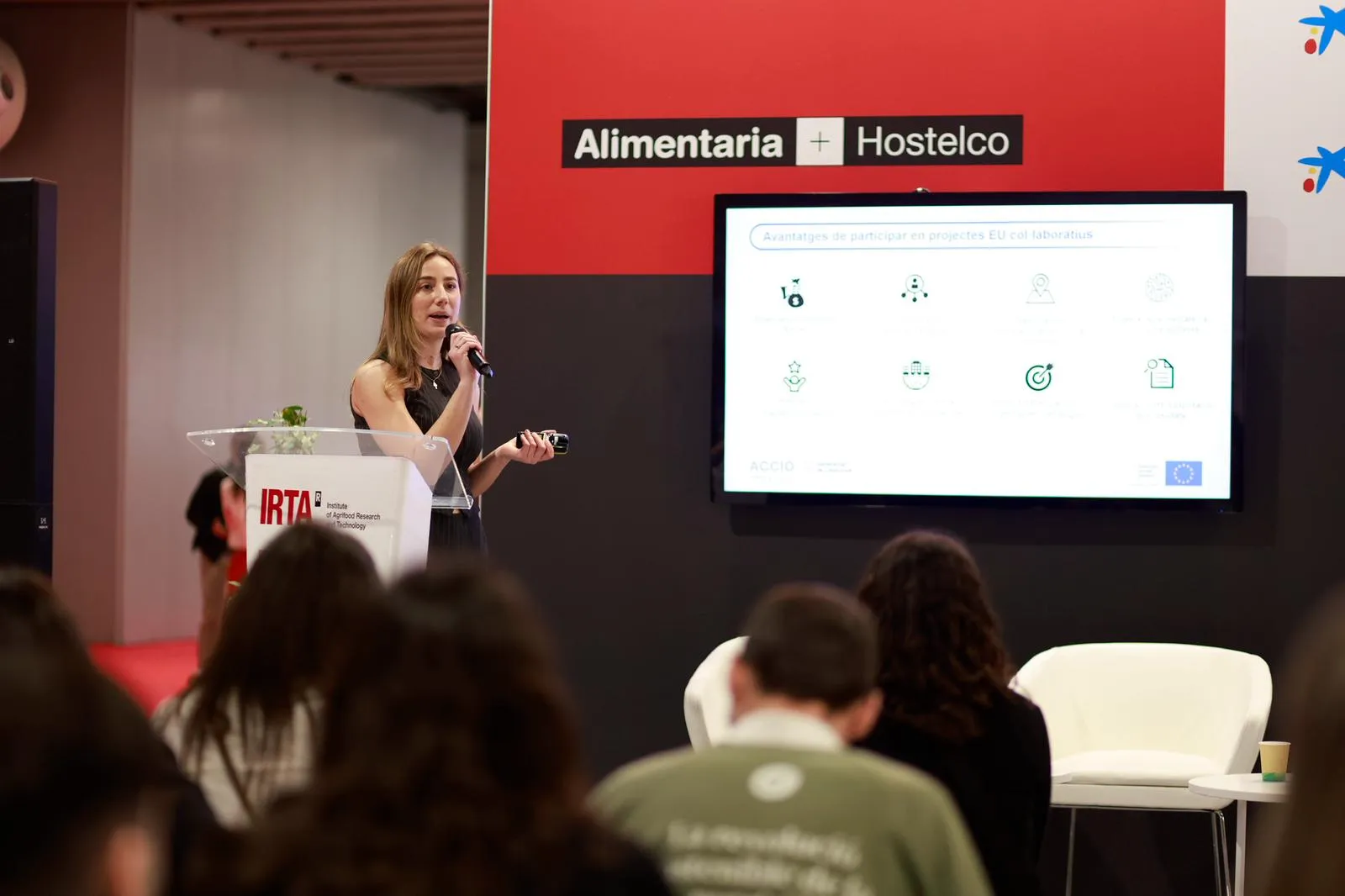
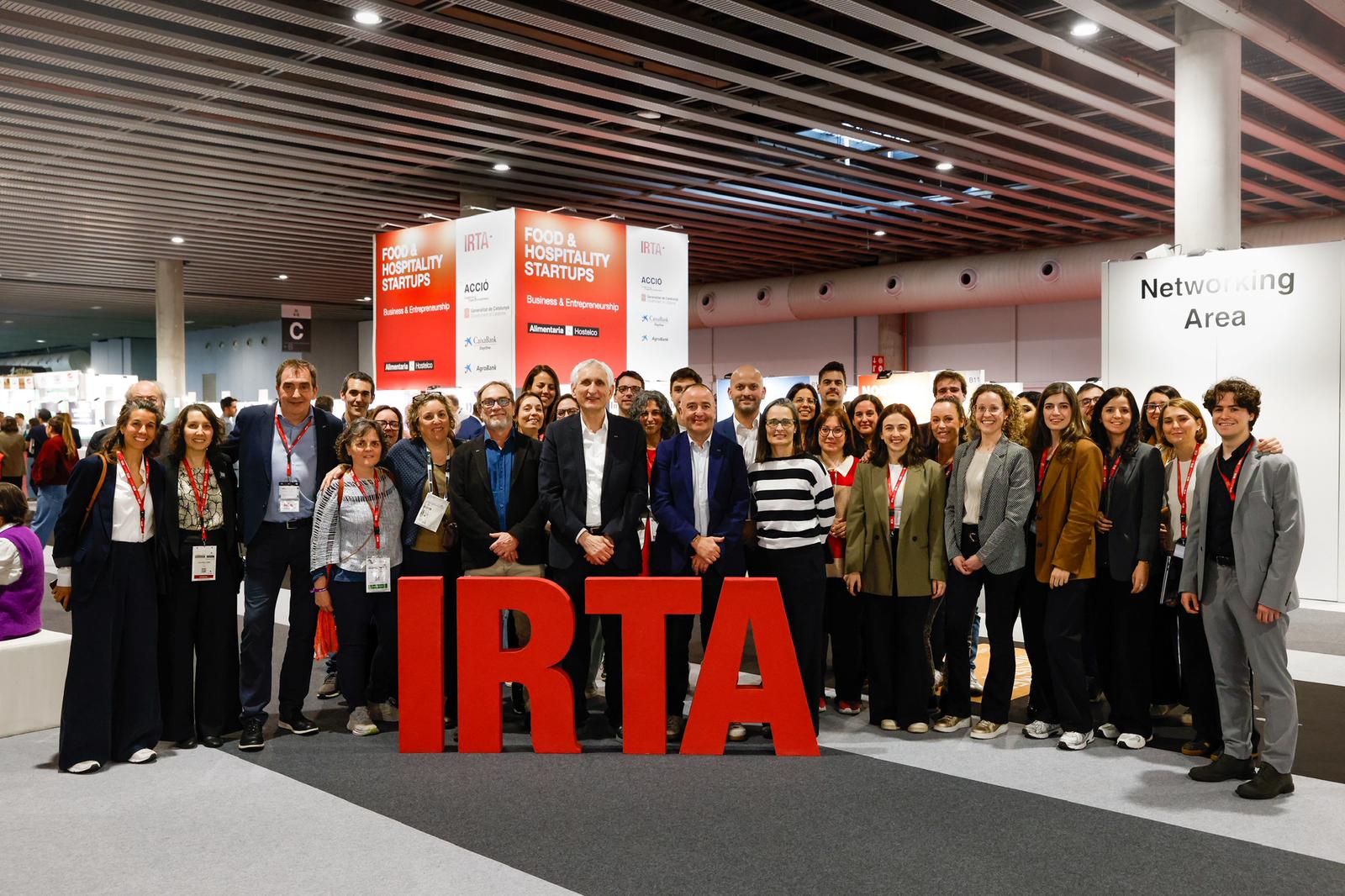
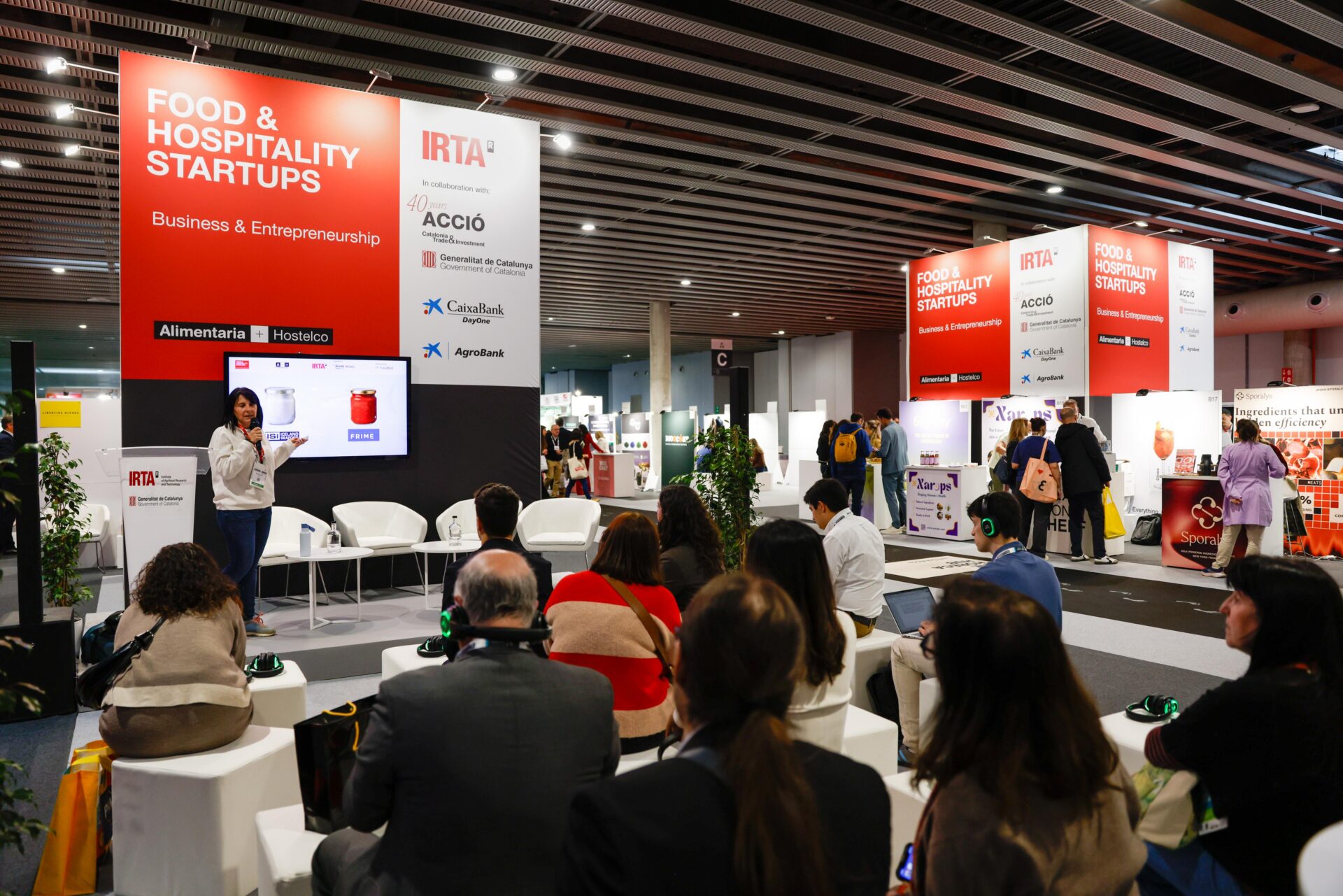
During the fair, IRTA, in collaboration with ACCIÓ, organised the Food & Hospitality Startups Arena, establishing it as a key meeting place for start-ups, corporations and investors. Around 15,000 people have visited the area where our space is located over the past few days, where more than 60 start-ups have presented innovative solutions for the agri-food sector, addressing real challenges such as sustainability, digitalisation and the optimisation of production processes. These initiatives have not only been showcased as one-off projects during the fair, but as opportunities with long-term potential, driving collaborations, pilot schemes and new opportunities.
Food & Hospitality Startups Awards
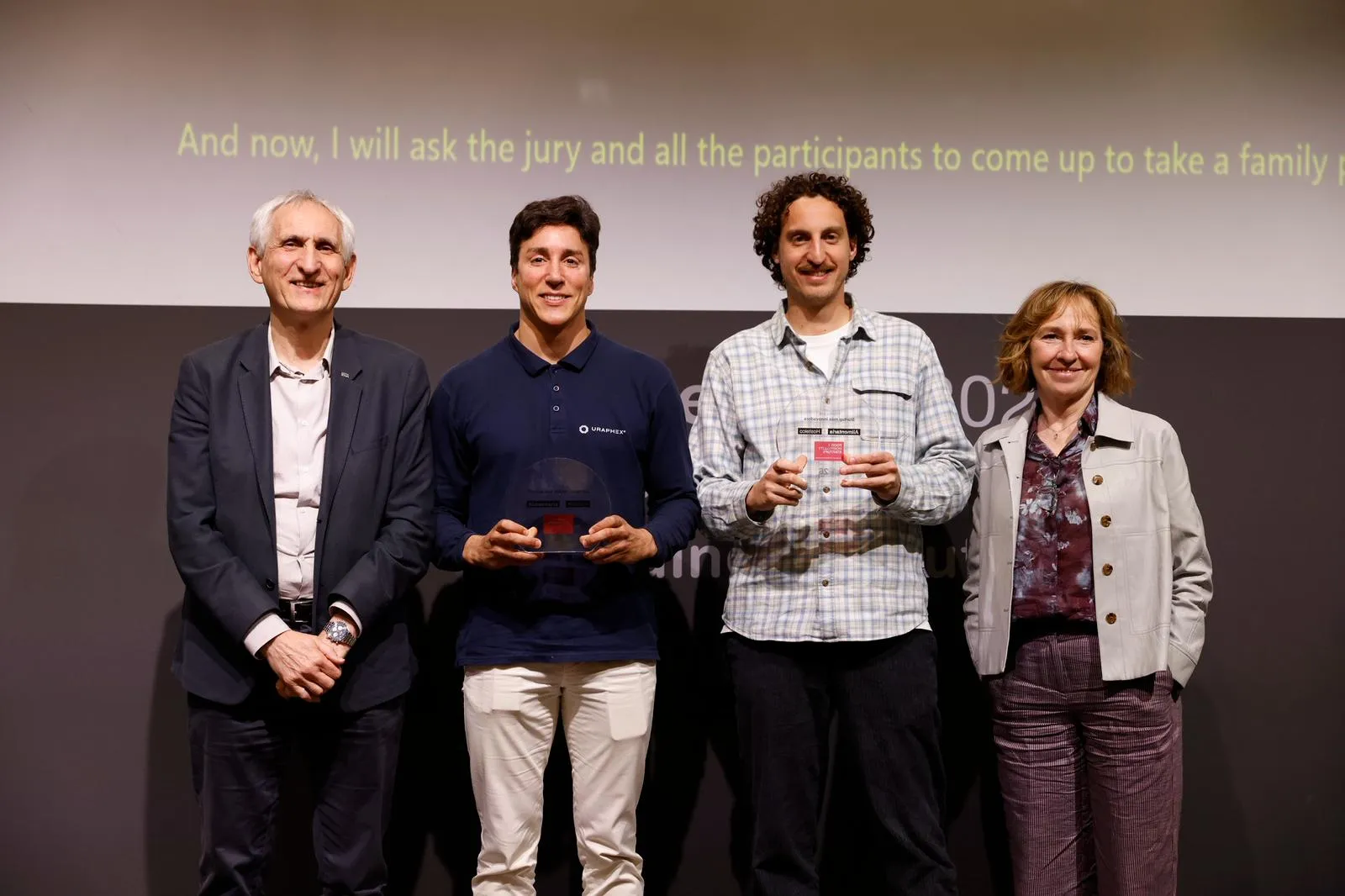
Among the highlights, the pitching sessions and the Food & Hospitality Startups Awards have helped to showcase emerging talent. IRTA led the coordination of the awards, with a judging panel chaired by our CEO, Josep Usall, who selected 14 finalist start-ups from among almost 60 entrants.
The award for the most innovative start-up went to NOIET, for its commitment to a new generation of clean-label fermented ingredients that replace synthetic additives and help to develop simpler, healthier and more sustainable foods. The prize for the startup with the longest track record was won by Uraphex, for its innovative project in water treatment for industrial processes. These initiatives exemplify how IRTA acts as a catalyst for validation and transfer, supporting innovation from prototype to market.
Challenges and opportunities in animal health
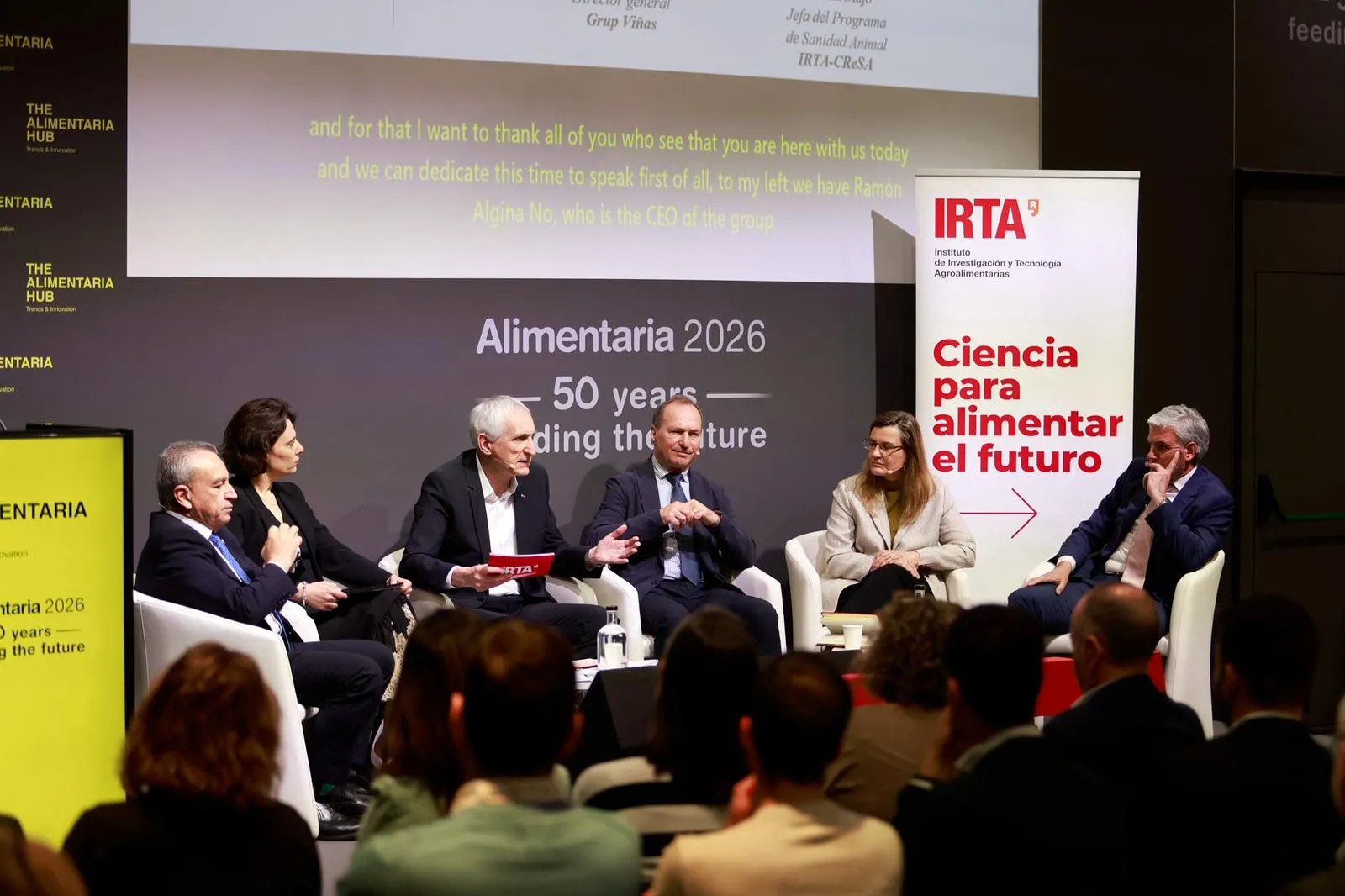
Another highlight of the fair was the round-table discussion entitled “The cost of animal health: opportunities and threats to competitiveness”, moderated by Josep Usall and featuring industry representatives such as Josep Solé, managing director of the Poultry Division at Grup Vall Companys; Ramon Alsina, CEO of bonÀrea Agrupa; Alba García, Director of Corporate R&D&I at the Costa Business Group; Josep Viñas, Managing Director of Grup Viñas; and Natàlia Majó, Head of the Animal Health Programme at IRTA-CReSA.
During the session, the impact of the rise in animal diseases and climate change on the spread of pathogens was analysed, highlighting the essential role of research in anticipating risks, developing vaccines, improving surveillance systems and providing alternatives to antimicrobials. Furthermore, there was consensus on the need for collaboration between businesses, research centres and government bodies, thereby strengthening the competitiveness, sustainability and resilience of the agri-food system.
New strategic agreements with Banco Santander and ASICI
During the fair, we have formalised key partnerships with strategic organisations. We have signed an agreement with Banco Santander, which reaffirms the bank’s commitment to various IRTA projects, such as the Mollerussa Fruit Conference, the International Symposium on Almonds and Pistachios, and the 2026 Porc d’Or Capa Blanca Awards.
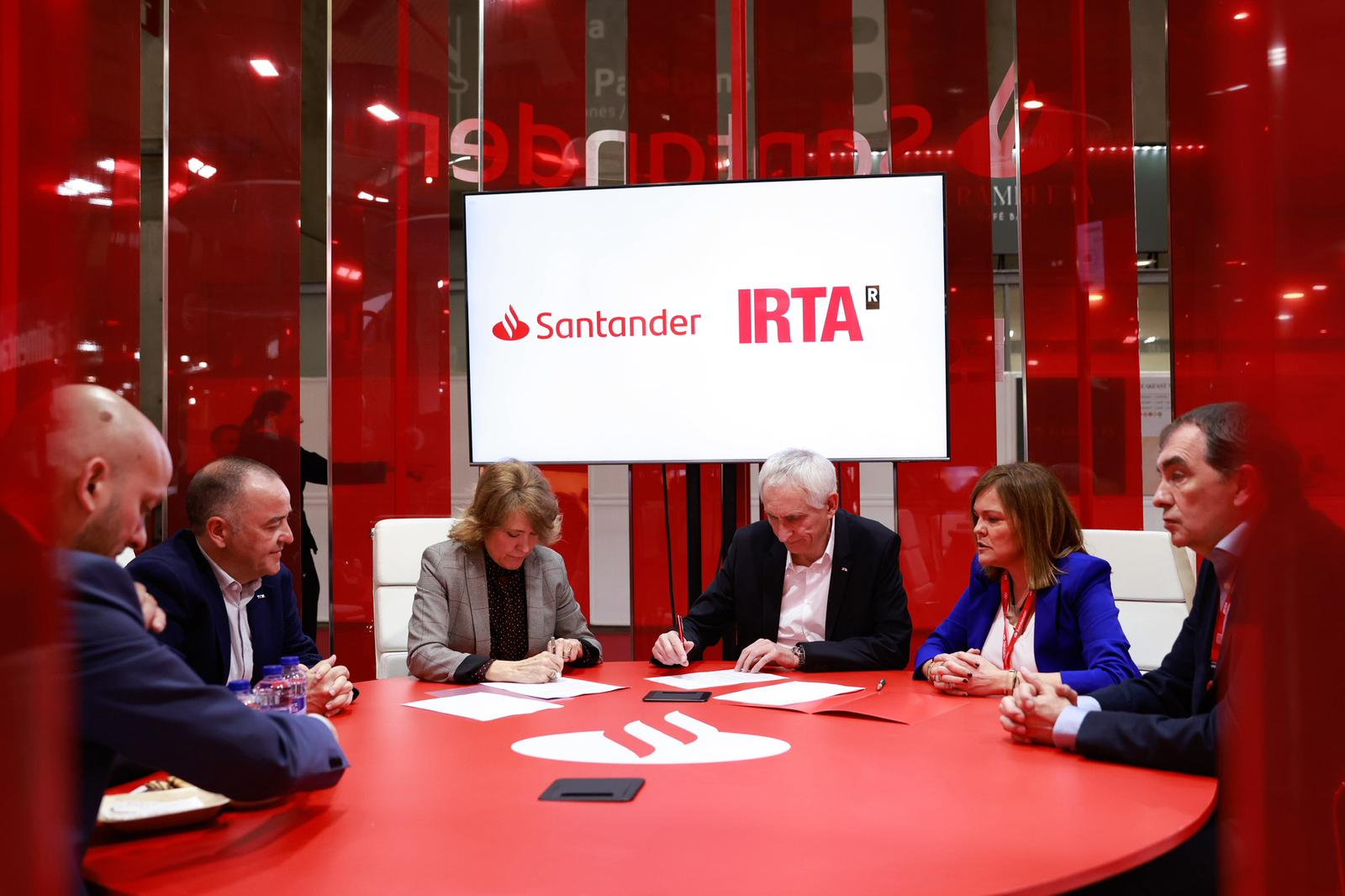
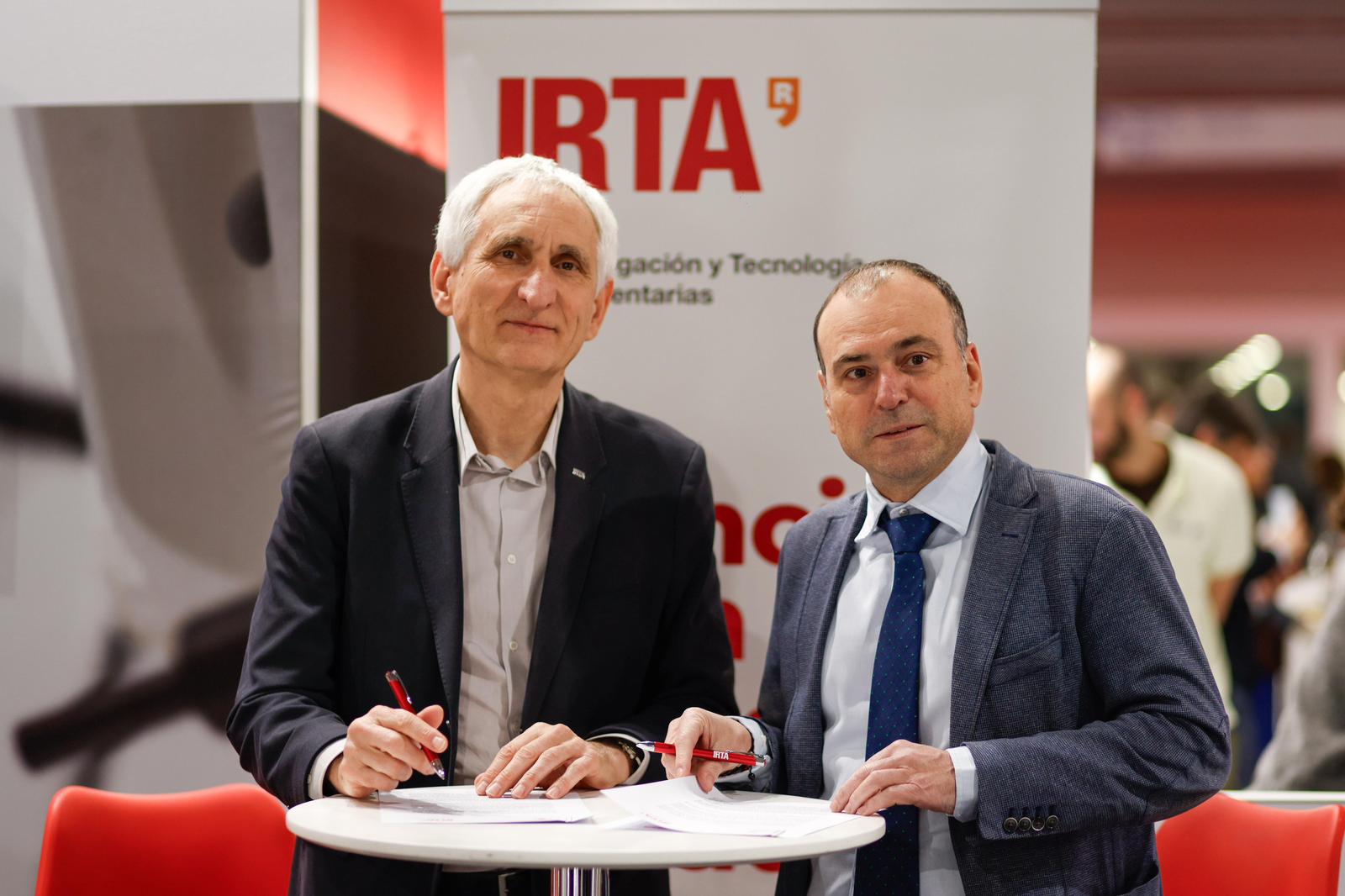
We have also formalised an agreement with the Interprofessional Association of Iberian Pork (ASICI), introducing the Special Award for Excellence in Acorn-fed Iberian Pork, which recognises farms that excel in the management of this production system. These initiatives demonstrate how IRTA acts as a connector and active hub within the ecosystem, facilitating meaningful collaboration between the public and private sectors and the research community.
We are transforming the agri-food sector through innovation and partnerships
This year’s event has highlighted the new generation of foods and processes, featuring technical sessions on alternative proteins, value-added plant-based products, advanced processing technologies and the utilisation of by-products, underscoring the role of applied research in transforming the food system.
Beyond the technical content, the networking, advisory and mentoring sessions have fostered genuine connections and growth opportunities for start-ups and businesses, establishing IRTA as a key player in driving challenges, validation and opportunities for open innovation.
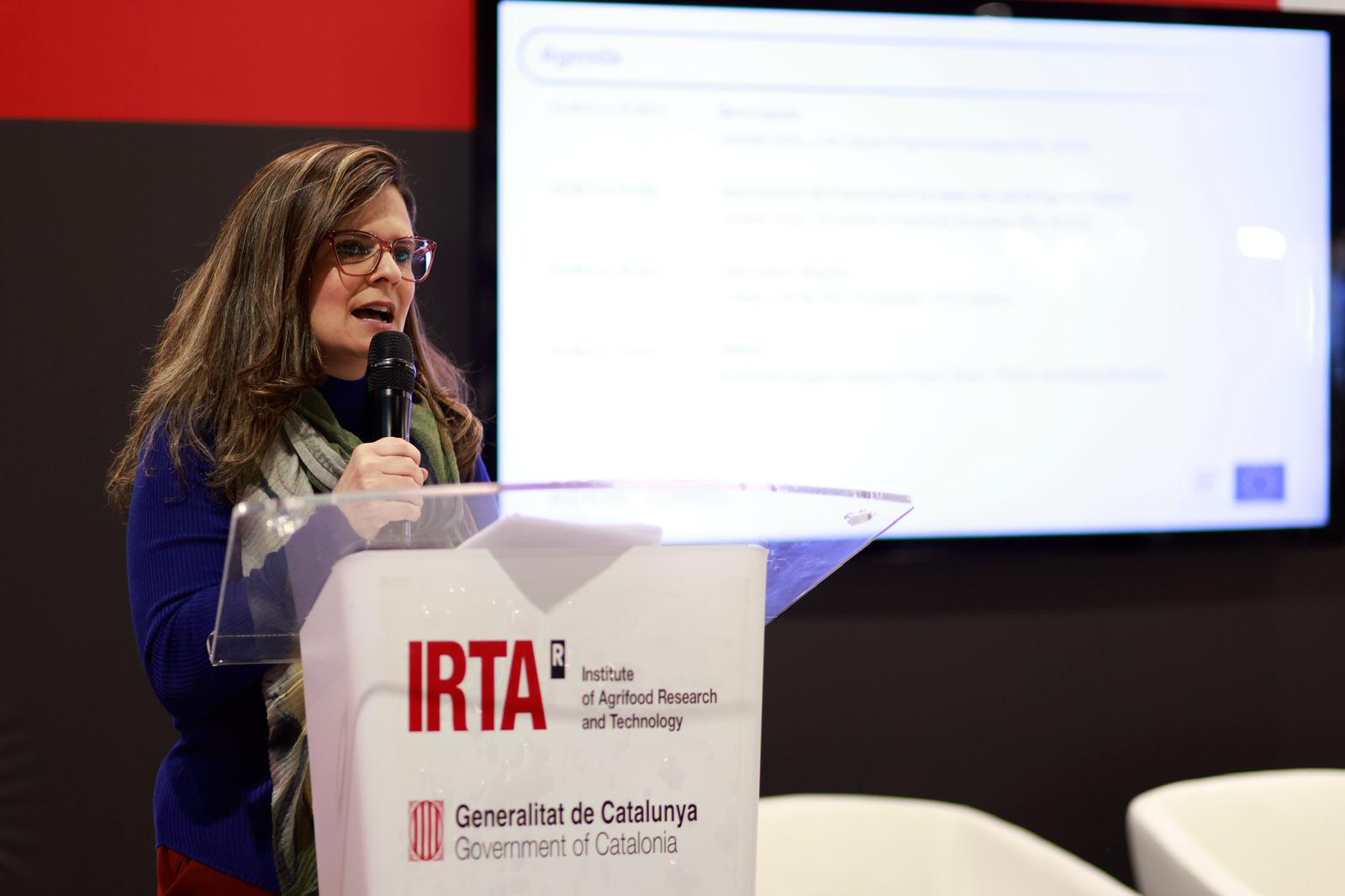
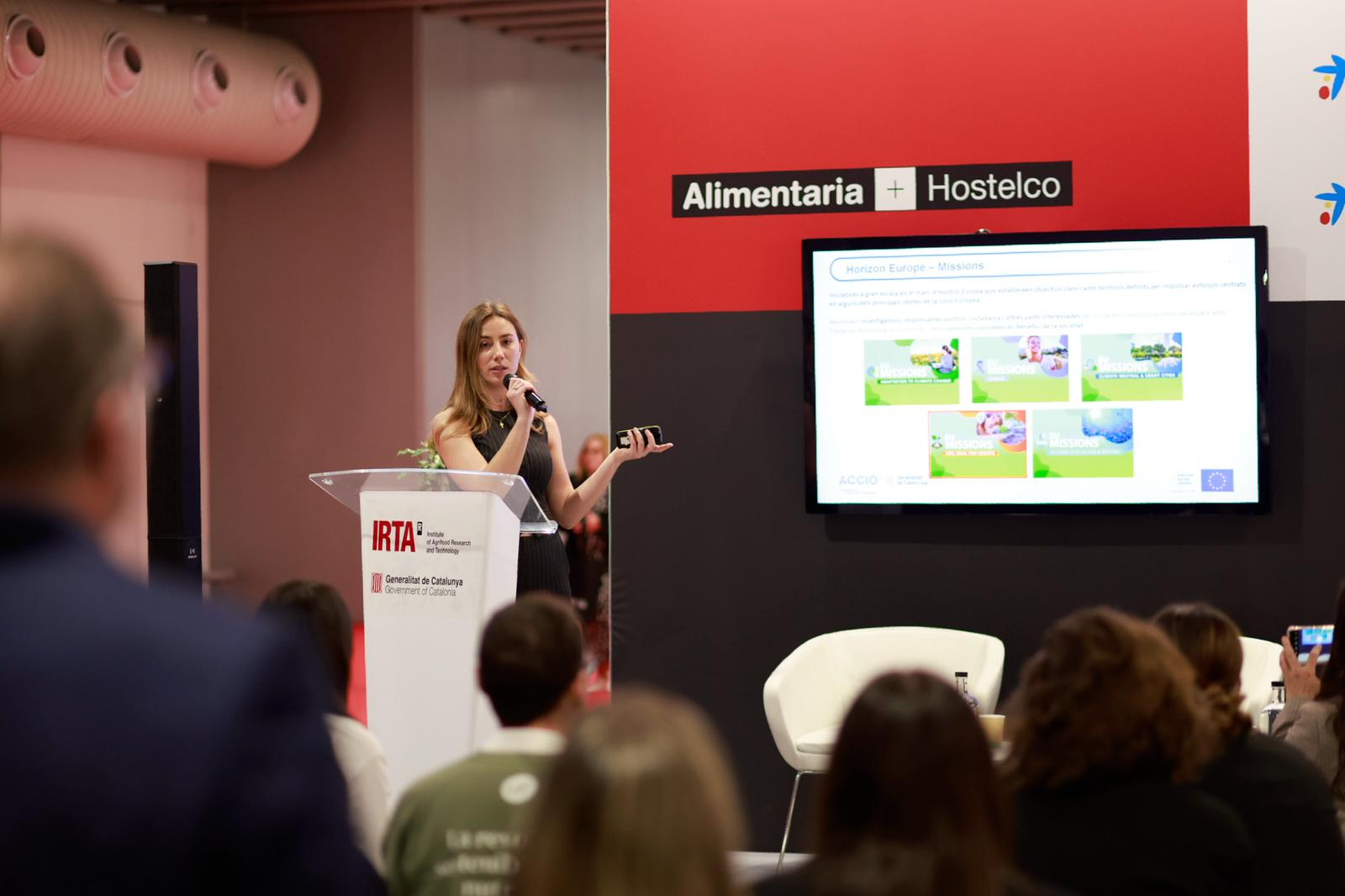
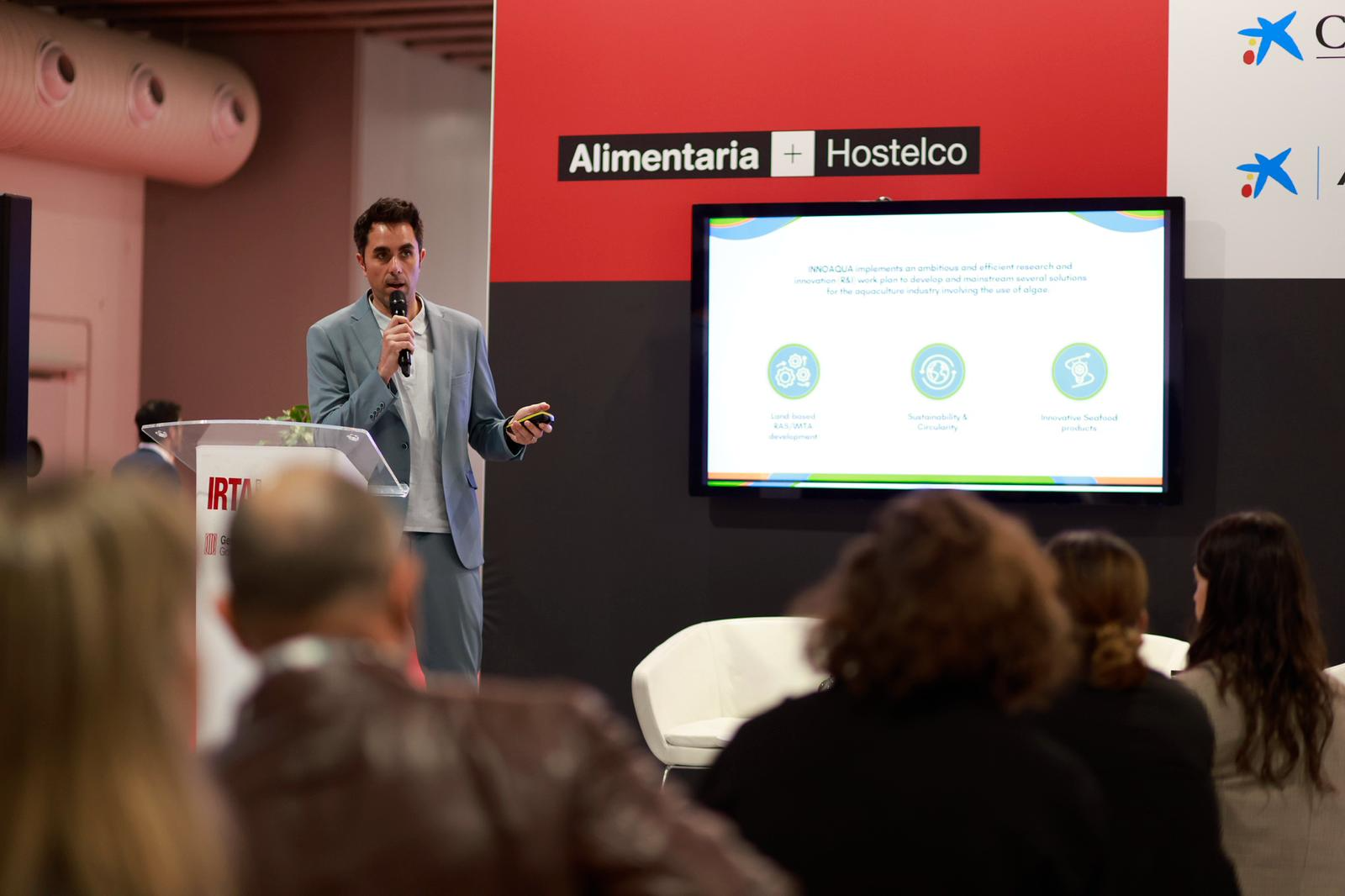
During the fair, a series of presentations, pitch sessions and practical demonstrations were held, bringing innovation to the attention of industry professionals and highlighting IRTA’s key role in driving the agri-food sector towards greater competitiveness, sustainability and innovation.