What are we working on?

What are we working on?

Data captation using sensors

Data captation using sensors

  • Capturing data using sensors is the foundation of digitalisation
  • Sensors are already an integral part of many agricultural tools, instruments and machinery, as well as satellites and drones, and can be found at every stage of the agri-food chain
  • They are becoming increasingly accessible, both financially and technologically


Some examples of their applications:
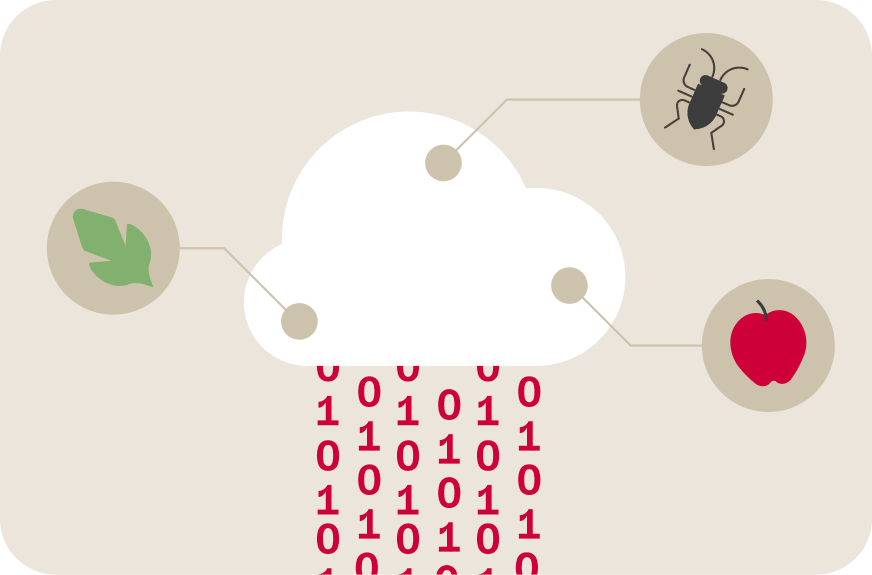
  • Some allow us to determine the quality of a piece of fruit without damaging it
  • Others are installed on farms, or in aquaculture cages, tanks and ponds, to monitor animal health and welfare
  • And some are used in the food industry to assess the quality and condition of food

Wireless transmission

Wireless transmission

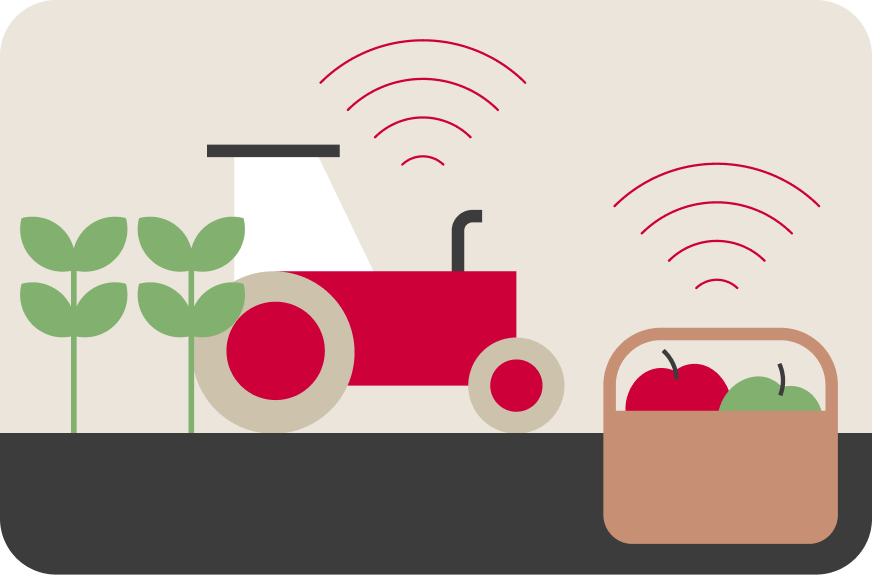
  • Sending data captured by sensors to the cloud is becoming increasingly affordable and rapid to: we call this the Internet of Things (IoT)
  • This is particularly useful in agriculture, where sensors may be mounted on vehicles and cannot be connected by cables
  • The cloud allows data collected from different points to be centralised and processed on high-performance servers

Collection in databases

Collection in databases

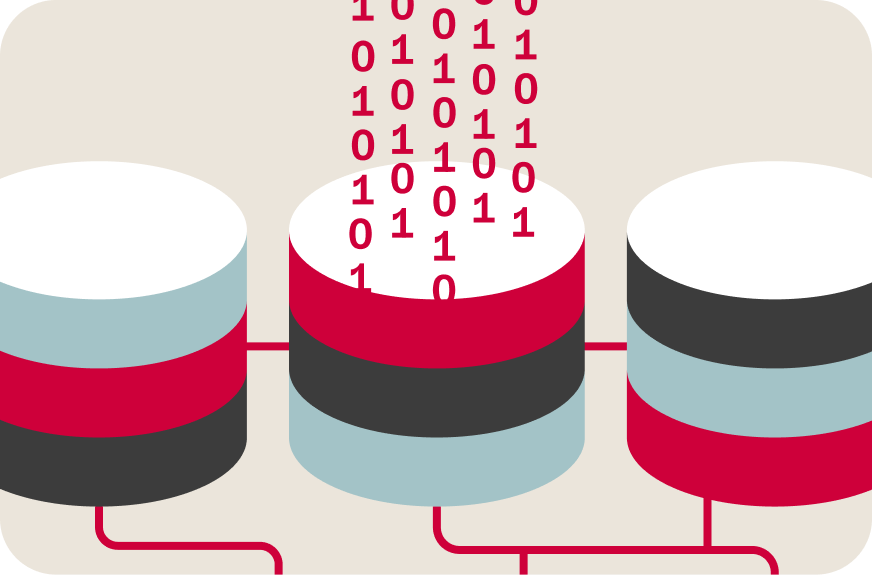
  • Data collection platforms allow data to be stored in large volumes
  • The data are managed securely and in a structured manner to facilitate traceability
  • The possibilities offered by the ability to analyse this data present both a challenge and a great opportunity

Analysis using artificial intelligence (AI)

Analysis using artificial intelligence (AI)

This offers a wide range of possibilities:

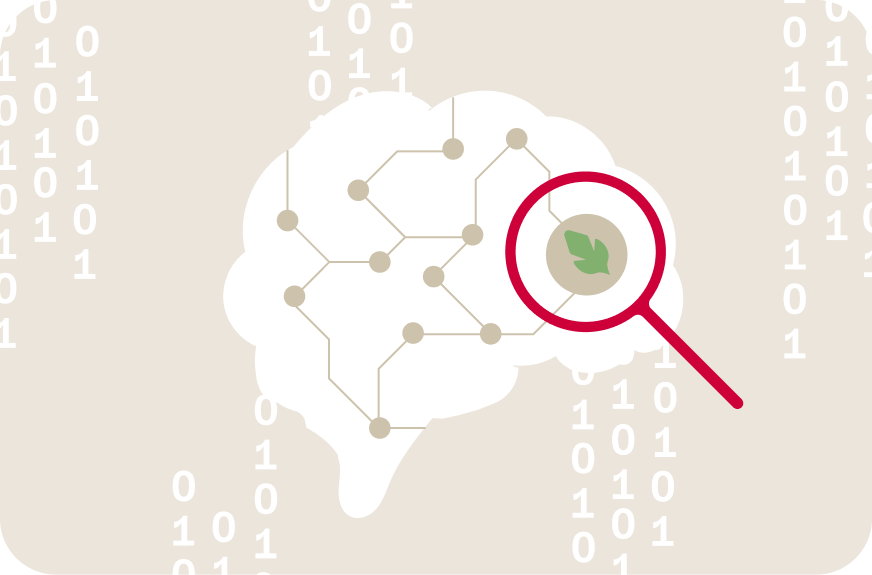
  • Identifying and detecting objects in images or videos to extract their characteristics, using what is known as computer vision
  • Predicting how the quality and safety of food products will evolve using predictive models, such as machine learning algorithms
  • Understanding and responding to queries made by humans, through large language models


We want to make all these possibilities available to the sector and make the most of them.
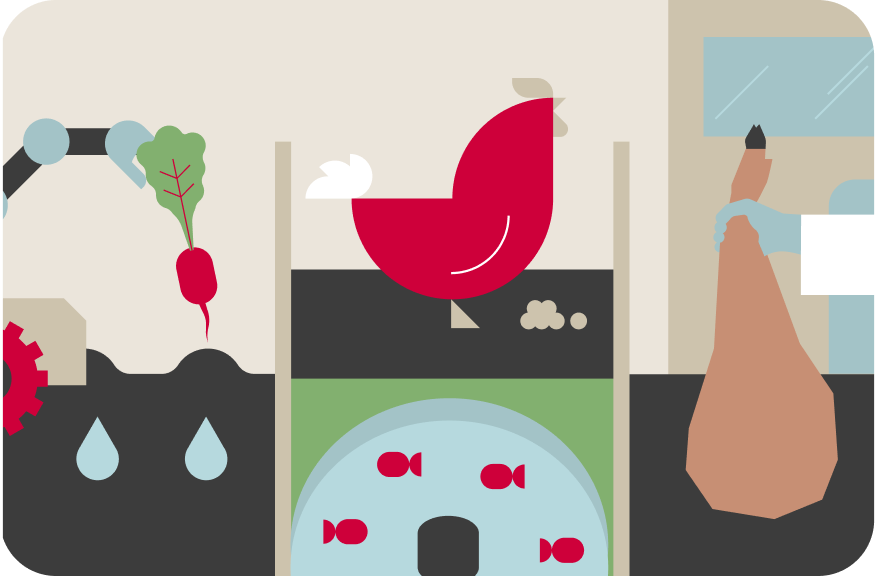
Applications in agriculture, aquaculture, livestock farming and the food industry

Applications in agriculture, aquaculture, livestock farming and the food industry

Making decisions based on the data we have collected and analysed enables us to be more precise and to adapt management strategies to the variability of crops, livestock or products. For example, we can:

  • Apply water, fertilisers or plant protection products precisely according to the characteristics of different areas within the same plot. This is known as precision agriculture
  • Provide each animal or group of animals, based on their individual or group needs, with a concrete quantity of specific feed. This is known as precision livestock farming or aquaculture
  • In the food industry, determine the quality of a product such as Serrano ham without altering it, using images and AI. This is known as smart or precision processing
  • Furthermore, the use of data and new technologies allows us to automate and free up repetitive, heavy or dangerous tasks through robotics

Despite their potential, there are still barriers to overcome in the aim of expanding the use of these technologies in the agri-food sector:

  • Clearly identify the added value they can bring
  • Train potential users so they can use them and know which ones to choose
  • Have the financial resources to implement them
  • Adapt them to the agri-food sector, as many of them were designed for other sectors