




On the occasion of 11 February, the International Day of Women and Girls in Science, IRTA once again joins this commemoration with a day dedicated to bringing scientific research with a gender perspective closer to the public. More than 15 women scientists from IRTA, from different locations across the territory and diverse research fields, take part in this initiative, sharing their professional and personal experience first-hand.
The main aim of the initiative is to highlight the role of women in science and provide real and relatable role models for girls, boys and adolescents, helping to break down stereotypes and encourage scientific vocations through diversity and equal opportunities. Through their voices, career paths and projects, the researchers show what doing science is like today and the impact it has on society.
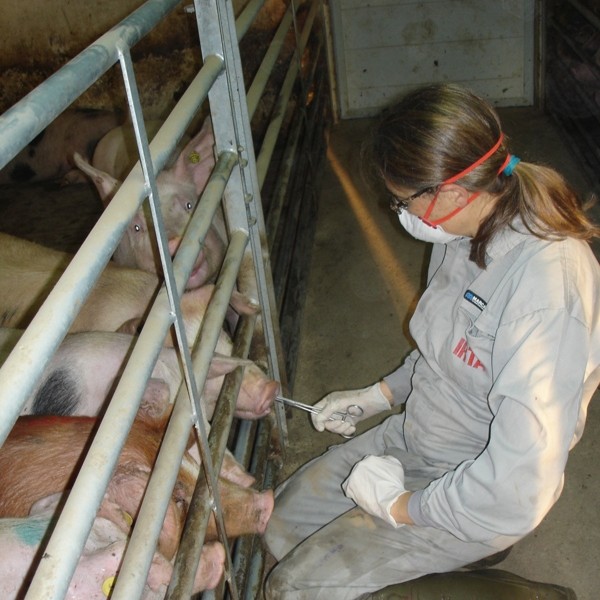
Emma Fàbrega i Romans has been a veterinarian and researcher in the IRTA Animal Welfare Programme since 2003.
His research focuses on improving pig production systems, with particular attention to reducing neonatal mortality, preventing behaviours such as tail biting and other behaviours associated with pain or stress, and the relationship between animal welfare and social, economic and environmental sustainability.
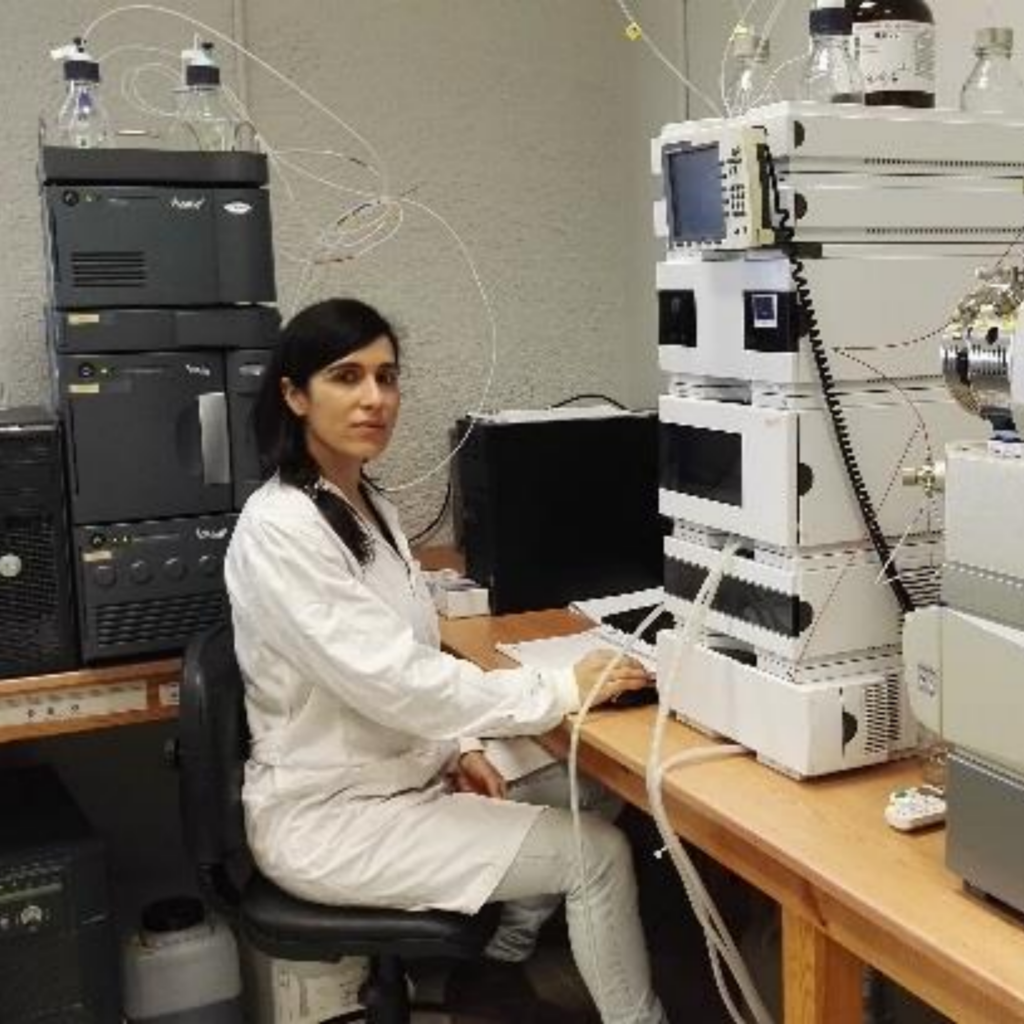
Maria Rambla-Alegre has been a chemist and researcher at IRTA since 2015, where she works on the Marine and Continental Waters programme at the IRTA la Ràpita centre and heads the Analytical Chemistry Laboratory.
His research focuses on the analysis of marine contaminants and biotoxins to ensure the safety of seafood. In his talk, he will discuss the role of chemistry in the food safety of fishery products.
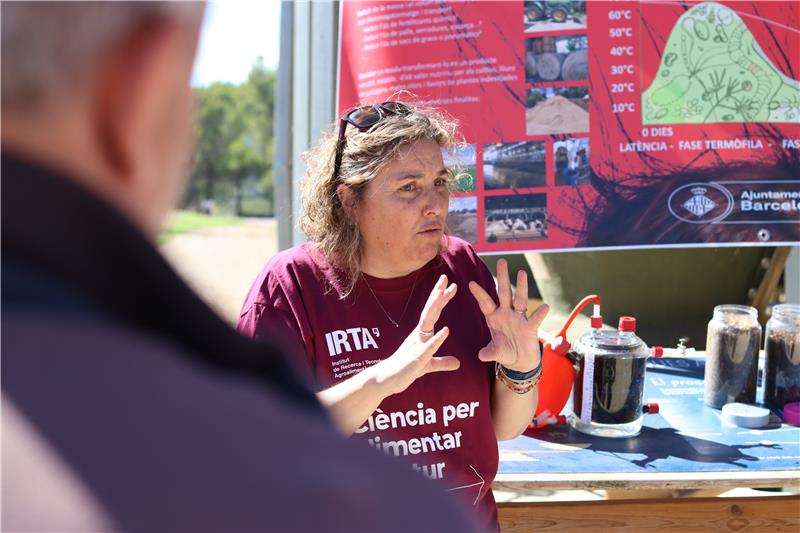
Maria Devant Guille is a researcher at IRTA with more than 20 years of experience in beef cattle production research, particularly in calves from dairy farms.
Throughout his career, he has worked on aspects of management, nutrition, weaning programmes and meat quality, as well as strategies to improve animal welfare, reduce environmental impact and reduce the use of antibiotics. At the same time, he has promoted research and innovation networks at the Catalan and international levels and holds scientific coordination responsibilities at IRTA.
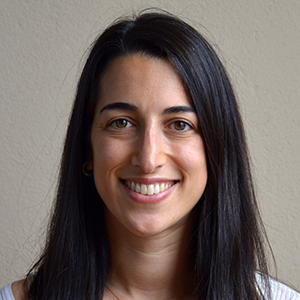
Lourdes Llonch Fernández is a postdoctoral researcher in IRTA’s Ruminant Production programme. Her research focuses on developing nutritional and management strategies to improve the efficiency, health and welfare of beef calves, while reducing the environmental impact of production systems.
He works in all phases of the production cycle, from the suckling period to the final finishing stage, and actively participates in scientific outreach activities to bring research closer to the sector and society.
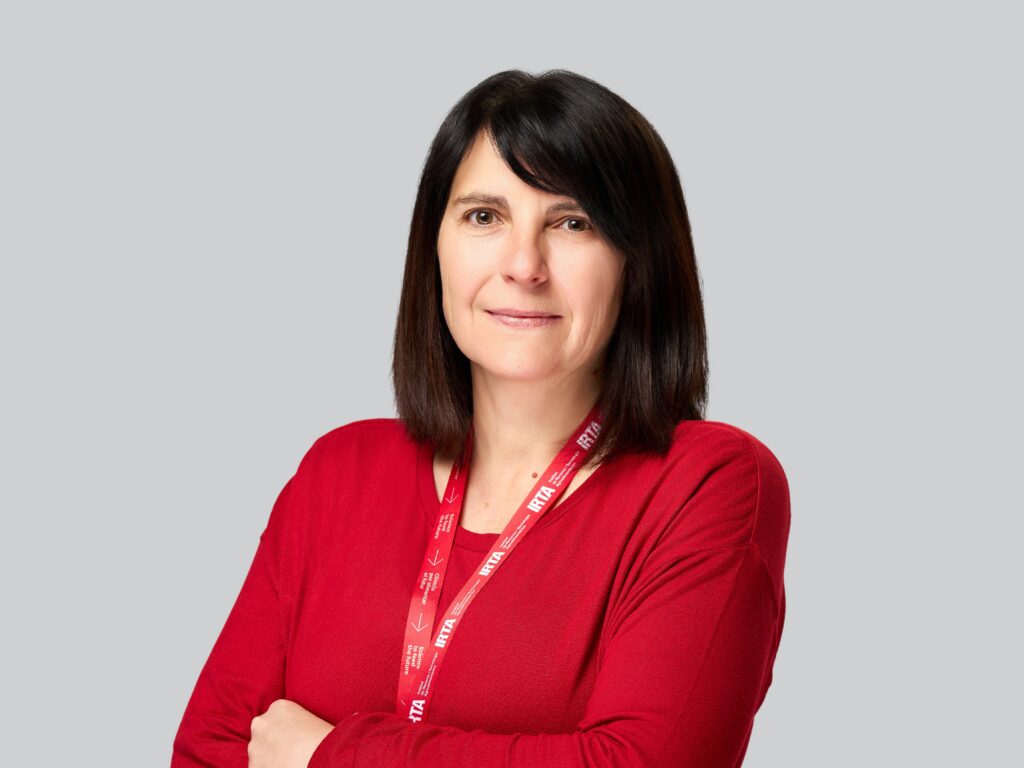
Brigitte Martínez is an innovation technician in IRTA’s Food Quality and Technology programme. Since 2006, she has been working on improving technological processes during production to extend the shelf life of food, with a special focus on ready-to-eat, ready-to-cook and ready-to-eat products, as well as on the validation of thermal processes.
Since 2023, he has coordinated the International Course in Dry-cured Meat Products and the International Course in Meat Product Technology, and has participated in numerous national and European projects, collaborating with more than 90 companies in the sector.
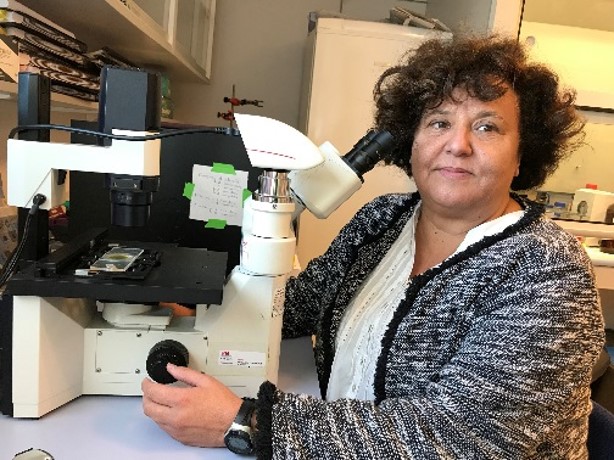
Margarita Fernández Tejedor is a biologist and doctor of Marine Sciences, and a researcher in the IRTA’s Marine and Continental Waters programme at the IRTA la Ràpita centre. Her research focuses on the study of aquatic microorganisms, especially toxic and harmful phytoplankton.
In his talk, he will discuss oceanography and how climate change influences the distribution of marine microorganisms, with examples from the LEVABENTOX project. He will also include a practical session with microalgae observation under a microscope and marine sampling instruments.
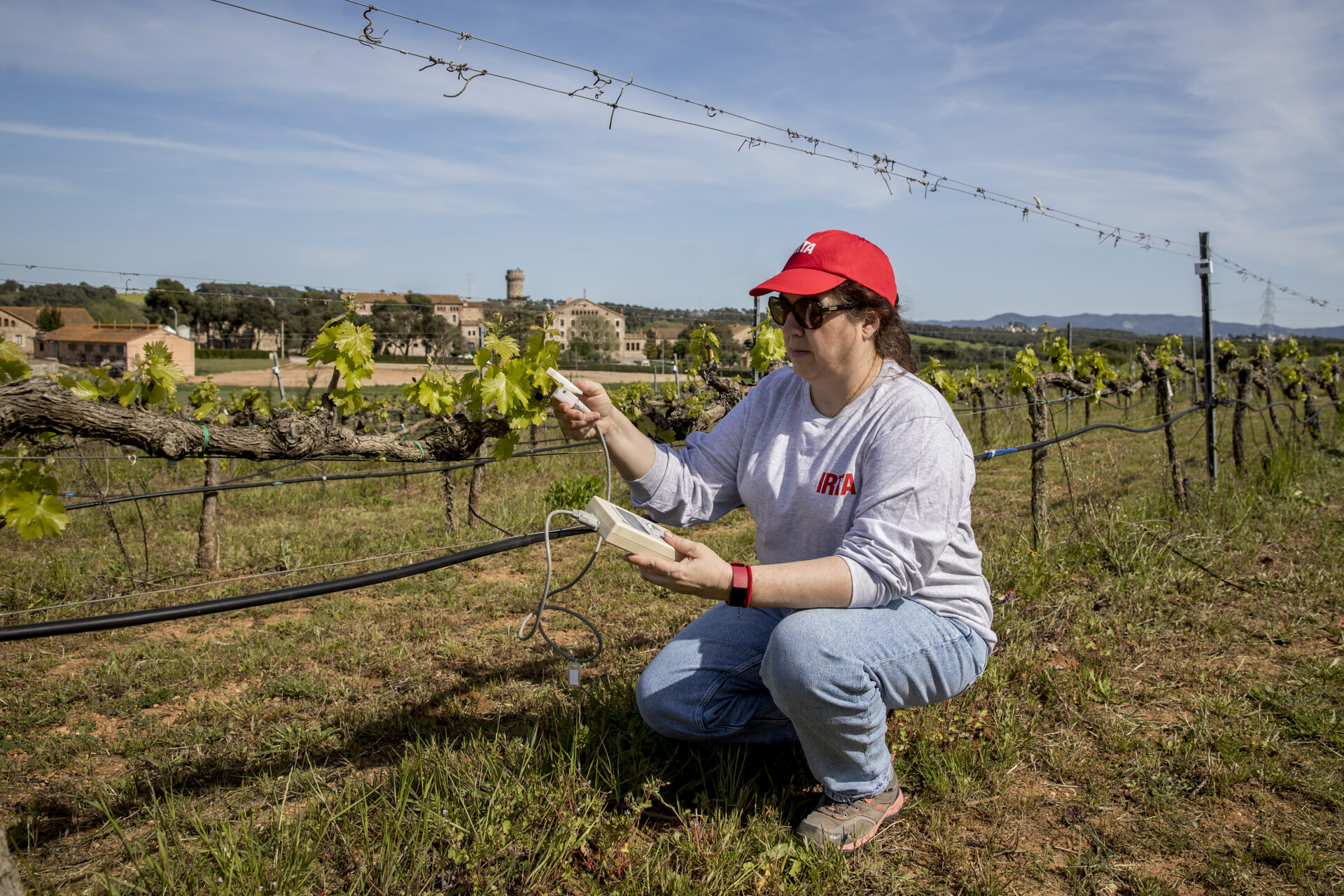
Feli de Herralde Traveria is a biologist with a PhD from the University of Barcelona and has been a researcher at IRTA for over 25 years. She is an ecophysiologist and studies the relationships between Mediterranean plants and their environment, with a special focus on the effects of climate change on viticulture and the adaptation of crops to future conditions.
His research contributes to improving the resilience of ecosystems and the productive sector in the face of global warming. In his talk, he will share his scientific vocation, his professional career and the opportunities offered by science, explaining how research in ecophysiology, viticulture and climate change works.
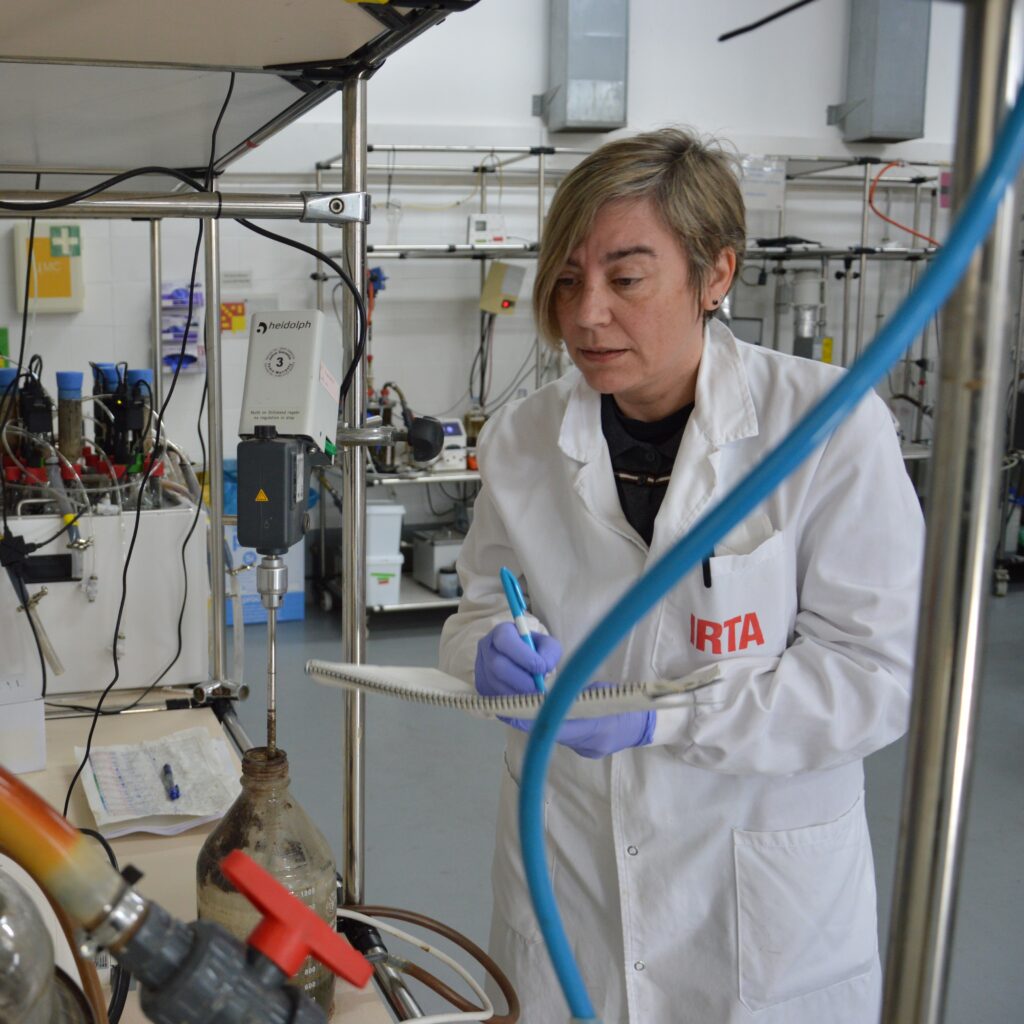
Mª Belén Fernández García holds a PhD in Chemical Engineering and has been a researcher in IRTA’s Biosystems Sustainability programme since 2012. Her research focuses on environmental sciences, biotechnology and chemical engineering. She specialises in anaerobic digestion, fermentation bioreactors and strategies for improving the biodegradability of waste.
He is currently working on the recovery of agro-industrial waste for the production of renewable energy, the recovery of nutrients and the production of organic fertilisers, contributing to more sustainable production models.
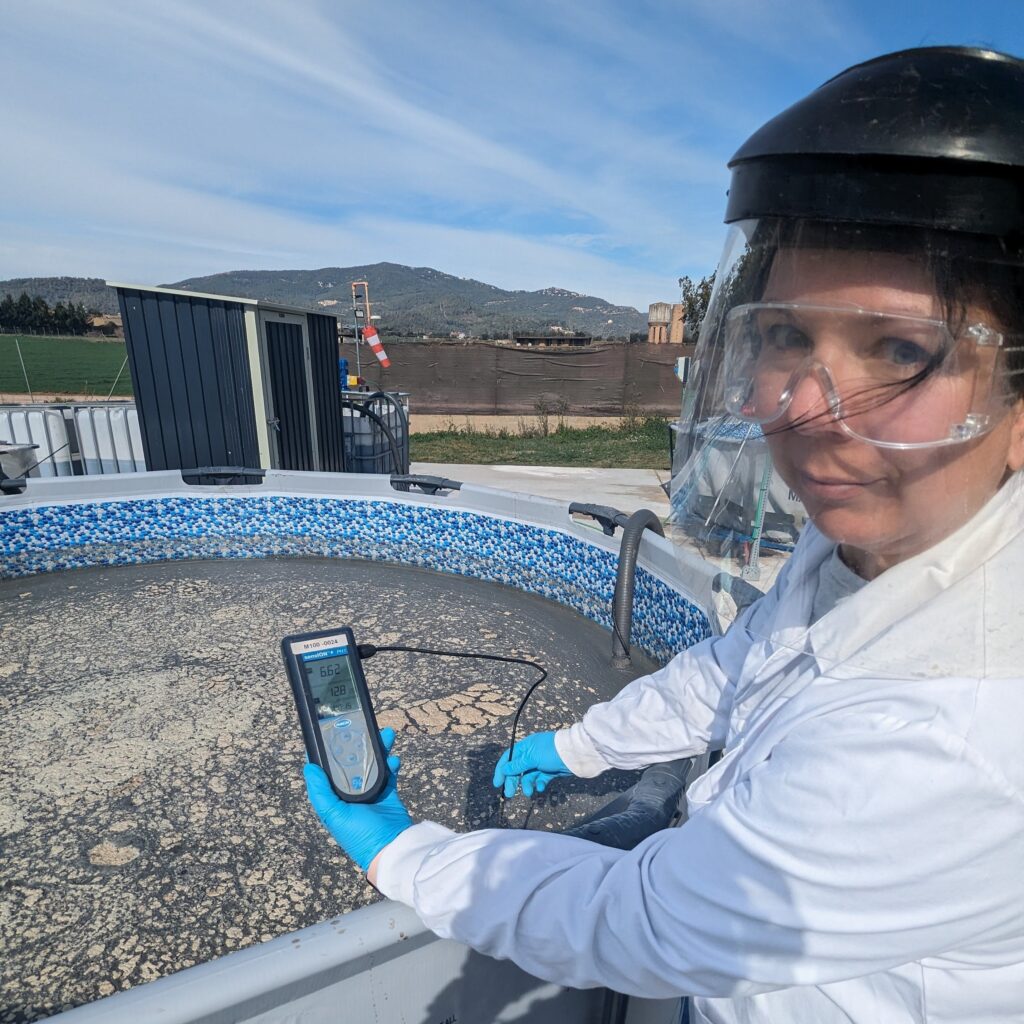
Míriam Cerrillo Moreno has a PhD in Environmental Engineering and specialises in technologies for livestock farming and comprehensive slurry management at IRTA. Her research combines process engineering and sustainability to recover nutrients, reduce atmospheric emissions and produce renewable energy.
Among other areas, it works on selective nitrogen recovery to obtain high-quality fertilisers and minimise groundwater pollution, and on anaerobic digestion systems that transform slurry into biogas to generate electricity and heat.
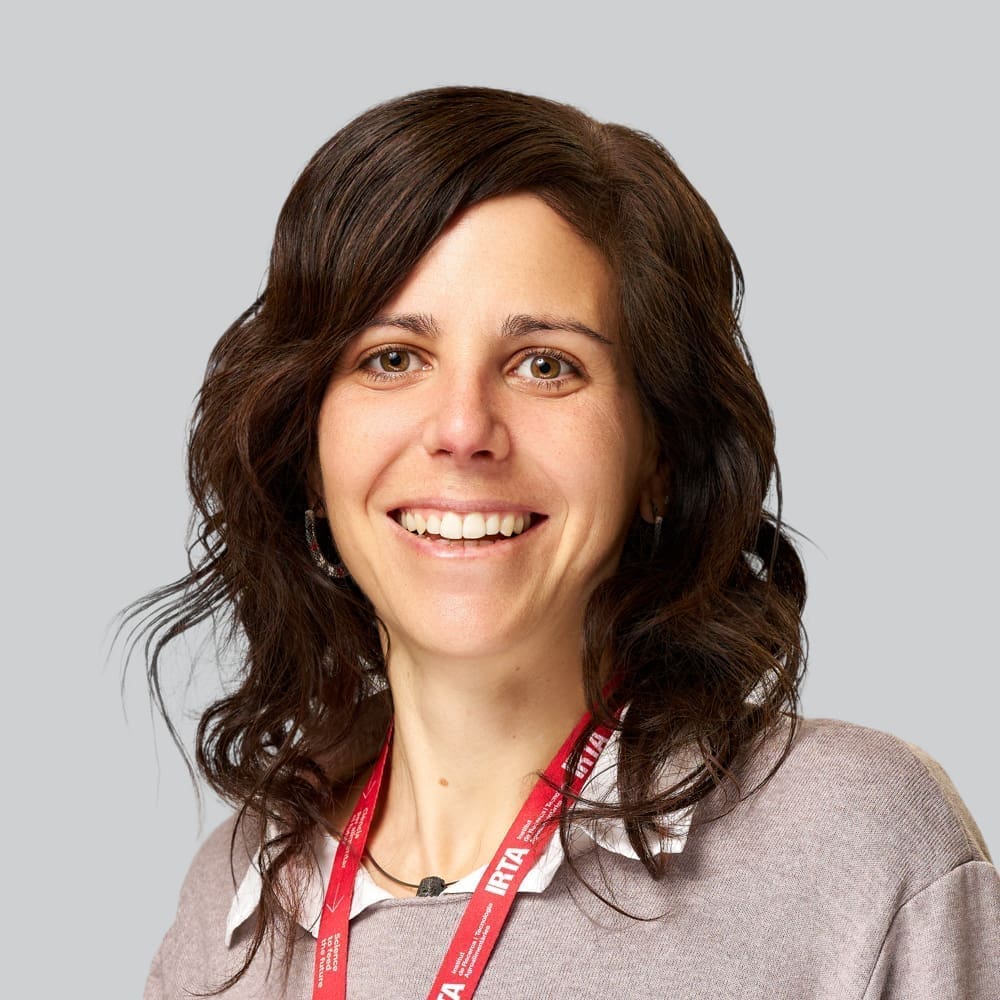
Elena García Fruitós is a biologist and biochemist with a PhD in Biotechnology from the Autonomous University of Barcelona and a researcher in the IRTA’s Ruminant Production programme. Her research focuses on the development of recombinant proteins with antimicrobial and immunomodulatory activity for the treatment of infections.
In his talk, he will delve into the world of microorganisms to explain the difference between pathogenic and beneficial bacteria, and how some of them can be used as microscopic factories to obtain proteins of interest that contribute to improving animal and human health.
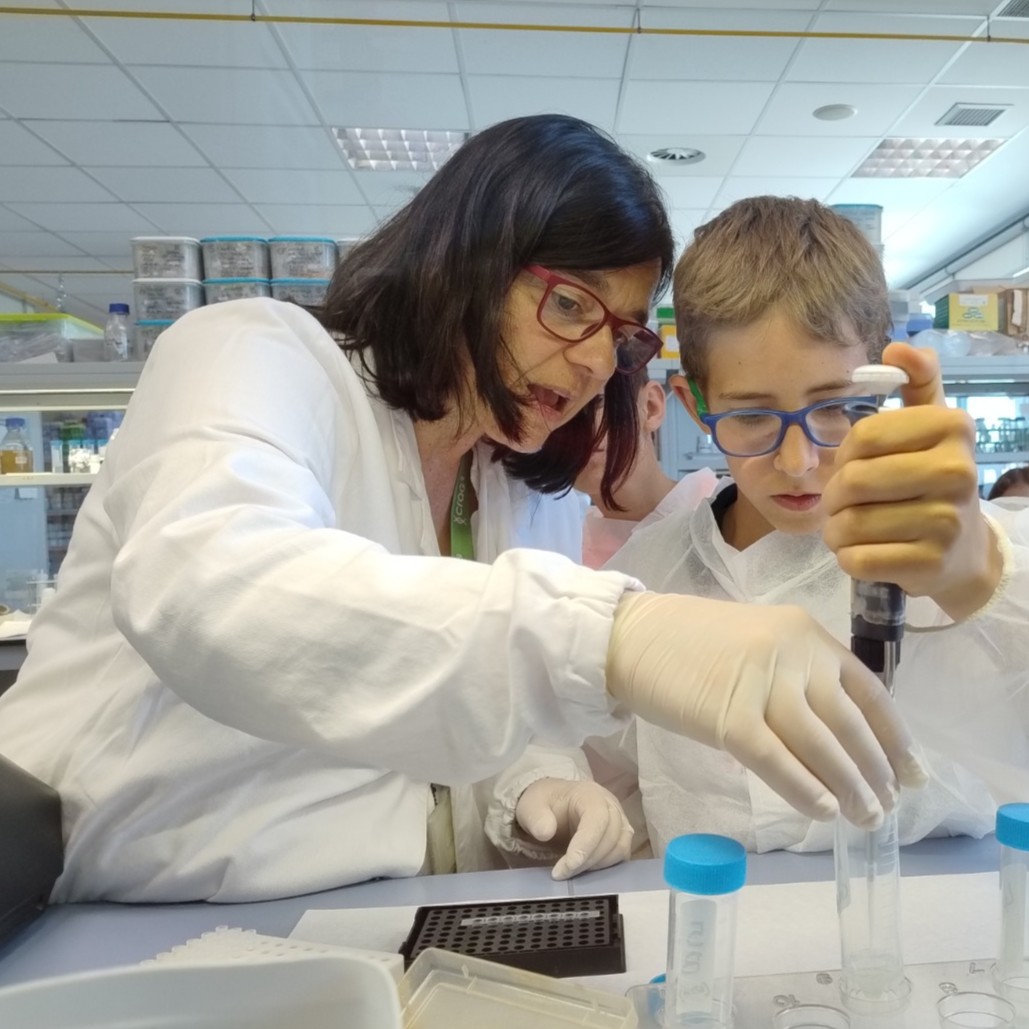
Silvia Fornalé holds a degree in Natural Sciences and a PhD in Biology and Cellular Physiology from the University of Bologna. Since 2017, she has been working at IRTA, where she is currently a research technician in crop genomics in the Department of Genomics and Biotechnology.
His work focuses on genetic and genomic studies of plants of agro-industrial interest, in collaboration with companies in the sector. In his talk, he will explain how genetics and genomics contribute to the development of new varieties of fruit and vegetables that are better adapted to the current challenges facing agriculture and to reducing food waste.

Beatriz Jiménez Moya is a veterinarian and researcher at IRTA, specialising in poultry nutrition. Her research focuses on optimising feed through dietary strategies such as enzyme supplementation to improve environmental sustainability, animal welfare and the quality of animal-based foods.
She is also a member of the IRTA’s Animal Experimentation Ethics Committee. In her talk, The science behind the eggs and chicken we eat, she will explain her career as a scientist and how research contributes to caring for animals and the food that reaches our homes.
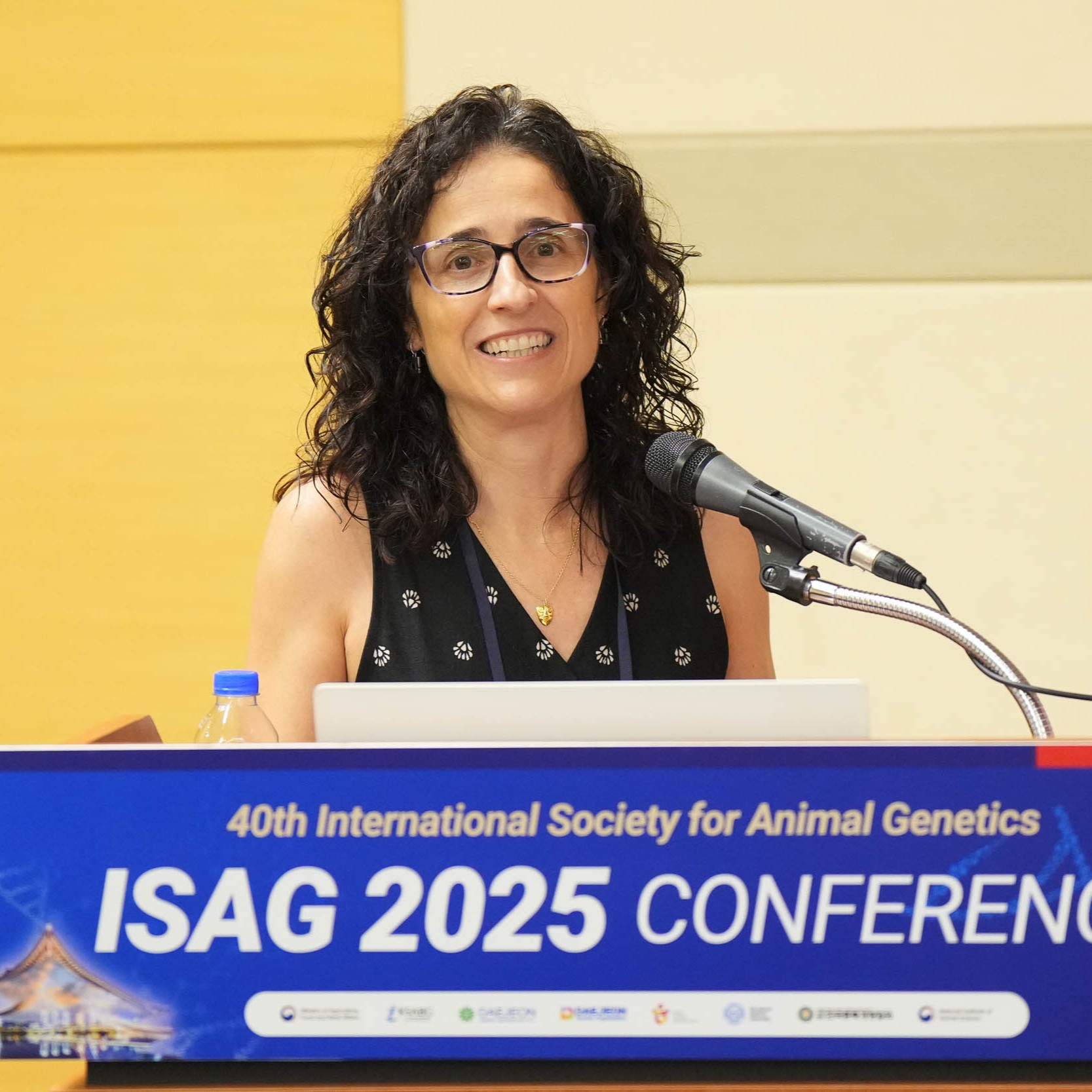
Maria Ballester Devis is a researcher in the Animal Genetics and Breeding programme. Her research focuses on studying the genetic determinism of immunocompetence in pigs, with the aim of developing tools for selecting more robust animals that are resistant to disease.
His talk will focus mainly on explaining how genetics can enable progress towards more sustainable animal production systems and help reduce the use of antibiotics.
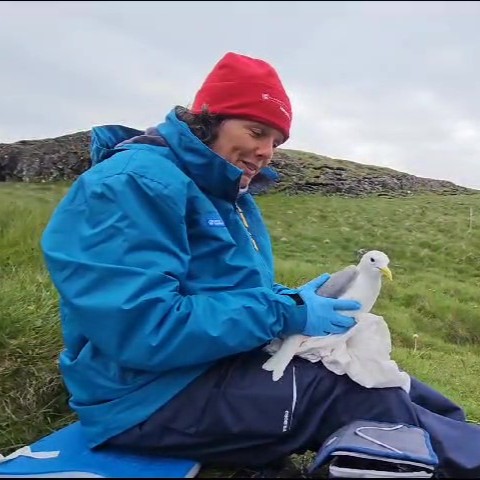
Marta Cerdà Cuéllar is a microbiologist and researcher in the IRTA-CReSA Animal Health programme since 2004, with over 25 years of experience in animal health and environmental microbiology.
His research focuses on the epidemiology and antimicrobial resistance of pathogenic and zoonotic bacteria, especially in poultry and wildlife, with a OneHealth approach. In his talk, he will discuss the world of microbes, both pathogenic and beneficial, and will engage students in a hands-on activity to highlight the value of the scientific method.
This event is part of the #100tífiques project, an initiative of the Catalan Foundation for Research and Innovation, which connects female researchers with educational centres and outreach spaces throughout Catalonia.

